

Iran’s nationwide protests appear smothered, with fate of potential US action unclear
Oil prices fall as chance of conflict seems to recede; Tehran says protester’s execution called off; Iran’s airspace reopens after closing for several hours
 Add ToI as a Preferred Source on Google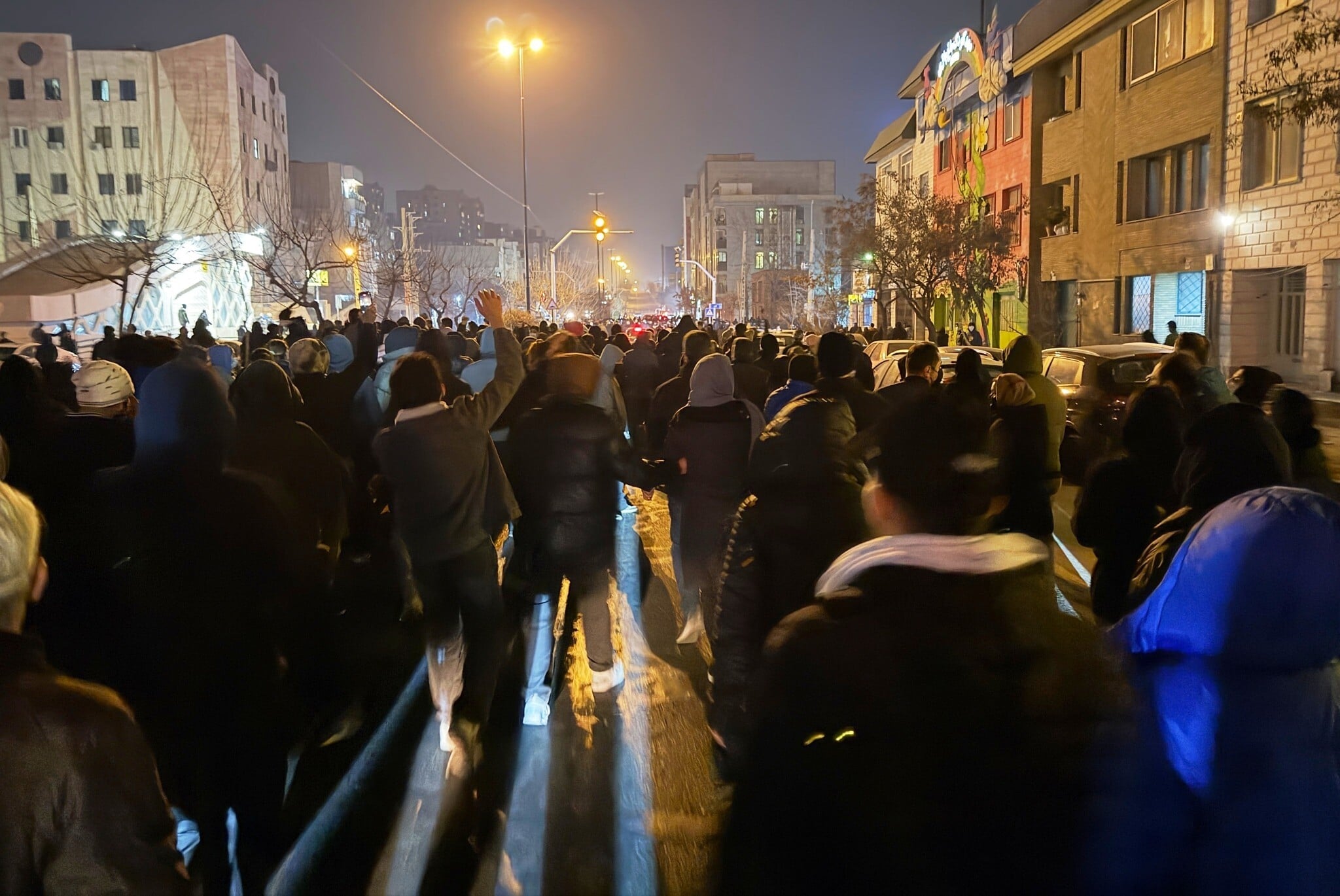
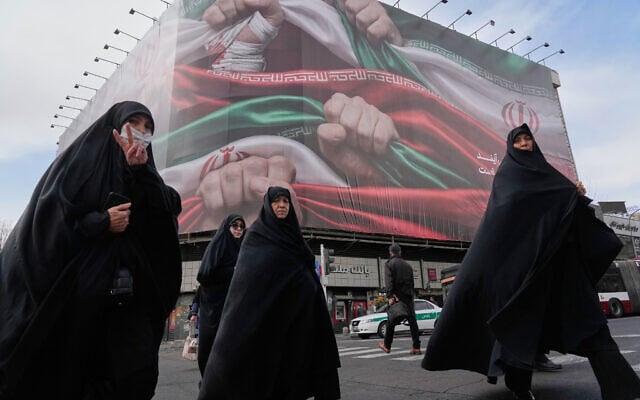
The nationwide protests challenging Iran’s theocracy appeared to be smothered Thursday, a week after the regime shut the country off from the world and escalated a bloody crackdown that activists say killed thousands.
In Tehran, witnesses say recent mornings saw no new signs of bonfires lit the night before or debris in the streets. The sound of gunfire, which had been intense for several nights, has faded.
Meanwhile, Iranian state media announced wave after wave of arrests by authorities, targeting those it calls “terrorists” and also apparently looking for Starlink satellite internet dishes, the only way to get videos and images out to the internet.
“Since January 8, we saw a full-fledged war and anybody who was in the gathering since then is a criminal,” said Justice Minister Amin Hossein Rahimi, according to a report Wednesday from the judiciary’s Mizan news agency.
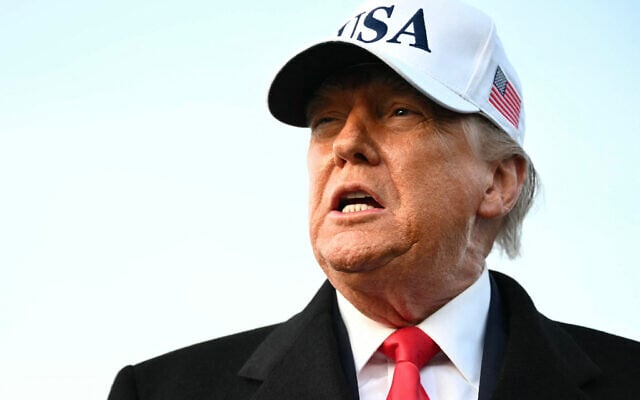
But there are multiple indications that the threat of mass executions after the protests is receding. Iranian state media on Thursday reported that Erfan Soltani, 26, a man who was due to be executed, would not be given the death sentence. US President Donald Trump said he had been told that killings in the regime’s crackdown were subsiding.
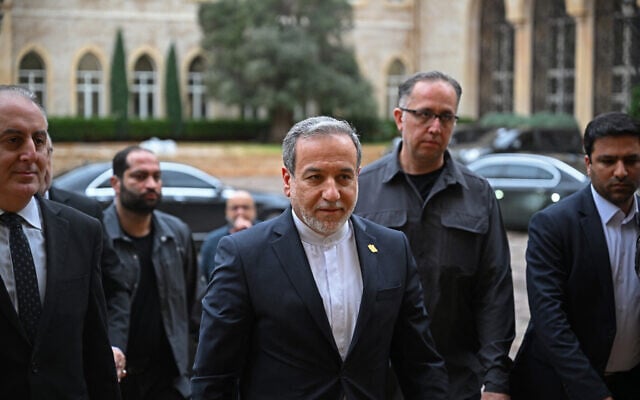
Iranian Foreign Minister Abbas Araghchi said on Wednesday there would not be any “hanging today or tomorrow,” despite earlier vows from Tehran to fast-track trials for protesters. He said that the regime was back in “full control.”
The activity followed days of speculation over whether Trump would follow through on threats to strike Iran in response to the killings of thousands of protesters. Trump’s comments about the easing of killings may have implied a hold-off on military action, even as the US evacuated some of its personnel from a military base in Qatar that Iran bombed last year. An NBC report, citing a US official, said Trump would want any strike to be “definitive.”
Amid the uncertainty, Iran closed its airspace to commercial flights for hours on Wednesday night, but reopened it Thursday morning.
The apparent receding of chances for a strike prompted a fall in oil prices.
The UN Security Council was due to meet over the demonstrations later Thursday, as countries in the region urged stability.
Estimates of the death toll range from under 3,000 to over 12,000. A days-long shutdown of the internet by the Iranian regime meant that information about the protests and violence was hard to access and verify. Iran and its Western foes have both described the unrest as the most violent since the 1979 Islamic Revolution that installed Iran’s system of Shiite clerical rule.
Earlier this week, rights organization Hengaw reported that the protester, Soltani, arrested in connection with demonstrations in the city of Karaj, was due to be executed on Wednesday. However, on Thursday, Iranian state media said that while Soltani was being charged with “colluding against the country’s internal security and propaganda activities against the regime,” the death penalty does not apply to such charges if they are confirmed by a court.
The human rights group said there were “serious and ongoing concerns” regarding Soltani’s life.
In an interview with Fox News, Araghchi said on Wednesday that “there is no plan” by Iran to hang people “today or tomorrow,” when asked about the protests.
“There is no plan for hanging at all,” he said. “Hanging is out of the question,” he added.
Araghchi claimed in the interview, without citing evidence, that the violence surrounding the protests was the result of an “Israeli plot.”
Earlier Wednesday, Gholamhossein Mohseni-Ejei, Iran’s judiciary chief, had said the government must act quickly to punish more than 18,000 people who have been detained, through rapid trials and executions. Mohseni-Ejei’s comments about rapid trials and executions were made in a video shared by Iranian state television.
“If we want to do a job, we should do it now. If we want to do something, we have to do it quickly,” he said. “If it becomes late, two months, three months later, it doesn’t have the same effect. If we want to do something, we have to do that fast.”
Tensions escalated on Wednesday, as Iran said it had warned neighbors it would hit American bases in the region in the event of US strikes, and a US official said the United States was withdrawing some personnel from bases in the region. Several Western officials had said US military intervention could be imminent.
The NBC report also said that Trump was due to be presented that day with different military options designed to achieve goals that he had outlined during a briefing with his national security team a day earlier.
Qatar said drawdowns from Al Udeid air base, the biggest US base in the Middle East, were “being undertaken in response to the current regional tensions.” Iran launched missiles at Al Udeid last year in response to US airstrikes on its nuclear installations during the 12-day war between Israel and Iran.
But Trump then said he’d learned that the killings were being halted.
“We have been informed by very, very important sources on the other side, and they said the killing has stopped, and the executions won’t take place,” Trump said.
Trump said it was possible the government in Tehran could fall due to the protests, but that in truth “any regime can fail.”
“Whether or not it falls or not, it’s going to be an interesting period of time,” he said.
Trump’s comments on Wednesday led oil prices to retreat from multi-month highs, and gold eased from a record peak on Thursday.
According to the report in NBC News, Trump told his top national security aides that he wanted any military action against Iran to deal a swift and decisive blow to the regime while not triggering an extended conflict that lasts for weeks or months.
Citing a US official and people familiar with the matter, the broadcaster said that Trump’s advisers had not been able to guarantee that the Islamic Republic would swiftly fall if struck by the United States, and also cited concerns that they don’t have the military assets in place across the Middle East to defend against an Iranian response.
Therefore, if Trump does decide to attack, he could initially greenlight more limited strikes on Iran, while keeping open the possibility of later escalation, according to the report, which described the situation as quickly evolving and stressed that no decision had been made.
The sources quoted in the report emphasized, however, that Trump is prepared to follow through on his repeated pledge that the US is coming to the aid of anti-government protesters.
“If [Trump] does something, he wants it to be definitive,” one of the people told NBC.
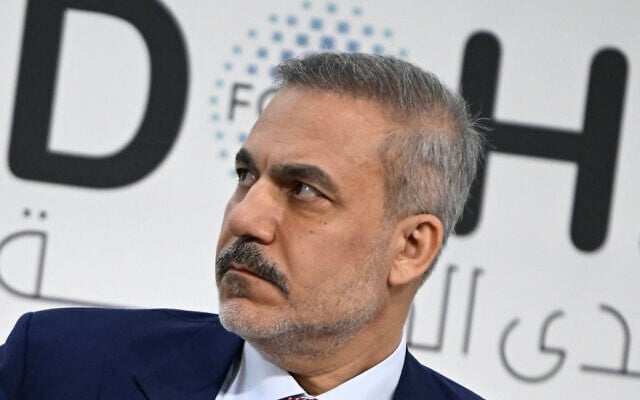
The UN Security Council scheduled an emergency meeting on Iran at the request of the United States on Thursday afternoon.
Saudi Foreign Minister Prince Faisal bin Farhan held a phone call with Araghchi on Thursday to discuss regional developments and ways to support security and stability in the region, Saudi state media reported.
And Turkey’s top diplomat on Thursday called for dialogue to resolve the crisis. “Hopefully, the United States and Iran will resolve this issue among themselves — whether through mediators, other actors, or direct dialogue,” Foreign Minister Hakan Fidan told journalists in Istanbul.
Iran’s airspace closure began overnight Wednesday and ran for over four hours, according to pilot guidance issued by Iran, which lies on a key east-west flight route. International carriers diverted north and south around Iran, but after one extension, the closure appeared to have expired and several domestic flights were in the air just after 7 a.m. Thursday (5:30 a.m. Israel time).
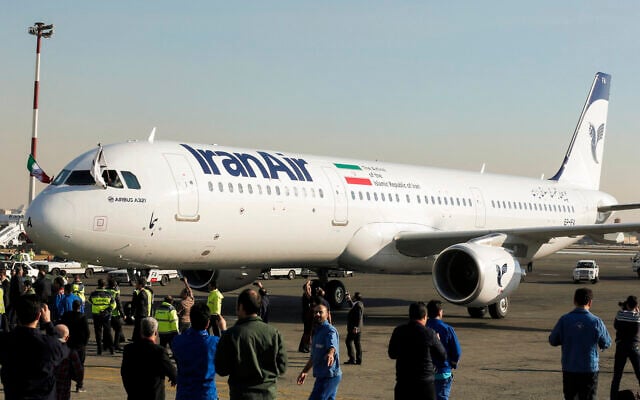
Around midday, Iranian state television carried a statement from the country’s Civil Aviation Authority saying that the nation’s “skies are hosting incoming and outgoing flights, and airports are providing services to passengers.” It did not acknowledge the closure.
Iran previously shut its airspace during the 12-day war against Israel in June, and when it exchanged fire with Israel during the Israel-Hamas war.
Website SafeAirspace said that, nonetheless, the situation continued to affect aviation.
“Several airlines have already reduced or suspended services, and most carriers are avoiding Iranian airspace,” said the site, which provides information on conflict areas and air travel. “The situation may signal further security or military activity, including the risk of missile launches or heightened air defense, increasing the risk of misidentification of civil traffic.”










The Times of Israel Community.