

95% of former COVID patients suffer no irreversible damage, Israeli study finds
Shaare Zedek hospital finds 94% still report symptoms three months on, notably shortness of breath, but most symptoms disappear within six months
 Add ToI as a Preferred Source on Google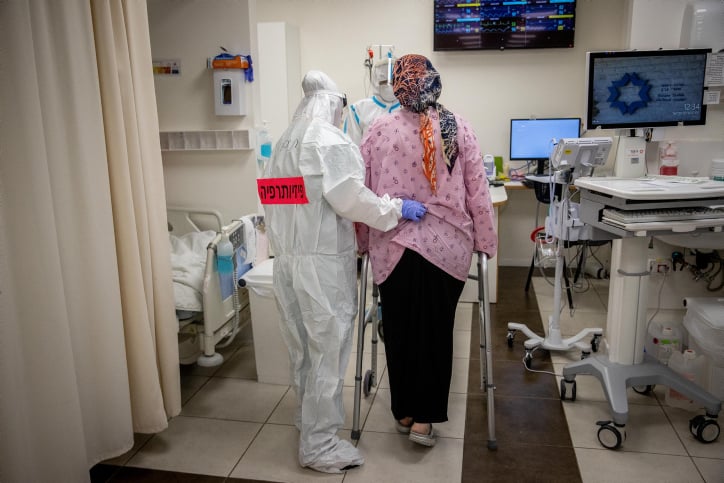
A new Israeli study released Tuesday indicates that 95 percent of recovered COVID-19 patients do not suffer any irreversible respiratory or cardiac damage, helping to answer one of the key questions about the disease that has infected more than 100 million people worldwide.
The study of 166 recovered COVID-19 patients, conducted by Jerusalem’s Shaare Zedek Medical Center, found that 94 percent still reported symptoms three months on, notably shortness of breath, though most symptoms disappeared within six months.
“We can cautiously report that based on our study, the majority of symptoms passed within a period of three to six months,” said Professor Gabriel Izbicki, director of the Pulmonary Institute at Shaare Zedek.
“Almost all of the patients we studied after six months reported a marked improvement in their overall condition, and the test results reflected that. We found that regular fitness activities three to four times a week were direct contributors to helping the patient recover that much more quickly,” he said.
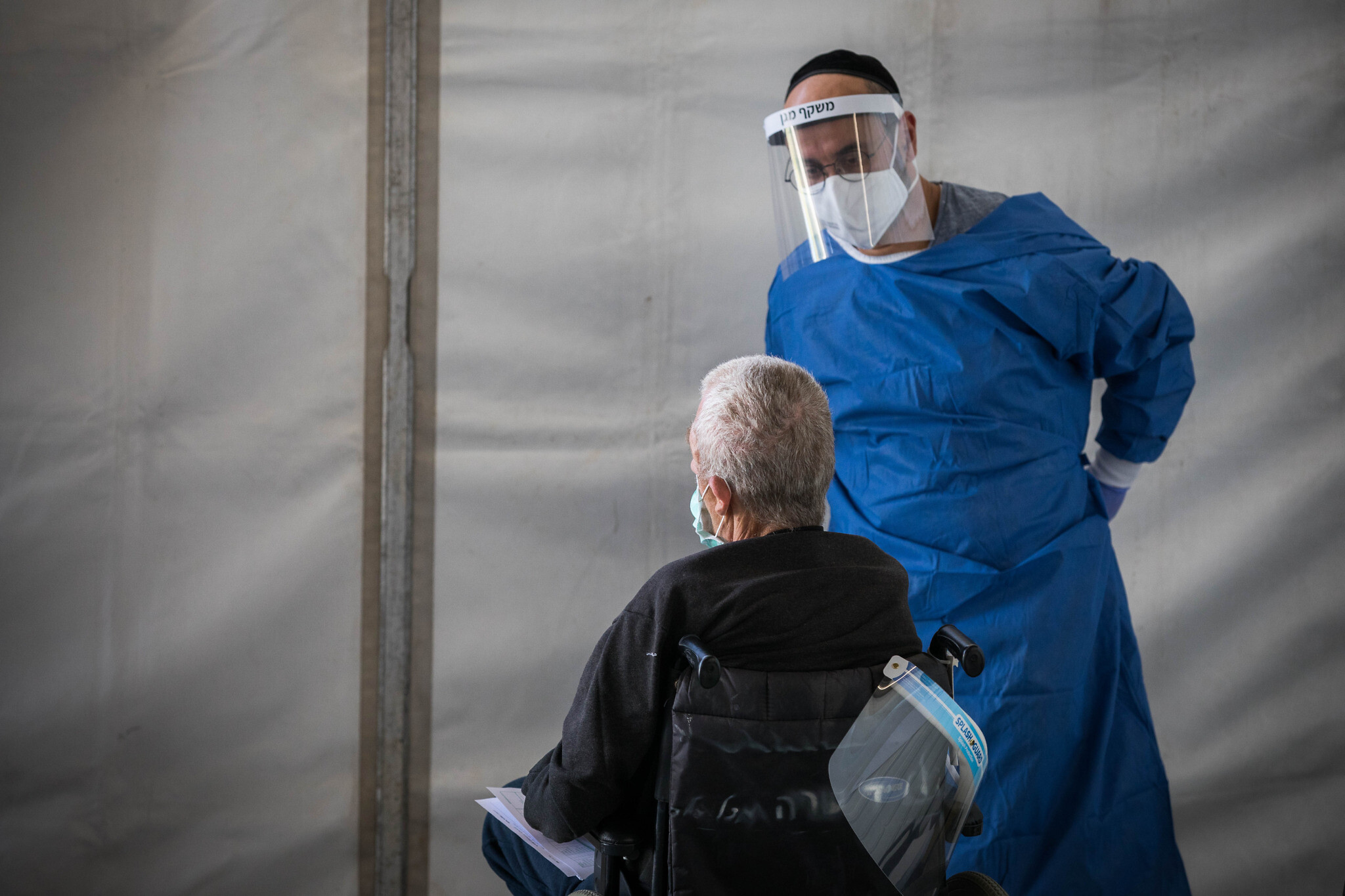
The data showed that at three months after recovery, the most prevalent lasting symptom was shortness of breath, found in 57% of the patients.
In addition, 55% of patients reported overall weakness, 25% reported a sustained cough and 18% reported chest pains. Another 11% still complained of a loss of taste and smell, while 8% exhibited neurological symptoms such as dizziness or weakness in the limbs.
The study, which has not yet been peer-reviewed, included patients from ages 18 to 86 in light, moderate and serious condition.







The Times of Israel Community.