

Jerusalem dance event struggles with boycott pressures, but moves ahead
Jerusalem Solo International Dance Festival will celebrate five years, hosting 17 artists from 11 countries
 Add ToI as a Preferred Source on Google
Jessica Steinberg, The Times of Israel's culture and lifestyles editor, covers the Sabra scene from south to north and back to the center
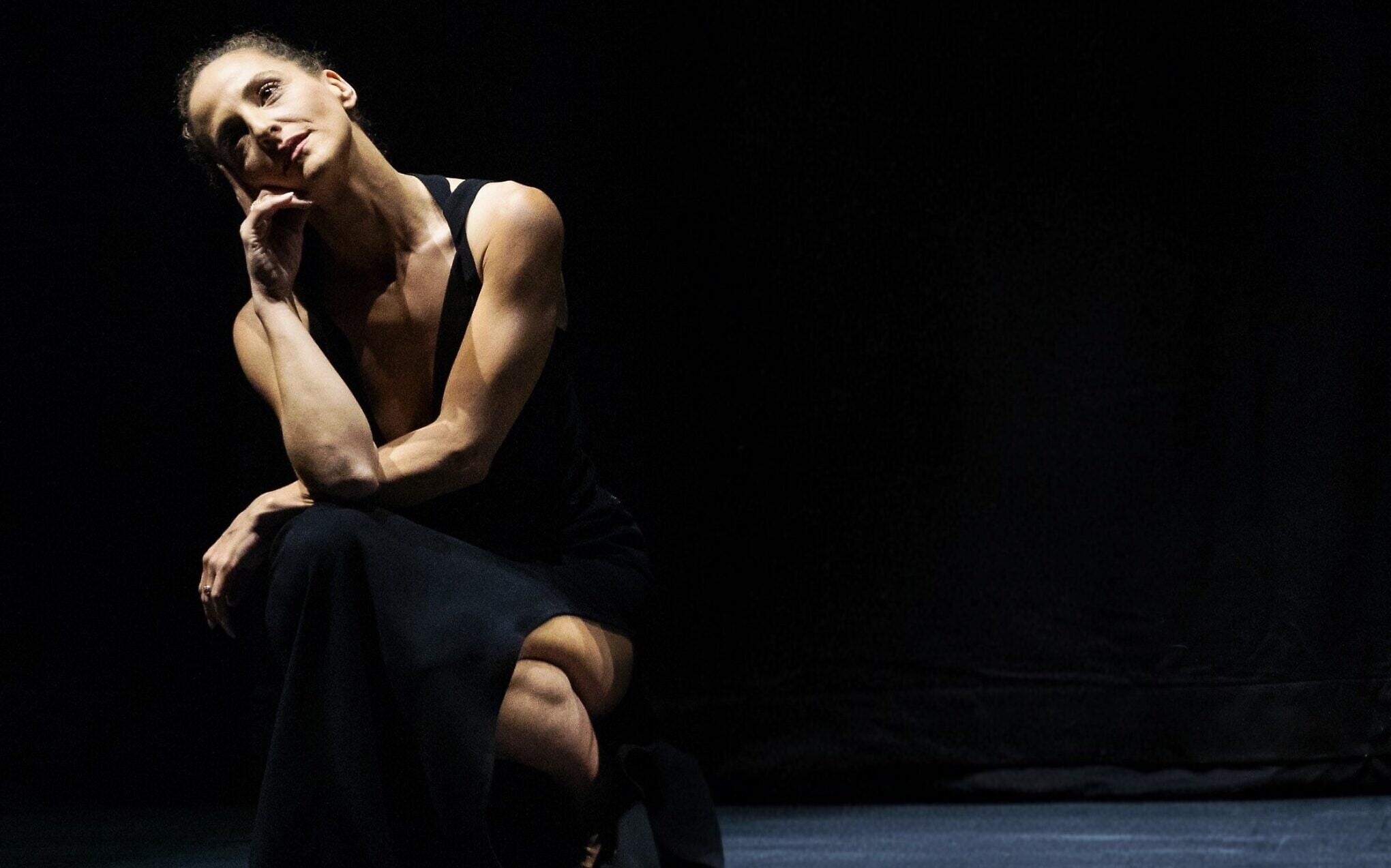
Ahead of the Jerusalem Solo International Dance Festival’s opening next month, artistic director Miriam Engel knows how complicated it was to convince international performers to visit at a time when many artists are boycotting Israel.
“It’s pretty much a miracle,” said Engel of the event, which will run from September 15-19 at Jerusalem’s Hansen House and Greek House. “It’s a little, fire-breathing dragon of a festival that’s still happening.”
The festival is now in its fifth year. During the first few years, Engel could choose among several hundred solo artists from more than half a dozen countries.
After the October 7, 2023, Hamas-led terrorist attack and the harsh global reaction against Israel over the subsequent war in Gaza, Engel received far fewer responses to her calls for international performers.
But ultimately she managed to secure the participation of 17 dancers from 11 countries, with eight of them taking part in residencies of a few weeks.
There were 20 guest artists in 2025, with 25 participating the year before.
“It requires a lot of personal legwork,” said Engel.
She described Zoom calls and conversations with fellow choreographers and dancers who have different reactions: those who fear for their safety, those who anticipate a war zone in Israel, and those who want to come but are concerned about how it would be viewed in their home communities.
“We’re a professional festival; I tell them that I don’t represent the State of Israel,” said Engel. “I tell them that this festival represents the artists, and since we’re so isolated in the world, their attendance is a salve for us.”
Engel said she encourages the participating artists to come and create works even if the works are critical of Israel, although that usually doesn’t happen.
“They come, and they meet fellow artists, and they experience our hospitality, and the overall sentiment is positive,” she said. “And there are lots of questions. There’s a mingling that happens, the German artist with the Jerusalemite, and the Taiwanese, and each brings their world. You look someone in the eye, and something happens.”
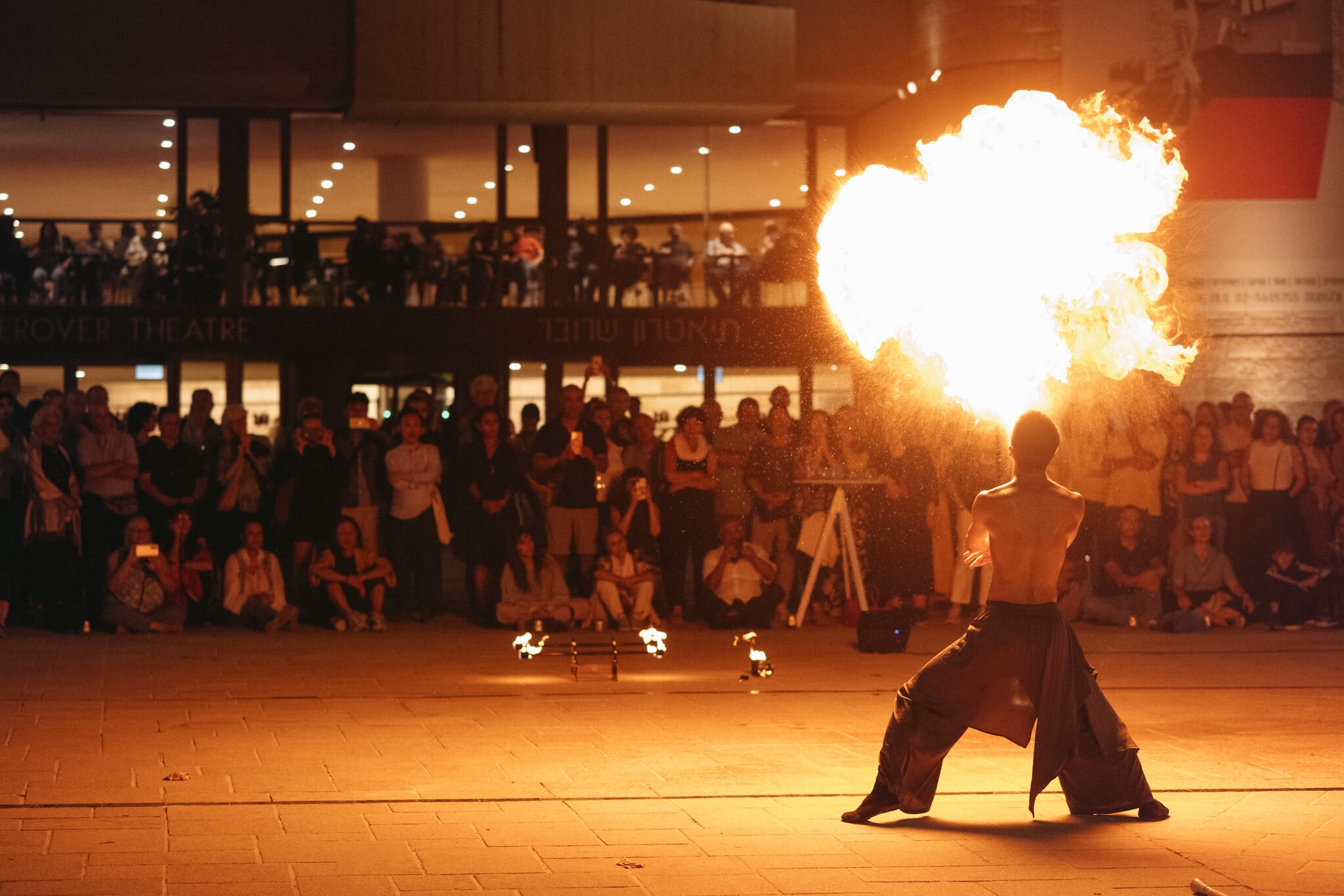
“To have radical empathy for both sides is to be an artist,” continued Engel. “I want them to come and see and do it here — it’s cultural diplomacy par excellence.”
It’s the concept behind any festival hosting international artists, but it’s become nearly impossible for local events to host guests given the growing antipathy toward Israel.
Another annual Jerusalem event, the four-week Israel Festival held in July and August, had to change its lineup this year when the artistic directors struggled to find visiting artists who agreed to come.
Sometimes it was the artists themselves who refused the invitation, or members of their entourage who didn’t want to associate with Israel.
Engel’s shorter, smaller event has the advantage of focusing on solo artists, which makes it a leaner endeavor, and ultimately less expensive for the artist, at least in terms of travel to Israel.
Engel established the four-day festival during the COVID-19 pandemic.
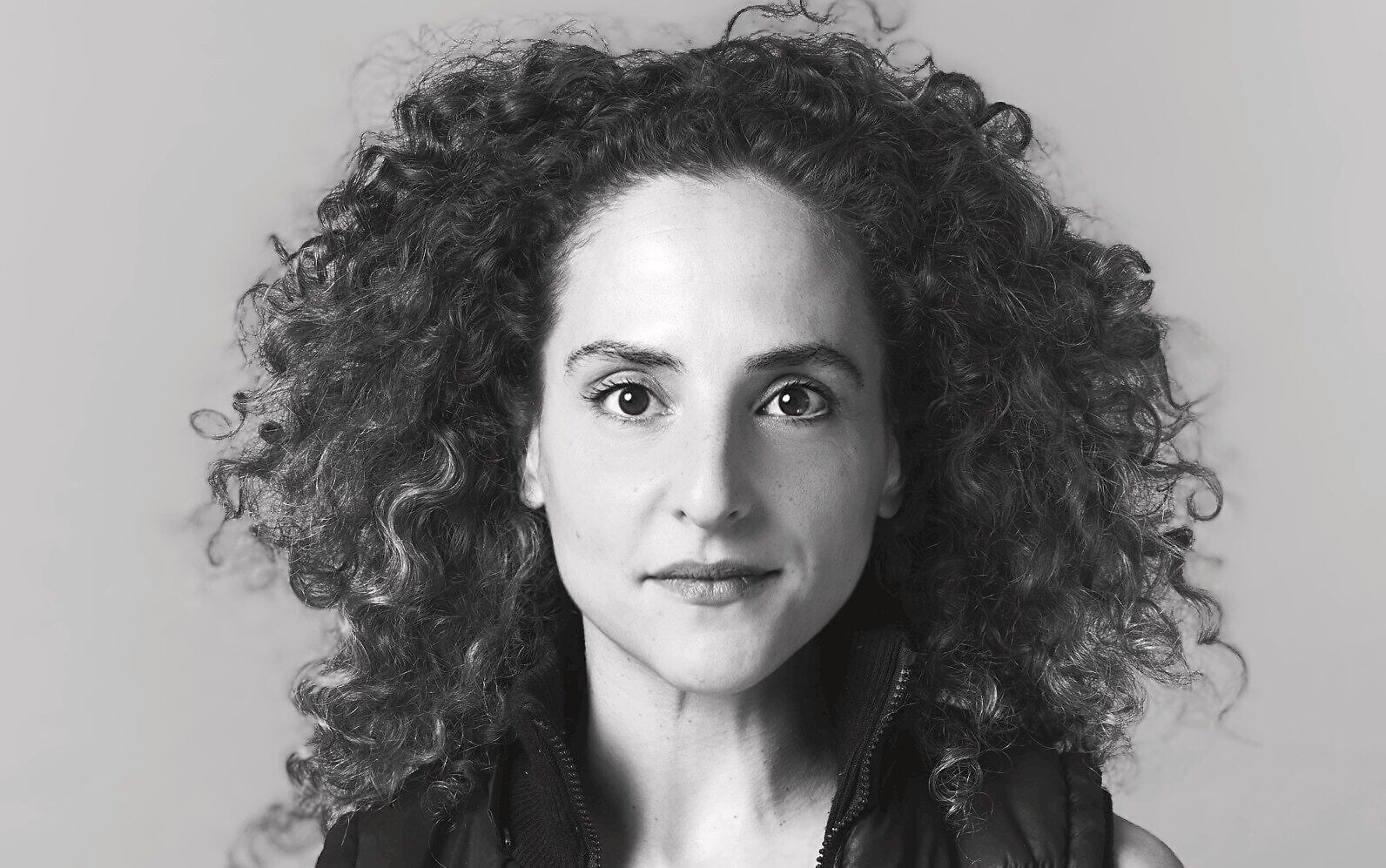
“During the coronavirus pandemic, every dancer had a solo dance they choreographed in the kitchen,” said Engel, who has been working as a solo artist for the last decade.
She started with the idea of bringing international performers to Israel, knowing that Israeli dance and Israeli choreographers are well recognized worldwide, but that Israel was hosting far less than it used to.
Engel puts together the entire event and, in addition to private funding, receives funds from the Ministry of Culture and Sport, the Jerusalem Municipality and the Jerusalem Foundation.
She feels the festival has become more meaningful because of the trauma of the last three years, which included the hostage crisis, two years of war in Gaza and the north, and the ongoing threat of missiles from Iran.
“I’m doing this festival not just for the aesthetics but to keep pushing myself forward,” said Engel. “We’re all holding on tightly to it.”
For tickets and more information, go to the JSIDF website.


The Times of Israel Community.