

Jerusalem deputy mayor apologizes for city strike
Meir Turgeman admits chaos caused by shuttered kindergartens and 3-day trash build-up was ‘out of control’
 Add ToI as a Preferred Source on Google
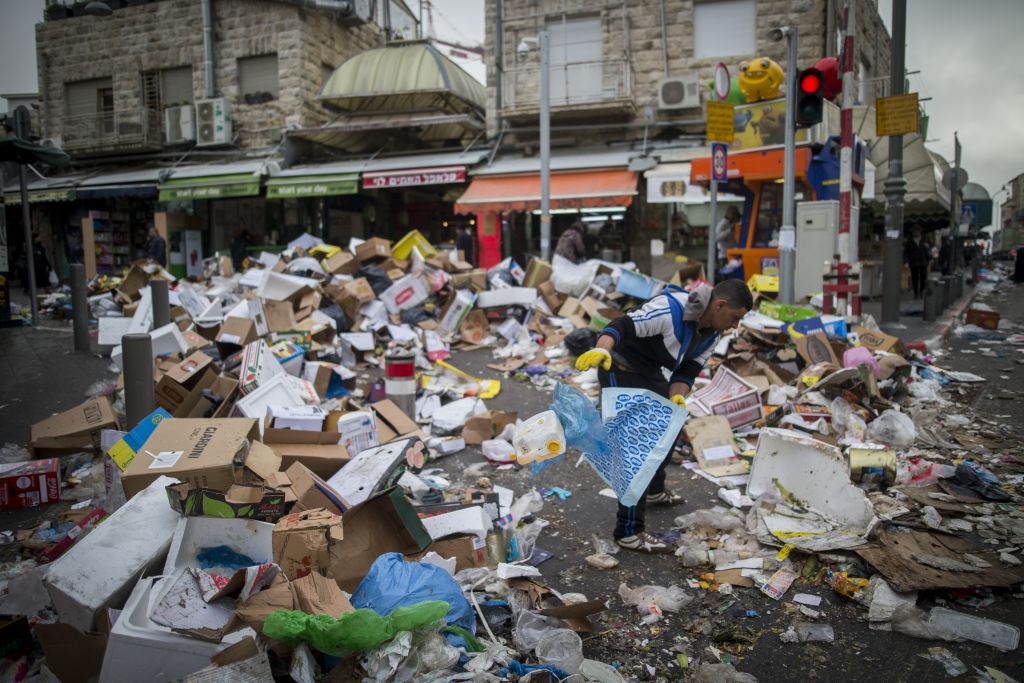
A deputy mayor of Jerusalem apologized Wednesday for a municipal strike that left mountains of garbage piling up on the capital’s streets and kept thousands of children home from kindergartens and daycare centers.
The strike was called by Mayor Nir Barkat, labor unions and municipal workers in a bid to pressure the Finance Ministry over a NIS 300 million (almost $80 million) funding gap in the national government’s 2017 budget for the city.
It ended after three days on Tuesday evening when Prime Minister Benjamin Netanyahu personally asked Barkat to stop the strike and invited him to join the next cabinet meeting so that he can tell ministers of his expectations from the government.
Deputy Mayor Meir Turgeman admitted during an interview with Army Radio that the strike had gotten out of control.

“No one imagined it would get to this point,” Turgeman said. “I am glad that the strike is over. The outcome was unexpected.”
“I want to apologize to the residents of Jerusalem, to the children who didn’t go to school, who didn’t go to kindergarten, who didn’t have after-school activities, I want to request forgiveness from them all.”
Turgeman explained that when city hall began the strike, he expected that Netanyahu and other ministers would immediately rally to support the capital.
“I waited someone big to become involved and bring us back to sanity,” he said.
As the strike progressed he began to receive angry phone calls from frustrated residents.
“I was very embarrassed,” he said.
The municipality had warned it would be forced to lay off hundreds of workers if a solution to the standoff between the city and the Finance Ministry was not found.
Garbage collection, and welfare and social services ground to a near halt in the city starting Sunday. On Monday, Jerusalem high schools and middle schools started at 10 a.m. and kindergarten afternoon programs were canceled altogether. On Tuesday, municipal daycare centers were shuttered across Jerusalem, though programs for special needs children continued normally.
The crisis came to an end after Netanyahu telephoned Barkat with a request to halt the strike.
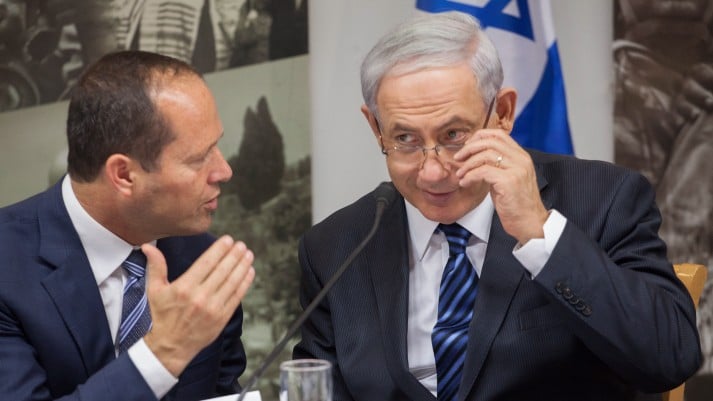
Jerusalem Minister Ze’ev Elkin thanked all those who helped in ending the standoff for their efforts.
“I thank the prime minister for his willingness to be involved in finding a solution to the crisis in Jerusalem, and congratulate Mayor Nir Barkat and director-general of the Finance Ministry Shai Babad on the decision to accept the outline plan that I proposed to end the strike,” Elkin said in a statement. “Now the residents of Jerusalem can go back to their normal lives and we can invest efforts in finding a solution to the budgetary shortfalls of the city.”
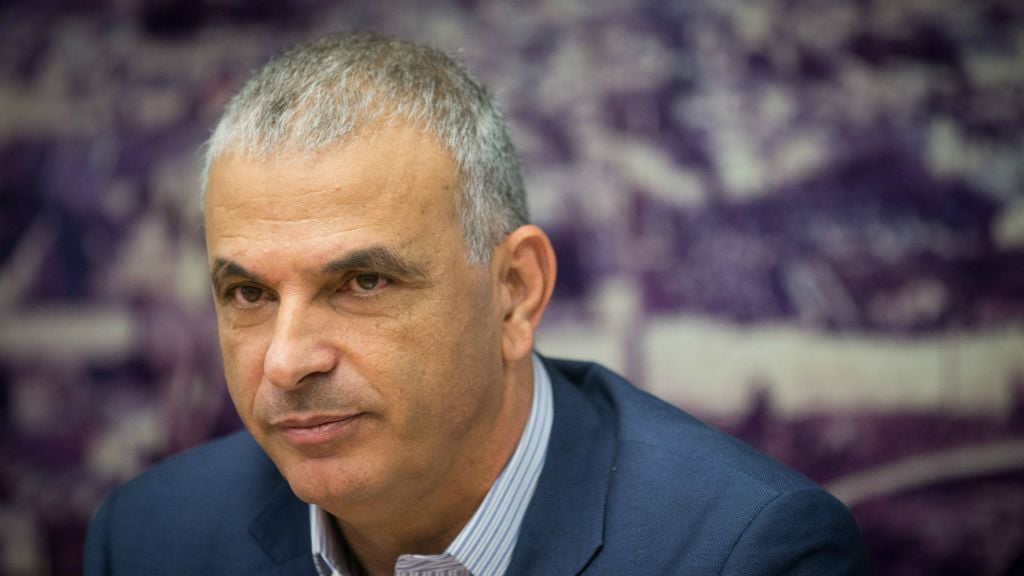
Barkat blamed the strike on the Finance Ministry, writing in a statement on the municipal Facebook account that any resulting layoffs or cuts in services would be the fault of Finance Minister Moshe Kahlon.
“The refusal of the Finance Ministry to transfer the funds that were promised to Jerusalem will lead to fatal damage to Israel’s capital,” Barkat said, adding that “this would be the direct responsibility of the finance minister.”
But the Finance Ministry maintains that the city’s lack of funds is a result of mismanagement, and asked Interior Minister Aryeh Deri to appoint a city accountant to stop the municipality from holding Jerusalem residents “hostage to foreign interests.”
In response, the municipality bitterly denied the accusations of mismanagement under Barkat and accused the treasury of waging a dishonest media campaign.
“We are sorry that the Finance Ministry uses lying media spin instead of strengthening the city. The challenges of the capital are the challenges of the country,” the municipality statement said.
While the strike affected the public in a myriad of ways, it will be most remembered for the large heaps of trash that piled up across the city streets.
On Tuesday, Channel 10 published footage on its Twitter feed of municipal workers scattering trash across the light rail tracks next to the bustling Mahane Yehuda market, in a deliberate attempt to disrupt the light rail’s operations in downtown Jerusalem.
תיעוד: אנשים מטעם עיריית ירושליים מפזרים אשפה על פסי הרכבת הקלה בעיר • @Yossi_eli >> https://t.co/4uvnWn6TkY pic.twitter.com/zr2fYmysMz
— חדשות 13 (@newsisrael13) January 31, 2017
In addition to letting trash go uncollected, sanitation workers placed garbage trucks around government offices in the city to disrupt traffic.
On Monday, dozens of garbage trucks were parked outside of the Knesset with signs reading “If I forget Jerusalem” hung on them, in reference to the famous psalm “If I forget thee, O Jerusalem, let my right hand forget its skill.”








The Times of Israel Community.