

Khomeini’s grandson said to get supreme leader’s nod for election run
Hassan Khomeini plans to throw hat into ring in bid for council that selects Ayatollah Ali Khamenei’s successor
 Add ToI as a Preferred Source on Google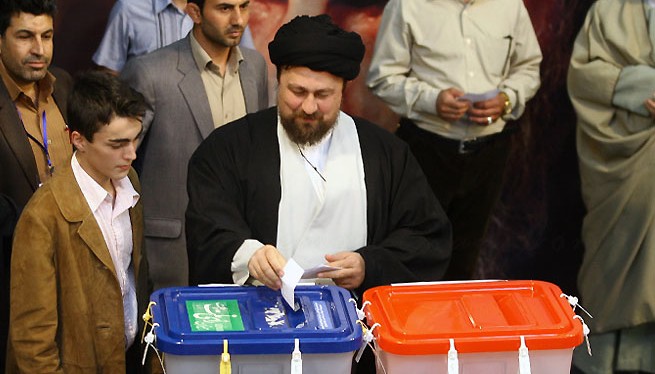
Hassan Khomeini, grandson of the founder of the Islamic Republic of Iran, is rumored to have the approval of Ayatollah Ali Khamenei for a run for the council that selects the supreme leader, Reuters reported Thursday.
Iran on Thursday started registering candidates for the influential clerical body that monitors the country’s supreme leader and picks a successor after his death.
The registration process is to last a week, while the elections for the 88-seat Assembly of Experts will be held on February 26, 2016, at the same time as Iran’s parliamentary elections.
Sources close to Khomeini told Reuters that the politically moderate 43-year-old plans to throw his hat into the ring, and received the approval of Khamenei in a meeting last week.
“There is no problem [with your nomination], only be careful not to damage Khomeini’s name and respect,” the source paraphrased Khamenei telling the grandson of Ayatollah Ruhollah Khomeini.
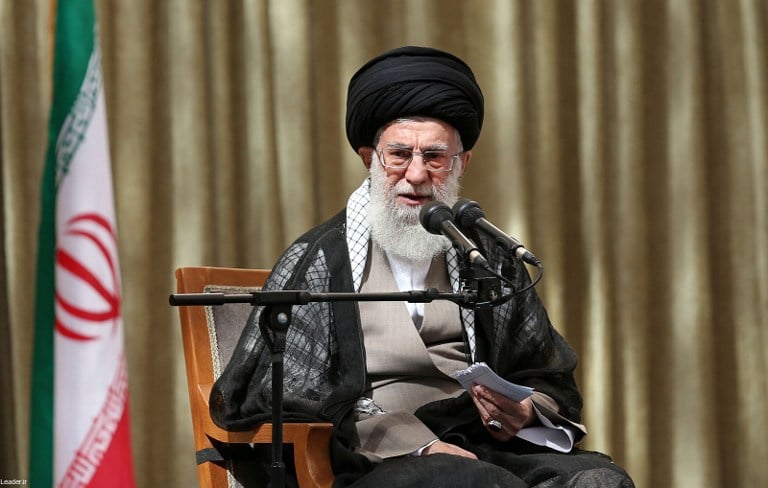
The assembly does not involve itself in daily affairs of state, but the fact that it picks a successor to the country’s supreme leader — who has final say on all matters in Iran — makes it potentially one of the most powerful institutions in the country.
Only senior clerics holding the religious title of Ejtehad, or jurisprudence, can be candidates for the Assembly of Experts. But like all other candidates, including those running for parliament, they have to be vetted by the Guardian Council, the country’s constitutional watchdog.
The assembly’s real job kicks in after the supreme leader is gone — a sort of Iranian version of the Vatican’s College of Cardinals when they gather to pick a new pope. The assembly has done that only once since the 1979 Islamic Revolution.
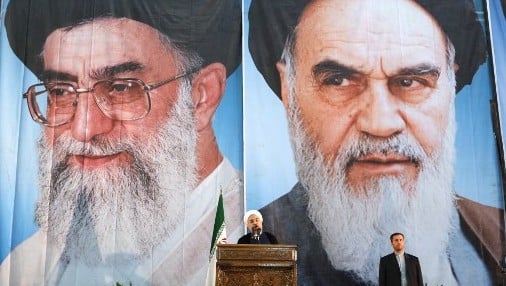
In 1989, it picked Khamenei to succeed the founder of Iran’s 1979 Islamic Revolution, the late Khomeini.
Former president Akbar Hashemi Rafsanjani and President Hassan Rouhani, both of them relative moderates and both current assembly members, are widely expected to field their candidacies for the body again.
Currently, hard-liners hold a majority of the assembly seats but Rafsanjani and other relative moderates have expressed hope they will populate the assembly more to gain a stronger say.
Rafsanjani said this week that an assembly committee has already begun compiling a list of potential candidates to succeed Khamenei, breaking a taboo on speaking openly about the top leader’s successor.
The 76-year-old Khamenei underwent prostate surgery in September 2014 and there were some reports at the time that his condition was critical. A month after the surgery, Khamenei’s official website, khamenei.ir, said he went hiking near Tehran.






The Times of Israel Community.