

Knesset narrowly passes first reading of massive 2-year budget
57 lawmakers support bill and 53 oppose it along party lines; ministers Aryeh Deri, Silvan Shalom, Gilad Erdan absent
 Add ToI as a Preferred Source on Google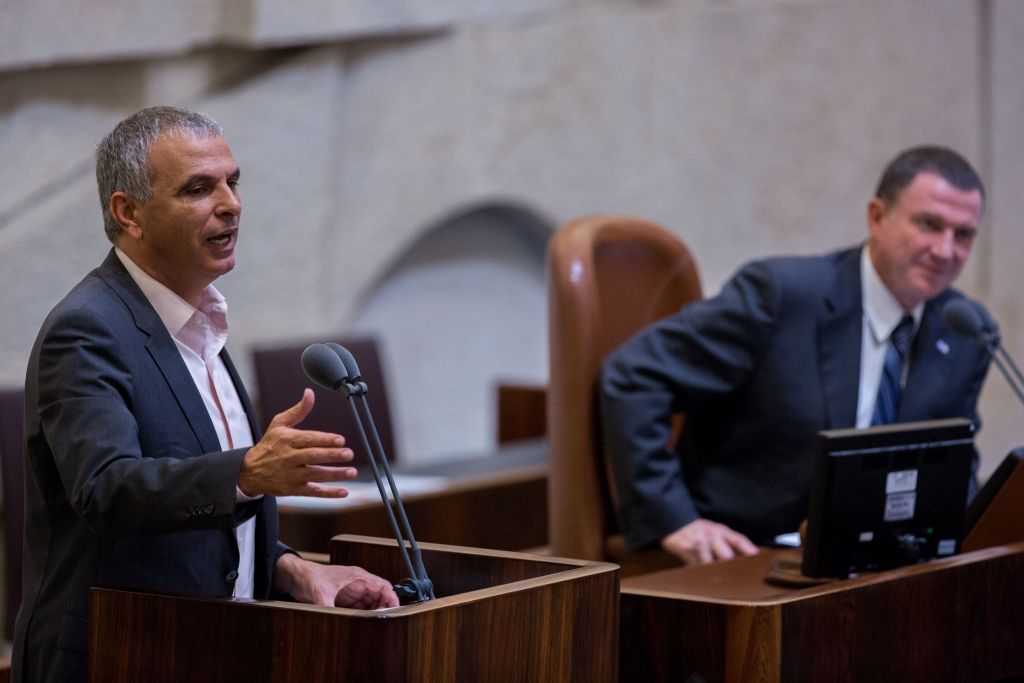
By a narrow margin, the Knesset on Wednesday night approved the first reading of a two-year budget bill.
In a special recess gathering, after hours of debates, lawmakers voted on the 2015-2016 budget proposal — called the largest ever — with 57 in favor and 53 opposed.
Economy Minister Aryeh Deri, Interior Minister Silvan Shalom, and Public Security Minister Gilad Erdan were not present at the vote.
The accompanying omnibus Arrangements Bill was also approved in a Wednesday night vote with the same distribution of votes.
The budget, as presented by the government, comes to some NIS 424.8 billion ($108 billion) annually, or NIS 41 billion ($10.4 billion) more than in 2014 and the largest ever in Israel’s history, according to the Hebrew daily Israel Hayom.
The new budget covers both 2015 and 2016 because the Knesset never passed a 2015 budget, as Prime Minister Benjamin Netanyahu announced new snap elections in December 2014.
The government’s spending since January has mostly been done by extending the 2014 budget on a month-by-month basis.
Earlier, Finance Minister Moshe Kahlon touted the new budget as the most socially conscious in Israel’s history.
“This is a budget that reflects an approach that says the budget serves society, rather than society serving the budget,” Kahlon said.
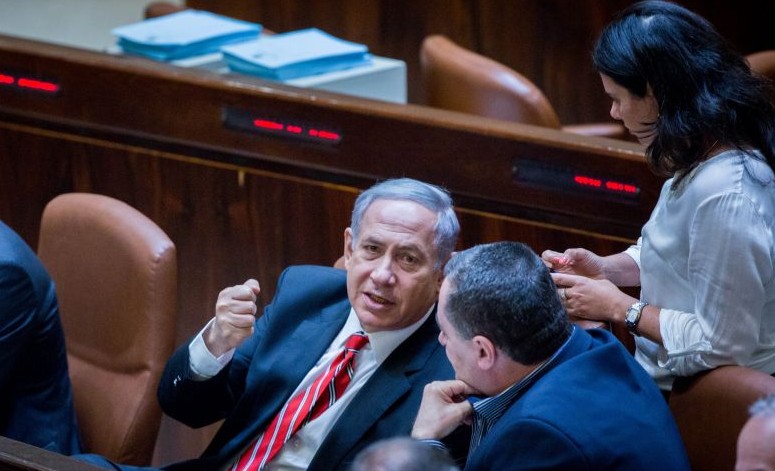
The vote took place along party lines, following a brief filibuster as the coalition waited for enough lawmakers to show up to ensure passage.
Opposition leader Isaac Herzog condemned the budget ahead of the vote, saying it fell short of campaign promises.
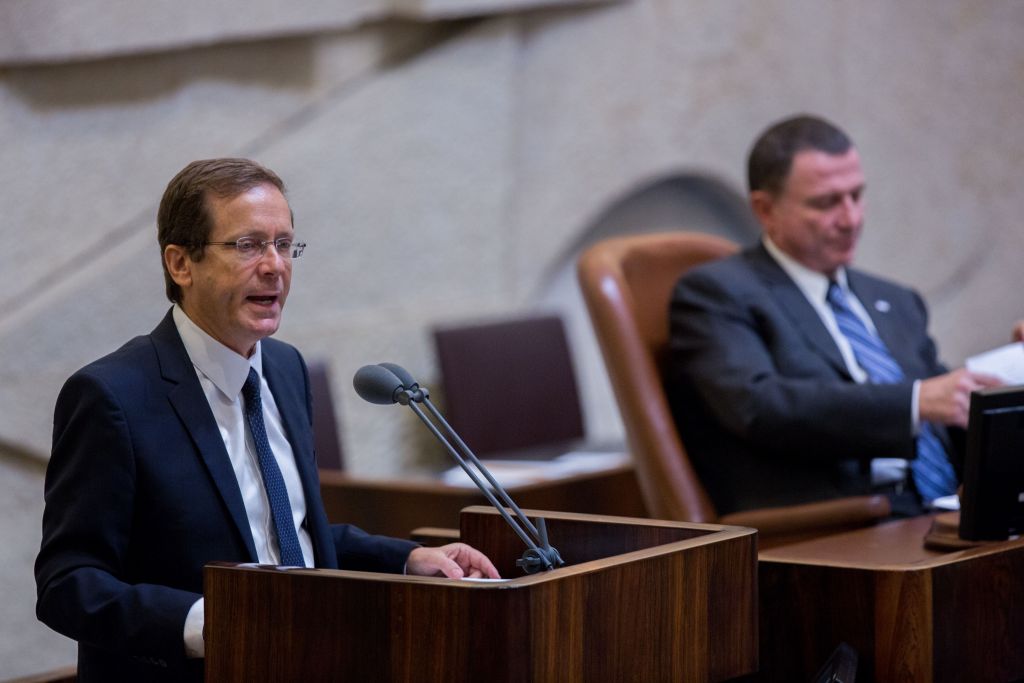
“I read the budget, and I ask the two of you, Netanyahu and Kahlon: for this you went to elections? You call this a budget? This is how you’ve translated the hope that you proposed to the nation during elections,” he asked.
If any part of the budget gets voted down, under law the Knesset must go to elections. It is not yet known when the second and third readings of the law will take place, but to avert new elections it must pass before November 19.
According to the Finance Ministry, the defense budget is set at some NIS 56 billion ($14.3 billion), several billions lower than the Defense Ministry’s request. Talks continue between the defense and finance ministries over the final defense budget, and over the treasury’s demand for significant reforms, including in the army’s manpower policies.
The National Insurance Institute, Israel’s primary state welfare agency, is slated to spend NIS 37 billion ($9.4 billion). The Health Ministry will spend NIS 29.2 billion ($7.4 billion); the Internal Security Ministry, the umbrella for the police and prisons, NIS 15 billion, of which roughly NIS 10 billion will go ti the police; the Welfare Ministry 6.4 billion; and local councils NIS 4.4 billion.







The Times of Israel Community.