

Liberman unveils ‘carrot and stick’ policy to combat terror, weaken Abbas
Defense minister reveals plan to punish hometowns of terrorists, while also improving direct contact with Palestinians
 Add ToI as a Preferred Source on Google
Judah Ari Gross is The Times of Israel's religions and Diaspora affairs correspondent.
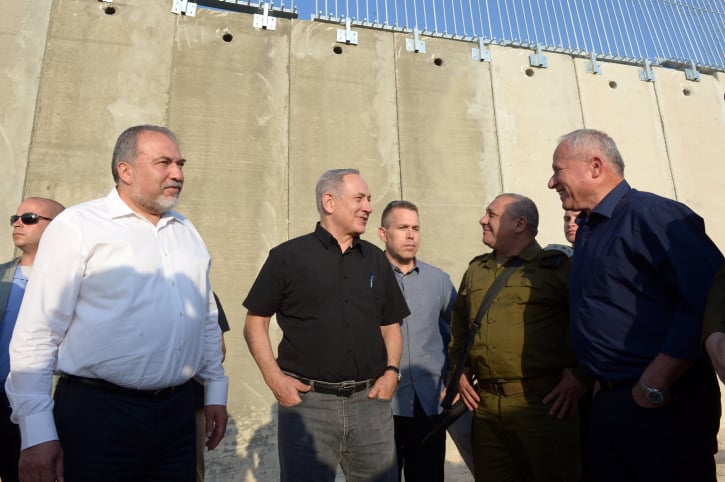
Defense Minister Avigdor Liberman unveiled a new plan on Wednesday to punish Palestinians who support terrorism, while making life easier for those who don’t.
Under the proposal, known as “The sticks, the hits and the carrots,” Liberman also intends to take some of the power away from Palestinian Authority President Mahmoud Abbas, whom Israel has long accused of recalcitrance over the peace process.
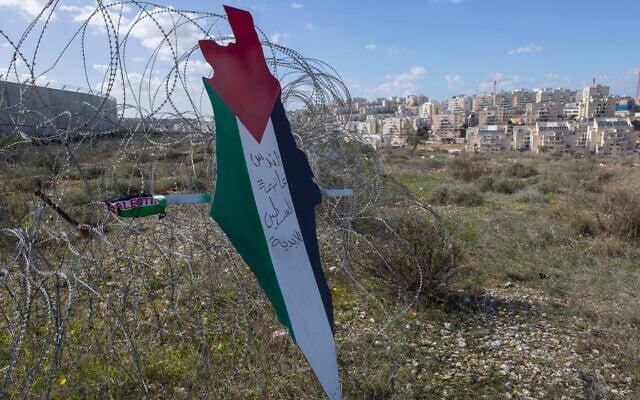
Palestinian villages in the West Bank from where attackers regularly emanate, which are marked in red on Liberman’s map, will face a series of consequences — which he referred to as “the burden of security” — including additional IDF presence in the area and increased enforcement of pre-existing laws.
The project is expected to cost NIS 400 million ($105 million) over the next two years, but Liberman said that was necessary in order for both Israelis and Palestinians to live in peace.
“No one wants a Molotov cocktail thrown at them in the middle of the night and no one wants [soldiers] coming into their house in the middle of the night for searches and arrests,” Liberman said.
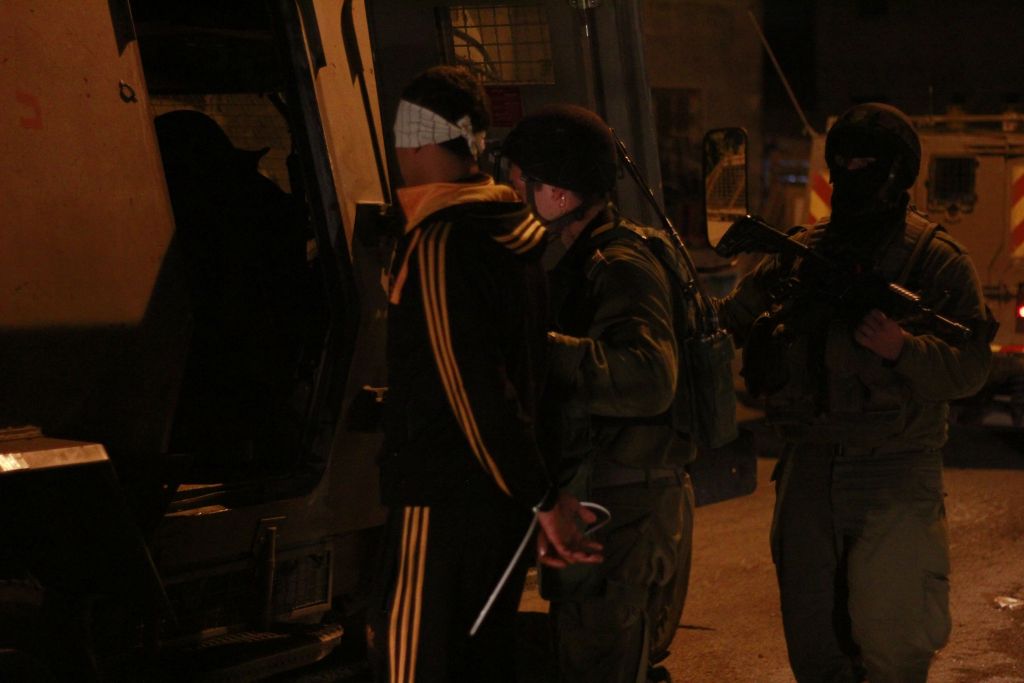
Liberman, who has in the past inquired into the possibility of deporting the families of terrorists, told reporters that the option was no longer on the table as it was “not legally tenable.”
The defense minister discussed at length his opposition to the practice of returning the bodies of terrorists to their families, which has put him at odds with Attorney General Avichai Mandelblit and the Shin Bet security service.
“It’s funny that you have two government offices with two different policies, and therefore I will bring up this topic again at the next cabinet meeting,” he said.
“If Mandelblit does not uphold the position of the High Court of Justice [to suspend the return of the bodies], I will do it myself. But if the Supreme Court decides otherwise, against my position, I will honor that as I have done in the past,” he said.
“I can disagree with the Shin Bet too,” Liberman added.
In response, Mandelblit said that the heads of the various security agencies had reviewed the issues and determined that there are no “security conditions” that “justify the total prevention of returning bodies.”
The carrot
While the name of the defense minister’s plan seemed to indicate that the proposal would also include benefits for Palestinians, few were listed.
The defense minister proposed allowing additional construction of an industrial park near Nablus, an economic corridor between Jericho and Jordan, along with some other general construction in the Palestinian cities that have not been the hometown of terrorists, which were marked in green on Liberman’s map.
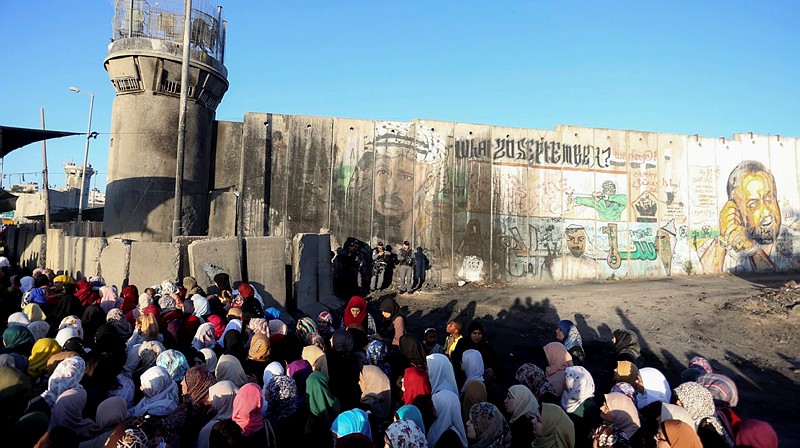
Another exception was the minister’s promise to improve the checkpoints between the West Bank and Israel. However, this move was initially proposed and approved by his predecessor Moshe Ya’alon in the days before he stepped down from the position.
Liberman has ordered the creation of an Israeli news site in Arabic for the population of the West Bank and Gaza, something he first proposed prior to becoming defense minister.
The website will cost approximately NIS 10 million and is expected to go live in January 2017, he said. It will be run by the Coordinator of Government Activities in the Territories, or COGAT, a unit of the Defense Ministry.
In an attempt to change the power dynamic in the West Bank, Liberman has also proposed removing some of the barriers of communication between Israelis officials and their Palestinian counterparts.
Today much of that exchange is approved by Abbas, something Liberman hopes to avoid in the future.
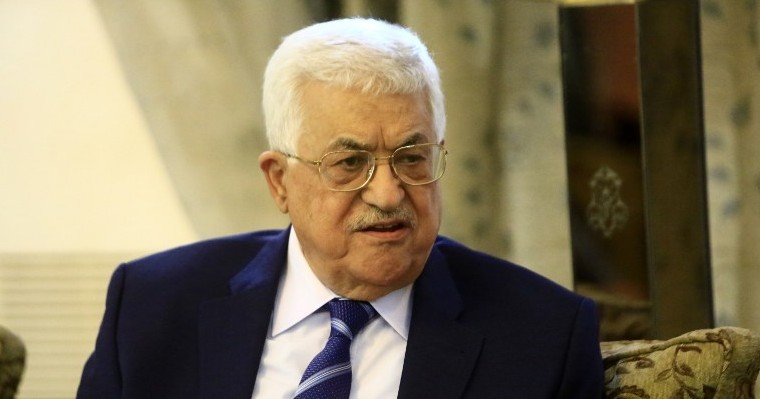
“An asymmetry has formed in the West Bank, in which Abu Mazen speaks freely with Israeli officials, but the opposite does not happen. Abu Mazen is an obstacle to an agreement,” Liberman said, using Abbas’s nom de guerre.
“We can hold a dialogue [with other Palestinian leaders in the West Bank] bypassing Abu Mazen as he is a barrier and is unhelpful,” Liberman said.








The Times of Israel Community.