

Live updates (closed)
 Add ToI as a Preferred Source on Google

The Times of Israel liveblogged Wednesday’s events as they unfolded.
Police: Bus driver says he was attacked by protesters before running over, killing teen
Police say the bus driver who ran over Haredi demonstrators in Jerusalem this evening, killing one, has said that prior to the incident he was attacked by rioters during the rowdy protest.
According to Channel 13 news and Walla, the driver had called police prior to say he was in danger.
Nine dead in clashes between Syria govt, Kurdish forces in Aleppo
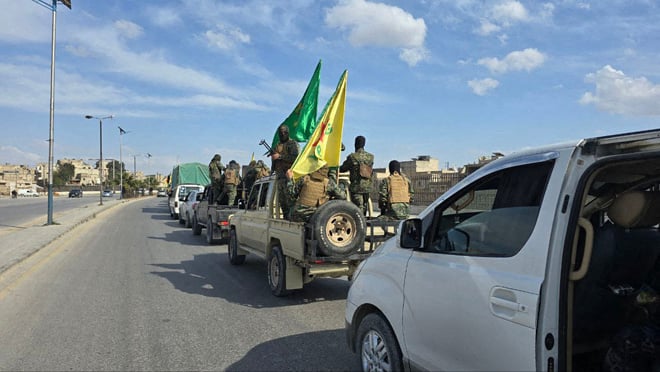
Illustrative: Vehicles carrying Kurdish fighters drive on a road as they leave two neighborhoods in Syria's northern city of Aleppo on April 4, 2025. (SANA / AFP)
Clashes between government troops and Kurdish-led forces in northern Syria’s Aleppo killed at least nine people today, mostly civilians, in one of the worst flare-ups between the sides in months.
The implementation of a March deal to merge the Kurds’ semi-autonomous administration and military into Syria’s new Islamist government has largely stalled.
Tensions have occasionally erupted into clashes, particularly in Aleppo, which has two Kurdish-majority neighborhoods.
Both sides traded blame over who started today’s fighting, which continued into the night and is among the deadliest violence between the government and Kurdish forces since the toppling of Bashar al-Assad more than a year ago. It also adds to concerns about progress on the integration deal.
Synagogue protest group to hold 2 rallies this week, in potential challenge for Mamdani
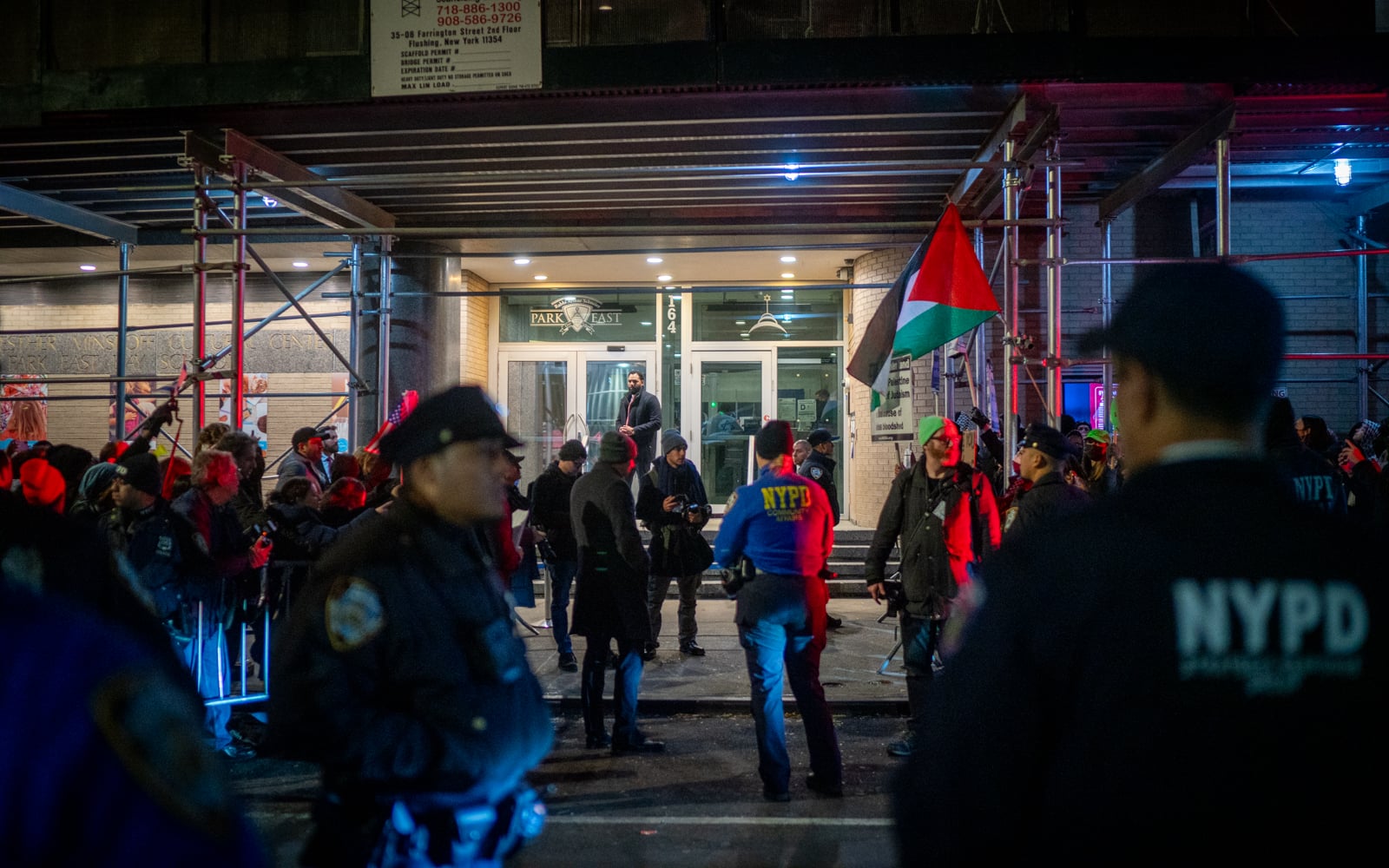
The entrance to Park East Synagogue, with dueling protesters on each side, separated by police, in New York City, November 19, 2025. (Luke Tress/Times of Israel)
An anti-Zionist activist group that held a caustic protest outside a synagogue in November announces two similar demonstrations this week, in a potential challenge for New York City Mayor Zohran Mamdani’s new administration.
The November protest, at Park East Synagogue in Manhattan, targeted an event held by Nefesh B’nefesh, a group that facilitates immigration to Israel.
The rally was organized by the activist group Pal-Awda and saw demonstrators hurl threats and discriminatory epithets toward Jews.
Pal-Awda announces two protests for this week — one against a Nefesh B’nefesh event tomorrow, and another against an Israel real estate event on Thursday.
The group says it will announce the locations on the day of the protests and it’s unclear if the rallies will take place at synagogues.
If the protests take place at synagogues and the Mamdani administration opts for a permissive approach to the protesters, it will likely anger mainstream Jewish groups, with whom Mamdani is already at odds. If authorities are more firm in their handling of the protests, it will likely upset Mamdani’s far-left base.
New York Governor Kathy Hochul said earlier today she will implement a policy establishing “safety zones” around houses of worship, but that policy will not be in place by the time of the protests.
White House says US military ‘always an option’ as European leaders reject Greenland takeover
The White House says that “US military is always an option,” even as a series of European leaders rejected President Donald Trump’s comments about seeking an American takeover of the world’s largest island.
Trump has floated since his first term the idea of purchasing Greenland, which is part of the kingdom of Denmark. But, after this weekend’s US military action in Venezuela, he’s renewed calls for the US to take over Greenland, citing strategic reasons.
“President Trump has made it well known that acquiring Greenland is a national security priority of the United States, and it’s vital to deter our adversaries in the Arctic region,” White House press secretary Karoline Leavitt says in a statement. “The president and his team are discussing a range of options to pursue this important foreign policy goal, and of course, utilizing the US military is always an option at the commander in chief’s disposal.”
That’s notable since Trump’s newly appointed special envoy to Greenland, as well as deputy White House chief of staff Stephen Miller, had suggested that military action wouldn’t be necessary. And asked Tuesday if he felt comfortable taking military action in Greenland, Republican House Speaker Mike Johnson said, “No. I don’t think it’s appropriate.”
Hardline Venezuelan security chief could be targeted next if US demands not met — sources

Venezuela's Interior Minister Diosdado Cabello delivers a speech during a women's rally in support of ousted Venezuelan President Nicolas Maduro and his wife Cilia Flores in Caracas on January 6, 2026. (Federico Parra/AFP)
The Trump administration has put Venezuela’s hardline interior minister on notice that he could be at the top of its target list unless he helps interim president Delcy Rodriguez meet US demands and keep order following the toppling of Nicolas Maduro, according to three people familiar with the matter.
Diosdado Cabello, who controls security forces accused of widespread human rights abuses, is one of a handful of Maduro loyalists that President Donald Trump has decided to rely on as temporary rulers to maintain stability during a transition period, says one source briefed on the administration’s thinking.
US officials are especially concerned that Cabello, given his record of repression and history of rivalry with Rodriguez, could play the spoiler and are seeking to force his cooperation even as they look for ways to eventually push him out of power and into exile, says the source, who speaks on condition of anonymity.
In the meantime, they have communicated to Cabello via intermediaries that if he is defiant, he could face a similar fate to Maduro, the authoritarian leader captured in a US raid on Saturday and whisked away to New York to face prosecution on “narco-terrorism” charges, or could see his life in danger, the source says.
But taking out Cabello could be risky, possibly motivating pro-government motorcycle groups, known as colectivos, to take to the streets, unleashing the chaos Washington wants to avoid. Their reaction may depend on whether they feel protected by other officials, however.
Also on the list of potential targets is Defense Minister Vladimir Padrino, who, like Cabello, is under a US drug trafficking indictment and has a multimillion-dollar bounty on his head, according to two sources.
“This remains a law enforcement operation, and we are not done yet,” says a US Justice Department official, speaking on condition of anonymity.
US officials see Padrino’s collaboration as crucial for avoiding a power vacuum due to his command of the armed forces. They believe he is less dogmatic than Cabello and more likely to toe the US line while seeking his own safe exit, the source briefed on administration thinking says.
Preliminary police probe finds bus driver was attacked before fatally running over Haredi teen
A preliminary police investigation found that the bus driver in Jerusalem was attacked by rioters who were blocking the road before he fatally ran over an ultra-Orthodox teenager and wounded several others, according to the force.
The driver was arrested at the scene by officers, according to a police statement, which says he was brought in for questioning to determine “the circumstances of the incident.”
“The Israel Police stresses that violent rioting, blocking traffic arteries and attacking vehicles cross a red line, endanger lives and could end in great tragedy,” says the statement.
Saudi-led coalition says it launched ‘limited’ strikes on UAE-backed separatists in Yemen
A Saudi-led coalition says that it has undertaken “limited preemptive strikes” in Yemen to stop UAE-backed secessionists from escalating the conflict.
The coalition also says in a statement that separatist leader Aidaros Alzubidi has “fled to an unknown location” having not boarded a plane that was supposed to take him to Saudi Arabia for peace talks.
Iran says it executed a man accused of spying for Israel
Iran executed a man accused of spying for Israel, the Iranian judiciary’s media outlet Mizan reports, naming the defendant as Ali Ardestani.
Entangled in a decades-long shadow war with Israel, Iran has executed many people it has accused of having links with Israel’s intelligence service and facilitating its operations in the country.
“The death sentence of Ali Ardestani for the crime of espionage in favor of the Mossad intelligence service by providing the country’s sensitive information was carried out after approval by the Supreme Court and through legal procedures,” Mizan says.
Executions of Iranians convicted of spying for Israel have significantly increased this year, following a direct confrontation between the two regional enemies in June, amid a 12-day war that included Israeli and US forces striking Iran’s nuclear facilities.
Nick Reiner to be arraigned in the killing of his parents, Rob and Michele Reiner
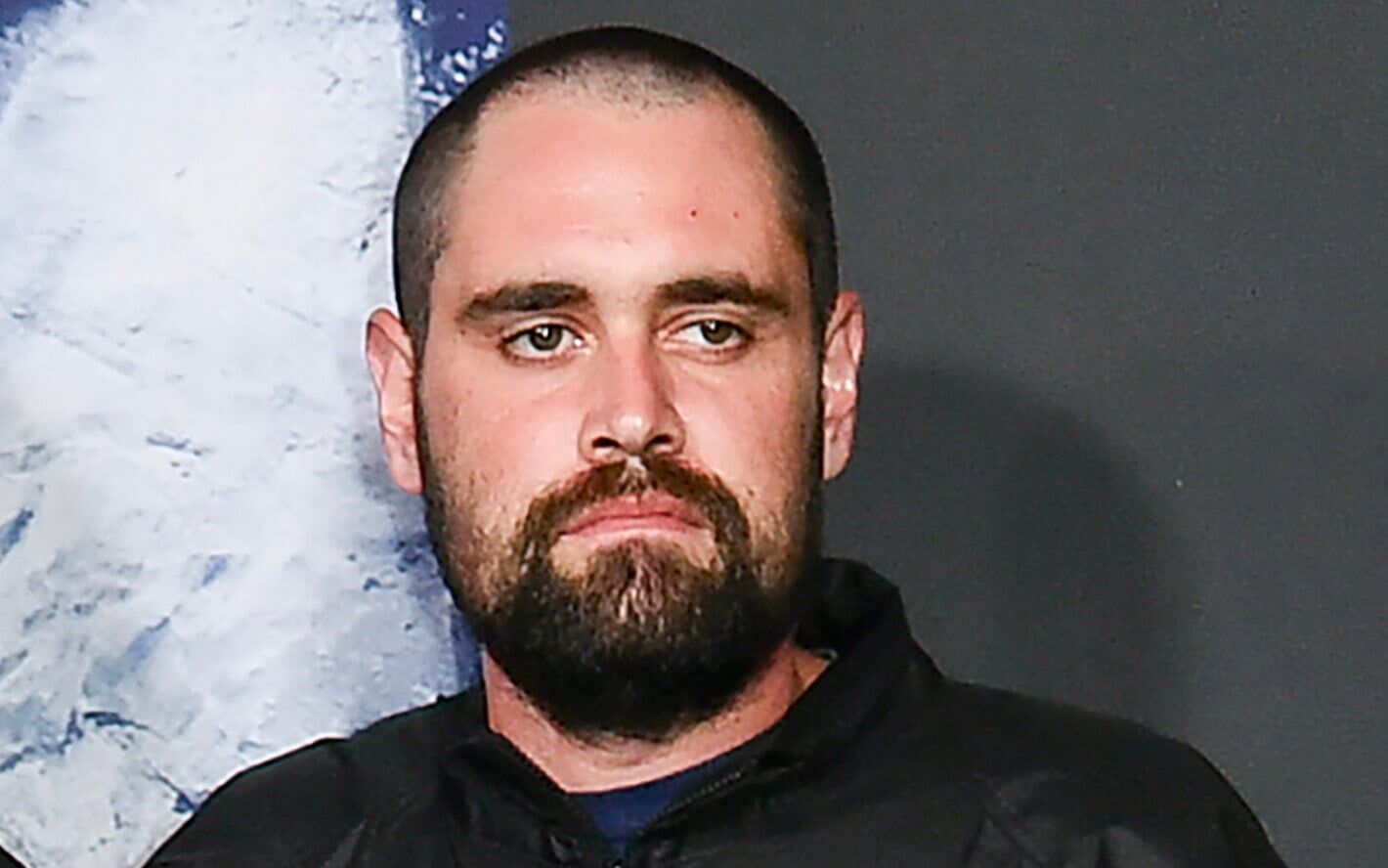
Nick Reiner arrives at the premiere of 'Spinal Tap II: The End Continues' on September 9, 2025, at The Egyptian Theatre Hollywood in Los Angeles. (Richard Shotwell/Invision/AP)
Nick Reiner is set to be arraigned and enter a plea today in the killing of his parents, Rob Reiner and Michele Singer Reiner.
His scheduled appearance in a Los Angeles Superior Court comes 3 1/2 weeks after the beloved actor-director and his wife of 36 years were found dead with stab wounds in their home in the upscale Brentwood section of Los Angeles, authorities said.
Nick Reiner, 32, the youngest of Rob Reiner’s four children, was arrested hours later, and has been held without bail since. He was charged two days later with two counts of first-degree murder. He did not enter a plea during a brief first court appearance Dec. 17, when he wore shackles and a suicide prevention smock.
His attorney, Alan Jackson, has given no indication of the plans for his defense. Nearly all defendants in criminal cases plead not guilty at this stage. Jackson could also ask for another delay before a plea is entered.
If Nick Reiner pleads not guilty, the case would normally head toward a preliminary hearing to determine whether there is enough evidence for him to stand trial. His mental competence for trial could also be a factor.
Three men shot dead in Shfaram as violent crime wave in Arab community persists
Three people are shot dead in the northern town of Shfaram, according to Hebrew media reports, as deadly violence in Arab towns continues to soar.
The three men are all reported to be in their 50s. The deaths are reported to be tied to a criminal dispute.
Yesterday, President Isaac Herzog called the rampant violent crime rocking Arab society a “national challenge” and blamed the issue on inequality.
Yemen separatist leader flees after he was accused of treason for secession attempt
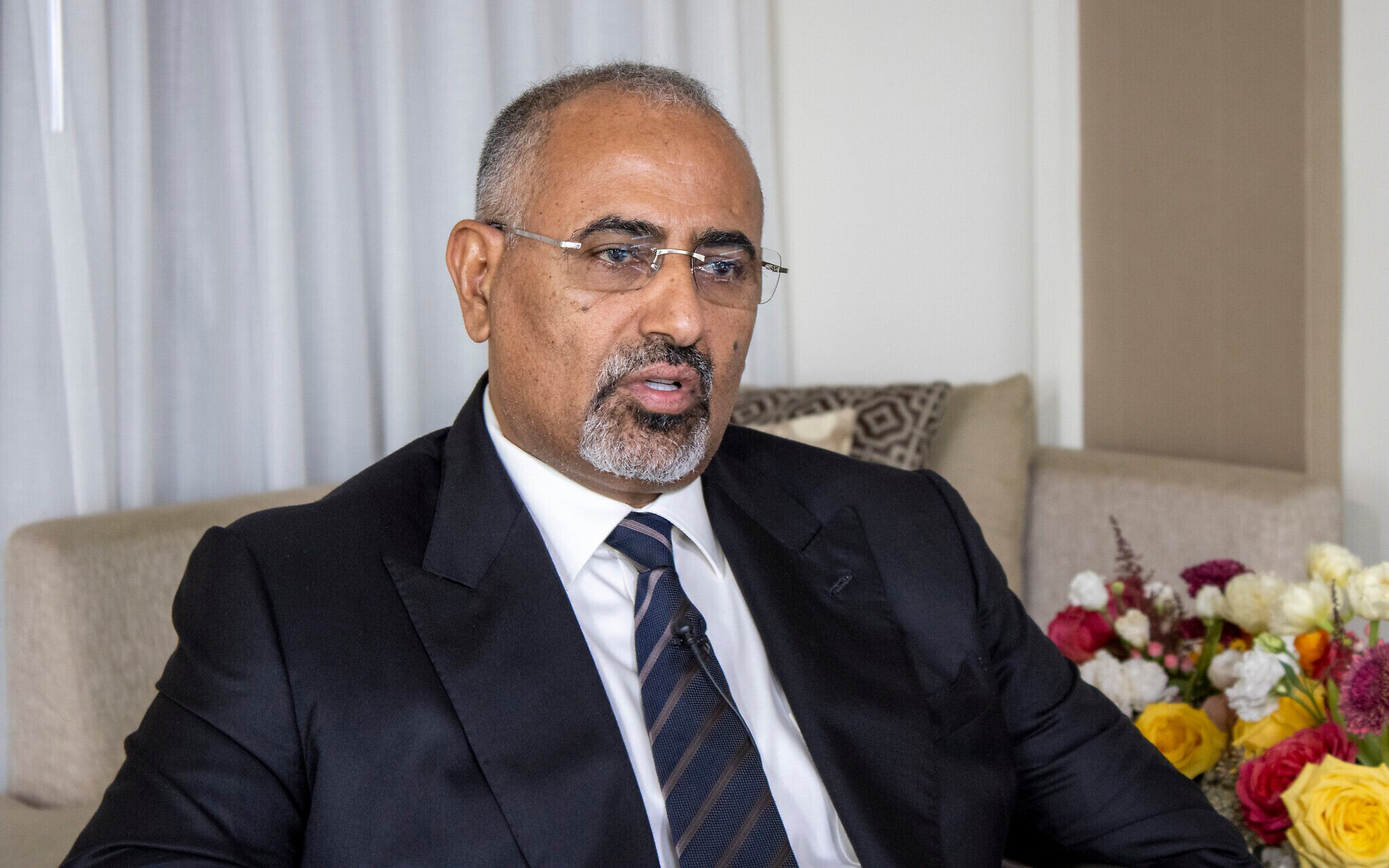
The president of the Yemen’s Southern Transitional Council Aidarous Al-Zubaidi sits for an interview, Sept. 22, 2023, in New York. (AP/Ted Shaffrey)
Yemen’s Saudi-led coalition attacks the home province of a UAE-backed separatist leader after he was kicked out of the presidency and accused of “high treason” for attempting to secede.
More than 15 airstrikes hit Dhale, home governorate of Aidaros Alzubidi, whose Southern Transitional Council grabbed swaths of territory last month before seeing the advance rolled back by the coalition and pro-Saudi forces. Four people were killed in the airstrikes, two hospital sources tells AFP.
Alzubidi fled and mobilized “large forces” in Yemen’s southwest, around Aden, after failing to attend talks in Riyadh, the coalition claims.
Alzubidi “fled to an unknown location… after he had distributed weapons and ammunition to dozens of elements inside Aden,” coalition spokesperson Major General Turki al-Maliki says in a statement.
The coalition carried out new strikes to prevent Alzubidi from “escalating the conflict” and extending it into Dhale governorate, he says.
Alzubidi had been due to travel to the Saudi capital Riyadh yesterday for talks aimed at easing the clashes. But his plane was delayed and he was not on board when it departed, the coalition said.
An STC official tells AFP that AlZubidi decided not to fly to Saudi Arabia after receiving information that he would be asked to dissolve the group, which forms part of the Presidential Leadership Council. The official says the delegation left for Riyadh without Aidaros.
In a statement, the Presidential Leadership Council, which holds executive power and groups rival factions, announces Zubidi’s removal, accusing him of high treason.
“It has been established that [AlZubidi] has abused the just cause of the South and exploited it to commit grave crimes against civilians in the southern governorates,” it says.
10 suspects arrested after medical student shot and killed in Negev
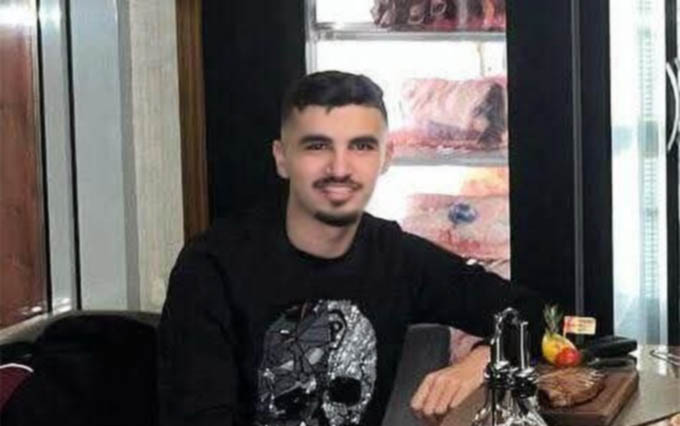
Mahmoud Jasser Abu Arar, a medical student killed in a shooting in Arara Banegev on January 7, 2026. (Facebook, used in accordance with Clause 27a of the Copyright Law)
A young man was shot and killed in the Bedouin village of Arara Banegev overnight, in what police believe is linked to a feud between families.
The victim, Mahmoud Jasser Abu Arar, is a 20-year-old medical student who had been studying in Georgia. He had just returned to his home in the Negev before being killed, Arabic media outlets report.
Paramedics found Abu Arar in critical condition and shuttled him to Soroka Hospital in Beersheba, but he soon succumbed to his wounds and was pronounced dead by medical staff.
Police say they have arrested 10 suspects in the deadly shooting, all residents of Arara Banegev. They add that from an initial examination, the shooting appears to be linked to a dispute between families.
Three other men were shot and killed in the northern city of Shfaram hours later, meaning a total of four people fell victim to homicide overnight as violent crime continues to soar in Arab society.
Last year was the deadliest year for Arab citizens of Israel on record, with 252 killed over the course of 2025.
Just a week into this year, 11 Arab citizens have been killed violently, setting a trend that surpasses even last year’s sky-high homicide rate.
4 protesters against judicial overhaul arrested for blocking road near Supreme Court in Jerusalem
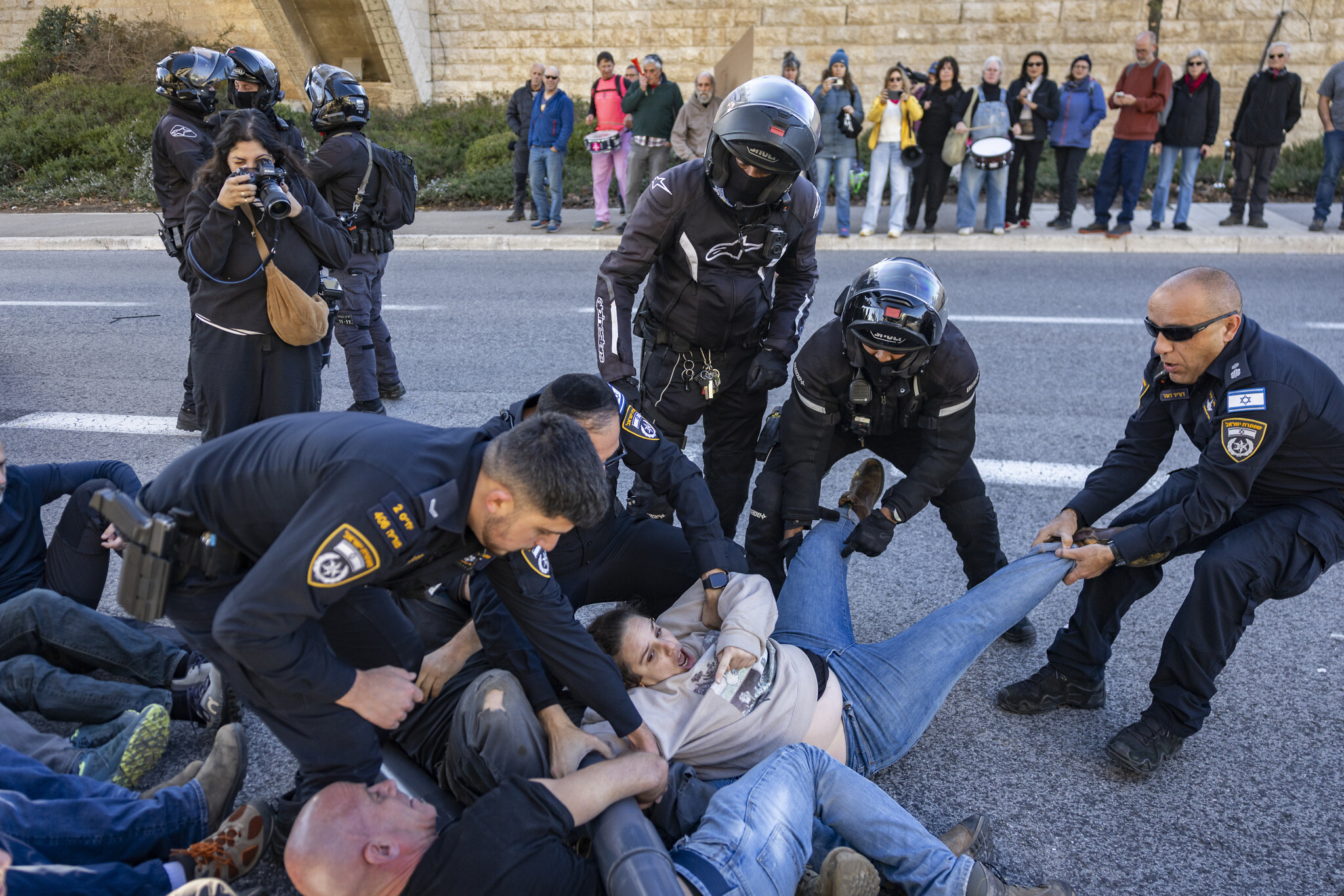
Protesters block a road and clash with police during a demonstration against the government outside the Supreme Court in Jerusalem, January 7, 2026. (Chaim Goldberg/Flash90)
Police have arrested four protesters blocking a road in Jerusalem during a demonstration in support of the Supreme Court.
Protest organizers say participants, linking arms, began blocking an intersection near the Supreme Court this morning. A handful of demonstrators were also seen atop an archway over the road.
The detained activists were taken to the Moriah police station in the capital. Yoni Nussbaum, a lawyer who does pro bono work for detained anti-government protesters, says he is headed to the station.
Later this evening, protesters are expected to join in a march from Chords Bridge, near the entrance to Jerusalem, to the Supreme Court. “We will not allow them to trample the Supreme Court,” say organizers in a statement announcing the march.
Defense Ministry clears old minefields as work expands on Jordan border security barrier
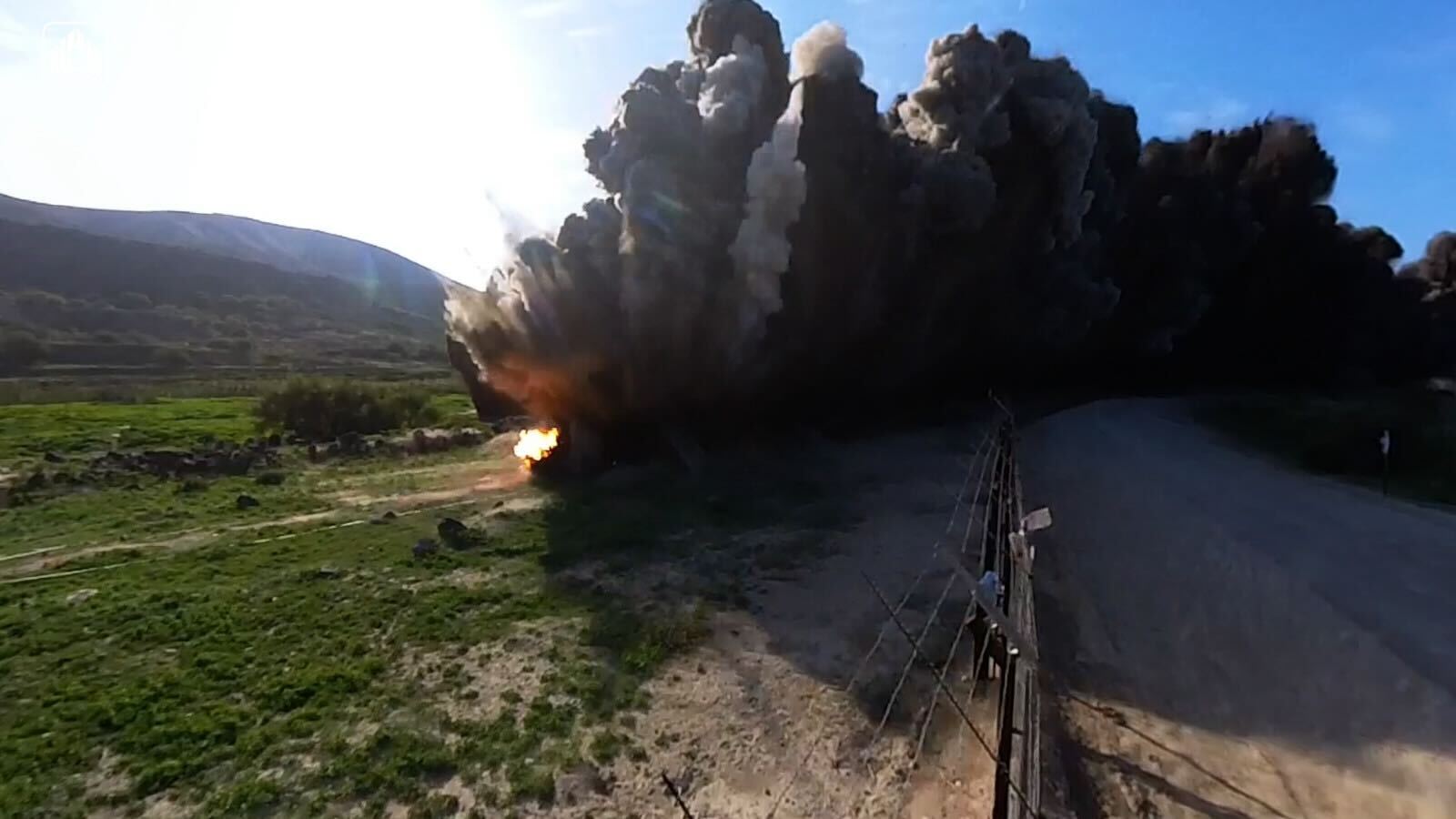
The Defense Ministry destroys an old landmine near the Jordanian border, January 6, 2026. (Defense Ministry)
The Defense Ministry says it has expanded work on a new security barrier along the Jordanian border, with authorities destroying hundreds of old landmines in the area.
According to the ministry, the Mine and Unexploded Ordnance Clearance Authority carried out controlled detonations yesterday to clear three minefields, destroying some 500 anti-tank mines laid in the area since the late 1960s.
The mine-clearing is part of broader construction work being carried out by the Defense Ministry and the IDF Central Command.
The project, aimed at strengthening security and strategic control along Israel’s eastern border, is estimated to cost around NIS 5.5 billion ($1.7 billion) and includes a multilayered barrier spanning roughly 500 kilometers, from south of the Golan Heights to the Samar Sands north of Eilat.
The Defense Ministry says the effort is a central pillar of its security strategy, led by Defense Minister Israel Katz and Defense Ministry Director General Amir Baram, and is integrated into a revised IDF security strategy that includes the establishment of a new regional division, the 96th Division, responsible for the Jordan Valley, surrounding valleys and the Dead Sea area.
Netanyahu vows to ‘thoroughly investigate’ death of 14-year-old Haredi protester

Yosef Eisenthal, 14, who was killed in a Haredi anti-draft demonstration on January 6, 2026. (Courtesy)
Prime Minister Benjamin Netanyahu promises that the death of 14-year old protester Yosef Eisenthal last night “will be thoroughly investigated in order to draw all the necessary conclusions and lessons.”
In a statement, Netanyahu offers his condolences to Eisenthal’s family, and calls for “preventing an escalation of tensions, so that, God forbid, we do not experience further disasters.”
Eisenthal was killed when a bus driver plowed into a crowd of anti-draft protesters near the entrance to Jerusalem last night. The driver, who was arrested at the scene, was surrounded by rioters who were blocking the road and backed up initially before hitting the gas pedal and ramming into the crowd.
Iran army chief threatens response to Trump and Netanyahu’s ‘hostile rhetoric’
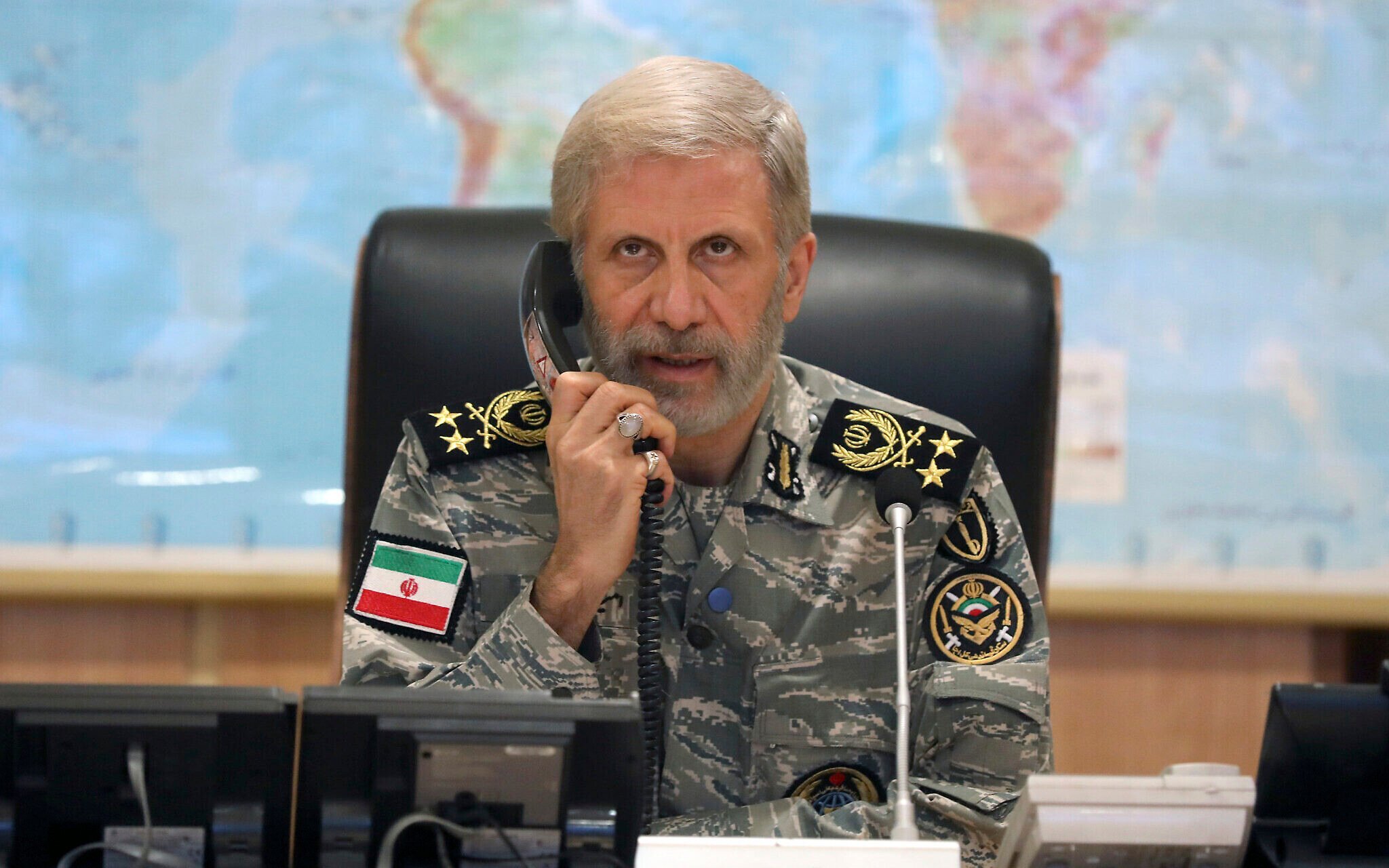
In this photo released on June 23, 2025, Iran's army commander-in-chief Gen. Amir Hatami attends a meeting in Zolfaghar central headquarters, Iran. (Iranian Army Press Service via AP)
Iran’s military chief warns that Iran will not stand by and allow itself to be threatened by outside powers, after the United States and Israel have publicly backed anti-government protests.
“The Islamic Republic of Iran considers the escalation of hostile rhetoric against the Iranian nation a threat and will not tolerate its continuation without responding,” says Gen. Amir Hatami, according to the Fars news agency.
In recent days, US President Donald Trump has threatened to intervene in Iran if demonstrators were killed, while Prime Minister Benjamin Netanyahu has expressed support for the protesters.
Families of soldiers who died by suicide petition High Court for IDF recognition
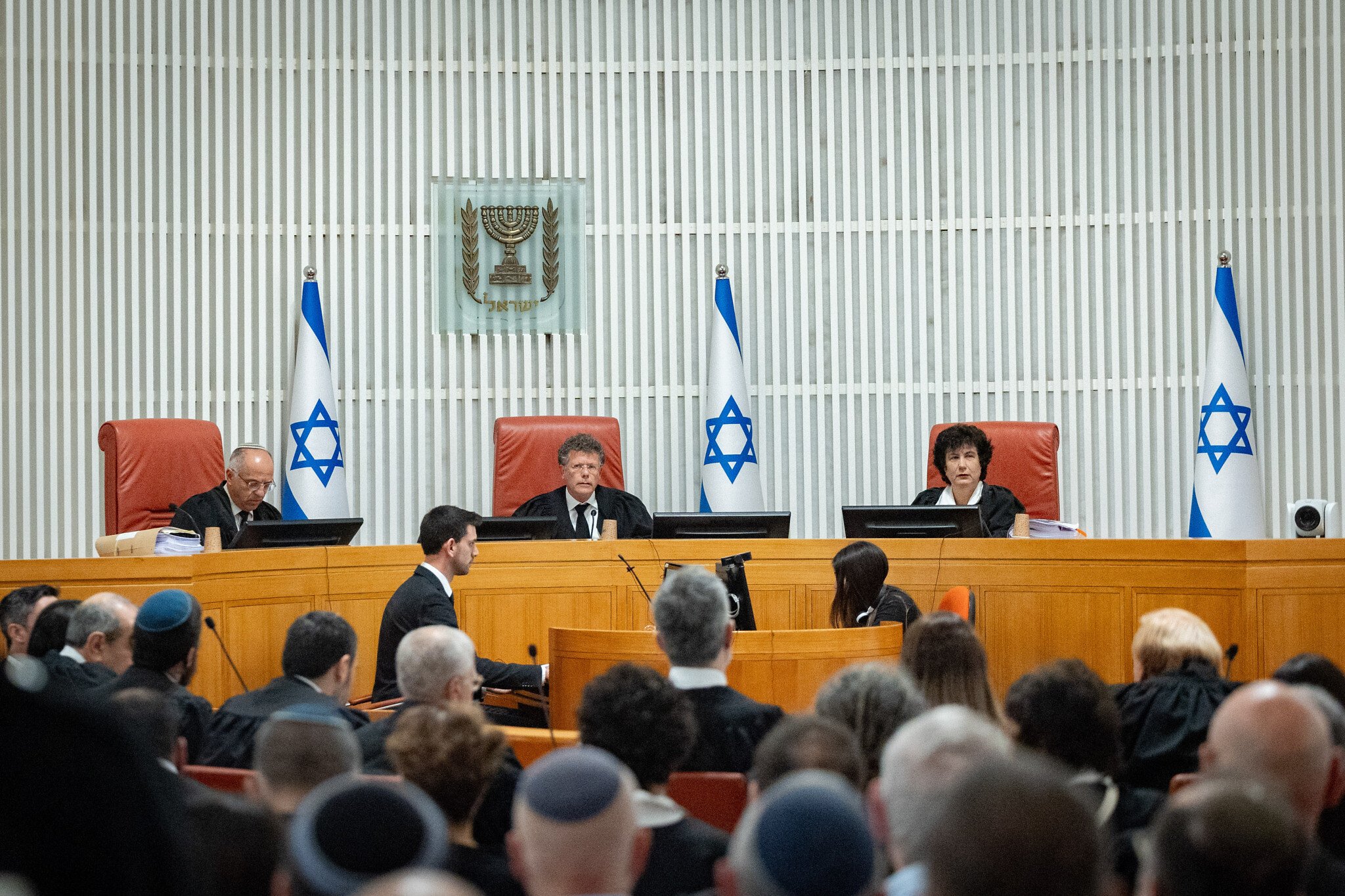
Illustrative: A High Court of Justice hearing on petitions against the firing of Shin Bet chief Ronen Bar, April 8, 2025. (Yonatan Sindel/Flash90)
Families of soldiers who died by suicide since Hamas’s October 7, 2023, onslaught have filed a petition with the High Court of Justice to demand their loved ones be fully recognized as fallen soldiers, Channel 13 reports.
The families are seeking to block the implementation of recommendations made last week by a committee tasked with examining the IDF’s response to suicides linked to psychological trauma from military service. Last week, the panel concluded that the IDF would take responsibility for soldiers who died by suicide but would stop short of classifying them as IDF casualties.
The petition, filed by the Jerusalem Institute of Justice and the Combat Diamonds Forum, which supports combat veterans with PTSD, calls for full recognition of soldiers who took their own lives after service, granting them the same status as soldiers who died while in uniform.
The petitioners argue that there is a direct link between military service and the suicides, highlighting the mental toll of combat.
Tomer Wasserstein, brother of reservist Roi Wasserstein who died by suicide last July, says that his brother “gave his spirit in battle and couldn’t live with the images he saw during his service.”
“The soldiers who gave and continue to give their lives so we can feel safe deserve the proper honor and full recognition in their time of distress,” he adds.
According to Rotem Ben-Simhon, director of legal aid at the Jerusalem Institute of Justice, “at least 74 soldiers and service members have died by suicide due to mental distress linked to their service, with approximately 279 suicide attempts.”
“In this case, there is a clear causal relationship between military service and death, and there is no legal or moral basis to differentiate between a soldier who was physically wounded and died as a result of that injury, and a soldier who was mentally wounded and ended his life because of it,” she says.
Under the committee’s recommendations, families would be given up to two years after the end of a soldier’s service to seek recognition of suicide cases linked to military service, to allow time for investigation and assessment.
Herzog to hold emergency meeting on Negev crime with local Jewish, Arab leaders
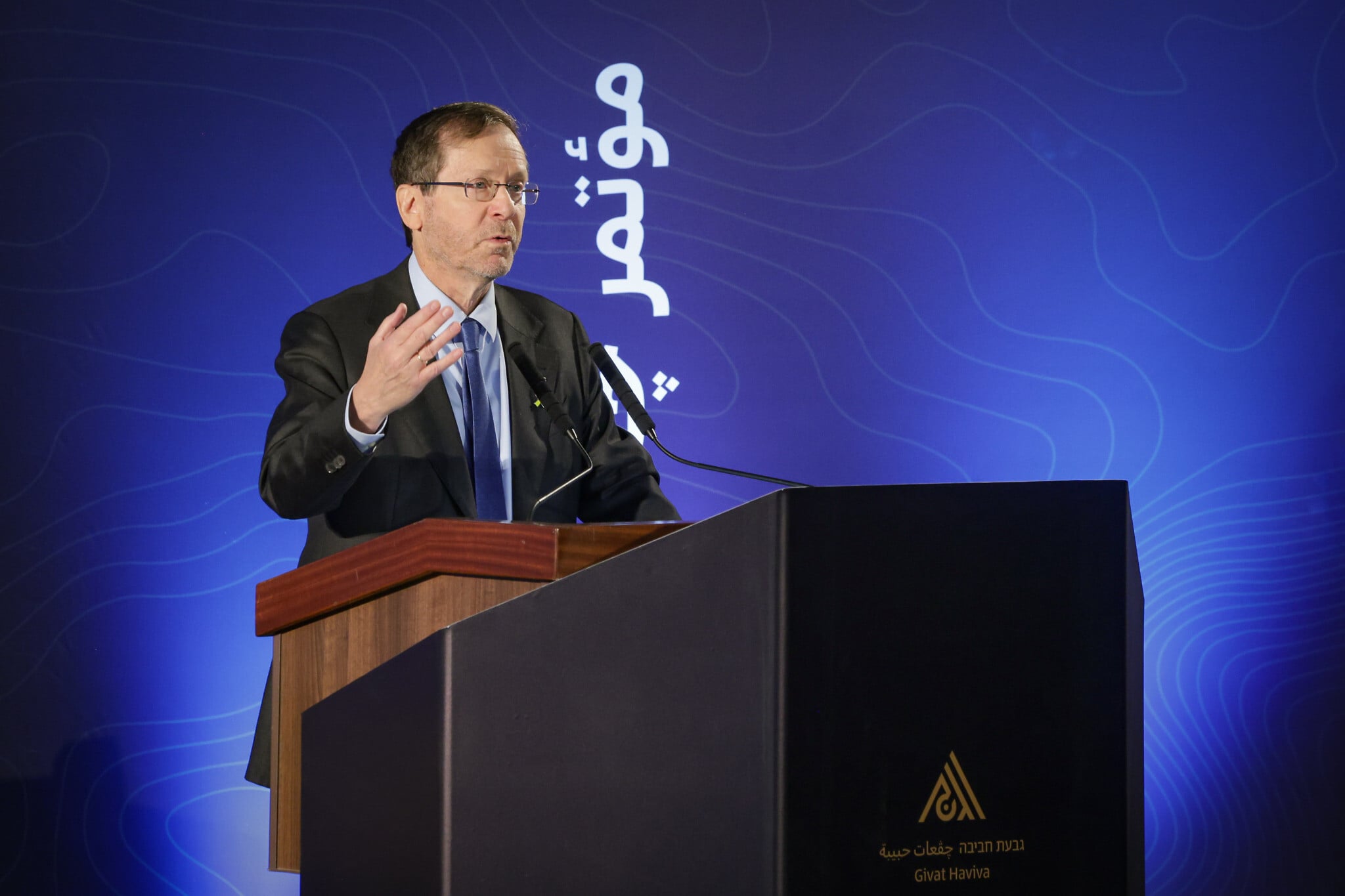
President Isaac Herzog speaks during a conference at Givat Haviva, January 6, 2026. (Tal Gal/Flash90)
President Isaac Herzog will convene an emergency meeting with Bedouin and Jewish regional council heads from southern Israel this afternoon “in light of the emergency situation of violence and crime in Arab society,” his office says in a statement.
The El Kassum Regional Council filed a petition to the High Court of Justice against an ongoing police operation, dubbed “New Order,” in the Bedouin town of Tarabin al-Sana in the Negev desert. Muhammad Hussein Tarabin, a town resident, was allegedly shot dead by an officer at the entrance to his home on Saturday night during a police raid.
Just in the past 24 hours, four more Arab men have been shot dead in Israel in violent crimes.
Survey: Most Jewish Israelis think Israel is safer than the Diaspora
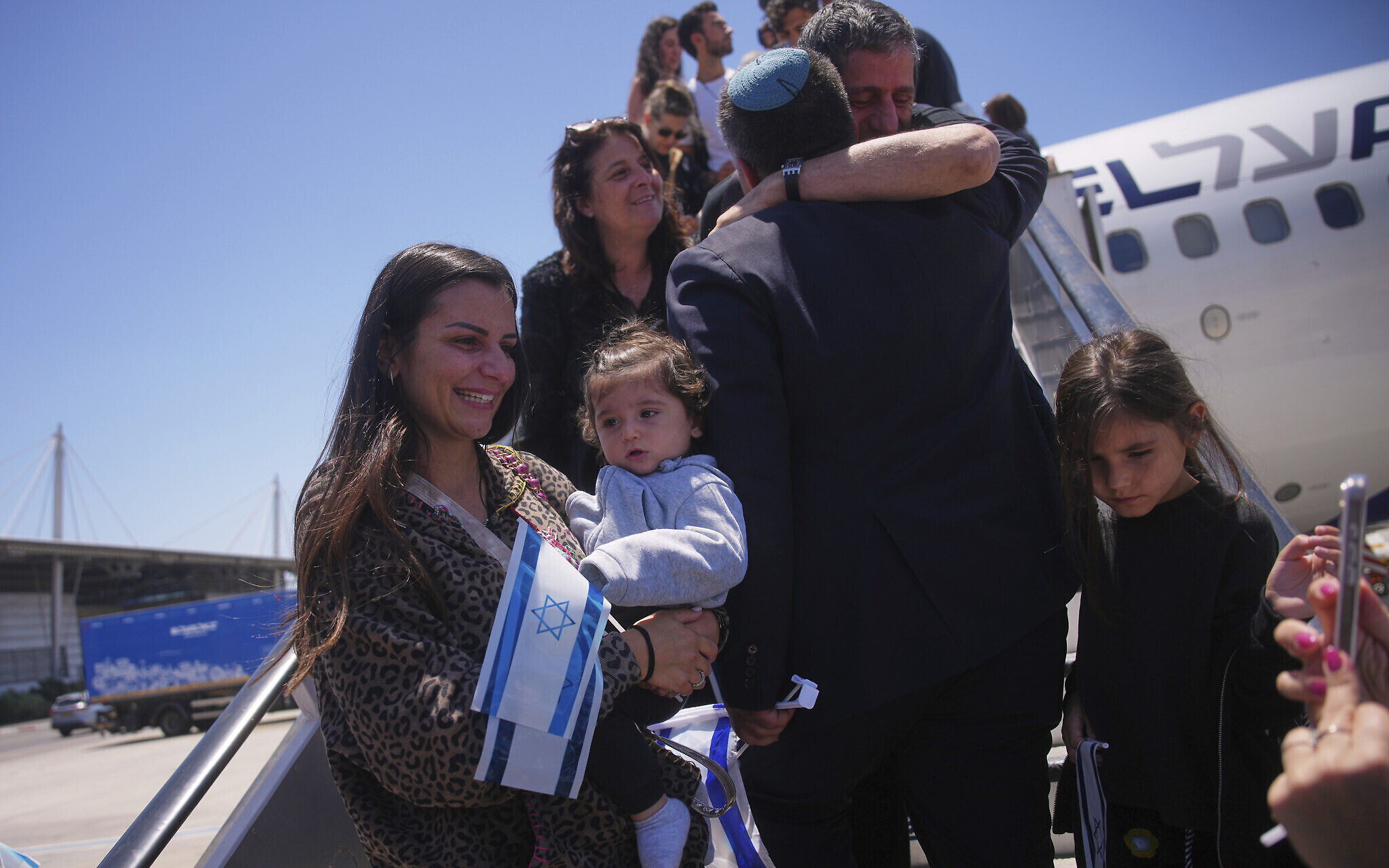
New Jewish immigrants from Spain, England, France and the Netherlands disembark from an airplane a day after the announcement of a ceasefire between Israel and Iran, as they arrive at Ben Gurion Airport, June 25, 2025. (AP/Ohad Zwigenberg)
A majority of Jewish Israelis believe Israel is safer for Jews than countries abroad, according to a survey released yesterday, reflecting heightened concerns over antisemitic attacks overseas.
The December 2025 Israeli Voice Index published by the Israel Democracy Institute finds that 76% of Jewish Israelis say Israel is safer for Jews, up from 68% in May 2024 and 71.5% in November 2024. The poll was conducted about two weeks after the Hanukkah terror attack in Bondi Beach, Australia, in which 15 people were murdered and dozens wounded.
Statistically, Jews are more likely to be killed for their identities in Israel than abroad, but daily threats of harassment, assault and other attacks on Jews around the world led to a strong feeling of persecution in Diaspora communities.
Political orientation clearly influences people’s perspectives on the matter. Only 41% of Jewish Israelis on the left say Israel is safer for Jews, compared with 69% in the political center and 83% on the right.
Among Arab Israelis, 32% say Israel is safer for Arabs and 35% say life abroad is safer. About 29% say both are equally safe.
The survey was conducted by the Viterbi Family Center for Public Opinion and Policy Research at the Israel Democracy Institute from December 28, 2025, to January 1, 2026, and included 602 Jewish and 150 Arab respondents, with a maximum sampling error of ±3.57%.
Iran’s foreign minister says he will visit Lebanon tomorrow
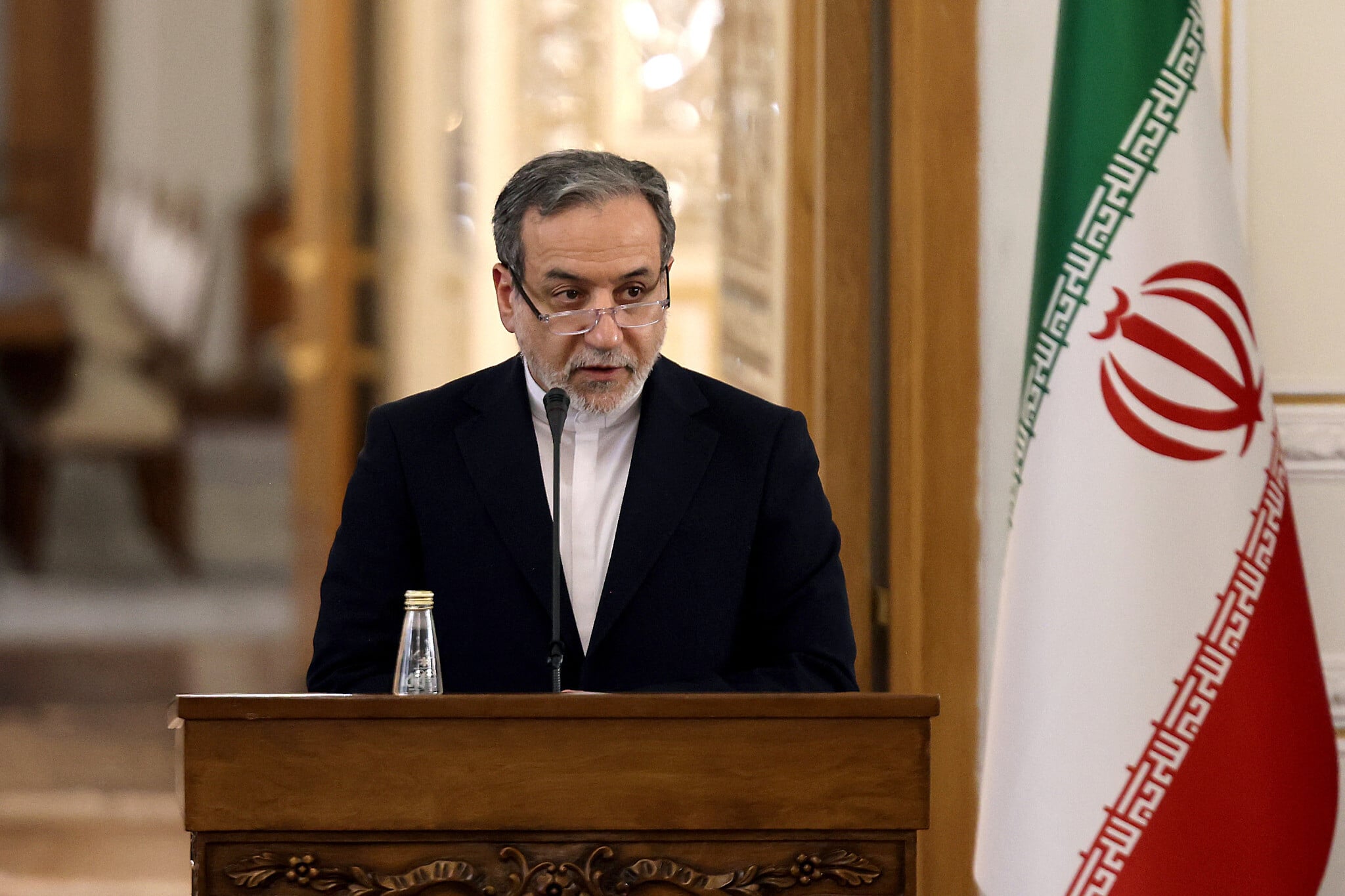
Iranian Foreign Minister Abbas Araghchi speaks during a joint press conference with Turkey's foreign minister (not pictured), in Tehran on November 30, 2025. (Atta Kenare / AFP)
Iran’s Foreign Minister Abbas Araghchi tells the Mehr news agency he will visit Lebanon tomorrow with an economic delegation.
Lebanon has sought to distance itself from Iran amid a press to disarm the Hezbollah terror group, backed by Tehran. Last month its Foreign Minister Youssef Raji declined an invitation to visit Tehran citing “current conditions” as not permitting the visit, and he instead invited Araghchi to visit Beirut for talks.
“Our relations are longstanding with all components of the Lebanese state and we are looking to expand these ties… We hope we can return to a very good relation,” Araghchi says.
Gefen Bitton, Israeli critically wounded in Bondi attack, to be flown to Israel

Gefen Bitton (Courtesy)
Gefen Bitton, an Israeli living in Australia who was critically wounded when he tried to confront one of the gunmen during the Bondi Beach Hanukkah massacre last month, is being flown to Israel for further treatment.
According to the Ynet news site, Bitton — whose condition has improved but is still serious — is slated to travel to Israel today in a medical transfer.
A friend told the Australian Jewish News on Monday that Bitton “is still in ICU. We’re seeing small improvements daily, as he slowly wakes up.”
Meanwhile Bitton has been granted permanent residency by Australia for his heroism, according to local news outlets. The Australian newspaper also reports that he was visited today in the hospital by Australian Prime Minister Anthony Albanese.
The newspaper says that Bitton awoke from his coma in recent days, three weeks after he was shot.
UN accuses Israel of ‘apartheid system’ against Palestinians in West Bank
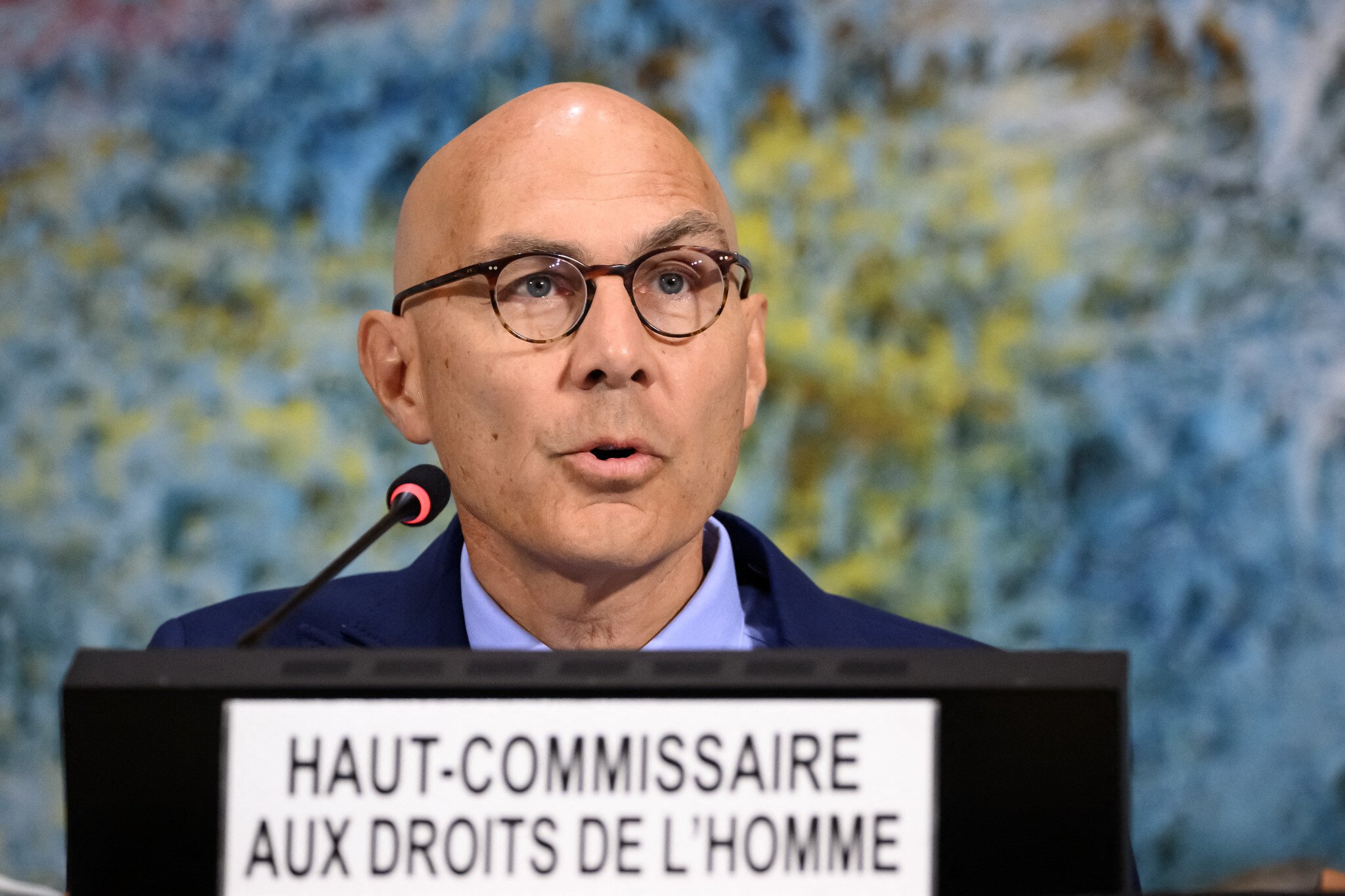
UN High Commissioner for Human Rights Volker Turk delivers his speech at the opening of the 60th session of the United Nations Human Rights Council in Geneva, on September 8, 2025. (Fabrice COFFRINI / AFP)
The United Nations says that decades of discrimination and segregation of Palestinians in the West Bank by Israel are intensifying and creating a kind of “apartheid system.”
Rights chief Volker Turk says there is “a systematic asphyxiation of the rights of Palestinians in the West Bank,” creating a “particularly severe form of racial discrimination and segregation, that resembles the kind of apartheid system we have seen before.”
Iran president urges security forces not to target peaceful protesters
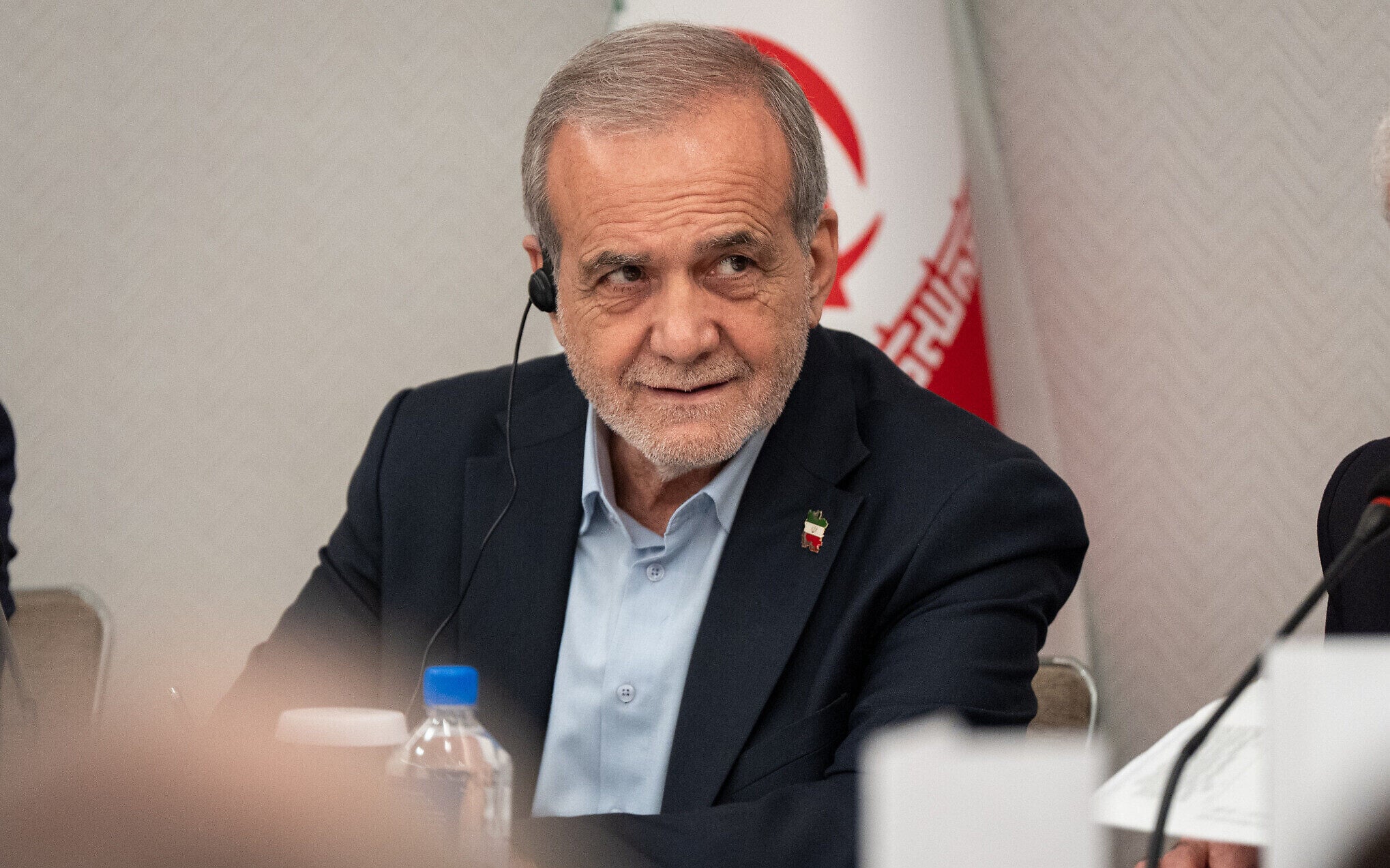
Iran's President Masoud Pezeshkian takes questions from the media at a press briefing in New York, September 26, 2025. (Angelina Katsanis/AP)
Iranian President Masoud Pezeshkian orders security forces not to crack down on economic protests, drawing a distinction between peaceful demonstrators and armed “rioters.”
In a video released by the news agency Mehr after a cabinet meeting, Vice President Mohammad Jafar Ghaempanah says Pezeshkian has “ordered that no security measures be taken against the demonstrators.”
“Those who carry firearms, knives and machetes and who attack police stations and military sites are rioters, and we must distinguish protesters from rioters,” Ghaempanah adds.
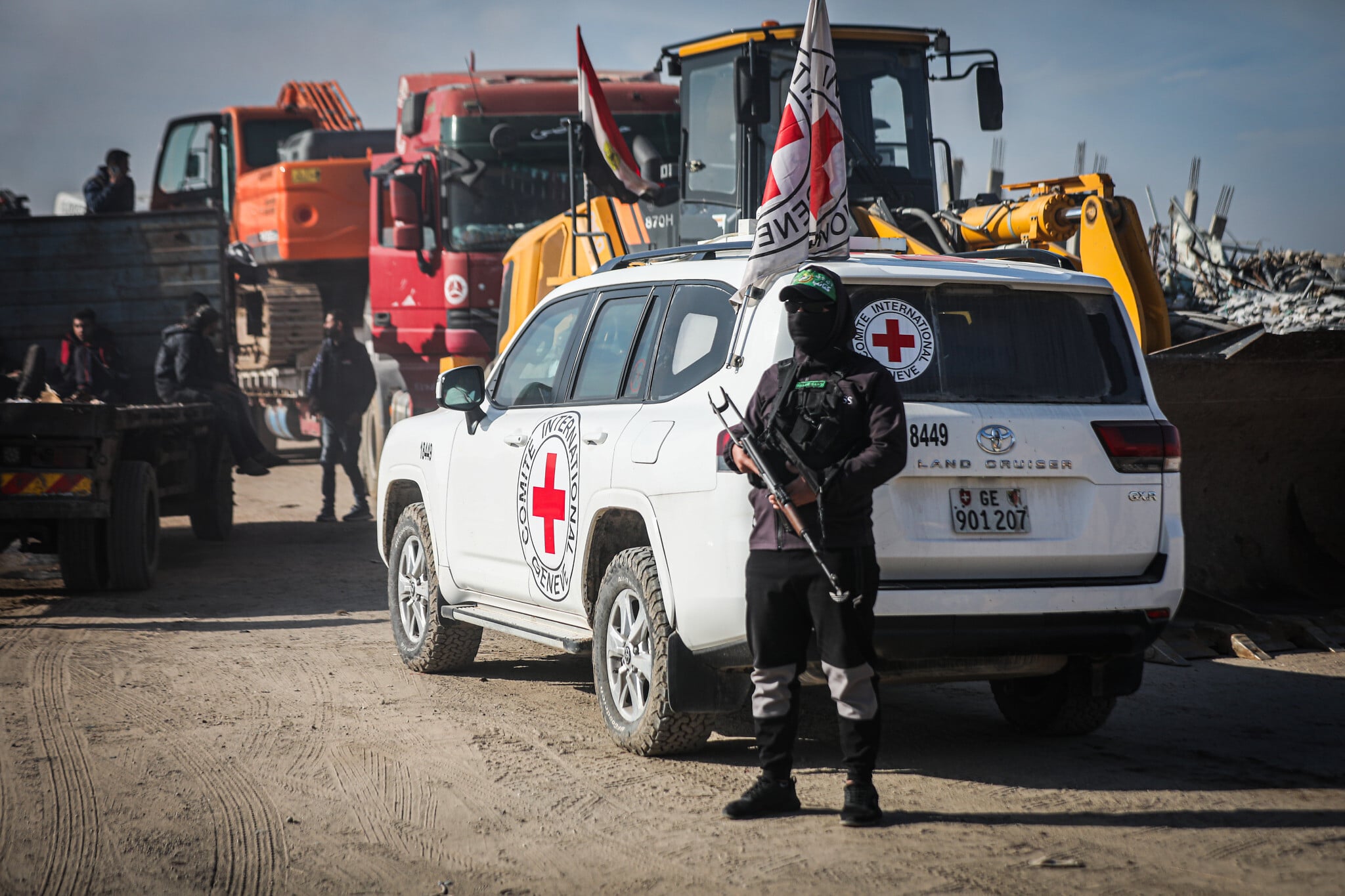
Hamas, Red Cross said to resume search for last hostage’s remains in Gaza City
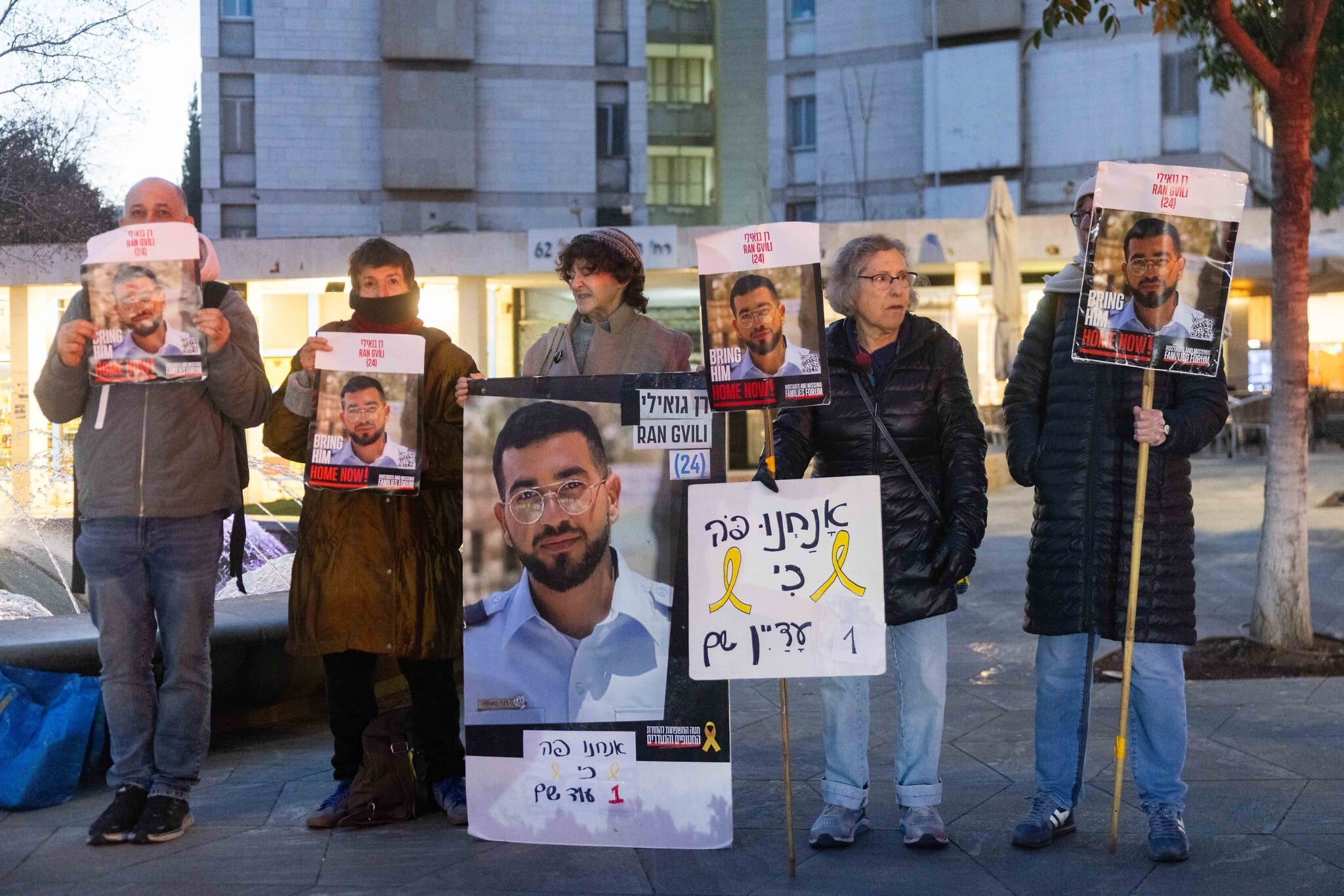
People call for the return of slain hostage Ran Gvili near the Prime Minister’s Residence in Jerusalem, January 5, 2026. (Chaim Goldberg/Flash90)
The al-Qassam Brigades, Hamas’s armed wing, has resumed searches with the Red Cross for the body of Police Master Sgt. Ran Gvili, the last remaining hostage, in Gaza City’s eastern Zeitoun neighborhood, Palestinian media outlets report.
Footage from the scene shows armed Hamas operatives, Red Cross vehicles and bulldozers.
????_ كتائب القسام، برفقة فرق الصليب الأحمر، تستأنف عمليات البحث عن جثة آخر أسير إسرائيلي في حي الزيتون بقطاع غزة، وذلك ضمن إطار اتفاق وقف إطلاق النار وتبادل الأسرى. pic.twitter.com/X5yOC6SxPJ
— عربي بوست (@arabic_post) January 7, 2026
The search does not appear to include the al-Quds Brigades, Palestinian Islamic Jihad’s armed wing, who captured Gvili’s body after he was killed defending Kibbutz Alumim during the Hamas-led onslaught of October 7, 2023, which sparked the war in Gaza.
PIJ sources have been cited in Arabic media saying the body was handed over to Hamas during the war and held in eastern Gaza City.
Israel has publicly refused to move on to the next phase of the Gaza ceasefire before Gvili’s body is returned.
Lawmakers vote down Lapid’s bill to privatize Jewish National Fund
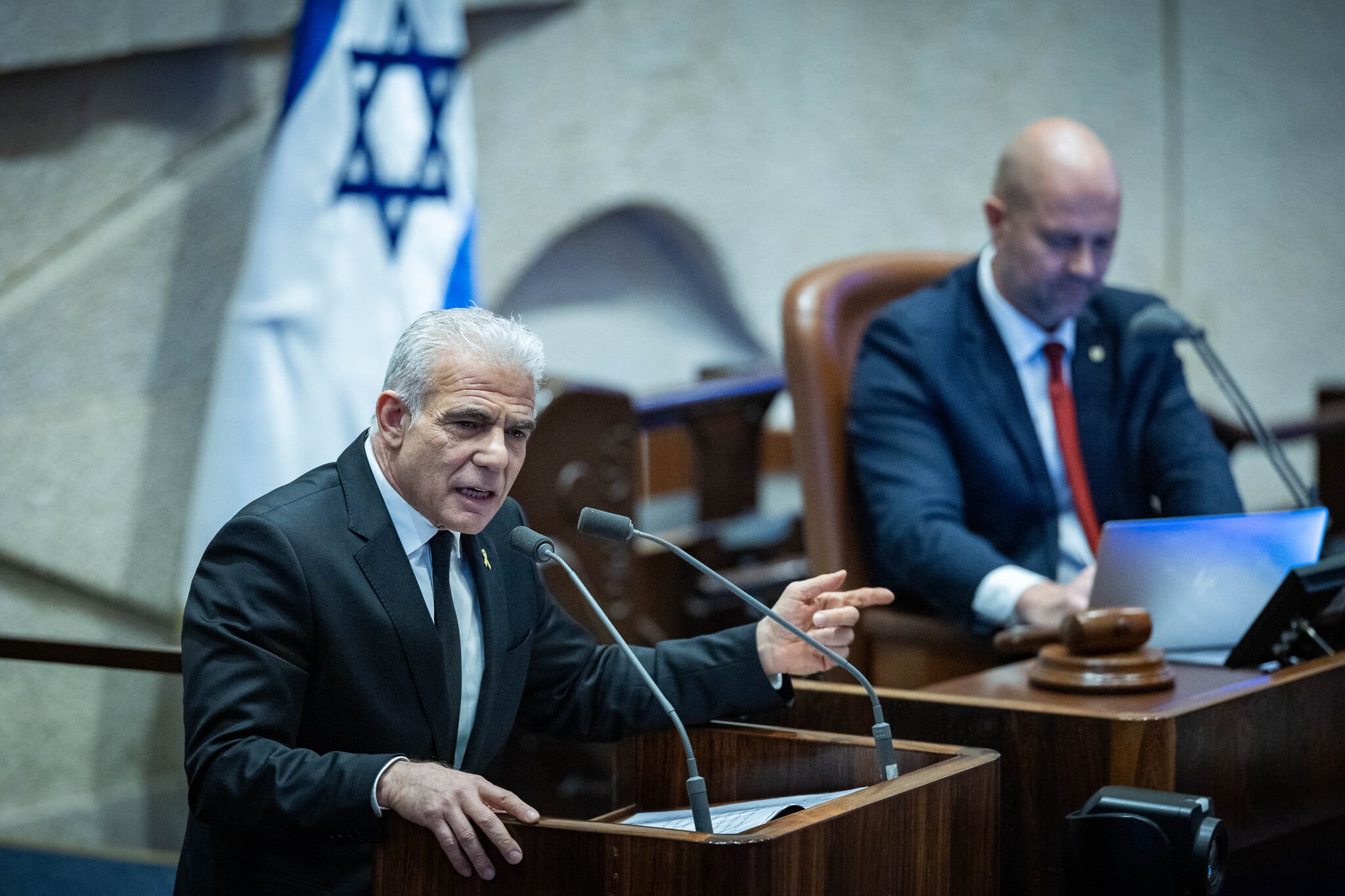
Opposition Leader Yair Lapid speaks during a 40-signature debate in the Knesset plenum in Jerusalem, January 5, 2026. (Yonatan Sindel/Flash90)
Lawmakers vote down Opposition Leader Yair Lapid’s bill to privatize the Jewish National Fund in a preliminary reading, defeating the legislation 26-38.
Lapid slams slams his political allies in the anti-Netanyahu bloc during a debate ahead of the vote, declaring that everyone who signed the recent coalition agreement for the leadership of the JNF and World Zionist Organization “are the new partners of Shas, of [Bezalel] Smotrich and [Orit] Strock, of Miki Zohar, of everything and whoever they claim to be fighting against.”
“If you want to argue otherwise, it’s easy! Publish the agreement. Why are you keeping it a secret? What are you hiding?” Lapid asks, calling on lawmakers to support his bill in its preliminary reading.
In November, Lapid announced that his party will no longer take part in negotiations over the appointment of new leadership roles at the large Zionist institutions, decrying a system he said was steeped in “a culture of corruption and political appointments.”
Following the vote, Lapid’s Yesh Atid party issues a statement calling out the Likud, Shas, Blue and White, and Democrats parties for voting against the bill.
Explaining its opposition, The Democrats party releases a statement stating that Israel is in the midst of a “fierce struggle over democracy and its resources.”
“The JNF is not a symbol. It is power. Land, money, influence. And today the JNF is in our hands — those of the democratic-liberal camp — and we will not hand it over to the Netanyahu–Smotrich government. We will not abandon a single stronghold. We will not give up any resource. We will not relinquish power,” the left-wing party says.
Eyal Ostrinsky, a representative of the WZO’s pluralistic/liberal bloc of parties, was selected last week as the new JNF chairman.
Gazan militia says it killed two Hamas operatives in Rafah raid
A Palestinian militia group says that it has killed two Hamas operatives in southern Gaza, marking a renewed challenge to the terror group after Israel empowered its rivals in areas under Israeli military control.
The armed group, known as the Popular Forces, says in a statement it had carried out a raid in Rafah, killing two Hamas members who refused to surrender and detaining a third. It shares a photo that it says depicted one of the slain men.
The Popular Forces, founded by an anti-Hamas armed Bedouin leader, Yasser Abu Shabab, is believed to be the largest group operating in Israel-controlled areas. Abu Shabab was killed in December in what the group described as a family feud. He was replaced by his deputy Ghassan Duhine, who vowed no let up in the fight against Hamas.
Prime Minister Benjamin Netanyahu acknowledged Israeli backing for anti-Hamas groups in June, saying Israel had “activated” clans. Israel has given little detail since then.
The Popular Forces deny receiving support from Israel.
Court reinstates ban on Urich speaking with PM, working in PM’s office
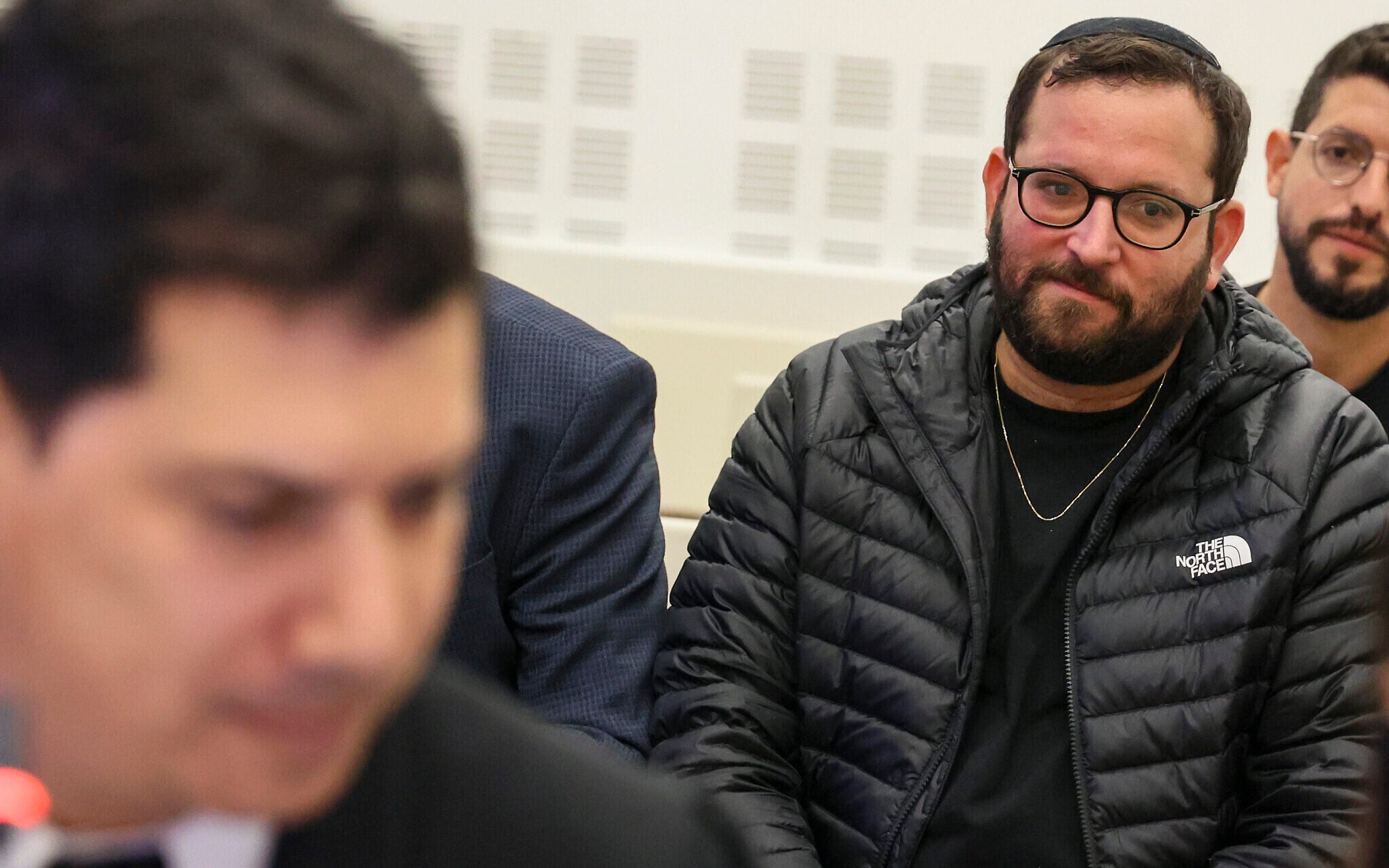
Jonatan Urich at a court hearing in the Qatargate investigation at the court in Lod, January 6, 2026. (Jonathan Shaul/Flash90)
The Lod-Central District Court reinstates a ban on key Qatargate suspect Jonatan Urich, prohibiting him from speaking to anyone connected to the scandal, including Prime Minister Benjamin Netanyahu, and working in the Prime Minister’s Office, until a further decision on the matter is made.
The Rishon Lezion Magistrate’s Court ruled on Monday that it could not grant a police request to extend the restrictions in connection to the Qatargate case, since the police filed the request just two hours before the restrictions expired without the response of Urich’s lawyers, meaning the court could not properly review the request before the restrictions expired.
The Lod-Central District Court upholds the lower court decision regarding the police request over the Qatargate case, but says that the restrictions on Urich can be extended for the leaked documents case, in which he is also a suspect — which the police requested on time.
Urich will therefore not be able to speak to Netanyahu — who is not a suspect — or anyone else connected to the case, nor go back to work at the Prime Minister’s Office as he had intended to, nor leave the country.
Netanyahu and Urich spoke by phone yesterday before a hearing on the extention of the restrictions, since they had expired at that point.
Extremist settlers reportedly stab Palestinian man, ram into another near Ramallah
Settlers allegedly stabbed a Palestinian man and rammed a car into another in Ramallah in the West Bank this morning, after which Palestinians in the area set fire to the vehicle, according to Palestinian media outlets. No arrests are reported.
WAFA, the Palestinian Authority’s official news agency, says clashes erupted in the area of Marj Sia after dozens of settlers who stormed the village tried to attack a woman.
During the clash, a group of settlers rammed their car into a young man from the nearby village of Al-Mughayyir, lightly wounding him, and also stabbed an older man from the nearby village of Abu Falah in his hand and head, WAFA reports.
مركبة مستوطن بعد أن أشعل الأهالي النار فيها في سهل مرج سيع بين المغير وأبو فلاح شمال شرق رام الله. pic.twitter.com/WgwStM2Zin
— شبكة قدس الإخبارية (@qudsn) January 7, 2026
Footage published by Palestinian media from the area in between the villages shows a small car with Israeli license plates in flames — reportedly the car that was used to ram into the young man.
Other footage also shows an armored IDF vehicle and a few troops deployed at the entrance to Al-Mughayyir, reportedly to prevent residents from joining the clash with the settlers.
جيش الاحتلال ينتشر عند المدخل الغربي لقرية المغير شمال شرق رام الله لمنع وصول الأهالي لمنطقة سهل مرج سيع للتصدي لهجوم المستوطنين. pic.twitter.com/WkcNskh2NP
— شبكة قدس الإخبارية (@qudsn) January 7, 2026
The IDF does not immediately respond to a request for comment.
Healthy 2-month old baby dies of flu in northern Israel
A two-month-old baby from northern Israel, with no known medical conditions, has died as a result of the flu, the Health Ministry reports.
It marks the sixth case of a child dying of flu in Israel since November. The ministry says that although it is not possible to vaccinate children of this age, people who come into contact with them should be vaccinated to provide some protection.
The flu vaccine does not completely prevent illness, but it reduces the severity in most cases.
At-risk populations should wear masks in closed places and in gatherings, the ministry says, recommending that medical staff and visitors wear masks in nursing homes and geriatric institutions.
Likud minister blames opposition for Haredi teen killed at anti-draft protest
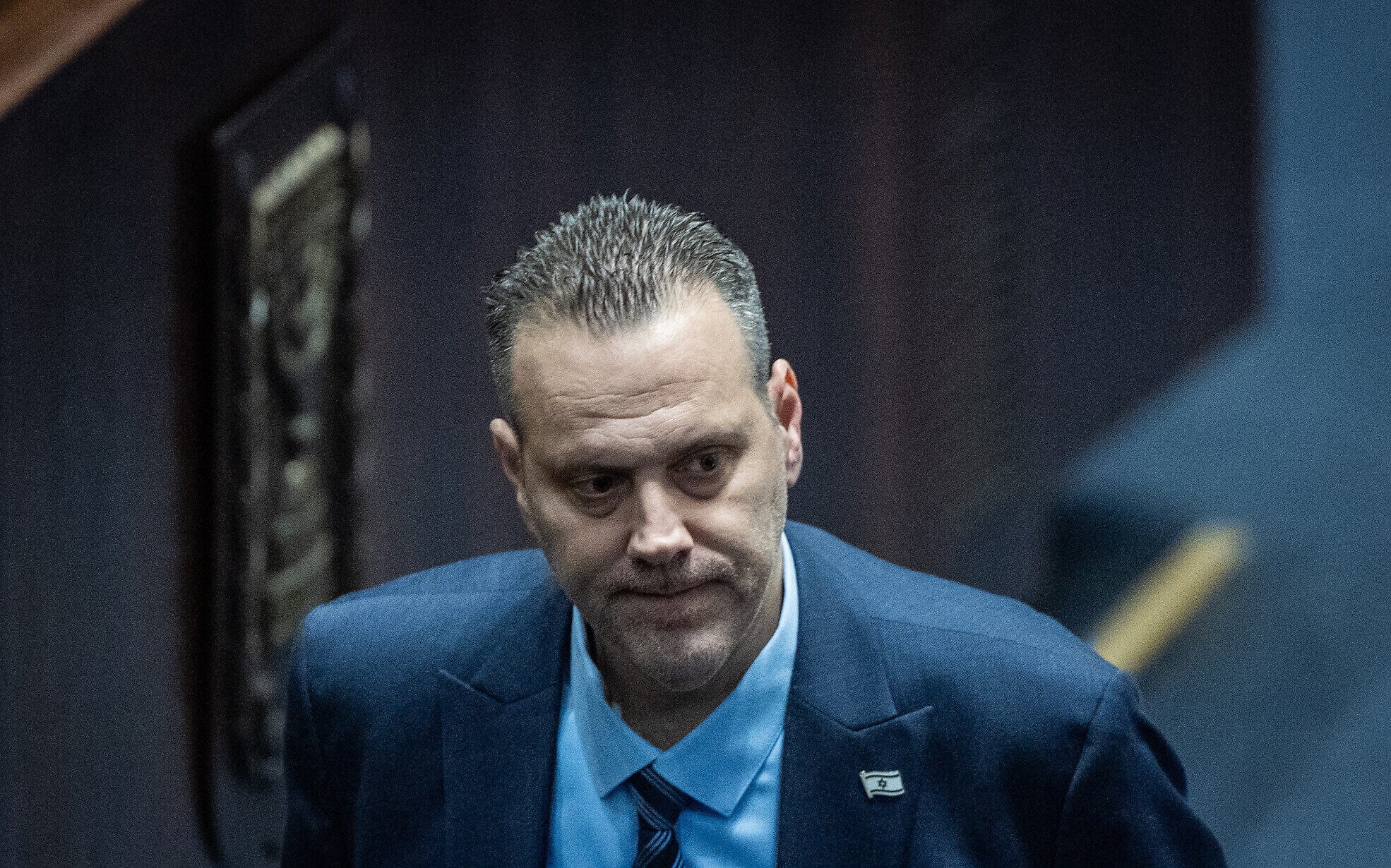
Culture and Sports Minister Miki Zohar attends a plenum session at the assembly hall of the Knesset, in Jerusalem, November 26, 2025. (Yonatan Sindel/Flash90)
Culture Minister Miki Zohar (Likud) blames the opposition for the death of 14-year old Yosef Eisenthal, an ultra-Orthodox boy who was fatally run over by a bus driver during an anti-conscription demonstration in Jerusalem last night.
“Your incitement against the Haredi public is what brought this about,” Zohar yells from the Knesset rostrum.
“Shame on you. All day long you portray them as some kind of enemies of the people. It is a community that is dear, important and beneficial to Israeli society. Stop attacking it from morning to night, to the point where you have turned it into an enemy,” he declares, generating shocked outrage among opposition MKs.
Eisenthal was killed and three other teens were injured at an intersection in Jerusalem’s ultra-Orthodox neighborhood of Romema when a bus rammed into Haredi protesters, as tens of thousands of people attended an anti-conscription demonstration.
Bus driver who killed Haredi teen remanded into custody for 9 days by court

Security and rescue forces seen near a bus that ran over Haredi protesters in Jerusalem on January 6, 2026, killing Yosef Eisenthal, 14 (right). (Chaim Goldberg/Flash90; Courtesy)
The bus driver who ran over a Haredi protester last night has been remanded into custody for nine days on suspicion of reckless homicide, following a ruling from the Jerusalem Magistrate’s Court.
Police brought the driver before a judge this morning after arresting him for fatally running over 14-year-old Yosef Eisenthal during an anti-draft protest last night.
Police requested to keep the driver in custody for another 15 days, but were only granted nine.
The police representative in court initially attributed the suspicion of aggravated murder to the driver, but later downgraded the suspected offenses to negligent homicide, causing severe injury to a minor, and reckless driving, the Ynet news site reports.
Syrian army said to begin shelling Aleppo Kurdish areas
The Syrian army has begun shelling Aleppo’s Kurdish-majority neighborhoods, after the deadline given for civilians to leave the area passed, an AFP correspondent reports.
The military had declared the city’s Kurdish-controlled districts “closed military zones” from 3 p.m., while creating “two safe humanitarian crossings” through which thousands of civilians had fled before the deadline, according to AFP correspondents.
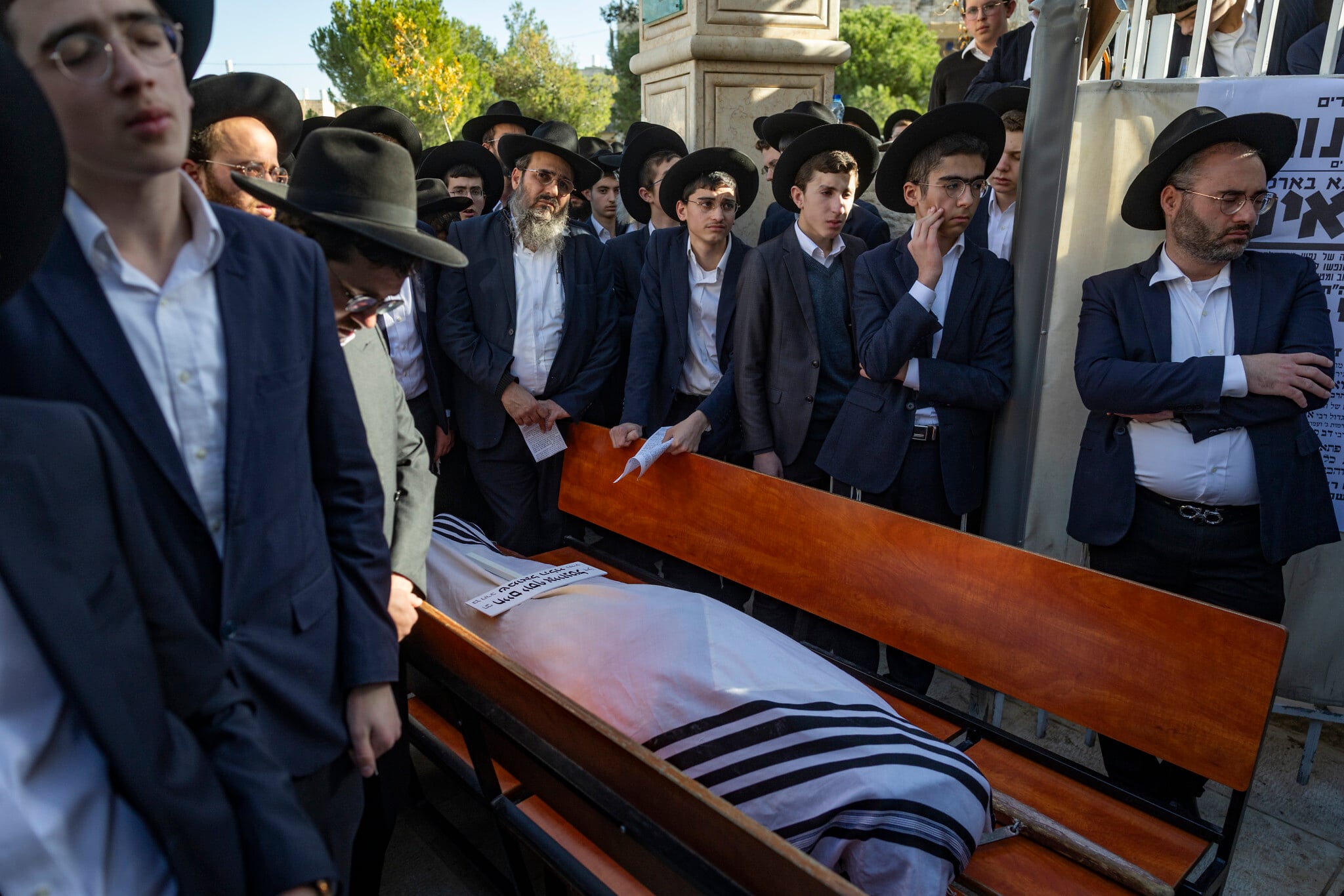
Haredi teen Yosef Eisenthal, slain at protest, laid to rest in Jerusalem
Yosef Eisenthal, 14, who was killed in a Haredi anti-draft demonstration on January 6, 2026. (Courtesy)
Top ultra-Orthodox rabbis eulogize 14-year old Yosef Eisenthal, the ultra-Orthodox boy who was fatally run over by a bus driver during an anti-conscription demonstration in Jerusalem last night, at his funeral in Jerusalem.
His funeral, which set out from the capital’s Ramot neighborhood, is attended by, among others, Rabbi Shmuel Markovitz of Bnei Brak’s Ponevezh Yeshiva and Azriel Auerbach, the leader of the extremist Jerusalem Faction.
Eisenthal was killed and three other teens were injured at an intersection in Jerusalem’s ultra-Orthodox neighborhood of Romema when a bus rammed into Haredi protesters, as tens of thousands of people attended an anti-conscription demonstration.
The driver is being investigated on charges of negligent homicide and has been remanded into custody for nine days.
IDF strikes Hezbollah operative in southern Lebanon
The IDF says it carried out a strike a short while ago on a Hezbollah operative in the area of southern Lebanon’s Jouaiyya, in response to the terror group’s “continued violations of the ceasefire understandings.”
The military does not immediately provide details on the alleged violations or the outcome of the strike.
An Israeli drone strike targeting a vehicle on the outskirts of Jouaya – Wadi Jilou, southern Lebanon. pic.twitter.com/OYPw94i9cP
— roqayah رقية (@roqchams) January 7, 2026
Israel still holding 1,287 Gazans under illegal combatants law, 41 arrested since ceasefire
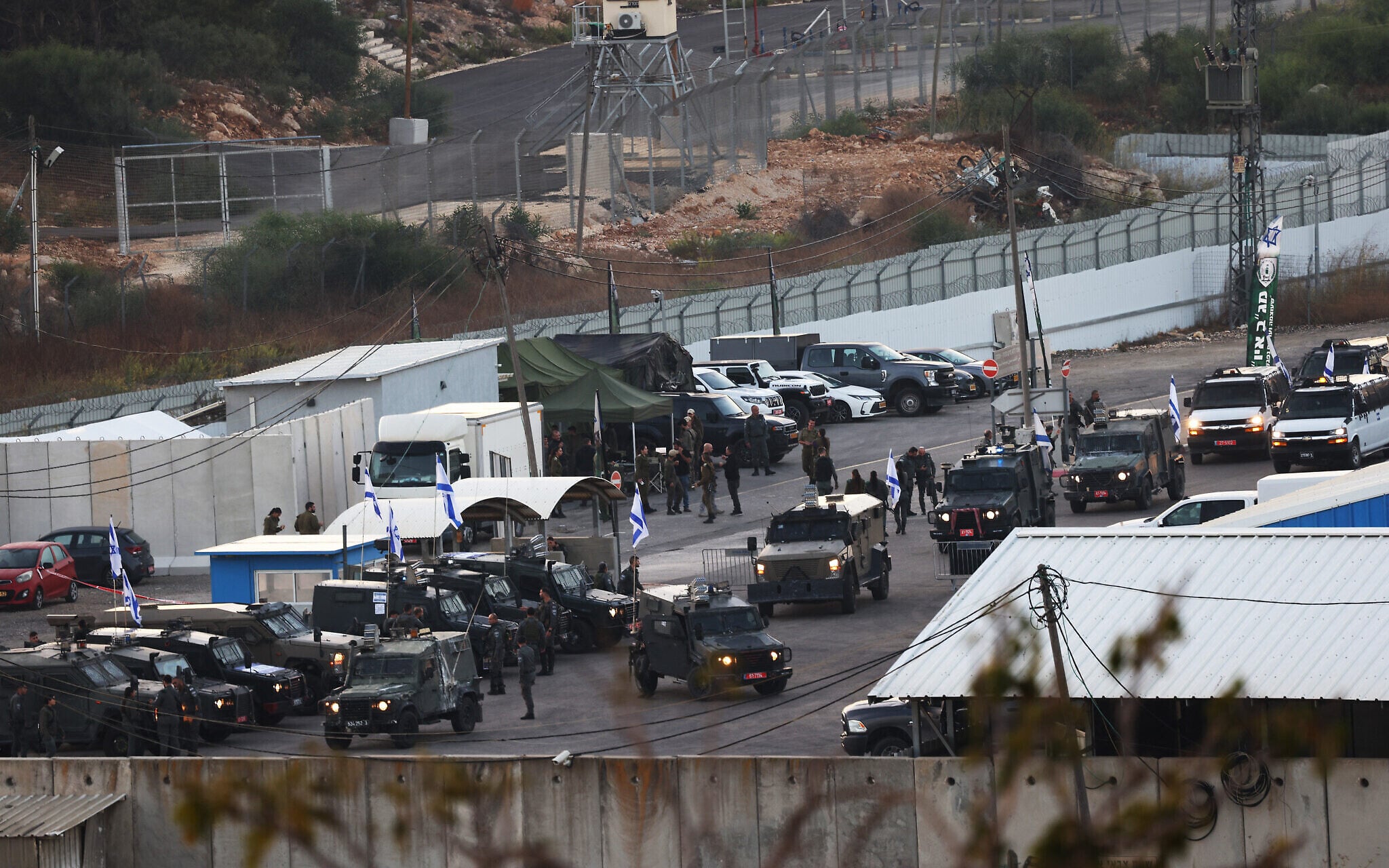
IDF vehicles take position at the Ofer military prison in the West Bank on October 13, 2025, ahead of the release of Palestinian prisoners in exchange for Israeli hostages. (HAZEM BADER / AFP)
New data provided by the state in response to a petition to the High Court of Justice shows that there are 1,287 Gazan detainees being held in Israeli prisons and detention centers under the 2002 Law for Incarcerating Illegal Combatants.
The new data, released in response to a petition against the law by the Public Committee Against Torture in Israel (PCATI), also shows that at least 41 Gazans were detained under that law since the ceasefire between Israel and Hamas went into effect on October 10, 2025.
Of those incarcerated in Israel, 1,239 are being held in the facilities of the Israel Prison Service, while 48 are being held in military detention centers.
Detainees under the Law for Incarcerating Illegal Combatants are arrested by the IDF and security services inside Gaza during military operations, but have not been charged with a crime and are often held for many months without contact with their families or a lawyer.
The law is a temporary measure that has been repeatedly extended, most recently until the end of March.
“The war has ended on paper only. In practice, Israel continues to imprison detainees under a temporary order that was supposed to expire, and to hold them in inhumane conditions that amount to torture and cruel treatment,” PCATI says in response to the new information.
IDF to relaunch pilot for women in combat mobility roles
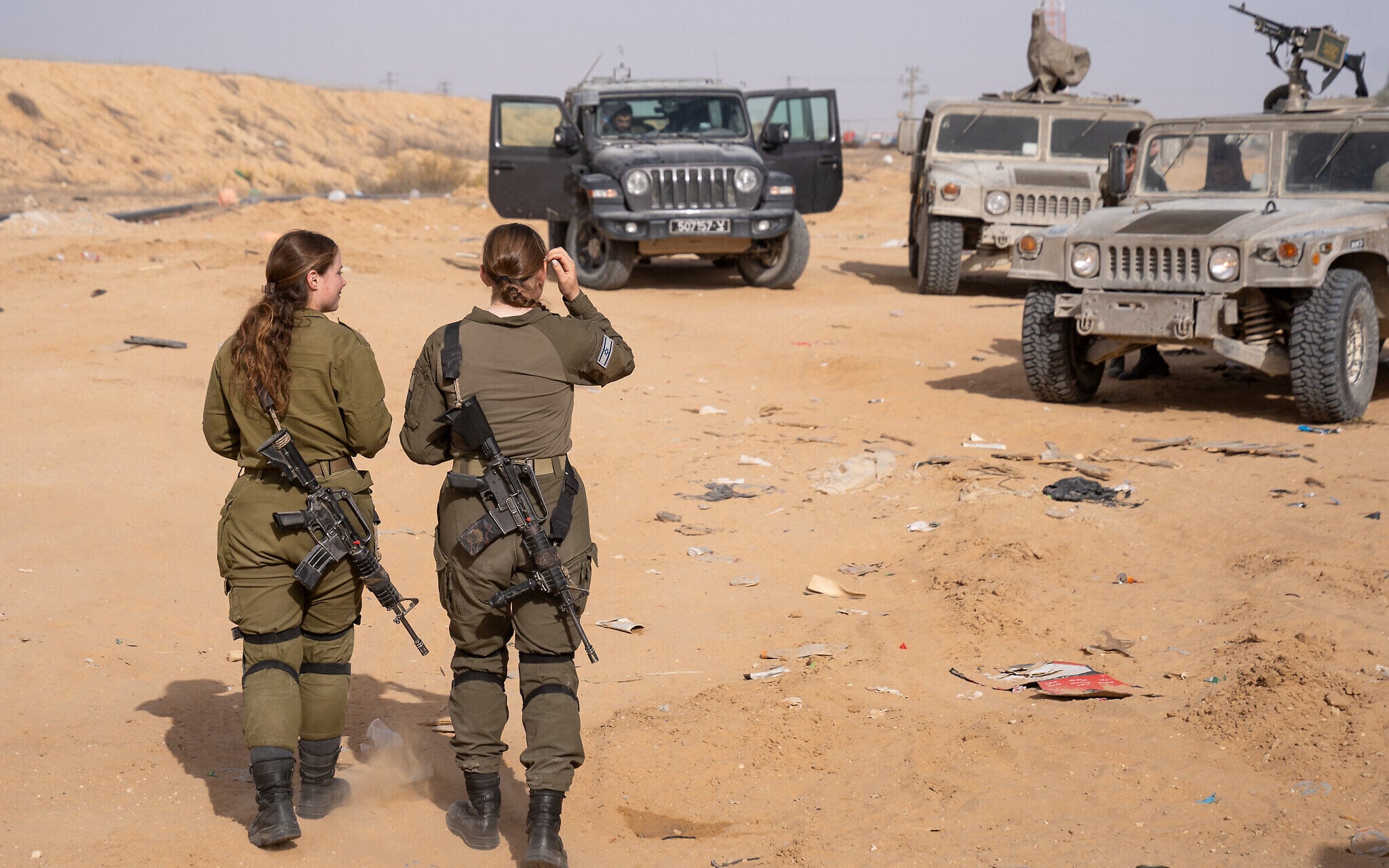
Illustrative: Female soldiers with the IDF Artillery Corps are seen on the border of the Gaza Strip, December 8, 2025. (Emanuel Fabian/Times of Israel)
Months after halting a pilot program that sought to integrate female soldiers into combat mobility units, the IDF is preparing to launch a revised pilot that will again examine the possibility of women serving in the role.
The new pilot is expected to begin in November, with screening and selection set to start as early as next month, in line with directives from IDF Chief of Staff Lt. Gen. Eyal Zamir. The military says it aims to build a pilot that enables female soldiers to serve in identical roles as their male counterparts in the unit.
Zamir ordered the previous pilot halted midway through training last year, following recommendations from Ground Forces Command head Maj. Gen. Nadav Lotan, after findings showed that while female participants demonstrated high professional capabilities, they did not meet the required combat and physical fitness thresholds and faced elevated injury risks.
According to the IDF, the findings showed that female troops had “very high” abilities in “professional areas,” similar to those of men. Around 30 women took part in the program before it was halted after six months of training. Following the program’s suspension, the participants were reassigned to other combat units in accordance with their preferences.
Lessons drawn from the failed pilot are now expected to shape the new program, including possible changes such as improved physical conditioning prior to enlistment, a longer training period to reduce physical strain and injury, and a more tailored support framework for female combat soldiers, including nutrition and physiological guidance.
Histadrut sounds alarm over collapse of Defense Ministry rehab services for wounded soldiers
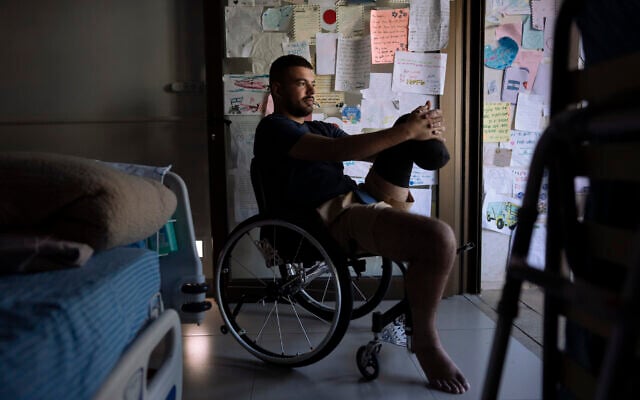
IDF soldier Jonathan Ben Hamou, 22, wounded in the war with Hamas, in his room at Sheba hospital's rehabilitation division, in Ramat Gan, December 18, 2023. (AP/Oded Balilty)
The Histadrut labor federation approves the opening of a labor dispute at the Defense Ministry’s Rehabilitation Department, citing extreme workloads and severe staff shortages that it says are undermining care for wounded IDF veterans.
The Rehabilitation Department is responsible for reintegrating injured IDF veterans and security personnel into civilian life by providing them with social services and financial support.
According to the Histadrut, the number of veterans treated by the division has surged to more than 82,000 since Hamas’s October 7, 2023, onslaught, with some 22,000 added over the past two years and around 1,500 new cases each month.
Despite the increase, the federation says staffing levels have not been expanded, leaving employees responsible for hundreds of patients each and leading to longer waiting times, staff burnout and difficulties recruiting new workers.
“The division’s employees act with dedication and professionalism, but they cannot continue to shoulder alone the sharp rise in demand and the ongoing shortage of manpower,” says acting Histadrut chair Roy Yaakov. “This labor dispute is a wake-up call for the entire country: trauma treatment and rehabilitation are not marginal issues but a national infrastructure for social and economic resilience.”
“We are in a national emergency. The system responsible for treating disabled IDF veterans is collapsing,” says chairman of the Defense Ministry labor committee Sasson Peretz. “This is not just a localized overload, but the entire rehabilitation framework – from clinics to welfare services – is under enormous strain.”
In accordance with the law, notice of the labor dispute has been delivered to the supervisor of labor relations at the Labor Ministry, the Histadrut says. If a sustainable solution that includes expanding staffing and improving care for wounded veterans is not found, workers can take organizational action within two weeks.
Cop who fatally shot Bedouin man to be questioned again over new footage
The officer who fatally shot a Bedouin man during a house search last week at his home has been summoned for interrogation a second time, after investigators got new footage of the incident.
He was questioned Sunday by investigators in the Department for Internal Police Investigations on suspicion of shooting unlawfully. He was released to five days’ house arrest and barred from entering police stations for a week.
The officer, whose name is under a gag order, is being probed on suspicion of shooting 36-year-old Muhammad Hussein Tarabin in his home on Saturday night.
While police say the man posed a threat to forces, the slain man’s family rejects the claim and insists the officer shot him in the chest without provocation.
Unvaccinated baby in Jerusalem in critical condition after contracting measles
An 11-month-old baby girl with measles from a community near Jerusalem is in critical condition in the pediatric intensive care unit at Hadassah Ein Kerem, the hospital says.
After several days of being treated at home, she was brought to the hospital last night following a significant deterioration in her condition and is now on life support.
“I once again urge all parents to vaccinate their children against measles and to follow the Health Ministry’s guidelines to prevent severe and life-threatening illness,” says Dr. Uri Pollak, head of Hadassah’s pediatric cardiac critical care unit.
Lebanon says one person killed, another wounded by IDF strike in southern village
At least one person was killed and one wounded in an IDF drone strike on a vehicle in southern Lebanon’s Jouaiyya, the country’s health ministry says.
Footage published by Arabic media shows first responders working the scene near the flaming wreckage of the targeted vehicle.
غارة إسرائيلية تستهدف سيارة في بلدة جويا جنوب لبنان والناطق باسم الجيش الإسرائيلي يقول إنه استهدف عنصراً من حزب الله #العربية #لبنان pic.twitter.com/Rb6E7qyENM
— العربية (@AlArabiya) January 7, 2026
The IDF said earlier it targeted a Hezbollah operative in the area in response to “continued violations” of the November 2024 Israel-Hezbollah ceasefire agreement.
Knesset gives initial ok to bill ending AG’s authority over legal advisers to ministries
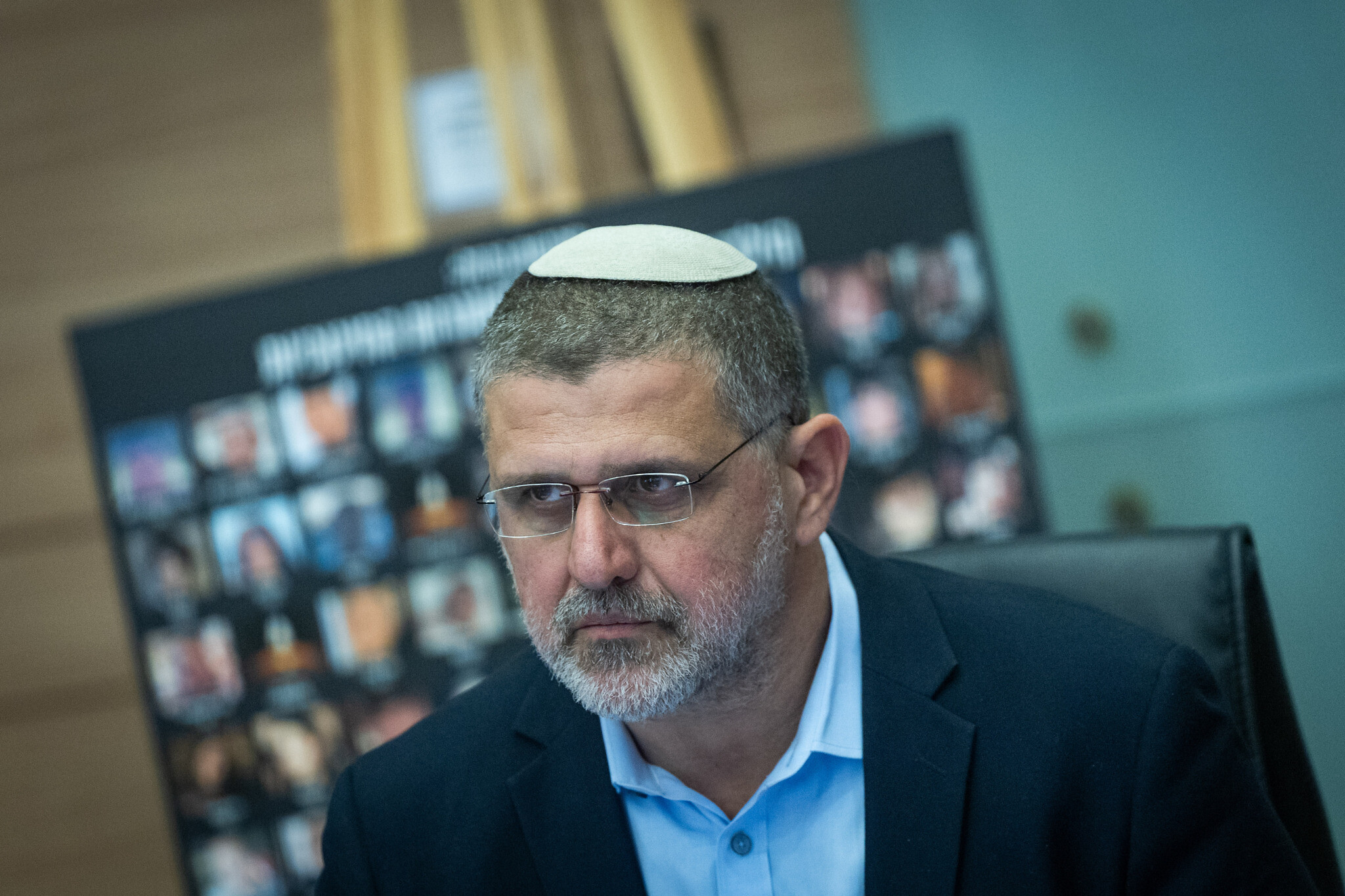
Likud MK Avihai Boaron speaks during Education, Culture, and Sports Committee meeting at the Knesset, on March 3, 2025. (Chaim Goldberg/Flash90)
The Knesset approves in its initial reading a bill to significantly erode Attorney General Gali Baharav-Miara’s authority over legal advisers to government ministries, in the government’s latest effort to weaken the authority of judicial officials.
The vote saw 58 MKs support the measure and 50 oppose it. The bill will now move to the Knesset House Committee to determine which committee it will be sent to for further discussion.
The bill, sponsored by Likud MK Avichai Boaron, would remove legal advisers working at various ministries from the jurisdiction of the attorney general to “strengthen their status and independence.”
Instead, legal advisers would be subordinate to the directors general of the ministries in which they serve, although they would still be permitted to consult with the attorney general.
“This bill is not an attack on the attorney general system, but an attempt to save it,” says Boaron.
Justice Minister Yariv Levin, the architect of the judicial overhaul, applauds the bill as one that is “essential for government work,” and which will “remedy the current illogical situation.”
The coalition has been trying unsuccessfully for months to fire Baharav-Miara, accusing her of working against the government and undermining its interests.
Netanyahu, India’s Modi discuss Gaza, Somaliland recognition
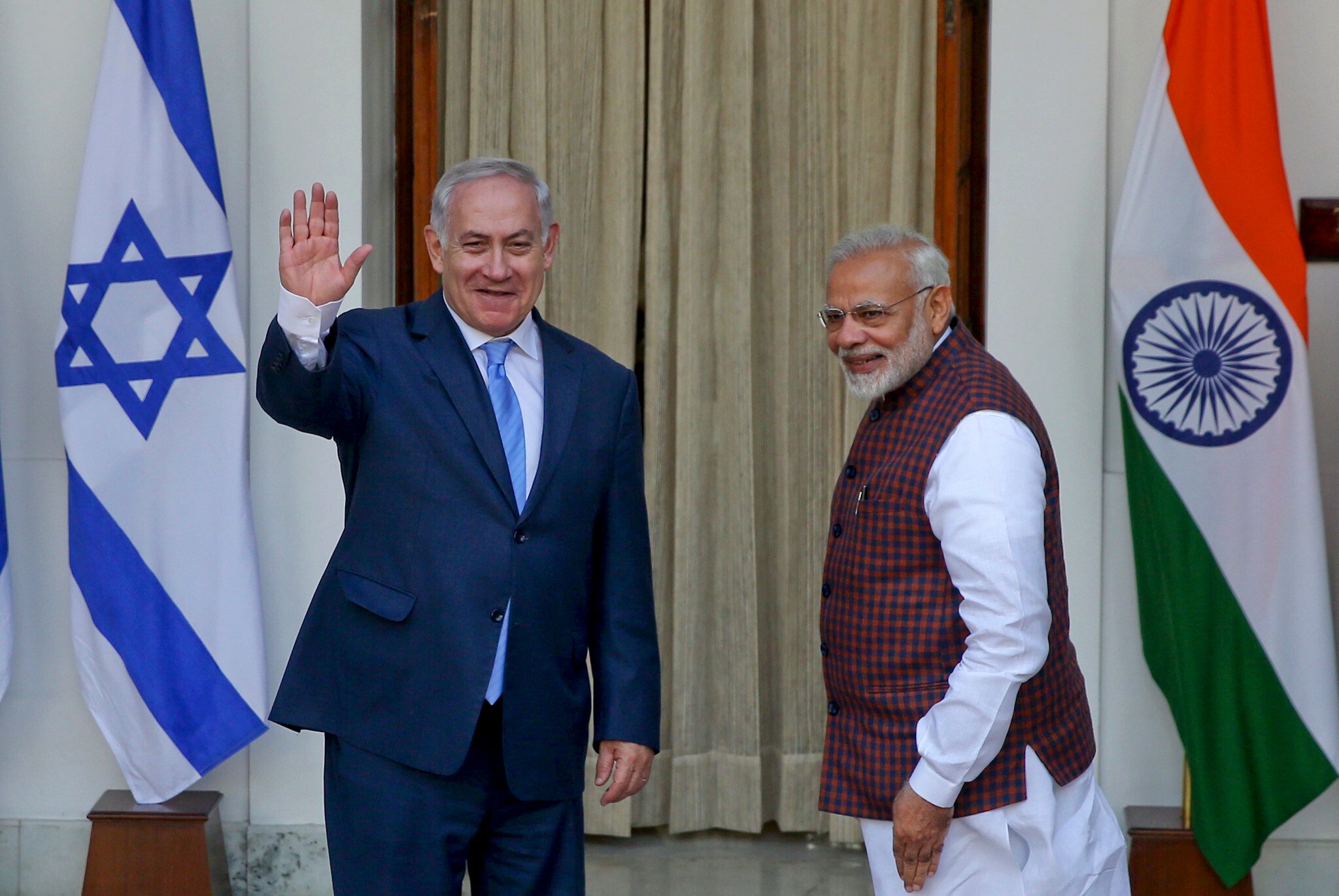
India's Prime Minister Narendra Modi, right, gestures and Israeli Prime Minister Benjamin Netanyahu waves to the media as they arrive for a meeting in New Delhi, India, Jan.15, 2018. (AP Photo, File)
Prime Minister Benjamin Netanyahu calls his Indian counterpart Narendra Modi to exchange New Year’s greetings.
“I extend my best wishes to the people of India,” writes Netanyahu on X. “Israel values the deep partnership with India and our shared determination to defeat terrorism.”
According to the Indian readout, Netanyahu briefed Modi on the Gaza ceasefire. “They reiterated their zero-tolerance approach towards terrorism in all its forms and manifestations and reaffirmed their commitment to fight this menace,” says Modi’s office.
As Israel tries to get other countries to recognize Somaliland, Netanyahu also discusses the issue with Modi, Israel Hayom reports.
Coalition to bring Knesset motion declaring High Court orders against Basic Laws ‘null and void’
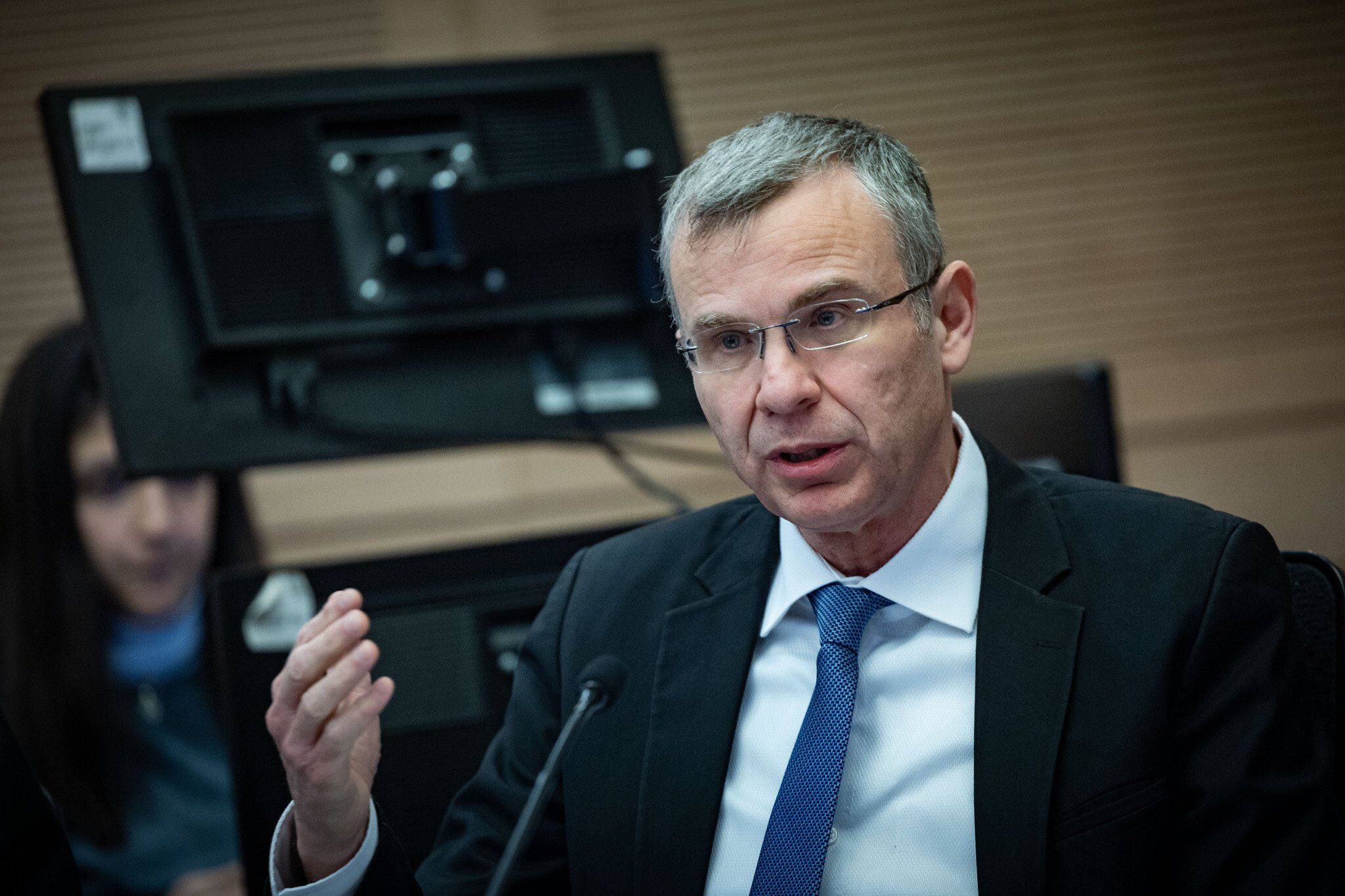
Justice Minister Yariv Levin attends a meeting of the Knesset Constitution, Law and Justice Committee, January 21, 2025. (Yonatan Sindel/Flash90)
In the latest move by the government against the High Court of Justice, the Knesset will debate and vote on a motion next week to declare that any court orders opposing amendments to quasi-constitutional Basic Laws are void.
Justice Minister Yariv Levin says he, along with Knesset Speaker Amir Ohana and Likud MK Avichay Boaron, led the drive for such a motion.
“A High Court of Justice decision to issue a provisional order against an amendment to a Basic Law is done without authority, and is null and void,” reads the motion.
Such motions do not have the force of law, but would symbolically pit the Knesset against the High Court, and further prepare the ground for the government to disobey the court over such decisions, which would create a severe constitutional crisis.
In an unprecedented ruling in January 2024, the High Court struck down the government’s amendment to Basic Law: The Judiciary to abolish the judicial principle of reasonableness, asserting that it violated Israel’s fundamental democratic character and was therefore an unconstitutional amendment.
And in December last year, it issued a provisional order requiring the government to justify another amendment, also to Basic Law: The Judiciary, which it passed in March increasing political control over the judicial selection process.
The government has until February 1 to respond to that order.
“Members of the Knesset stand by the authority of the Knesset, including the legislation of Basic Laws, and refuse to meekly accept the undemocratic effort to trample its authorities without any legal authority,” Boaron writes in the explanatory notes of his motion.
The High Court in its decision on the reasonableness law asserted that if a Basic Law or an amendment to one undermines the key characteristics of the State of Israel as a Jewish and a democratic country, the High Court has the authority to strike it down.
Netanyahu: Negev is out of control, we will rein it in
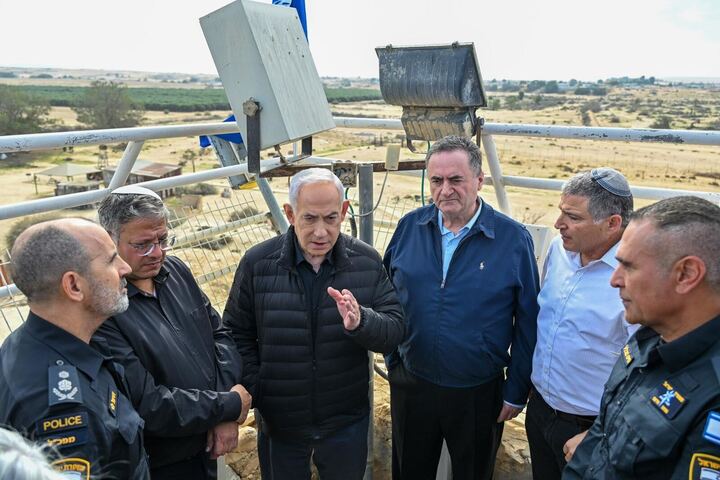
Prime Minister Benjamin Netanyahu tours the Negev with ministers and top security officials, January 7, 2026. (Kobi Gideon/GPO)
The Negev region in southern Israel is “out of control,” Prime Minister Benjamin Netanyahu says during a tour of the area with top defense, intelligence and law enforcement officials, while pledging a national project to restore governance.
“We will rein it in,” he says in a video, “and an important operation by the Israel Police has already begun in combination with other forces. To rein it in, we must understand that the criminal threat and the security threat blend into one. There are tens of thousands of weapons [in the region], drones crossing borders, and other threats.”
Netanyahu tours the western Negev with Defense Minister Israel Katz, National Security Minister Itamar Ben Gvir and the directors general of the Prime Minister’s Office and several ministries.
Overlooking the Bedouin town of Bir Hadaj, Shin Bet chief David Zini, Police Commissioner Danny Levy and Deputy IDF Chief of Staff Maj. Gen. Tamir Yadai brief Netanyahu on operations to combat weapons smuggling and possession in the area.
The group also discuss a five-year plan to expand construction of communities on the borders, with an emphasis on the Nitzana area on the Egyptian border, Netanyahu’s office says in a statement.
“Strengthening settlement in the Negev strengthens Israel’s security, strengthens sovereignty, and strengthens our hold on the land,” says Katz. “Settling the Negev is a strategic defensive line of prime importance for the state’s borders and the civilian home front.”
“Despite the efforts of criminal elements to intimidate us we are not flinching,” says Ben Gvir. “We will continue the operation throughout the Negev as long as necessary, with the goal of restoring security to residents.”
Defense Ministry calls surge in wounded soldiers ‘top-tier national challenge’
In response to a labor dispute declared at its Rehabilitation Department today, the Defense Ministry says the surge in wounded IDF and security personnel since Hamas’s October 7, 2023, onslaught constitutes a “top-tier national challenge,” adding that rehabilitation is at the core of its strategy.
The ministry says it has taken steps since the start of the war to bolster the department, including adding some 130 positions to its workforce, doubling its budget, establishing customer relations units nationwide to assist wounded veterans in accessing services, and expanding the range of support offered.
It acknowledges, however, that demand is expected to continue rising, with the number of patients projected to reach around 100,000 by 2028. The Rehabilitation Department, which is responsible for reintegrating injured IDF veterans and security personnel into civilian life by providing them with social services and financial support, currently treats some 82,000 people.
Accordingly, the ministry says Defense Minister Israel Katz and Finance Minister Bezalel Smotrich have appointed a joint public committee to examine expanding the national response to wounded IDF veterans, including additional staffing and resources for the Rehabilitation Department. The committee is expected to present its recommendations within three months.
The ministry adds that it recognizes the heavy burden placed on its employees and is working to strengthen resources and support staff, amid warnings by the Histadrut labor federation that workers could take action within two weeks if no solution is reached.
Herzog holds emergency meeting on Arab-Jewish relations in south amid unrest
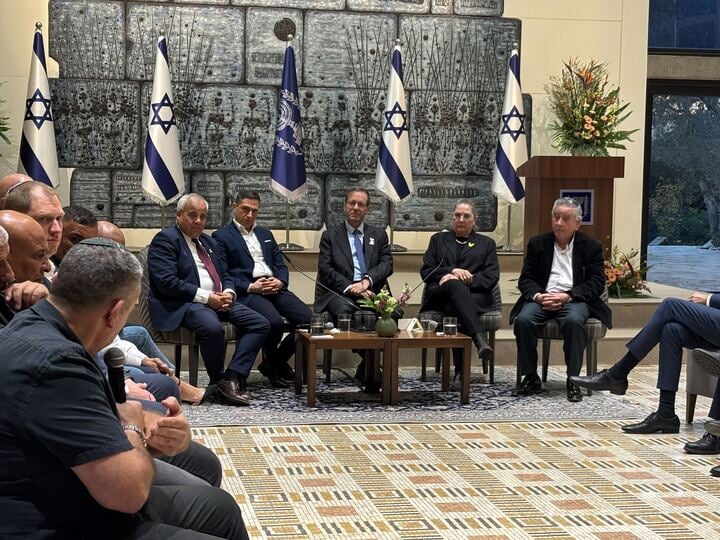
President Isaac Herzog speaks to Jewish and Bedouin council heads from the Negev at the President's Residence in Jerusalem on January 7, 2026. (Charlie Summers/Times of Israel)
President Isaac Herzog says that “it’s unthinkable that 11 Arab citizens were murdered this past week,” as violent crime continues to spiral in Arab society.
He is speaking to Jewish and Bedouin council members at the President’s Residence after four Arab Israelis were killed last night, including a 20-year-old medical student in Ararat an-Naqab.
“They deserve to live in security like Jewish citizens in the country,” he says, calling the years-long crime wave in Arab society a “national catastrophe and national challenge.”
But the meeting’s main focus is Jewish-Arab relations in the Negev, which Herzog says have reached a “state of emergency” in recent weeks.
He called the emergency meeting with local politicians amid an ongoing police crackdown on crime in Bedouin society and after the torching of cars in nearby Jewish towns, thought to have come in revenge for law enforcement operations.
On Saturday night, tensions reached a fever pitch in the south after an officer shot and killed 36-year-old Muhammad Hussein Tarabin on his doorstep, an incident that is still being investigated.
Herzog called on investigators to see the probe of the lethal incident to its completion. “I think it’s very important, so that both Bedouin and Jewish citizens know the truth,” he says.
The president says that Jewish and Bedouin residents face the challenge of “living together as children of Abraham in this land.”
“I very much appreciate the Bedouin community. There are bright and smart people here and their contribution to the state is massive,” he says.
He calls on Jewish and Arab politicians to convey a message to residents that “we want to continue to live together and start to change direction.”
IDF says it killed Hezbollah aerial unit operative in southern Lebanon strike
The IDF says the strike earlier today in southern Lebanon’s Jouaiyya targeted and killed a Hezbollah operative from the group’s aerial unit, known as Unit 127, who was involved in efforts to rehabilitate the terror group’s military infrastructure.
According to the military, the operative’s activities constituted a “blatant violation” of the understandings between Israel and Lebanon.
The IDF says the operative was the second from Hezbollah’s aerial unit killed in Israeli strikes over the past two days, without specifying which earlier strike it was referring to.
צה"ל חיסל מחבל מהיחידה האווירית (127) של ארגון הטרור חיזבאללה שעסק בשיקום תשתיות צבאיות
צה"ל תקף מוקדם יותר היום במרחב ג'ויא שבדרום לבנון, וחיסל מחבל מהיחידה האווירית (127) של ארגון הטרור חיזבאללה.
המחבל עסק בניסיונות שיקום תשתיות צבאיות של ארגון הטרור חיזבאללה במרחב. זהו המחבל… pic.twitter.com/HzNYdKCpfD
— צבא ההגנה לישראל (@idfonline) January 7, 2026
Earlier, Lebanese authorities reported that one person was killed and another wounded in a drone strike on a vehicle in the area, while Arabic media published footage showing first responders at the scene near the burning wreckage.
US seizes 2 sanctioned oil tankers linked to Venezuela in the North Atlantic and Caribbean
The United States has seized two sanctioned oil tankers linked to Venezuela in back-to-back actions in the North Atlantic and the Caribbean, officials say.
US European Command announces the seizure of the merchant vessel Bella 1 for “violations of US sanctions” in a social media post. The US had been pursuing the tanker since last month after it tried to evade a US blockade on sanctioned oil vessels around Venezuela.
Secretary of Homeland Security Kristi Noem reveals that US forces also took control of the tanker Sophia in the Caribbean. Noem says in a social media post that both ships were “either last docked in Venezuela or en route to it.”
Noem says both ships are part of a large “ghost fleet” of sanctioned vessels that carry oil from Russia, Iran and Venezuela in defiance of Western sanctions, mostly to customers in Asia.
White House says Venezuela’s decisions to be ‘dictated’ by US

White House press secretary Karoline Leavitt takes a television interview at the White House, December 16, 2025, in Washington, DC. (AP/Alex Brandon)
The United States has “maximum leverage” over Venezuela’s interim authorities following the capture of Nicolas Maduro and will dictate any decision they make, the White House says.
“We’re continuing to be in close coordination with the interim authorities, and their decisions are going to continue to be dictated by the United States of America,” Press Secretary Karoline Leavitt tells a briefing.
Frenchwoman accused of libel over Nazi ‘collaborator’ family novel
A historian of the Nazi occupation of France is being sued by her own relatives for alleged libel after she promoted her first novel as inspired by her family’s history.
Cecile Desprairies, 68, says her debut novel “The Propagandist” — published in English last year — is inspired by her own childhood, but family members have accused her of lying and want the title removed from bookstores.
“It’s a fact: I grew up in a collaborationist family. They all were — to varying degrees,” Desprairies said after the book came out in French in 2023.
She was not present in court today, but a lawyer represented her.
In the novel, the narrator’s family all have different names to those of the author’s real-life relatives, but the plaintiffs — the author’s brother and another relative — say they are clearly identifiable.
Happy pub day to Cécile Desprairies on The Propagandist – an amazing, poignant and important ????which shows why historical fiction matters.@NewVesselPress @villa_albertine
Honored Cécile signed my copy in Paris chez Elle ???????? pic.twitter.com/EqdymiUjkx— carablack #Huguette (@carablack) October 8, 2024
In a legal complaint against Desprairies and her publisher seen by AFP, they accuse her of libel against her mother, great-uncle and half-brother of her grandmother. Both deny the charges.
IDF, Shin Bet strike ‘senior terrorist’ after Hamas fire at troops in northern Gaza
Hamas operatives opened fire toward an area in the northern Gaza Strip where Israeli forces were operating earlier today, the IDF and Shin Bet say, calling the incident a “blatant violation” of the ceasefire agreement.
In response, according to a joint statement, the IDF and the Shin Bet carried out a strike on a “senior terrorist” who was allegedly advancing terror plots against IDF troops in northern Gaza.
Further details will follow, the statement says.
Honduras’s conservative president-elect, of Palestinian descent, to visit Israel

Nasry Asfura gestures during general elections in Tegucigalpa, Honduras, November 30, 2025. (AP/Moises Castillo)
Honduras’s conservative president-elect, Nasry “Tito” Asfura, will arrive in Israel for a visit on January 17, two government offices tell The Times of Israel.
He will meet Prime Minister Benjamin Netanyahu, President Isaac Herzog, and Foreign Minister Gideon Sa’ar during his visit.
Asfura, of Palestinian Christian descent, is expected to improve ties with Israel after four years of leftist rule.
He will be sworn in on January 27.
Israel’s prospects in Latin America have improved in recent months, with a right-wing government coming to power in Bolivia and the US capturing Venezuela’s President Nicolás Maduro, a close ally of Iran.
Canadian Jewish orgs ‘disappointed’ by light sentence for defacer of Holocaust monument
Canadian Jewish organizations say they are disappointed by the light sentence given to a man who vandalized the National Holocaust Monument in Ottawa, Canada, last summer.
In July, 46-year-old Iain Aspenlieder pled guilty to defacing the monument by painting the words “FEED ME” on it in blood-red paint.
He was sentenced today to five months of time already served, as well as two years of probation when he may not approach Jewish or Israeli institutions and is prohibited from possessing firearms.
Justice Anne London-Weinstein ruled that the vandalism was not motivated by hatred, despite its clear impact on the Jewish community.
Former City of Ottawa lawyer sentenced for defacing Holocaust Memorial https://t.co/tZURlcl0Ks pic.twitter.com/shl61uHN2l
— Ottawa Citizen (@OttawaCitizen) January 7, 2026
Following the sentencing, the Centre for Israel and Jewish Affairs says: “We are deeply disappointed that today’s sentence, delivered just three weeks before International Holocaust Remembrance Day, does not reflect the gravity of what is indeed a hateful act and its impact on the Jewish community, not only in Ottawa but across Canada.
“Holding perpetrators accountable is essential to protecting the dignity of victims and safeguarding the values that unite us as Canadians,” the organization adds.
The Canadian-based Friends of Simon Wiesenthal Center (FSWC) also says it is “deeply disappointed” that the penalty amounted only to time already served, with no additional jail time imposed.
“At a time when antisemitic incidents are rising across Canada, this minimal sentence sends the wrong message — that even the desecration of a national Holocaust memorial can be met without meaningful consequences,” says FSWC senior director of policy and advocacy Jaime Kirzner-Roberts.
Two said killed, others wounded in Israeli strike in Gaza City
Two people have been killed and several others wounded in an Israeli strike on a home in Gaza City’s eastern Tuffah neighborhood a short while ago, according to Palestinian media.
The dead are not immediately identified. Footage published by Palestinian media shows people wounded in the strike arriving at Gaza City’s al-Ahli Baptist Hospital, including an elderly woman in a bloodied headscarf and a young man lying on a stretcher.
مشاهد من نقل جرحى بعد قصف طيران الاحتلال منزلًا لعائلة "علوان" في حي التفاح، شرق مدينة غزة. pic.twitter.com/FT2pBTmXnF
— القسطل الإخباري (@AlQastalps) January 7, 2026
The IDF and Shin Bet said they targeted a “senior terrorist” in the northern Gaza Strip this evening in response to shots fired toward IDF troops by Hamas operatives earlier.
Palestinian outlets identify the targeted home as belonging to a family, but do not indicate who the target may have been. According to the reports, the home is on Tuffah’s Jaffa Road, which lies on the Hamas-controlled side of the Gaza ceasefire line.
IDF: West Bank attacker shot after hurling Molotov cocktails at troops
The IDF says troops from the Samaria Regional Brigade came under attack earlier today during operational activity in the Beita area, near Nablus, after a Palestinian assailant hurled Molotov cocktails at the forces.
According to the military, the soldiers responded by opening fire at the attacker, who was hit. The IDF gives no details on his condition.
No Israeli troops were injured in the incident.
Report: PM tells ministers Trump gave green light for new offensive against Hezbollah
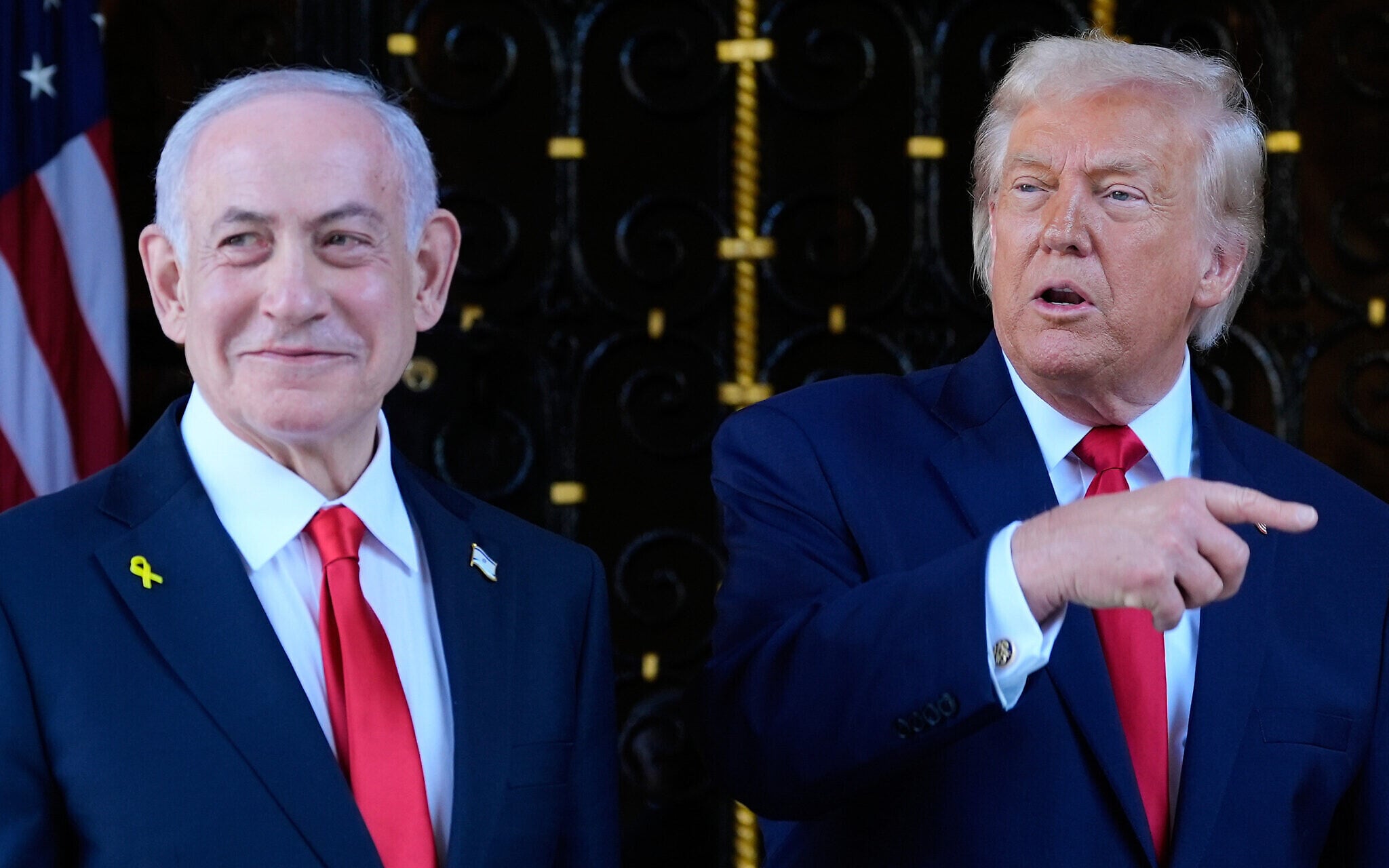
US President Donald Trump (right) speaks to reporters as he greets Prime Minister Benjamin Netanyahu at his Mar-a-Lago club, December 29, 2025, in Palm Beach, Florida. (AP/Alex Brandon)
Prime Minister Benjamin Netanyahu has told cabinet ministers that US President Donald Trump has given the green light for a fresh Israeli offensive against Hezbollah in Lebanon, Kan news reports, without citing sources.
The report says both Jerusalem and Washington are unhappy with the Lebanese government’s efforts to tackle the Hezbollah threat.
Kan does not say whether a major assault on the Lebanese terror group is imminent.
Syrian government demands Kurdish fighters leave Aleppo neighborhoods
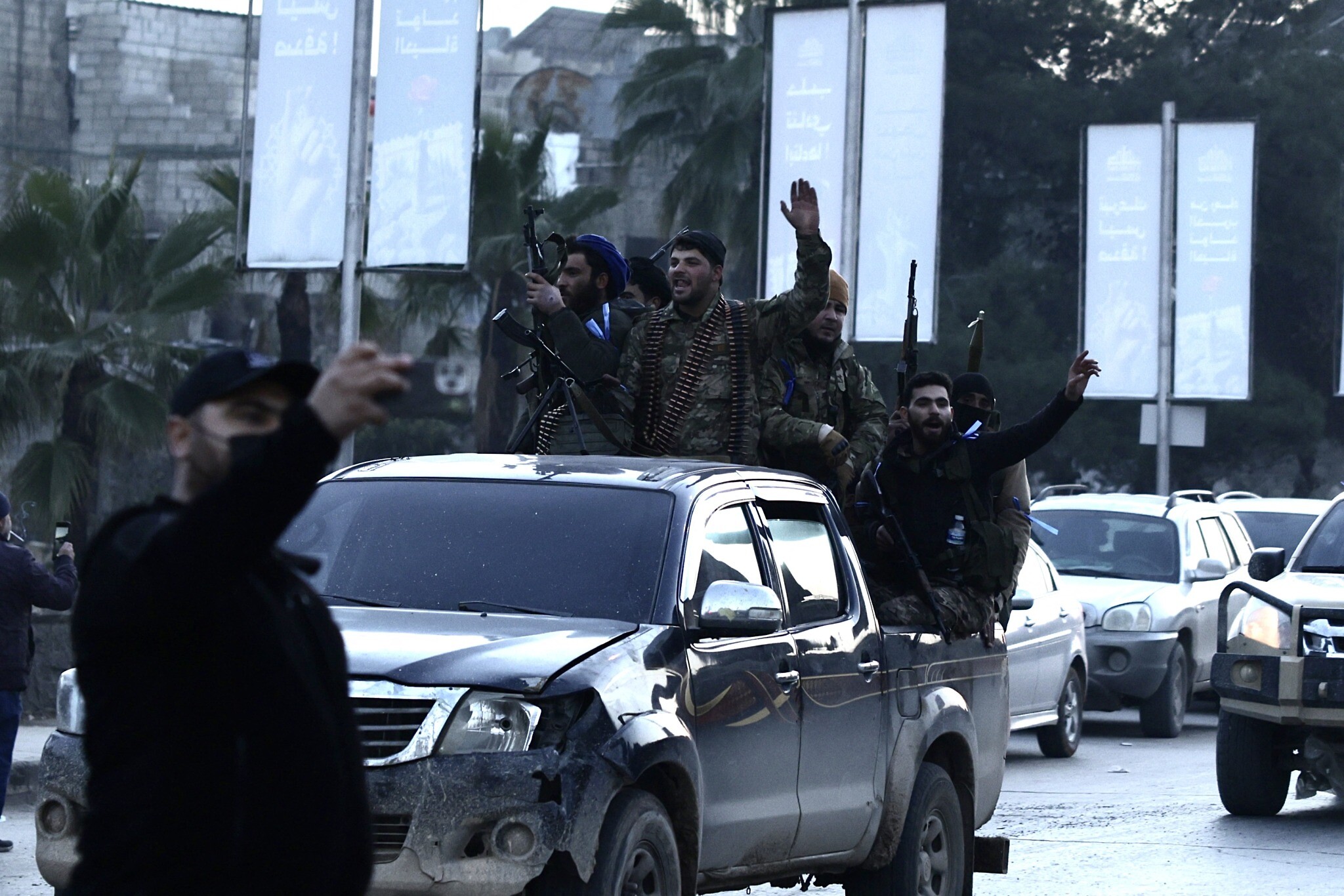
Security forces deployed near Aleppo's Sheikh Maqsud and Ashrafieh neighborhoods, on January 7, 2026. (Bakr ALkasem / AFP)
Syria’s government demands that Kurdish fighters leave the neighborhoods they control in Aleppo following clashes between the two sides, which saw thousands of civilians flee.
The Syrian government and Kurdish-led forces traded blame over who started the deadly clashes on Tuesday, which killed 16 civilians and one defense ministry member.
The violence comes as the two sides have so far failed to implement a March deal to merge the Kurds’ semi-autonomous administration and military into Syria’s new Islamist government.
In a statement, the government expresses its “demand for the withdrawal of armed groups from the Sheikh Maqsud and Ashrafiyeh neighborhoods.”
The Syrian military shelled the neighborhoods after declaring them “closed military zones” from 12:00 p.m. GMT. An AFP correspondent reports that the intensity of the bombardment was decreasing by the evening, but tanks and soldiers remained deployed around the areas.
Man killed in blast at Ashkelon factory
A man aged around 50 has been killed in an explosion at a factory in Ashkelon.
Medics arrived at the scene after a tank at the factory exploded for reasons that are not immediately clear. They were forced to declare the man dead at the scene.
Report: IDF soldier seen firing volley of shots toward Gaza gets 20 days in prison
An IDF soldier who was seen in a video firing a volley of shots toward Gaza received a sentence of 20 days in prison, the Kan public broadcaster reports.
There is no official word from the army as of yet.
The report says the IDF will weigh whether he will be able to return to combat afterward. The military tells Kan in a statement that the video represents “a grave incident that does not accord with the values of the IDF and with the standards expected of combat soldiers and their commanders.”
The video comes as concern is said to have risen within the IDF’s top brass about inappropriate behavior among troops. Kan reported that this week, the IDF General Staff held a discussion about disciplinary issues, including misuse of weaponry, disobeying orders, and flaunting proper procedure. IDF leadership was reportedly planning to stress discipline among troops.


read more: