

 From the Liveblog of
Tuesday, January 27, 2026
From the Liveblog of
Tuesday, January 27, 2026
Despite modern social reforms, Tunisia’s textbooks still full of antisemitic rhetoric — study
 Add ToI as a Preferred Source on Google
Zev Stub is the Times of Israel's Diaspora Affairs correspondent.
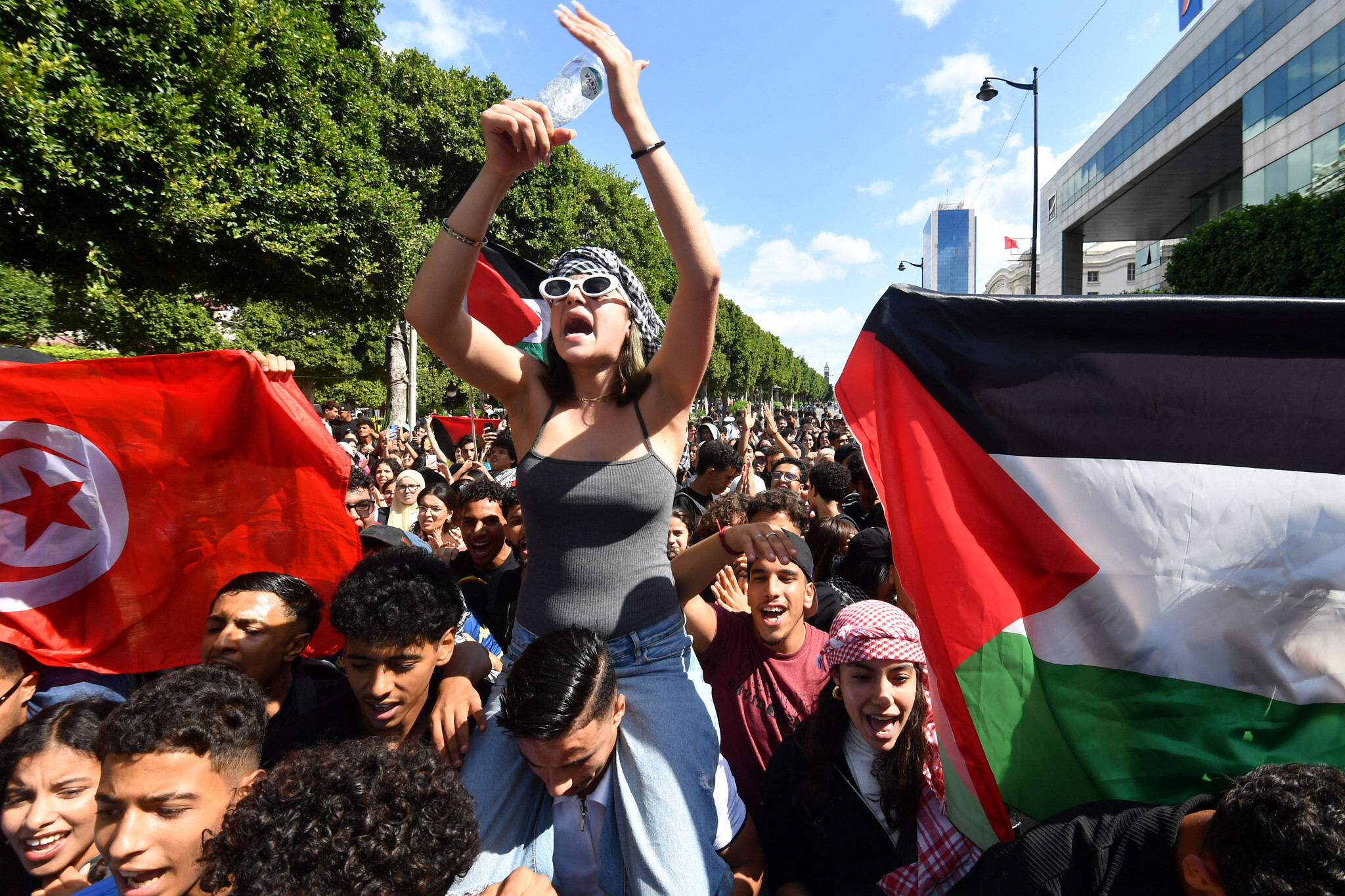
A new study of Tunisia’s national school curriculum reveals a sharp divide between modern social reforms and persistent antisemitic rhetoric, according to a new report by The Institute for Monitoring Peace and Cultural Tolerance in School Education (IMPACT-se).
The study examined primary and secondary school textbooks across multiple subjects, measuring them against UNESCO-based standards for peace and tolerance in education.
IMPACT-se analyzed 80 textbooks across grades 1-13, finding that while Tunisia successfully promotes gender equality and intercultural tolerance, those values are “selectively applied.”
The report highlights troubling tropes that depict Jews as greedy and conspiratorial. One Grade 11 textbook portrays a Jewish merchant as deceitful, claiming such traits are inherent to all Jews.
Hostility toward Israel remains a core theme, with curriculum framing Zionism as a colonialist project and referring to Israel as the “Zionist entity.” Researchers found instances where violence is glorified, including a Grade 13 history book that labels the 1972 Munich Olympic massacre a “fedayeen operation” rather than an act of terrorism.
Despite these findings, the curriculum earns praise for celebrating women’s empowerment and rejecting religious radicalism.
“Today’s Tunisian curriculum champions modern, enlightened values,” says IMPACT-se CEO Marcus Sheff. “It loudly celebrates gender equality, condemns racism, and encourages civic duty, tolerance, and peaceful dialogue. These are strong signals of a society moving forward.”
“However, these values cannot be selectively applied,” he continues. “It is entirely unacceptable that antisemitic imagery and rhetoric remain across subjects, and that violence against Israel is at times justified and even glorified. If Tunisia sees itself as an example of progress in the region, then this underbelly of discrimination must be addressed.”
Previous investigations by IMPACT-se have found positive trends in countries like France, Greece, Kazakhstan, Uzbekistan and Azerbaijan. More worrying trends have been identified in school curricula in European countries like Ireland and Poland.







The Times of Israel Community.