

 From the Liveblog of
Monday, November 16, 2026
Finance Ministry officials tell Knesset they still don’t know when US military aid will cease, after Trump announcement
 Add ToI as a Preferred Source on Google
Stav Levaton is a military reporter for The Times of Israel
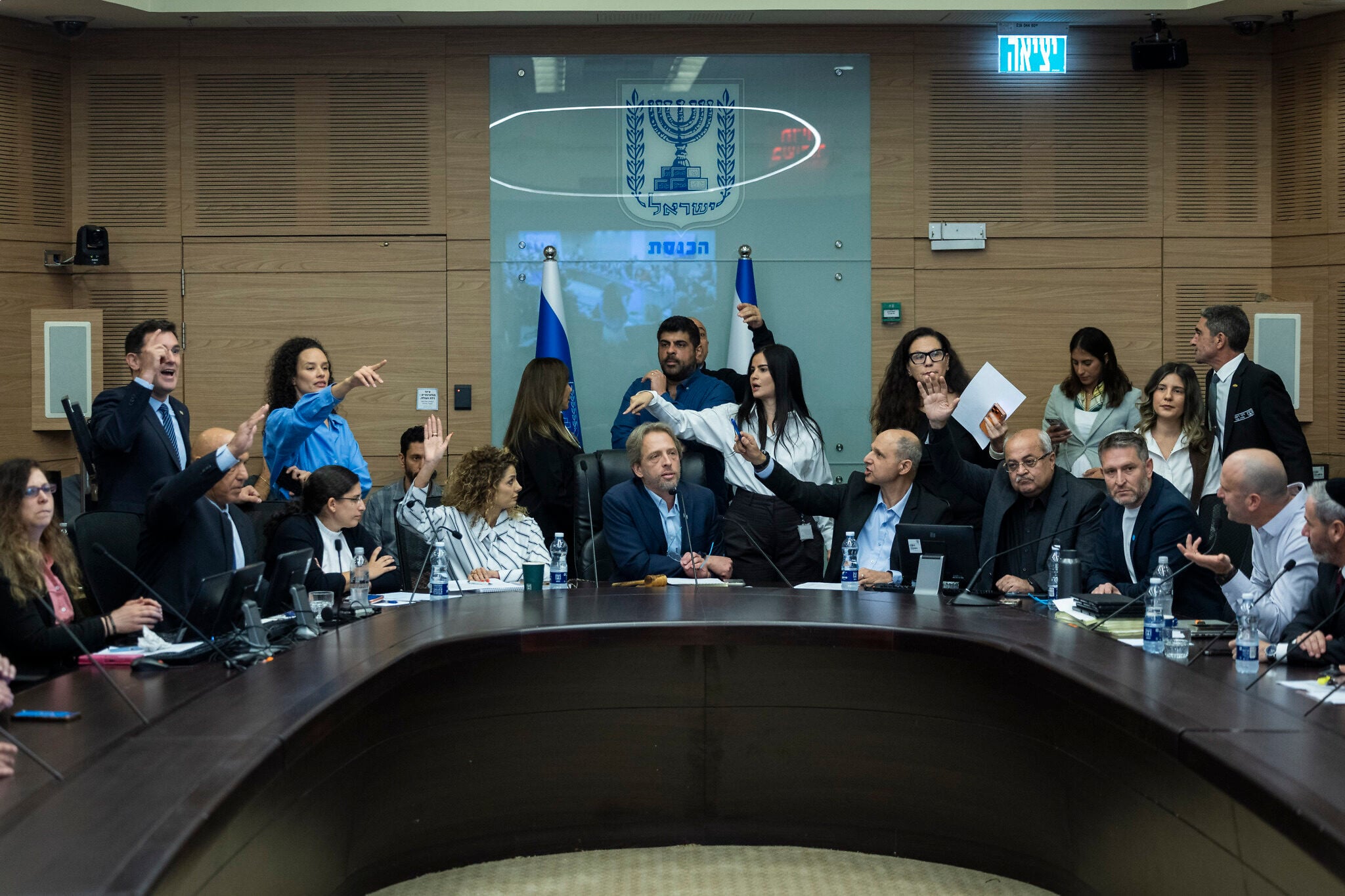
Senior Finance Ministry officials reiterate to the Knesset Finance Committee that they had not been informed ahead of time that the United States might end its military aid to Israel, and say they still do not know whether a cutoff will take effect immediately or when the current agreement expires in late 2028.
In an interview on November 3, US President Donald Trump declared that the US would cease aid to Israel by the end of the year, noting that Israel had been the one to push the idea. US and Israeli officials have since told The Times of Israel that Trump’s administration plans to continue providing security assistance to Israel in the coming years.
“We did not know about the announcement,” Shira Amiel Ben Abba, deputy director of the Finance Ministry’s Budget Department, tells the temporary Finance Committee. “I cannot now say with certainty whether the aid will end at the end of this year or at the end of the agreement in 2028.”
Israel’s memorandum of understanding with the US provides Jerusalem $3.8 billion in aid annually.
Officials say Israel has been relying on more than $31 billion in current and anticipated funds, including about $24.8 billion in commitments beyond the existing agreement. The Defense Ministry is leading a review of possible alternatives, they add.
Ending the arrangement could reduce Israel’s GDP by about 0.5% annually, according to the Finance Ministry. Officials say the government would have to balance defense needs against higher debt, cuts to civilian spending, or tax increases.
Defense spending has risen from 4.4% of GDP in 2022 to about 8% in 2026, due to the ongoing war, while the debt-to-GDP ratio has climbed from 60% to around 69%, officials say. The Defense Ministry’s budget now stands at about NIS 161 billion ($49.6 billion), and the ministry says it needs another NIS 25 billion ($7.7 billion), Ben Abba says.
“It really troubles me that senior Finance Ministry officials are sitting here and saying: ‘We didn’t know; we woke up in the morning and heard an announcement from the US president, along with everyone else in the world,'” says committee chair Liran Avisar Ben Horin.
Yashar MK Shaul Meridor accuses Prime Minister Benjamin Netanyahu of making the decision without consulting officials.
“The Israeli public will pay an additional NIS 12 billion ($3.7 billion) every year – not because it is necessary, but because Netanyahu decided he felt like giving up the State of Israel’s existing rights,” Meridor says. “He did not consult the professionals.”
B’Yachad MK Noam Tibon stresses that the government has not made clear what arrangement Netanyahu reached with US President Donald Trump.
“Decisions made by one person – that is not how a country is run,” he says, adding that the budget shortfall should not be covered “on the backs of Israeli citizens.”
Some lawmakers argue that reducing Israel’s dependence on US aid could be desirable in the long term. Otzma Yehudit MK Chanamel Dorfman calls the end of US military aid a “good thing,” saying, “this dependence is wrong… we are a sovereign country, and we have our own priorities in defense as well.”






The Times of Israel Community.