

 From the Liveblog of
Wednesday, March 4, 2026
From the Liveblog of
Wednesday, March 4, 2026
IDF reveals how Israel, US divide strike zones, target types amid Iran conflict
 Add ToI as a Preferred Source on Google
Emanuel (Mannie) Fabian is The Times of Israel's military correspondent
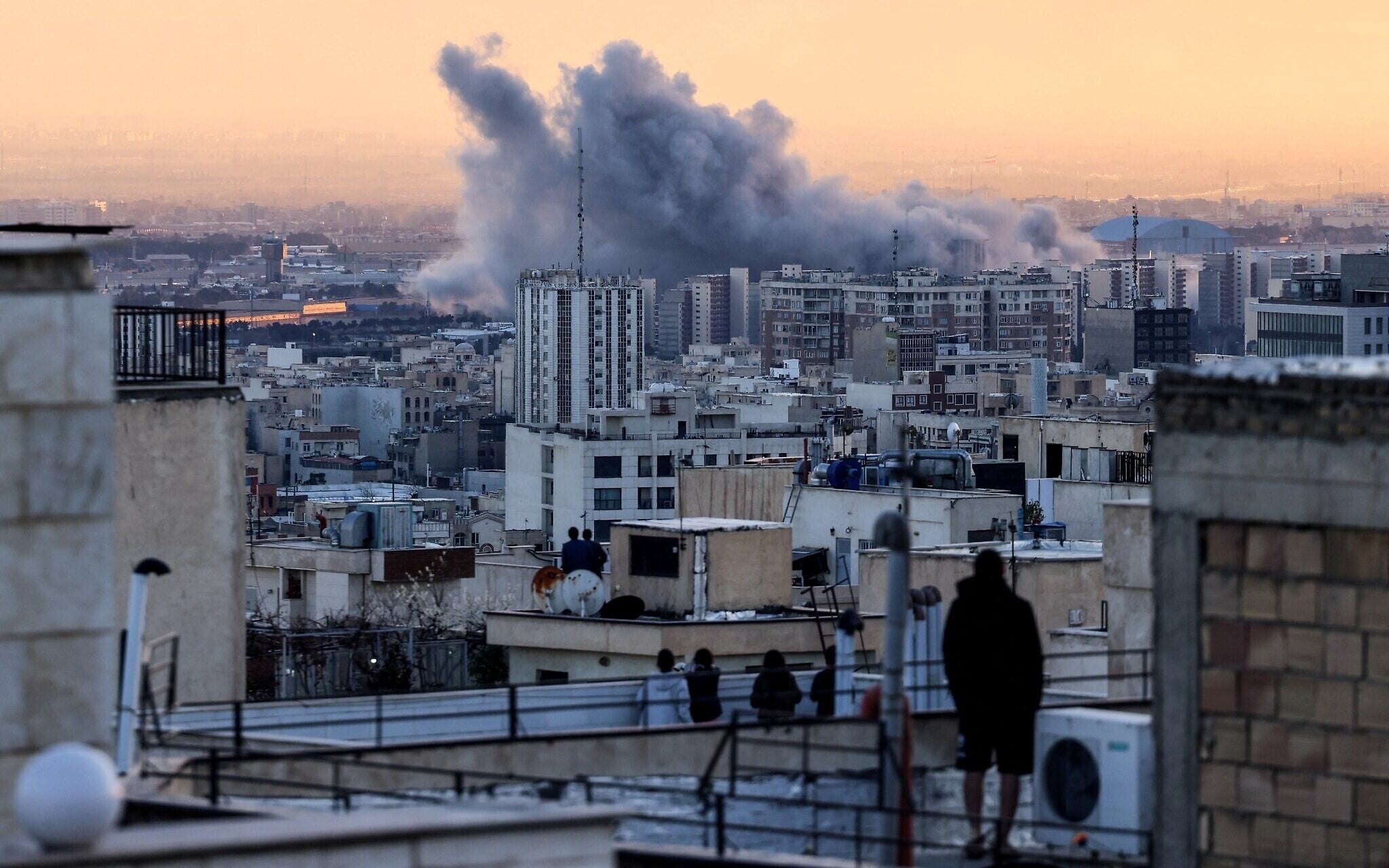
The Israeli military reveals how it is dividing the work with the American military amid the ongoing campaign against Iran, both geographically, by target types and by relative advantage.
Geographically, the Israeli Air Force has been operating against Iranian ballistic missile launchers and other military assets in western and central Iran. This is because Iran fires long-range ballistic missiles at Israel from those areas.
Meanwhile, the American military has been operating against Iranian missile launchers in Iran’s south, as it has used those areas to fire shorter-range missiles on US bases in the Gulf.
For target types, Israel and the US have also split their work. The American military, for example, has taken responsibility for targeting the entire Iranian Navy. Israel has meanwhile focused on other targets, based on relative advantage, such as regime sites in Tehran.
Additionally, the Israeli Air Force has relied heavily on the US military’s aerial refueling capabilities, as the US military has roughly 10 times the IAF’s refueling fleet. Dozens of US refueling tankers have been stationed in Israel amid the conflict.
Israeli military officials describe the conflict as the first full-scale joint war between Israel and the US, following extensive joint planning in recent months.
There are ” joint coordination cells” in both Israel and the US operating amid the campaign, synchronizing intelligence, targets, and defense, according to the IDF. More than 1,000 American troops are stationed in Israel.
“This is a war in English,” a military official says.
IDF Chief of Staff Lt. Gen. Eyal Zamir has meanwhile been speaking with US CENTCOM chief Adm. Brad Cooper daily, according to the military.








The Times of Israel Community.