

 From
From Lapid promises closer look at NSO Group
 Add ToI as a Preferred Source on Google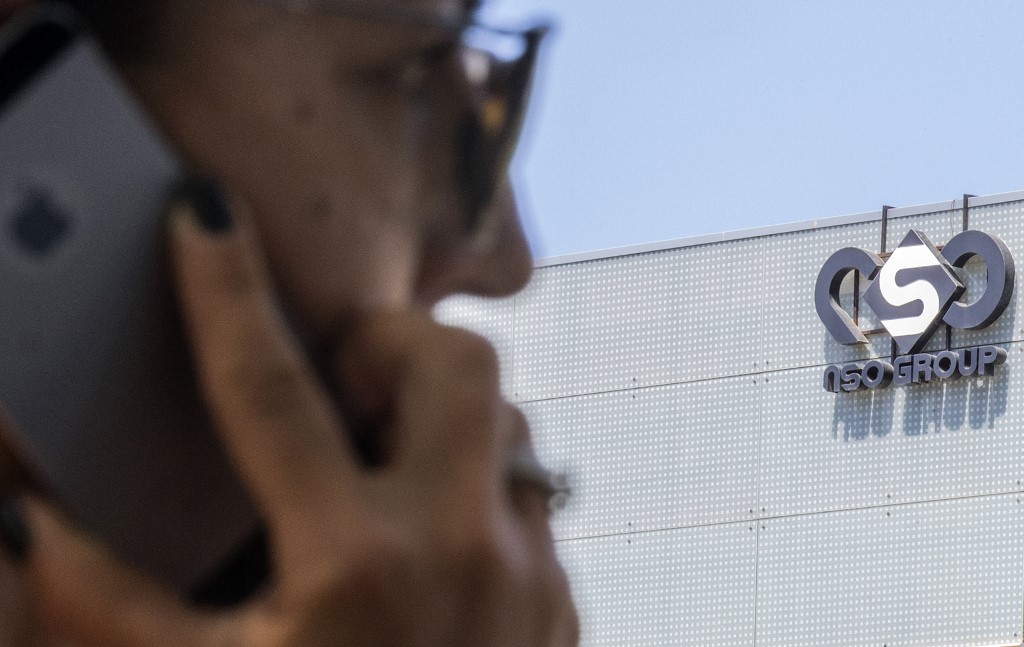
Israel’s foreign minister plays down criticism of the country’s regulation of the cyberespionage firm NSO Group, but vows to step up efforts to ensure the company’s controversial spyware doesn’t fall into the wrong hands.
Speaking to foreign journalists, Yair Lapid says the government has only limited control over how defense exports are used by customers. Yet, he says that Israel is committed to enforcing and strengthening safeguards to prevent abuse of all types of weapons.
“We are going to look at this again,” Lapid says. “We’re going to make sure, or try to make sure to the extent of what is doable and what is not, that nobody is misusing anything that we sell.”
NSO has come under widespread criticism over reports that its flagship spyware product, Pegasus, has been misused by governments to spy on dissidents, journalists, human rights workers and possibly even heads of state. Pegasus is able to stealthily infiltrate a target’s mobile phone, giving users access to data, email, contacts and even their cameras and microphones.
NSO has denied wrongdoing. It says it sells Pegasus only to governments and only for the purpose of catching criminals and terrorists.
Israel’s Defense Ministry regulates all arms exports, including cyber products. In late July, the ministry said it had sent a team to meet with NSO representatives after France said it was looking into suspicions that President Emmanuel Macron may have been targeted by Moroccan security agents using Pegasus spyware.
Morocco has denied the allegations, and NSO has said Macron’s phone was not targeted.
Lapid, saying he was aware of the “rumors” about NSO, compares cyber exports to traditional arms sales. He says that despite the many safeguards in place, it is impossible to guarantee what a customer will do with the weapon.
“Once you have sold the jet, the cannon, the gun or the missile, or Pegasus, it is in the hands of the government who bought it,” Lapid says. “So we’re trying our best to make sure it doesn’t fall into the wrong hands. But no one has an ability to fully protect the other side after it was sold.”
But he says Israel is working to make sure that nobody is using Pegasus “against civilians or against dissidents.”








The Times of Israel Community.