

Manufacturers warn shekel’s mighty surge could lead to layoffs and brain drain
Shekel trading at four-year high is making Israeli goods and services more expensive abroad; Manufacturers Association warns exporters at risk of losing NIS 31B in revenue a year
 Add ToI as a Preferred Source on Google
Sharon Wrobel is a tech reporter for The Times of Israel
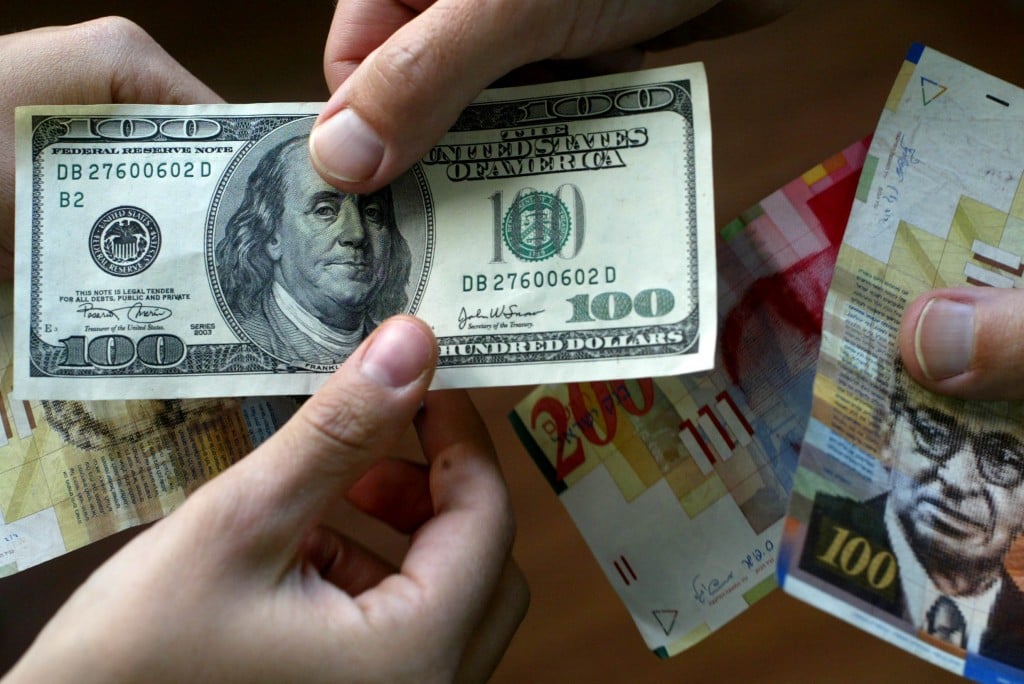
Israeli manufacturers warned on Monday that, without government action, the continued appreciation of the shekel will erode exporters’ profits, lead to a wave of job cuts in the industry and the tech sector, and pose a threat to economic growth prospects.
“The appreciation of the shekel is seriously damaging industry and high-tech,” said Manufacturers’ Association of Israel (MAI) President Avraham (Novo) Novogrotzky. “Without emergency measures, this could lead to a wave of layoffs, significantly harm the industry in the periphery, and cause the economy to deteriorate into a deep recession.”
Novogrotzky and Alon Ben Zur, chairman of the Israeli High-Tech Association, have asked Knesset Finance Committee Chairman Hanoch Milwidsky to convene an urgent committee meeting, while calling on the government to formulate a national emergency plan.
The plea comes after Bank of Israel Governor Amir Yaron recently indicated that the central bank is not rushing to intervene in the foreign exchange market, and emphasized that it is the government’s responsibility to provide assistance to exporters affected by the local currency’s strength.
The shekel has been trading around a four-year high against the dollar, and is close to hitting a historic 30-year peak, fueled by continued gains in the local stock market, a bonanza of investment inflows into local tech and defense companies, and a weakening dollar globally. So far in 2026, the shekel has gained around three percent versus the dollar, and about 18% over the past year.
A strong shekel lowers the cost of imports and industrial raw materials, as well as travel, and ultimately should contribute to reducing the cost of living.
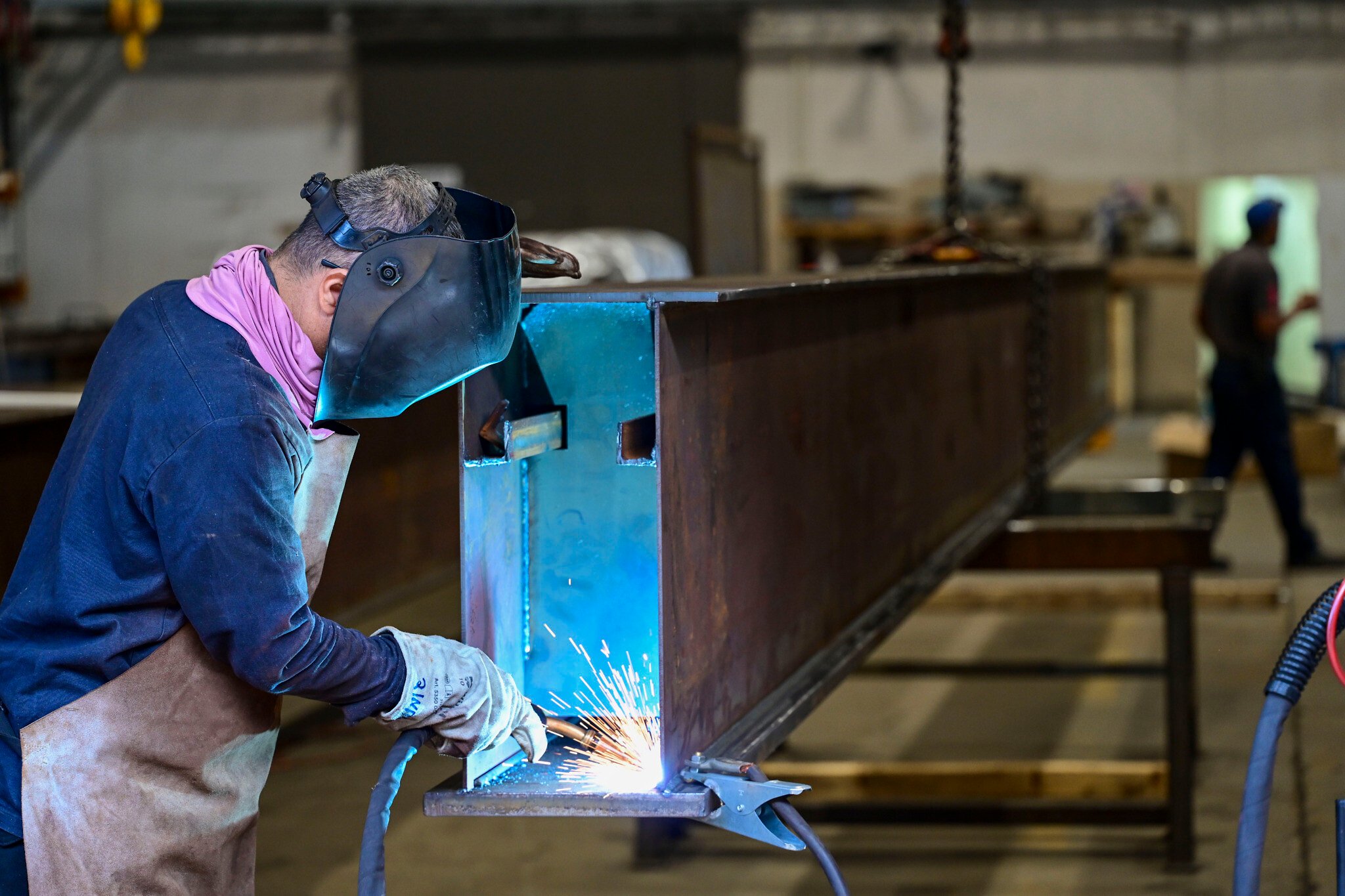
But with exports making up as much as 40% of economic activity, exporters who sell primarily to the US and Europe have been vocal about their diminishing competitiveness, especially as it coincided with a 15% tariff on Israeli goods entering the US and a spike in the costs of payroll, fuel, electricity, and other living expenses. Exporters, high-tech, and multinational companies earn in dollars, but pay workers, taxes, and other expenses in shekels.
“This situation is eroding the economic viability of multinational and foreign companies to operate development centers in Israel,” said Novogrotzky. “Without a response, we expect a spike in brain drain and development centers moving abroad, which will seriously damage Israel’s brand as a startup nation, and incur huge losses in future tax revenues.”
According to calculations by the Manufacturers’ Association of Israel, a continued surge in the shekel squeezes exporters’ profitability, putting them at risk of losing about NIS 31 billion ($10 billion) in revenue a year.










The Times of Israel Community.