

MKs clear far-reaching anti-terror bill for Knesset vote
Legislation would send supporters of terrorism to prison for 3-5 years, assign up to 15 years to any who aid attackers
 Add ToI as a Preferred Source on Google
Sue Surkes is The Times of Israel's environment reporter

A prison term of up to seven years will await anyone found guilty of threatening to commit a terror attack, if a new draft anti-terror bill, approved Monday for second and third readings in the Knesset plenum, is signed into law.
Publicly expressing support for a terror organization would be punishable by three to five years behind bars, under the bill. That would include publicizing “praise, support or sympathy” for such a group, raising its flag, displaying its symbols, or playing slogans or songs associated with it.
The far-reaching bill, lauded by its backers for enabling Israel to effectively confront terrorism, but lambasted by its opponents as a setback for civil rights, would end years of deliberation — including 30 Knesset committee meetings stretching over three different governments. It merges two private member bills and three government-sponsored bills and will replace all previous anti-terror laws and regulations, including those from the British Mandate era, before the State of Israel was established.
Supported by 10 out of 12 members of the Knesset Constitution Law and Justice Committee, the bill sets out rules for designating individuals or organizations as terrorist, detaining suspects, punishing those found guilty, confiscating property and preventing terror activity.
The bill does not make a distinction between attacks on civilians and soldiers.
It casts a wide net over those it deems eligible for punishment for involvement in, or association with, terror acts or organizations. Individuals providing goods and services to terrorists — such as accommodation, transport, gasoline, food or smartphones — could be locked up for five years. Those who do not act immediately on information about a possible planned terror act by reporting it to the security services would face three years in prison.
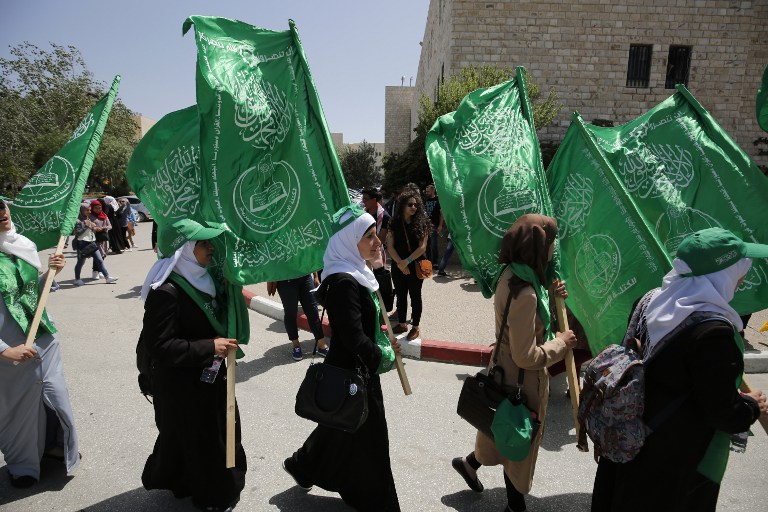
In addition, any district police commander will be able to break up any gathering if there is any reason to suspect that it is connected to a terror organization. And lawyers will be prevented from meeting with more than one defendant in a case where this would be deemed threatening to an investigation.
Additional jail terms vary from 25 years and up for heads of terror organizations; 10-15 years for those in management or command positions; seven years for recruiting, and five to seven years for membership in a terror organization.
Nissan Slomiansky, chairman of the committee, said the proposed law gives security services the power to fight terror while remaining balanced and “restrained.” He said the bill had been translated into English so that experts elsewhere in the world could study it.

Deputy Attorney General Raz Nazri, who led working groups on the draft within the Justice Ministry, said discussions had been held on substance and not along party lines.
But Osama Sa’adi of the Joint (Arab) List — one of two committee members who voted against the bill — claimed the move represented a serious blow to civil rights. “We are against terror and against harming innocents, but not all opposition is terror,” he said, adding that the new law would dispense with the presumption of innocence and put the burden of proof on the suspect.
Issawi Frej, also a Joint (Arab) List lawmaker, said: “The law can catch any Arab and put him on trial as a terror activist.” It was important to replace outdated regulations, he stated, but “not by setting fire to every democratic value.”
The prime minister’s National Security Council pushed the bill’s first reading in the Knesset in September of last year in light of the firebombing attack in the West Bank village of Duma, allegedly committed by Jewish extremists, in which a Palestinian baby and his parents were killed.
The bill must now be approved twice more by the Knesset plenary in order to be signed into law.









The Times of Israel Community.