

More than 500 Israelis have died from COVID-19 in July-August
Health Ministry confirms 2,212 new cases over weekend, with death toll rising to 825; data shows 408 in serious condition
 Add ToI as a Preferred Source on Google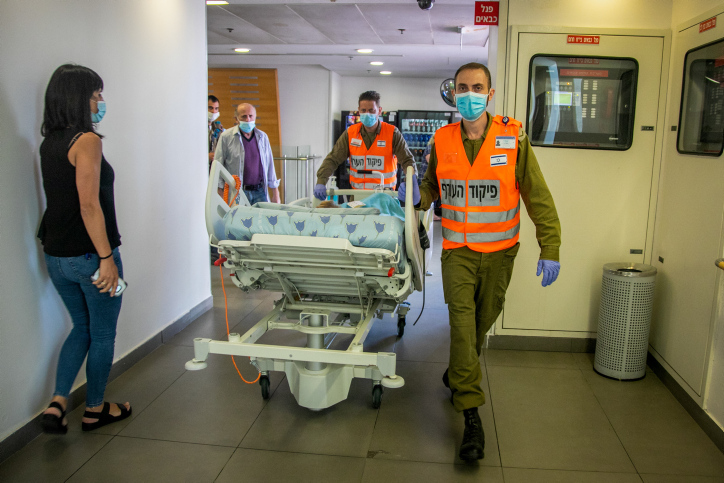
Over 500 Israelis have died of COVID-19 since July 1, according to Health Ministry data, with the death toll since the start of the pandemic rising to 825 on Sunday.
The Health Ministry confirmed 2,212 new coronavirus cases throughout the weekend on Friday and Saturday. Having crossed the 100,000 mark on Friday, the official tally stood at 102,150 as of Sunday morning, with 22,022 active cases.
Of them, 408 were in serious condition, including 112 on ventilators. Another 186 were in moderate condition, and the rest had mild or no symptoms.
The ministry said 26,372 coronavirus test results returned Friday, of which 5.7 percent were positive, and 10,260 results came back Saturday, with 7% of them showing a positive result. Testing levels normally go down considerably during weekends.
The death toll increased by six since Saturday evening, reaching 825.
A ministry tally indicated that more than 500 Israelis have died during July and August, compared with 320 from March to June.
The Health Ministry said 9,367 new cases were confirmed last week, including 1,374 in Jerusalem, 494 in Bnei Brak, 372 in Modiin Illit, 342 in Ashdod and 267 in Tel Aviv. No infections were found in only in few towns and communities.
A plan unveiled in recent days by Ronni Gamzu, the government’s top official in charge of the coronavirus response, outlined restrictions to be imposed during the High Holiday period which begins next month.
The plan would only place restrictions on cities with high morbidity rates, if the rate of infection is not slowed by September 10. The restrictions will take effect starting from Rosh Hashanah, on September 18, until October 11, after the Sukkot holiday.
However, Gamzu told Channel 12 news that he believed the morbidity rate would drop in time to avoid restrictions over Rosh Hashanah.
“There’s won’t necessarily be a closure. I think we can bring down infections; we have four weeks until then. I want to move away from lockdowns. I know I presented it as an option, because I worry, but we all need to create the option of avoiding it,” he said.
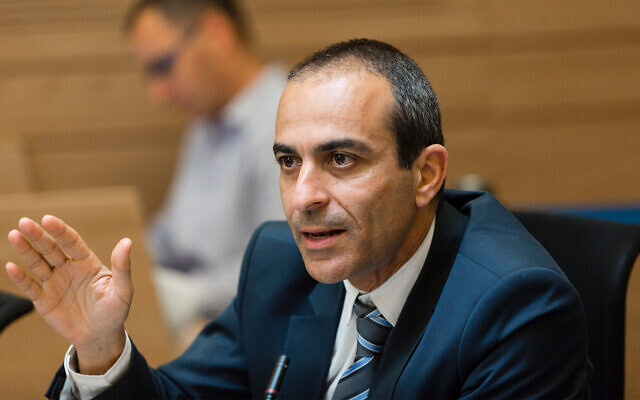
Gamzu also pushed back at claims that Prime Minister Benjamin Netanyahu’s cabinet had lost confidence in him after ministers refused last week to vote on his plan.
On Thursday, ministers refused for a third time to approve Gamzu’s “traffic light” plan, reportedly due to opposition from ultra-Orthodox ministers, who oppose restrictions that could shut synagogues in high infection areas.
Channel 12 reported that the proposed regulations include, in “red” areas with high infection rates, a limit on going more than 500 meters away from one’s home; limiting gatherings to immediate family members; shutting down the education system, except for special education; and closing most of the public transportation system.
“This is not a lack of faith in me. The ministers are used to restricting the whole country, but there’s no sense in that. They need to give much more authority to local authorities,” he said.
He predicted that ministers would swiftly approve the plan when they meet on the matter on Monday.
Netanyahu and National Security Council head Meir Ben-Shabbat have both pushed for a full nationwide lockdown in the coming weeks, the Walla news website reported on Thursday, citing cabinet ministers and senior officials.
Gamzu also refused to back down from his push to ban Jewish Israeli pilgrims from visiting the Ukrainian city of Uman for Rosh Hashanah, saying allowing the trips would bring Israel closer to a lockdown.
Gamzu has clashed with Housing Minister Yaakov Litzman, head of the ultra-Orthodox UTJ party, over the pilgrimages. On Friday, he wrote a letter to Ukrainian President Volodymyr Zelensky asking him to ban Israelis from visiting the town, where Rabbi Nahman of Bratslav is buried. The pilgrimages generally draw tens of thousands of Israelis and other Jews each Rosh Hashanah.
The virus czar, however, indicated he backs the reopening of schools on September 1.






The Times of Israel Community.