

Netanyahu and Gantz negotiate as if time is on their side — and on ours
As talks fail to yield a deal before Gantz’s mandate expires, no mention is made by either side of the virus emergency that purportedly drove them to seek unity

 Add ToI as a Preferred Source on Google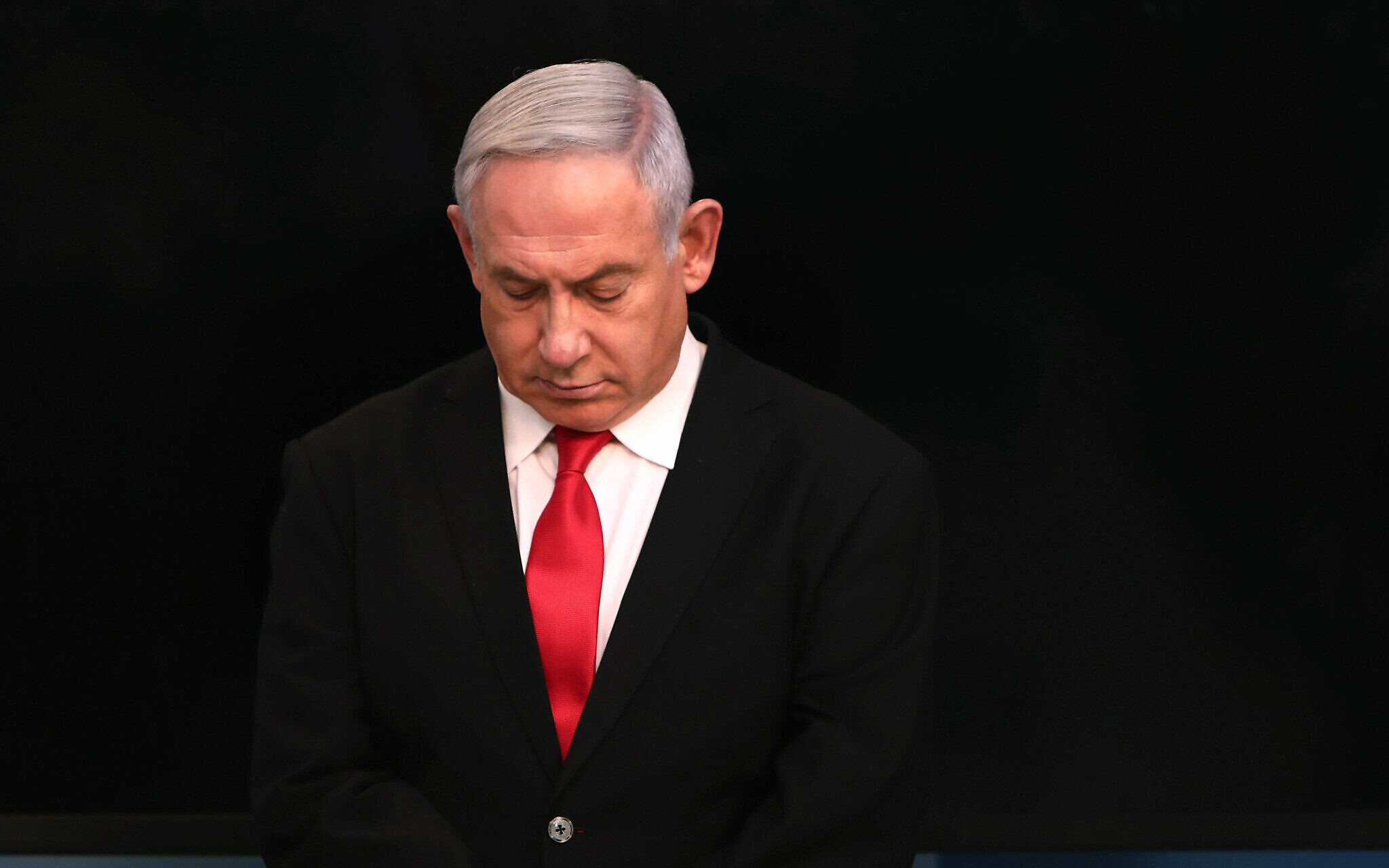
The unity talks between Likud and Blue and White failed to yield a deal by Wednesday’s midnight deadline, and Israel moved much closer to a fourth consecutive election.
Knesset Speaker Benny Gantz’s “mandate” as prime minister-designate expired at midnight, and President Reuven Rivlin, barring a last-minute change of heart on Thursday, is set to trigger the 21-day do-or-die final stretch for the Knesset to form a government before it is automatically dissolved to new elections. The 23rd Knesset is now scheduled to be dissolved on May 7.
Yet the transition from the period of Gantz’s mandate to the 21 days was strangely anti-climactic. Neither Likud nor Blue and White negotiators appeared especially ruffled or anxious.
Indeed, it was Blue and White that decided not to ask President Rivlin for another extension – nor to acquiesce to the last-minute demands by Likud that stymied a deal on Wednesday.
Both sides believe they have time left to haggle, and both are right.

Gantz’s leverage over Prime Minister Benjamin Netanyahu has little to do with the mandate he held from the president and a lot to do with the Knesset speakership to which he was elected as a precondition for entering into unity talks with Netanyahu.
Put simply, even if he finds a path to a 61-seat majority and forms a government, Netanyahu won’t be able to run that government while parliament is led by the opposition. Budget votes, legislation on which the government’s policies depend – all could be stymied by an oppositionist speaker.
Nor can Netanyahu replace Gantz. Ousting a sitting speaker requires 90 votes, more than Netanyahu can hope to obtain in the current Knesset.
Netanyahu’s options are simple: strike a deal or go to elections.
Of course, Gantz’s predicament is worse. He has the leverage to force uncomfortable compromises on Netanyahu, but must win everything up front – from his policy demands to the guarantees that he’ll actually get to serve a turn as prime minister in 18 months’ time, as per the rotation agreement.

Netanyahu, meanwhile, believes that time is emphatically on his side. As the weeks pass and his interim government proves able to contain the coronavirus pandemic, Netanyahu’s prospects in a potential fourth election only improve. Polls this week showed most Israelis, including at least some Israelis who voted in recent elections to oust Netanyahu, are satisfied with his handling of the emergency.
Netanyahu may be wrong, of course, both about the way the crisis develops and the way the public will feel about him in three weeks’ time — or in three months’ time, nearer to election day. As one senior minister told Zman Israel, the Times of Israel’s Hebrew-language sister site, on Wednesday, “This crisis hasn’t even begun. It’s a terrible crisis…. People haven’t yet felt what no work really means. Now the holidays are ending. How long will they stay in their homes, without money, with nothing? Everything is going to explode. That’s why we need a stable government now, and not elections.”
Yet whether Netanyahu genuinely wants a unity government, as Gantz seems to believe, or does not, as some of Blue and White’s negotiators have suggested, Netanyahu thinks there’s no harm and much clarity to be gained by waiting till the last moment to decide. Many intersecting factors – polls, economic trends, the schedule of his corruption trial once the courts resume their regular functioning – will only become clearer with time.
That’s why Rivlin announced on Monday that he would not be giving Netanyahu the mandate once Gantz’s expires. Had Rivlin handed Netanyahu his own 28-day period to form a government, it would have meant another 28 days of almost certain delays, Rivlin believes.
As Wednesday’s deadline came and went, it became clearer than ever that the original reasoning for the unity negotiations – the coronavirus pandemic – no longer drives the talks.

In an important sense, that’s very good news. At the moment, at least, both Netanyahu and Gantz believe that the relevant government agencies are competently managing the crisis – and crucially, that their voters also think so. They therefore have the time and political space to fight over less immediate but no less important matters, from the fate of the West Bank to the powers of Israel’s highest court.
Indeed, Netanyahu has grown so comfortable and confident that he will continue to be seen as a successful steward of the crisis, that the last two days of talks on Tuesday and Wednesday veered away even from these matters of high policy to more finicky questions of Netanyahu’s legal position in 18 months, when he is no longer prime minister.
Under court decisions from the 1990s, cabinet ministers under indictment must resign. A prime minister is protected by law from resigning until a final conviction. What happens when Netanyahu steps down as premier to let Gantz have his turn? Would the court accept his new title of “substitute prime minister” as conferring on him the protections of a PM, or declare him essentially a cabinet minister and therefore required to resign?
Over the last few days, Netanyahu began demanding changes to Israel’s basic laws to ensure that he is protected from corruption proceedings for the duration of both his and Gantz’s terms.
In a sense, that was the essence of Gantz’s bargain with Netanyahu from the start: granting Netanyahu immunity from prosecution in exchange for a generous raft of ministerial posts and outsize influence over major policy decisions in the next government. But Gantz still wants to avoid being seen as protecting Netanyahu too much, even if he believes it’s a price worth paying to protect the high court and the legal system from a raft of conservative reforms.
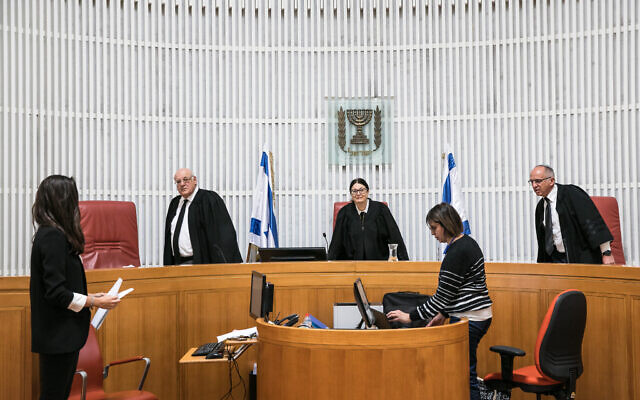
It was on that question that the two sides were still at odds on Wednesday at midnight, and pointedly refused to ask Rivlin for an extension. The message from each to the other was clear: We can afford to let the clock run out. Can you?
And as the clock struck 12, no mention was made of any pandemic.






The Times of Israel Community.