

Netanyahu brushes off Saudi F-35 deal, says US will ensure Israel’s military edge
PM says Rubio assured him Washington will maintain Israel’s regional advantage, in contrast to military’s position, which has warned air superiority could be eroded
 Add ToI as a Preferred Source on Google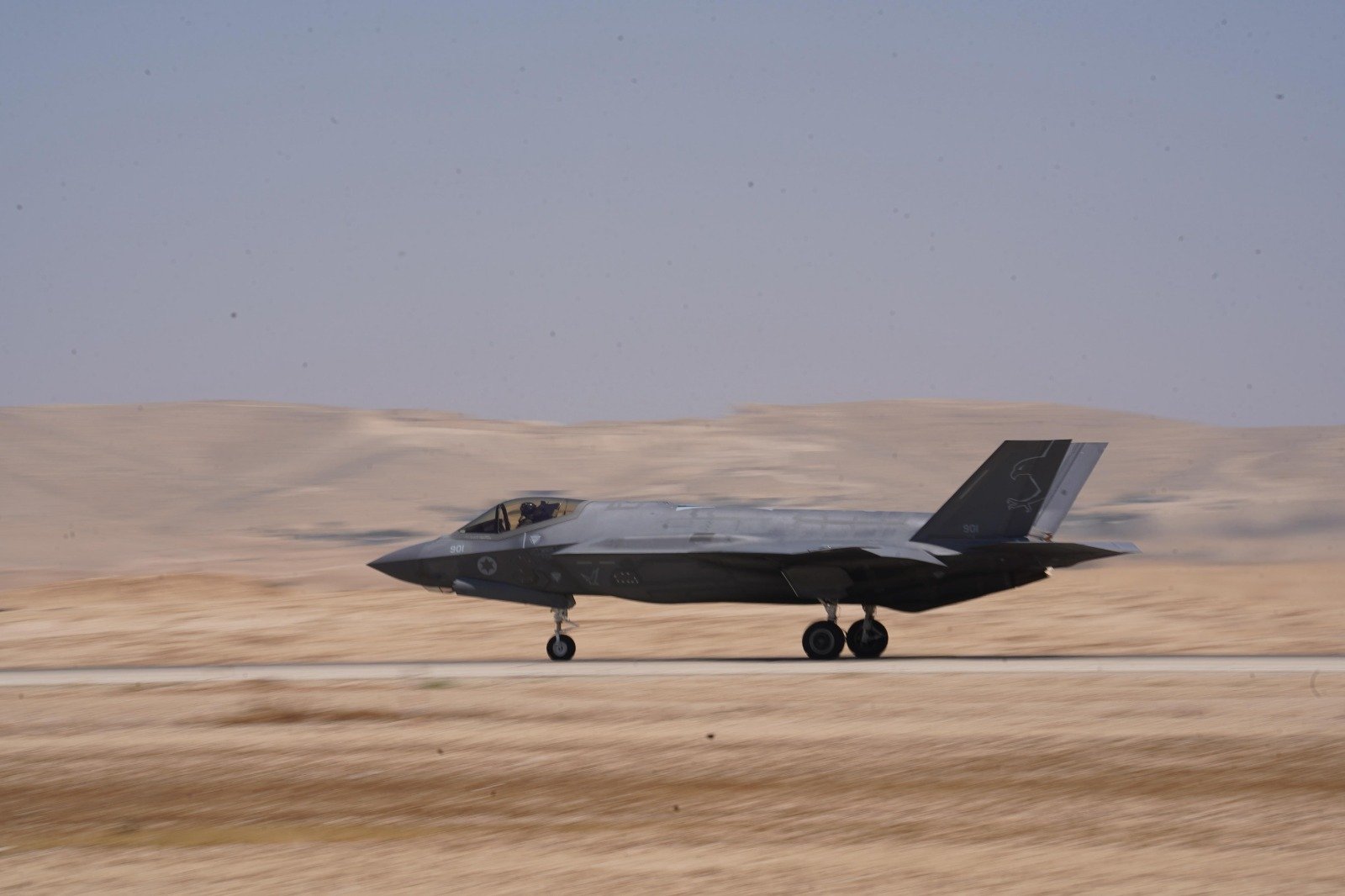
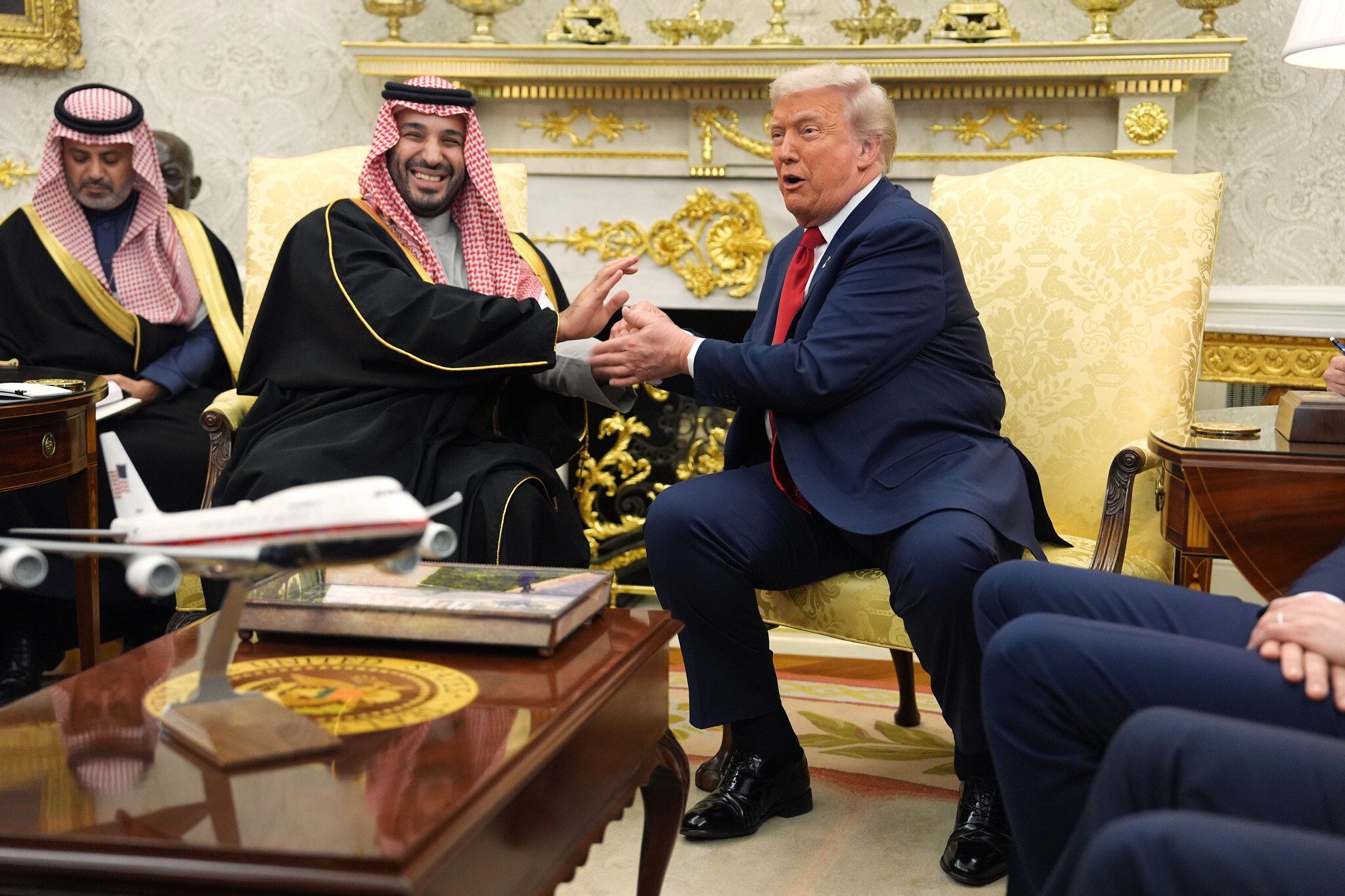
Prime Minister Benjamin Netanyahu said on Thursday that US Secretary of State Marco Rubio guaranteed him that Israel’s “qualitative military edge” will remain intact in a phone call following US President Donald Trump’s announcement this week that he would sell F-35 warplanes to Saudi Arabia.
Israel is the only Middle East country operating the F-35, regarded as the most advanced warplane in the world. US law guarantees Israel a “qualitative military edge” in the region.
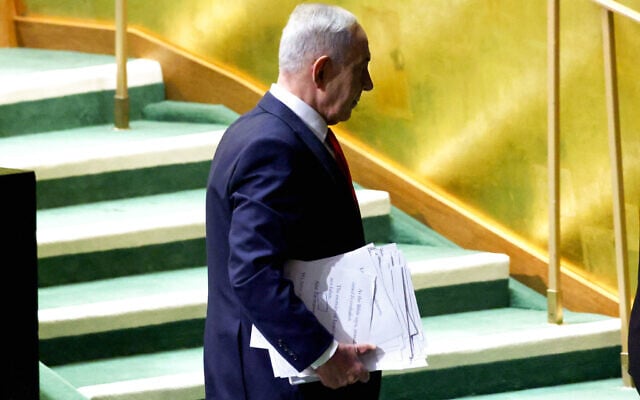
“Regarding the F-35, I had a long conversation with Secretary of State Marco Rubio, who reiterated his commitment that the United States will continue to preserve Israel’s qualitative military edge in everything related to supplying weapons and military systems to countries in the Middle East,” Netanyahu said in a lengthy Hebrew-language interview with “Abu Ali Express,” a popular account on the Telegram messaging app.
Netanyahu said that Rubio assured him the US is “committed to maintaining Israel’s qualitative edge in all areas, including Israel’s advantage regarding the supply of F-35 aircraft,” noting that the advantage is legally guaranteed.
“Beyond that, I prefer not to elaborate,” he added.
Earlier on Thursday, in a first reaction to the agreement, government spokesperson Shosh Bedrosian also brushed aside the deal with the Saudis, citing Jerusalem and Washington’s “long-standing understanding.”
“That has been true yesterday, that has been true today, and the prime minister believes that will be true tomorrow and in the future,” she told reporters.
The political echelon’s remarks appeared to contradict the military’s position on the matter.
Israel has expressed concern in the past over the potential sale of the advanced F-35 fighter jets to nearby countries, as it is anxious to preserve its qualitative military edge in the region.
The Israeli Air Force has opposed the sale to Saudi Arabia, telling political officials that Israel’s air superiority in the region could be damaged by the deal. If the sale goes through, it will likely take at least seven years for the first aircraft to be delivered.
Today, Israel is the only country in the Middle East with F-35s in its arsenal, currently operating 45 of the aircraft with another 30 units on order.
It is not yet clear which model of Lockheed Martin’s F-35 Saudi Arabia will ultimately receive in the deal, though the aircraft would not be identical to Israel’s since the IAF operates a uniquely customized version of the F-35A model, rebranding the stealth fighter jet as the F-35I “Adir,” Hebrew for mighty.
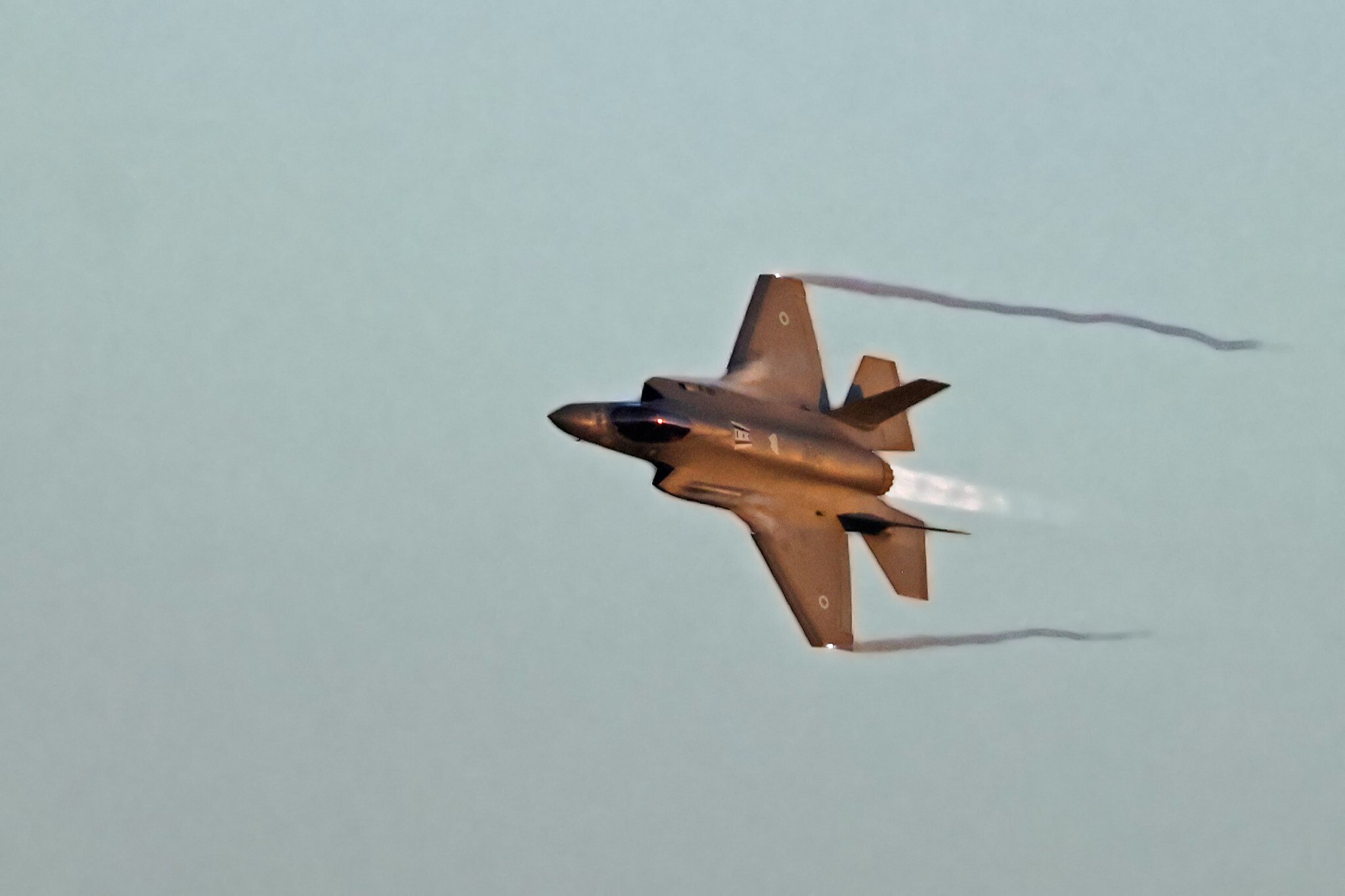
US officials and defense experts told Reuters on Wednesday that the models sold to Saudi Arabia will be less advanced than those used by the IDF, and added that while Israel already has two squadrons of the US-made jets and another on order, Saudi Arabia will be limited to two squadrons only.
The standard models — operated by the US and 18 other countries — include the F-35A, the conventional take-off and landing variant; the F-35B, the short take-off and vertical landing variant; and the F-35C, which is designed to be used on aircraft carriers.
Through close cooperation with Lockheed Martin, Israeli defense firms integrated proprietary and unshared technologies into the F-35I — including advanced electronic warfare systems, enhanced command and control capabilities, and locally developed weapons systems.
Saudi Arabia does not officially recognize the State of Israel. Crown Prince Mohammed bin Salman, Saudi Arabia’s de facto ruler, said during a visit to Washington this week that the kingdom wanted official ties with Israel but also wanted to ensure a clear path for a two-state solution with Palestinian independence.
Netanyahu and his hardline government vehemently oppose Palestinian statehood.







The Times of Israel Community.