

Netanyahu seeks more control over Likud list as party plans primary
April’s general elections expected to cost economy some NIS 1.8b; public funding for party campaigns expected to reach NIS 365m
 Add ToI as a Preferred Source on Google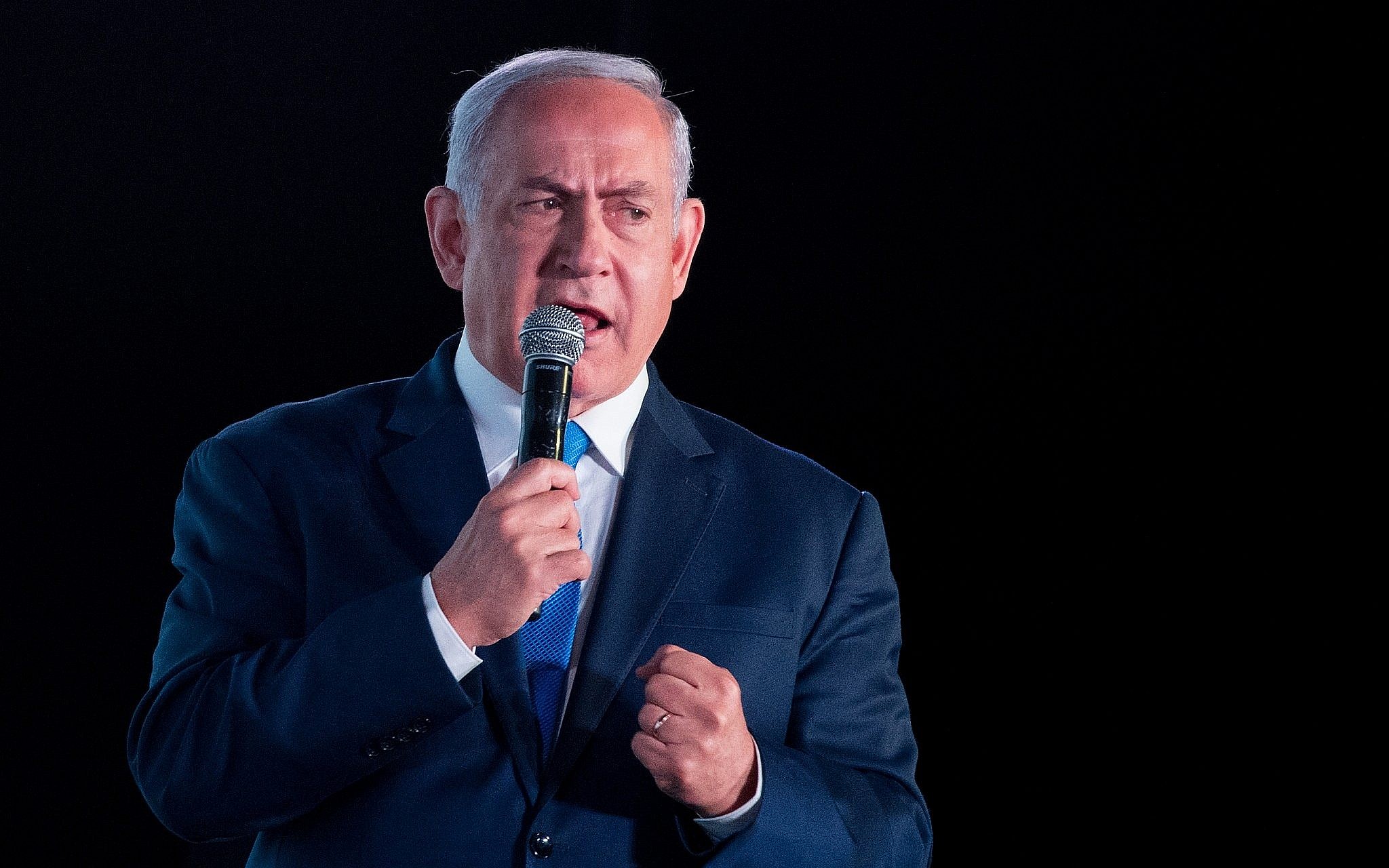
Prime Minister Benjamin Netanyahu asked key Likud party officials on Tuesday to grant him the power to appoint two of the party’s lawmakers to its Knesset list ahead of the April parliamentary elections.
Likud said Tuesday it would hold its primary on February 5, with national elections tentatively scheduled for April 9.
Netanyahu’s request is in keeping with the party’s practice in recent races. In the 2015 elections, Netanyahu was granted the right to appoint two lawmakers to the list, saving them from having to run in the primaries; he chose MKs Benny Begin at 11th place on the list and Anat Berko at 23.
The decision to grant Netanyahu the appointments will be made by Likud’s Central Committee, chaired by Welfare Minister Haim Katz.
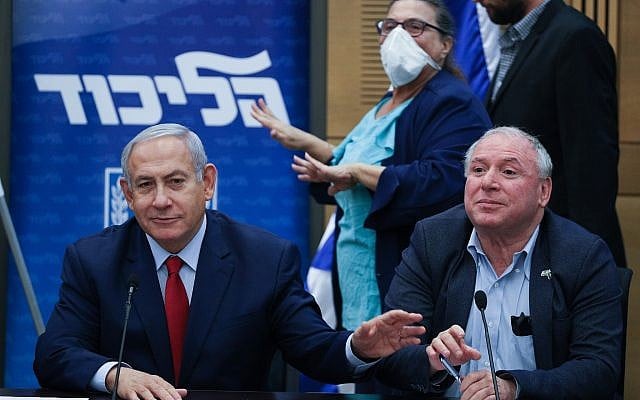
Katz must bring such a decision to the committee before the primaries.
Party officials said Tuesday the prime minister may have a hard time getting two appointments, as the race for the party’s predicted 30-odd Knesset seats grows crowded. He may have to be satisfied with just one.
Key dates
Cabinet ministers approved a bill to dissolve the Knesset earlier Tuesday, which is expected to be voted into law, officially triggering the election campaign, either on Wednesday or early next week.
It’s not yet clear when Labor, Jewish Home or Meretz will hold their respective primaries, but party lists must be submitted by February 22.
Party lists will be approved or rejected by March 12, and official election advertising will begin on March 26. The last polls before the vote will be published on April 5.
The cost of democracy
The election is slated to cost an estimated NIS 1.8 billion ($480 million) to the Israeli economy writ large. That figure was arrived at by Finance Ministry officials based on an estimated NIS 1.1 billion in lost revenues to the state as businesses shut down on election day, designated by law a public holiday.
Public funding for party campaigns is expected to reach NIS 365 million ($97 million), for primary races NIS 31 million ($8.2 million), and for logistics and operations involved in managing the elections NIS 274 million ($73 million).
The funds had already been budgeted and allocated in the state’s 2019 budget, as the elections were originally scheduled for November 2019.







The Times of Israel Community.