

New study finds bacteria in brain tumors play ‘surprising’ role in cancer growth
Scientists at Weizmann Institute, Hebrew University and Houston’s Baylor College of Medicine say patients with more bacteria in their brain tumors have ‘poorer survival outcomes’
 Add ToI as a Preferred Source on Google
Reporter at The Times of Israel
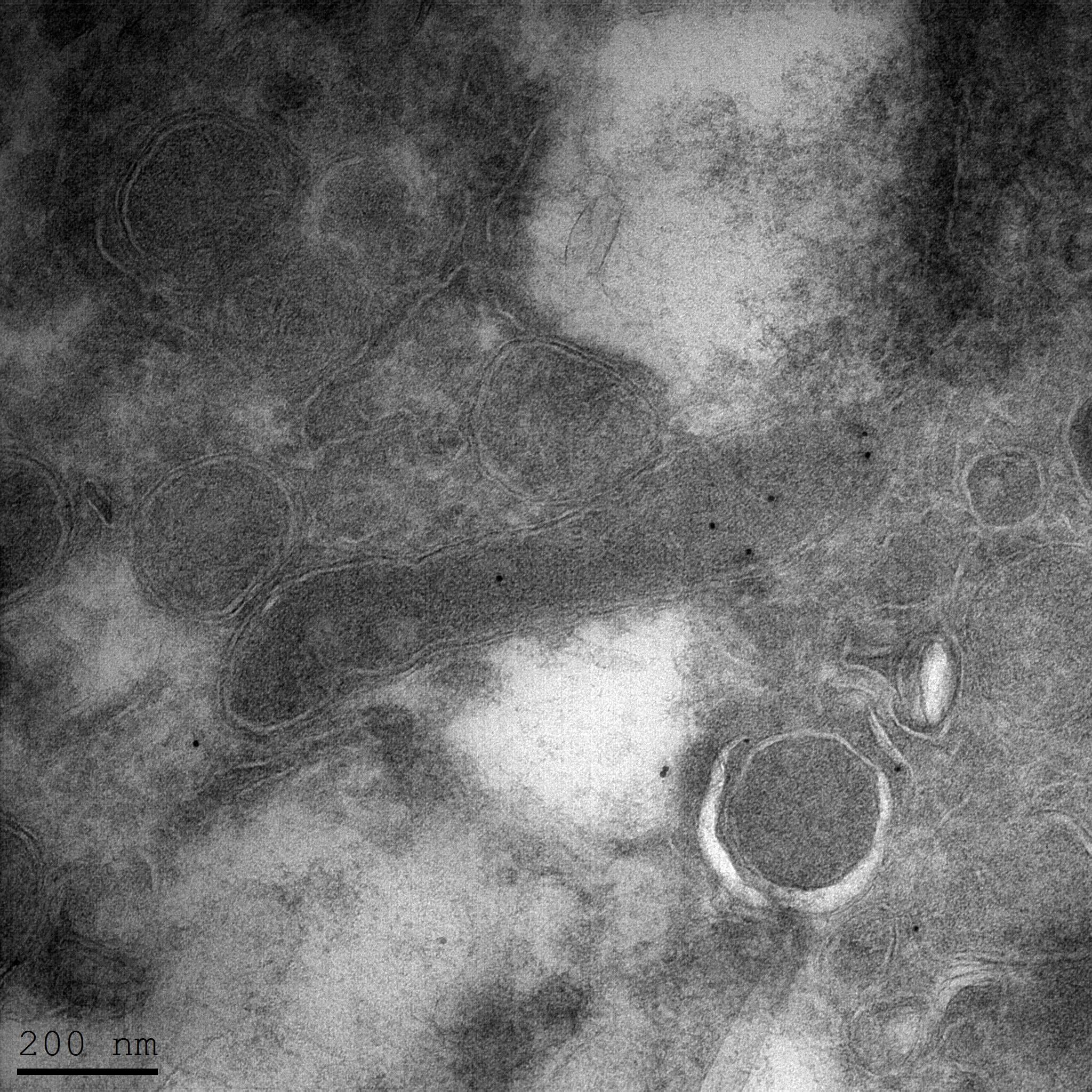
Newly published research in the peer-reviewed journal Nature Cancer suggests that bacteria inside brain tumors may play a far more active role in how cancers grow, spread and respond to treatment than previously understood, according to Prof. Ravid Straussman of the Weizmann Institute of Science.
For years, scientists considered tumors as places where bacteria didn’t grow.
“But now we know that bacteria live inside tumors and can change how cancer cells behave and how fast they grow and spread,” Straussman told The Times of Israel. “The realization that diverse bacterial populations may play a role in cancer compels us to rethink our assumptions.”
The groundbreaking findings raise the possibility that bacteria play a more active role in cancer progression and the infiltration of metastases into the brain than scientists had previously believed.
“Certain bacteria can make cancer cells more resistant to chemotherapy,” Straussman said. “Patients with more bacteria in their brain tumors tended to have poorer survival outcomes.”
Doctoral student Elinor Gigi, assisted by staff scientist Dr. Nancy Gavert from Straussman’s lab, led the research in collaboration with Prof. Shlomit Yust-Katz, head of the Neuro-Oncology Unit at Rabin Medical Center, and Dr. Ayelet Shai, director of the Breast Oncology Unit at Rambam Health Care Campus. Scientists from Hebrew University, Northwestern University and Baylor College of Medicine also participated in the study.
“Understanding how bacteria interact with cancer cells opens new possibilities for better, more targeted therapies for brain tumors,” Straussman said.

Bacteria are present in ‘all types of brain tumors’
The researchers examined the differences in bacteria in glioblastomas, which are aggressive primary brain tumors that originate in the brain itself, and brain metastases — secondary tumors that originate in other parts of the body, such as the lung and breast, and then spread to the brain.
“We found that bacteria are present in all types of brain tumors we examined,” Straussman said. “Interestingly, brain metastases contained a higher diversity and abundance of bacteria compared to glioblastomas.”
In 2020, Straussman’s group reported finding bacteria inside cancer cells taken from the bone, breast, lung, ovary, pancreas, colon and skin. The scientists also found bacteria in the brain.
“This was quite surprising because the brain is protected by the blood-brain barrier, a selective and semipermeable shield that normally prevents bacteria from entering the brain,” Straussman said.
Some bacteria might travel inside cancer cells
In this study, the scientists analyzed 322 samples of glioblastoma and brain metastases and found bacteria both inside cancer cells and within nearby immune cells.
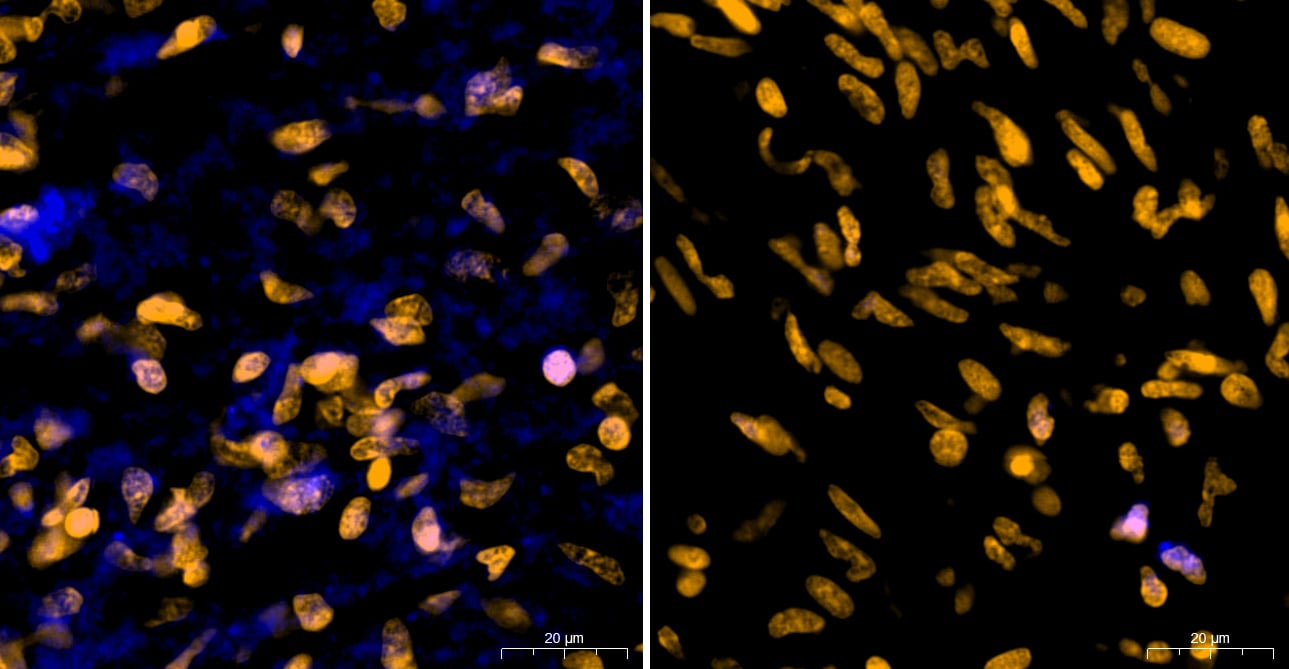
The scientists observed that about 40 to 50 percent of the bacteria in brain metastases were similar to those found in the patients’ primary lung or breast tumors.
This suggests that some bacteria might travel inside cancer cells from the primary site as they metastasize to the brain. The bacteria might also have metabolic traits that could help them promote cell migration, tissue invasion, and tumor growth.
Location of the brain tumor matters
Another of the researchers’ discoveries was that the bacterial composition of brain metastases varied depending on where they were located in the brain.
Tumors in the posterior region contained richer and more diverse bacterial populations than those closer to the front of the brain.
“We assume that varying conditions in different parts of the brain, such as differences in blood supply or in the metabolic composition of the surrounding tissue, may account for this,” Straussman said.
The researchers also investigated whether bacteria could influence the efficacy of chemotherapy.
By culturing 30 bacterial species found in glioblastoma tumors, the scientists found that some species made cancer cells resistant to chemotherapy.
However, the use of broad-spectrum antibiotics to fight these bacteria would be “unpredictable or even harmful,” he said.
It is better to modulate these bacterial effects, rather than “ignoring them or eliminating them indiscriminately,” he said.
Patients with fewer bacteria survived longer
The researchers also noted that the survival time of patients with brain metastases was linked to the bacteria in their tumors. People with more bacteria in their brain tumors lived less than those with fewer bacteria.
Certain bacterial species may even render brain tumors resistant to treatment.
The challenge of treating brain metastases is not only due to their location in the brain — which can impair cognitive and physical functions — but also from their biological makeup, “which often renders them resistant to existing therapies,” said Shai of Rambam.
“The study revealed that brain tumors contain diverse bacterial communities that can influence immune responses and inflammation,” she said. “These findings bring us one step closer to more effective diagnosis and treatment.”










The Times of Israel Community.