

Over 380 objections filed against bid to extend secrecy for state oil group by 4 years
Just a year ago Knesset rejected similar Finance Ministry plan; conglomerate was formed amid clandestine dealings with pre-revolution Iran, but unclear why secrecy still justified
 Add ToI as a Preferred Source on Google
Sue Surkes is The Times of Israel's environment reporter
More than 380 objections have been lodged against a Finance Ministry proposal to extend by four years secrecy regulations for a controversial state-owned oil infrastructure conglomerate.
Just over a year ago, the Knesset Foreign Affairs and Defense Committee refused to approve what was then a request for a five-year extension, greenlighting just an additional year.
That decision represented something of a victory for environmental and civil society groups and individuals who had submitted more than 300 objections at the time.
According to a Justice Ministry document presented to the cabinet then, opponents noted the Europe Asia Pipeline Company’s poor pollution record and charged that the confidentiality was too broad, preventing any oversight of the company’s activities. They also quoted officials from the EAPC and the Government Companies Authority who favored lifting the secrecy requirement.
But now the proposal — and the objections — are back on the table.
Those who have submitted objections include the Society for the Protection of Nature in Israel, the Israel Nature and Parks Authority, the Eilot Regional Council, the Ashkelon Association of Cities for Environmental Quality, the Eilat Municipality, the Sababa Organization (Healthy Environment for the Arava), and the Movement for Quality Government.
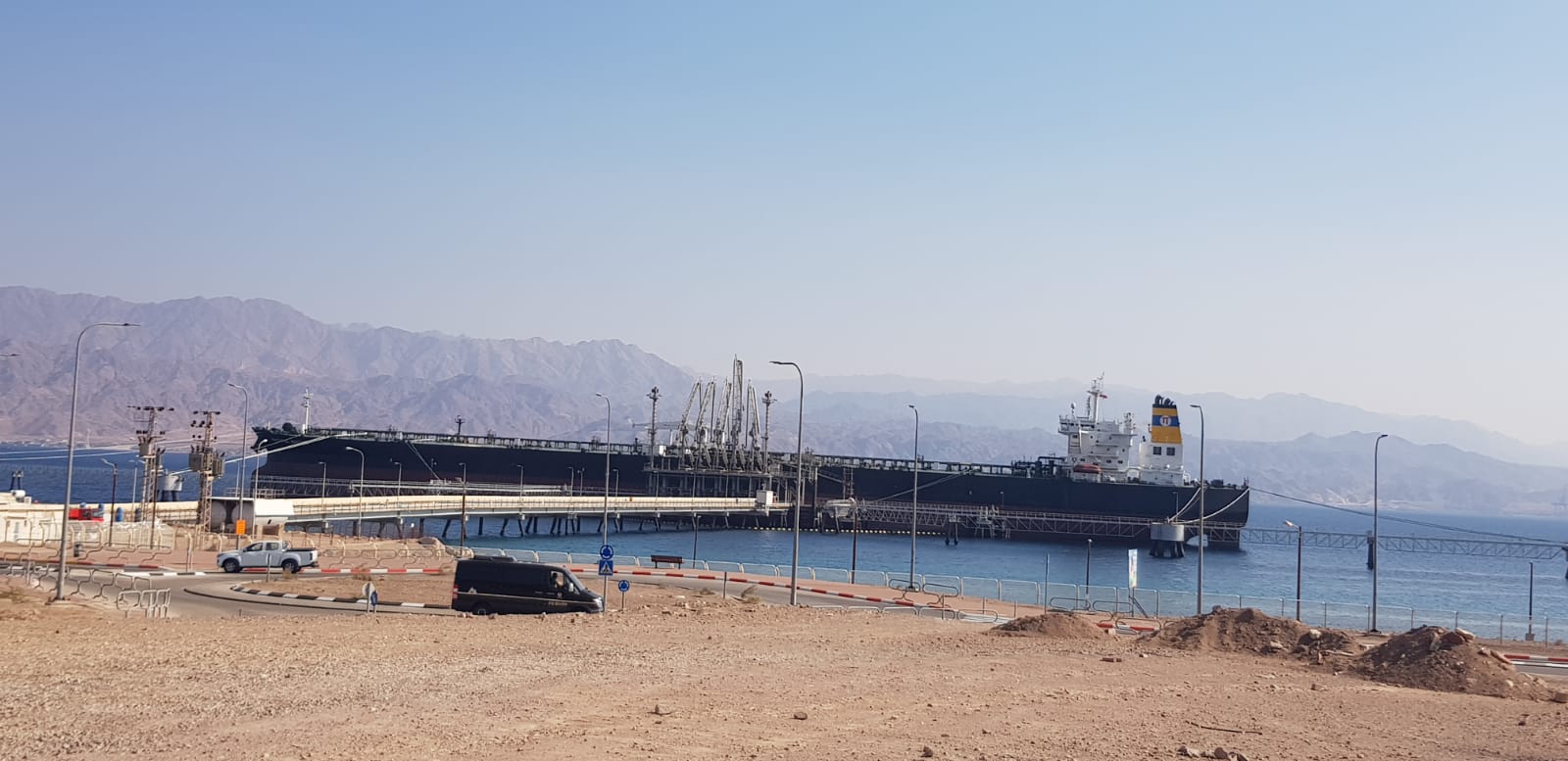
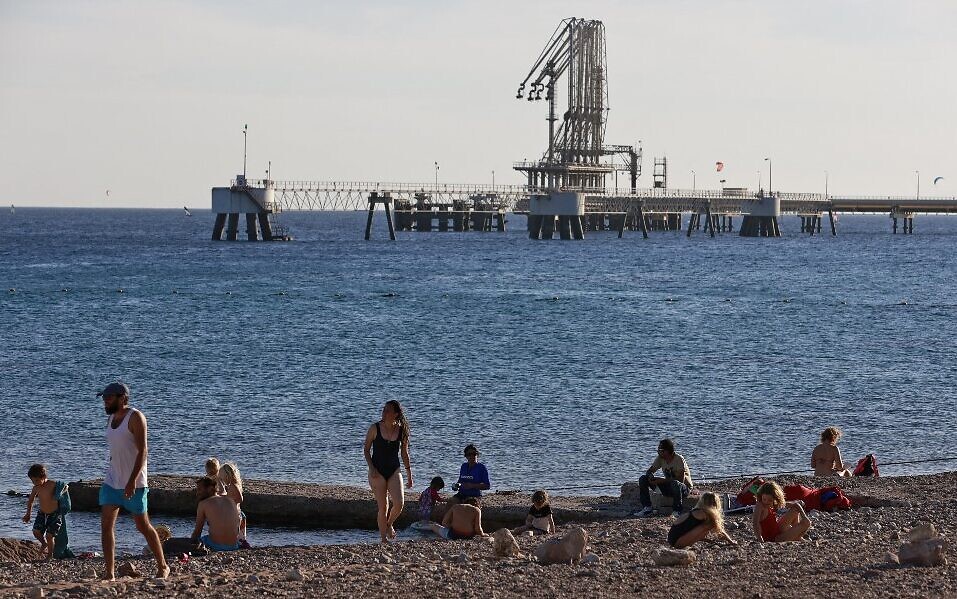
The Europe Asia Pipeline Company — formerly known as the Eilat Ashkelon Pipeline Company — is the best-known of three state companies established by Israel decades ago in a secret partnership with Iran under the shah. It has been operating since 1968.
Until the 1979 Islamic Revolution and the severing of bilateral ties, Israel quietly picked up Iranian oil in Eilat on the Red Sea and transported it overland to Ashkelon on the Mediterranean, from where it could be shipped to Europe. Some of the oil was also used by Israel for internal purposes.
Due to the sensitivity of the matter at the time, amid Arab states enmity toward Israel, the company’s acitivities were shrouded in secrecy. Regulations banned the publication of information about the EAPC or any of the three companies associated with the original Israel-Iran deal — the Eilat Ashkelon Pipeline Company, the Eilat Corporation SA, and Trans Asiatic Oil, Ltd. Each fulfilled a different part of the agreement.
But more than four decades since Israel and Iran cut ties, it is unclear why that secrecy should remain in place.
The prohibited information includes the identity of shareholders, details about oil deals, company worth, and management issues.
The subjects that can be made public include the environment, planning and building, business registration, safety measures, permits, licenses, and orders given by state bodies, supervision and enforcement carried out by bodies such as the Environmental Protection Ministry and the Israel Nature and Parks Authority, and violations and malfunctions.
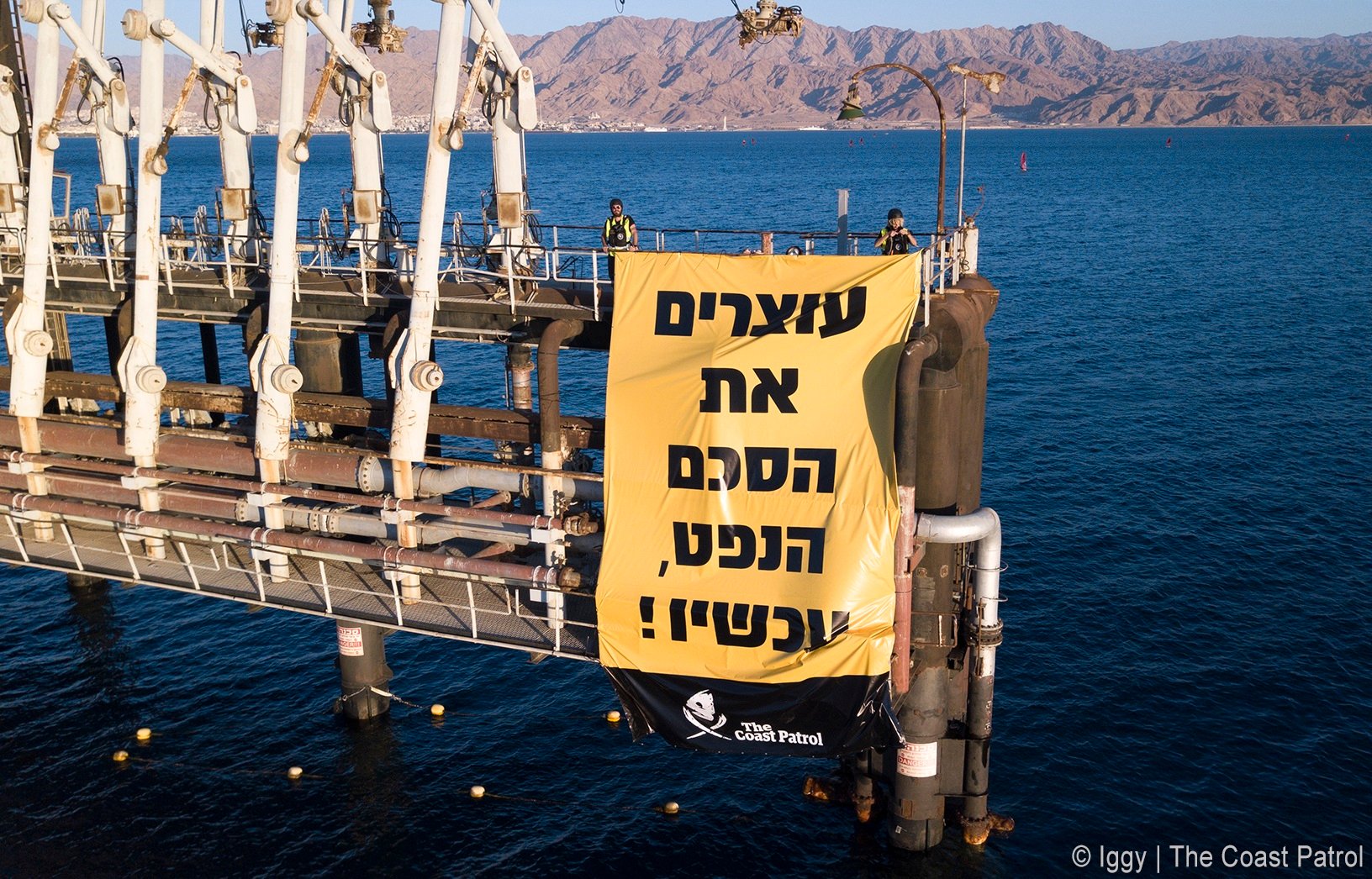
The EAPC has raised the ire of a long list of organizations and individuals over what they see as a shoddy environmental record.
In 2014, it was responsible for Israel’s biggest environmental disaster. Some five million liters of crude oil spilled when a pipeline belonging to the EAPC ruptured, causing significant environmental damage to the Arava desert and Evrona Nature Reserve in the south of the country.
The company has been battling a refusal by the Environmental Protection Ministry to allow it to implement a deal with a consortium of Israeli and United Arab Emirates businessmen. The deal would see the company transport Gulf oil from Eilat to Ashkelon, but the ministry has rejected the firm’s environmental risk surveys as inadequate.
The state has given temporary approval for increased amounts of oil to be stored at the EAPC’s Red Sea facility in Eilat in the south, so long as it is earmarked for Israeli use only.
Asked why it was proposing to extend the secrecy order as is, a Finance Ministry spokesperson said, “As mentioned in the explanatory notes to the draft order, published for public comment, the need for an extension is in light of the lack of change in the circumstances that imply the need for an order. ”
Pressed on what those circumstances were, the spokesperson replied, “Due to the confidentiality of the subject, it is not possible to respond.”
The EAPC would not comment.









The Times of Israel Community.