

PA and Hamas dispute leads to electricity shortage in Gaza
Residents are left with just 3 hours of power per day, and so use indoor bonfires and candles, leading to several fatal blazes

 Add ToI as a Preferred Source on Google
Avi Issacharoff, The Times of Israel's Middle East analyst, fills the same role for Walla, the leading portal in Israel. He is also a guest commentator on many different radio shows and current affairs programs on television. Until 2012, he was a reporter and commentator on Arab affairs for the Haaretz newspaper. He also lectures on modern Palestinian history at Tel Aviv University, and is currently writing a script for an action-drama series for the Israeli satellite Television "YES." Born in Jerusalem, he graduated cum laude from Ben Gurion University with a B.A. in Middle Eastern studies and then earned his M.A. from Tel Aviv University on the same subject, also cum laude. A fluent Arabic speaker, Avi was the Middle East Affairs correspondent for Israeli Public Radio covering the Israeli-Palestinian conflict, the war in Iraq and the Arab countries between the years 2003-2006. Avi directed and edited short documentary films on Israeli television programs dealing with the Middle East. In 2002 he won the "best reporter" award for the "Israel Radio” for his coverage of the second intifada. In 2004, together with Amos Harel, he wrote "The Seventh War - How we won and why we lost the war with the Palestinians." A year later the book won an award from the Institute for Strategic Studies for containing the best research on security affairs in Israel. In 2008, Issacharoff and Harel published their second book, entitled "34 Days - The Story of the Second Lebanon War," which won the same prize.
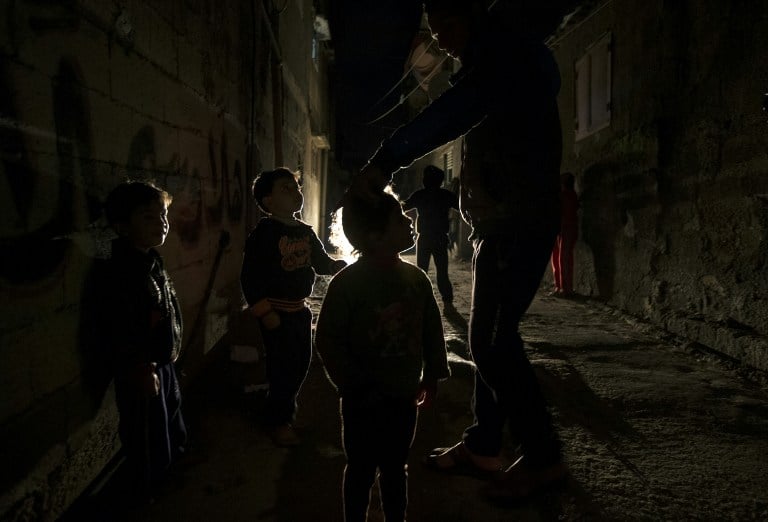
A long-simmering dispute between Hamas and the Palestinian Authority over who has to foot the bill for the fuel that powers the Gaza Strip’s power plant has severely curtailed electricity production. But for Palestinians left to deal with the bitter winter cold with just three hours of electricity a day, the excuses are of little consolation.
“Yesterday, I had only three hours and 15 minutes of electricity at home,” one Gaza City resident, who asked to only be identified by the first letter of his name, Y, told The Times of Israel. “That’s it. The rest of the day there is nothing.”
“Two, three months ago we still had eight hours of electricity [a day],” Y. said, adding that “now all of the Gaza Strip receives just a little over three hours of electricity a day. During the winter weather, this can be dangerous.”
Heating homes by means of indoor bonfires has become common in Gaza, as has the use of candles as lighting, which has led to several fatal fires.
The latest crisis surrounding electricity supply in Gaza did not start overnight. It is the outcome of a long-running disagreement between the Palestinian Authority and Hamas over the payment of excise taxes for the fuel that is used in the power station in Gaza.
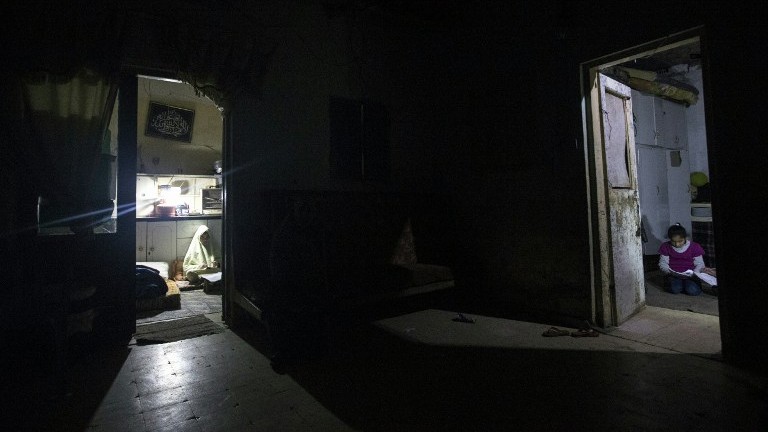
The Palestinian Authority purchases the gas at full cost — including the excise tax — from Israel before it is transferred to Gaza. However, the PA announced in 2015 that it is no longer prepared to bear the full burden of of the excise tax and told Hamas it needs to foot its share of the costs of buying diesel fuel for the power station in Gaza. The station constitutes the main source of energy in the Gaza Strip (apart from a small amount that comes from Israel and Egypt).
While the Palestinian Authority is nominally responsible for the Gaza Strip, particularly in official dealings with Israel, in reality, Hamas has been in charge since ousting PA forces, in a bloody uprising in 2007. Several rounds of reconciliation talks between the two have failed to reach an agreement, leading to these kinds of grey areas of responsibility.
Hamas, a terrorist organization which calls for Israel’s destruction, has refused to make any payments to Israel. The PA initially continued to pay the full cost of the fuel, but the disagreement was never resolved.
As a result, the Gaza Strip has seen drastic swings in the electricity supply. Each time the PA refuses to shell out the funds for the excise tax, the electric company in Gaza buys less fuel and in turn produces less electricity. This time, it appears that the crisis has become particularly severe, in light of the decrease in electricity supply from Egypt, due to technical problems with the power lines.
This latest crisis has caused a great deal of discontent in the Gaza Strip, and, on Saturday, there were numerous protests in the coastal enclave, such as the one in the Nuseirat refugee camp, where Gaza’s main power plant is located.
#فيديو | مسيرة غاضبة في مخيم النصيرات رفضاً لاستمرار انقطاع التيار الكهربائي عن قطاع #غزة. pic.twitter.com/2U92vEUHBk
— شبكة العاصمة الإخبارية (@alasimannews) January 7, 2017
On Sunday, a meeting was scheduled to take place between the representatives from the various political factions in the Gaza Strip with representatives from the electric company in an attempt to find a solution to the crisis.
But for Y. there is little hope.
“Sometimes, they tell us Hamas, sometimes they tell us the PA. And of course, there are the malfunctions in the [power] line with Egypt and there are problems with Israel,” he said. “They are laughing at us.”










The Times of Israel Community.