

Plant-based wound repair tech set for human trials
Israeli firm CollPlant is set to test its tobacco-derived human collagen solution at Maccabi health clinics
 Add ToI as a Preferred Source on Google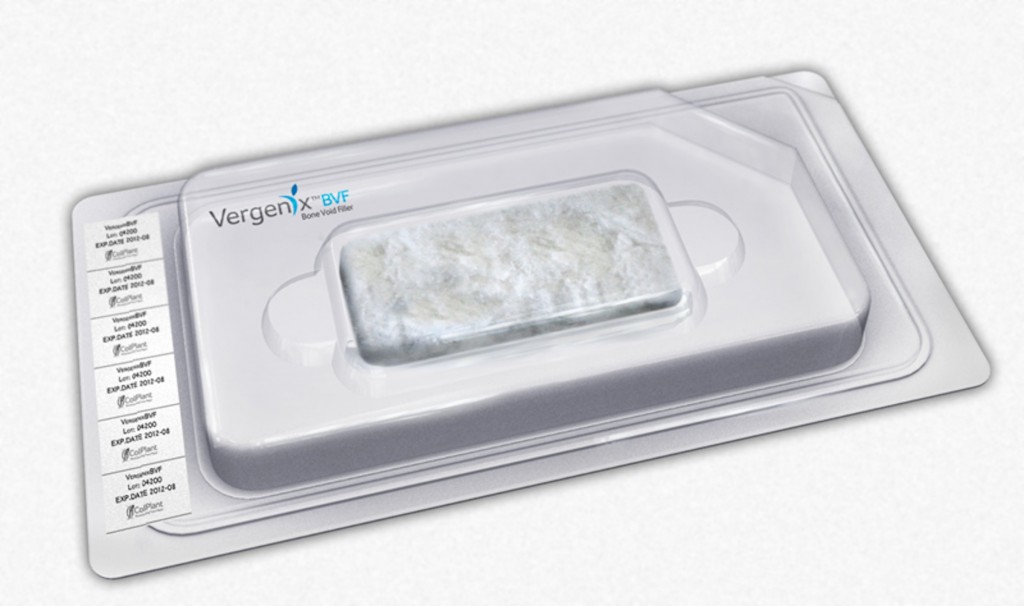
CollPlant, an Israeli biotech firm that “grows” human collagen using tobacco plants, is beginning human trials of its Flowable Gel product for treating wounds. The trials, authorized by the Health Ministry, is scheduled to take place at two Maccabi health fund clinics in Israel.
“Collagen is used in about a thousand important medical products, but until now manufacturers have had to derive it from pigs, cows or human corpses,” said CollPlant CEO Yehiel Tal. “Our unique plant-based collagen solution overcomes the disadvantages associated with other collagen sources.”
Collagen is the most abundant protein in the human body, and is the main structural protein of connective tissues in animals. It is essential to injury repair, as it allows the body to “weave” a repair to damaged flesh.
In the case of a broken bone, collagen is an important element in rejoining parts of the bone that are joined in a splint. If part of the bone is missing, the body will be unable to replace or repair it. In those cases, doctors usually apply artificial collagen to the break. A scaffold holds the elements in place and allows the body to use the inserted collagen to make the repair.
Generally, artificial collagen is made from materials extracted from animal sources, usually cows or pigs. Artificial collagen derived from those sources doesn’t always work well. The genetic code of those animals differs significantly from that of humans, making the collagen, which is assimilated into the body during the wound repair process, less effective. The result is wounds that do not heal properly. Collagen harvested from human corpses is much more effective in ensuring proper wound and bone repair, but it can only be harvested from donors, so supplies are limited.
Rehovot-based CollPlant’s solution allows the production of real human collagen, producing material that can be most efficiently used by the human body without the need to rely on the dead.The company’s technology inserts human collagen into tobacco plants that are raised in hothouses, ensuring that they remain isolated from the food chain. The bio-engineered plants mimic the natural synthesis of authentic human protein and produces Procollagen, the natural precursor of collagen. The Procollagen collected from the plants is processed into CollPlant’s artificial collagen product.
“Tobacco has a big biomass, and it grows quickly; you can grow a 6-foot-tall plant in under two months,” said Tal. “The production process is easy to control using our technology. We know how much collagen there is in the leaves produced by the plants, and can regulate its strength. And tobacco leaves are big, so they hold lots of collagen.” The technology has been deployed in several products, including Collage, which is being evaluated in Europe for bone repair, tendons ligament and other soft tissue repair, and spinal fusion.
CollPlant’s Flowable Gel is designed to treat deep and irregularly shaped wounds, which are more likely to result in scars. It’s deployed as an injectable gel, providing a pure human collagen scaffold which fills the wound bed and provides maximal contact with the surrounding tissue, the company said.
In the Maccabi study, patients with chronic leg ulcers are to receive a single application of Flowable Gel, and be followed for 4 weeks. The results will be analyzed to see how well the body repaired the wound with the CollPlant collagen boost, whether the repair process was faster and whether the product had any side effects. If results are what they hope they are, said Tal, the company could get approval to go to market in Israel and Europe as soon as next year.
“We are very pleased to have received approval from the Ministry of Health to undertake this clinical trial,” said Tal. “The trial is expected to last a few months and will significantly advance CollPlant towards launching our product in Europe and Israel, first. In the pre-clinical trials carried out over the last two years, we obtained very good results. Based on that, we anticipate excellent outcome from this trial.”








The Times of Israel Community.