

Ya’alon to rule on returning Palestinian attackers’ bodies
Body of assailant in vehicular attack Tuesday given to family for burial after PM hands authority to defense minister
 Add ToI as a Preferred Source on Google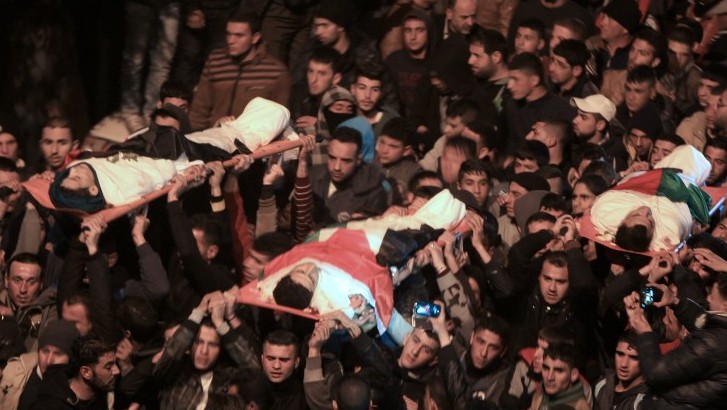
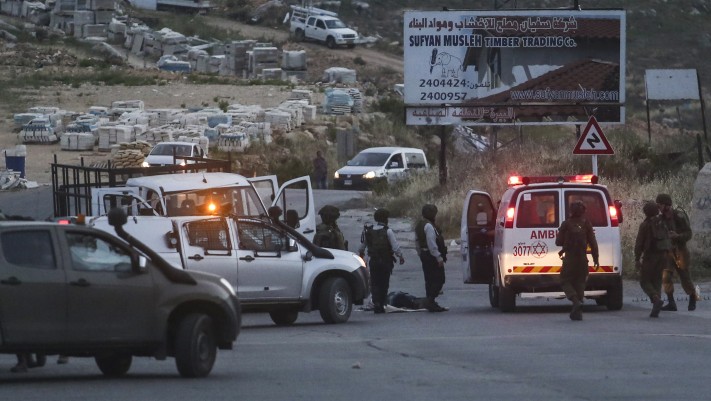
Israeli authorities on Tuesday night handed over to Palestinians the body of a man who ran over three IDF soldiers near the West Bank settlement of Dolev earlier that evening. It seemed to signal a reversal in the controversial Israeli policy of withholding the bodies of assailants over the latest wave of attacks, which has spanned seven months.
The body of 36-year-old Ahmed Riad Shehadeh of the Qalandia refugee camp north of Jerusalem, who was shot dead by soldiers at the scene of the attack, was returned to his family for burial after the incident, Hebrew media reports indicated.
In the vehicular attack on Tuesday, Shehadeh injured three IDF soldiers, one of them seriously.
The Prime Minister’s Office said Tuesday that the authority to allow or forbid the return of attackers’ bodies to their family now lies with Defense Minister Moshe Ya’alon and Public Security Minister Gilad Erdan, who hold opposing views on the matter, and that the return of Shehadeh’s body was Ya’alon’s decision.

The PMO indicated the transfer of authority was effective as of Sunday and came a month after Prime Minister Benjamin Netanyahu reportedly ordered to stop the practice, saying in discussions with Ya’alon that a freeze on returning attackers’ bodies would remain in place pending an overarching policy decision on the matter.
Israel’s Defense Ministry has permitted the return of bodies of terrorists killed at the scene by Israeli security forces on the condition that they are buried in a low-key funeral, to avoid a further inflammation of violence.
At the outset of the violence, Erdan recommended holding on to the bodies of Palestinian assailants, claiming the funerals turn into “an exhibition of support for terror and incitement to murder.”
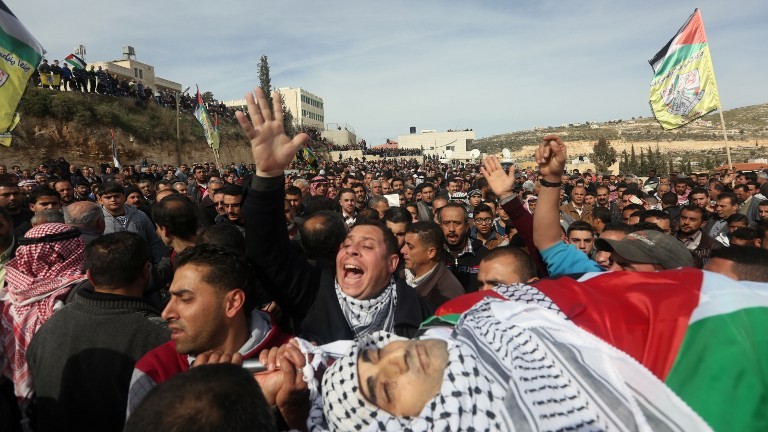
The issue has become a sore point with Palestinians. Posters of the dead are plastered on walls in East Jerusalem and the West Bank, and residents hold frequent demonstrations calling for the release of the bodies.
Several Israeli authorities and officials, including Netanyahu, have expressed support for holding on to or significantly delaying the return of attackers’ bodies. The delay is thought to lessen the significance attached to any particular attacker, and so to reduce attendance at the funerals.
But Ya’alon, backed by the recommendations of the IDF and Shin Bet, have opposed this policy, saying the practice causes greater anger among Palestinians and undermines PA security forces who work with Israel to prevent attacks.
The disagreement has led to an inconsistent policy, with the bodies of terrorists who attacked Israelis in the West Bank, which is under the purview of the Defense Ministry, usually being released not long after attacks, but those of attackers who acted within Israel, where the Public Security Ministry has jurisdiction, are held for extended periods of time.
In February, after holding them for weeks, Israel agreed to release the bodies of several East Jerusalem attackers to their families, on the condition that they be buried in a “calm” manner.
A total of 10 bodies of East Jerusalem men were released after the attackers’ families agreed to a number of conditions, including that the funerals be small, family-only affairs held at night, and that families provide police with a cash deposit to guarantee compliance.
Since October, 29 Israelis and four foreign nationals have been killed in a wave of Palestinian terrorism and violence. Nearly 200 Palestinians have been killed, some two-thirds of them while attacking Israelis, and the rest during clashes with troops, according to the Israeli army.



The Times of Israel Community.