

Sa’ar: If elected to lead Likud, I’ll seek to appoint Netanyahu president
Three days before primaries, PM’s challenger says he would like to see him continuing to contribute from his diplomatic skills to Israel’s benefit
 Add ToI as a Preferred Source on Google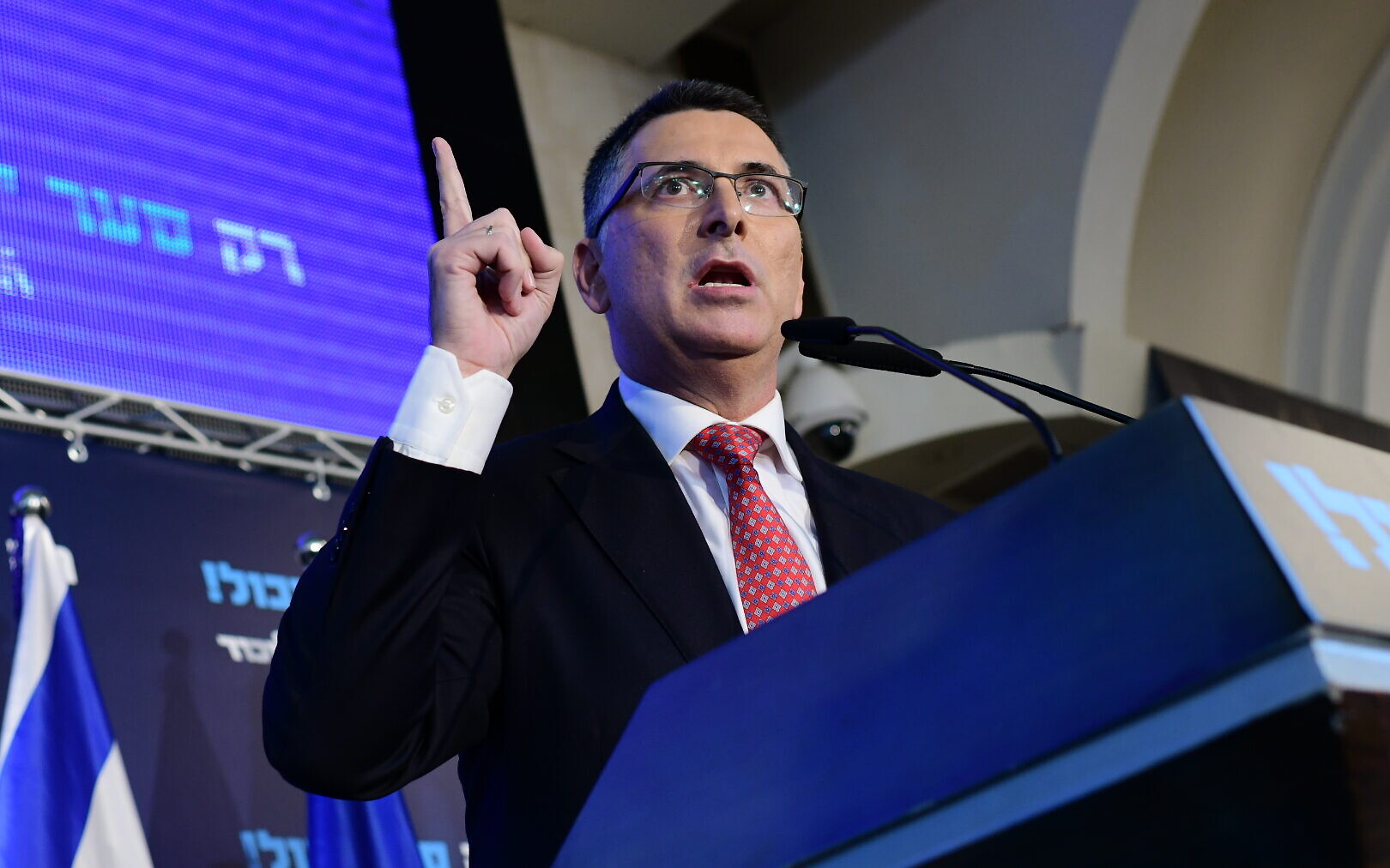
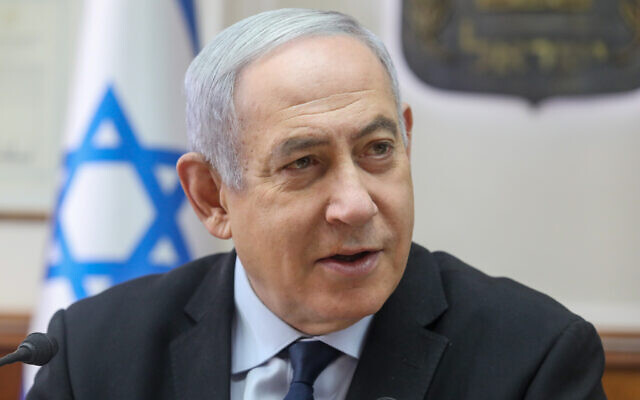
Three days before Likud voters choose between Prime Minister Benjamin Netanyahu and his rival MK Gideon Sa’ar to lead the party into the next election, Sa’ar on Monday said that, if elected, he’d seek to appoint the prime minister president.
“If you give me the power on Thursday… and I am chosen as Likud chairman, I will seek for Prime Minister Benjamin Netanyahu to be elected Israel’s next president in the elections set for a year and a half from now,” Sa’ar told supporters at a gathering.
In that manner, Sa’ar said, Netanyahu “will be able to continue contributing from his international [diplomacy] skills to Israel’s status in the world.”
President Reuven Rivlin’s seven-year term as the Jewish state’s 10th president is set to end in July 2021. Israeli presidents are chosen by Knesset legislators and have historically been politicians.
Sa’ar went on to praise Netanyahu as “undoubtedly one of the world’s greatest statesmen.
“But we’ve found ourselves in a situation that is very painful to us all,” he said, in reference to the prime minister’s failure to form a government following two consecutive elections this year. “With the country in gridlock for a year, conclusions must be drawn.”
Sa’ar is seen as having little chance of beating Netanyahu in Thursday’s leadership primary, though he poses the greatest challenge to the premier from within his own party in years.
He has based his candidacy on Netanyahu’s failure in consecutive attempts to form a coalition following this year’s two elections in April and in September, and the fact that the prime minister faces corruption charges in three criminal cases.
The charges against Netanyahu, who denies wrongdoing, were a major bone of contention in unity talks between Likud and the rival Blue and White party following elections in September, which, like the previous elections in April, left both of the parties short of a majority together with their respective allies.
Given the circumstances, Sa’ar has painted himself as being far better poised to form a government following the upcoming March 2 election.
Tensions in the party have run high in recent days ahead of the leadership race, with supporters of Sa’ar claiming last week that thousands of potential Sa’ar voters had been purged from the party’s rolls ahead of the primary, a claim party officials have denied.
Sa’ar’s candidacy has been criticized by Netanyahu allies as disloyal and destabilizing to the party at a time when unity is required.
Also on Monday Likud’s internal court canceled primaries for the party’s Knesset roster ahead of the March general election, accepting Netanyahu’s appeal against the judges’ earlier decision requiring the vote (primaries for the roster are separate from primaries for the leadership). Last week, the court determined in a 2-1 ruling that a decision by the Likud Central Committee to cancel the primary vote for the slate was unconstitutional, as one is required before any general parliamentary election.

On Sunday, Netanyahu joined the appeal to the court against holding roster primaries, in a move seen by some analysts as an effort to maintain the support of loyal MKs worried they could lose their seats.
Likud legal adviser attorney Avi Halevy, who filed the petition, pointed out the difficulty in holding a primaries in time to submit the updated roster for the national election on March 2, and said that since the coming elections are a repeat vote, maintaining the current roster “doesn’t impinge on the rights of party members to be elected to the Knesset.”
Sa’ar had said he had no issue with the Likud court decision demanding primaries for the list and had no intention of appealing it.
In addition, the court on Monday rejected a request to allow party members to vote at any Likud headquarters in the country in Thursday’s vote for the party leadership, requiring them to vote only at the branch where they are members.
This was seen as a blow to Sa’ar, who called for the procedural change, as it made it more difficult for his supporters to vote en masse at any polling station. Sa’ar said he requested the change in order to make it easier for people traveling during the Hannukah holiday to cast their ballot.
The court also accepted a request to extend the voting period on Thursday to 9 a.m. to 11 p.m., in light of a forecast of inclement weather.









The Times of Israel Community.