

Satellite images show all entrances to Iran’s Isfahan nuclear site have been buried
US-based think tank says moves show Tehran ‘seriously concerned’ about US or Israeli attacks, says similar preparations were taken ahead of US strikes on nuclear sites last June
 Add ToI as a Preferred Source on Google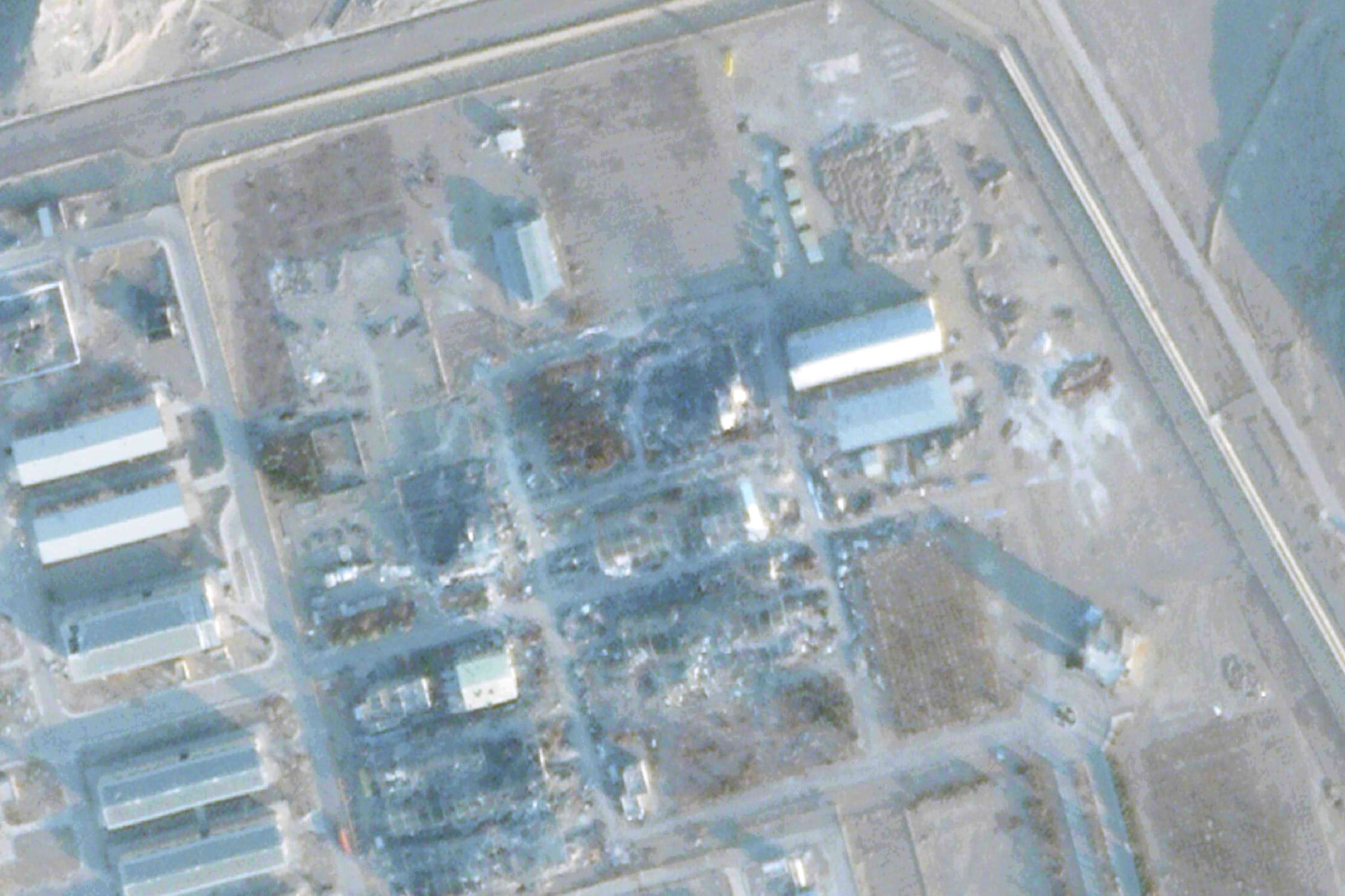
Satellite images show that all the tunnel entrances to Iran’s Isfahan nuclear site have been buried under soil, the Washington-based Institute for Science and International Security said in a report published Monday, suggesting that the moves show Tehan is “seriously concerned” about an attack on the facility.
The institute, which long has watched Iran’s nuclear sites, said the images, which were taken Sunday, show that two of the entrances are now totally covered, while the third, northernmost entrance to the complex also has “additional passive defense measures.”
The organization said there is no longer vehicle activity seen at the entrances, and that it appears Iran is worried about the possibility of strikes or a raid by the US or Israel, or both, at the site.
“Backfilling the tunnel entrances would help dampen any potential airstrike and also make ground access in a special forces raid to seize or destroy any highly enriched uranium that may be housed inside difficult,” the institute said, positing that Iran could have moved sensitive materials into the tunnels to help try to protect them.
“Preparations like these were last observed in the days before Operation Midnight Hammer struck facilities at Fordow, Natanz, and Esfahan,” the institute added, using a different spelling for the Isfahan site and referring to the US strikes on the three facilities last June.
“It appears clear that the Iranians are seriously concerned about a US/Israeli aerial attack and/or raid against this particularly hardened nuclear facility,” the US-based institute said.
NEW: High resolution satellite imagery taken yesterday shows the extent to which Iran has covered the tunnel entrances at the Esfahan nuclear complex with soil. The middle and southern entrances are unrecognizable and fully covered in soil. The northernmost tunnel entrance which… pic.twitter.com/baYI2zCuN0
— Inst for Science (@TheGoodISIS) February 9, 2026
Prior to Israel launching a 12-day war with Iran in June, the Islamic Republic had three major nuclear sites associated with its nuclear program. The facility outside the city of Isfahan was known mainly for producing the uranium gas that is fed into centrifuges to be spun and purified.
During last year’s war, Israel targeted Isfahan first, followed by US strikes using bunker-busting bombs and Tomahawk cruise missiles. The US strikes “significantly degraded Iran’s nuclear program,” the White House’s National Security Strategy published in November said, though specifics on the damage have been hard to come by publicly.
Iran has not allowed IAEA inspectors to visit the sites since the attacks.
Satellite imagery last month showed roofs being built at Isfahan, which the Institute for Science and International Security said appeared to be part of an operation to “recover any sort of remaining assets or rubble without letting us know what they are getting out of there.”
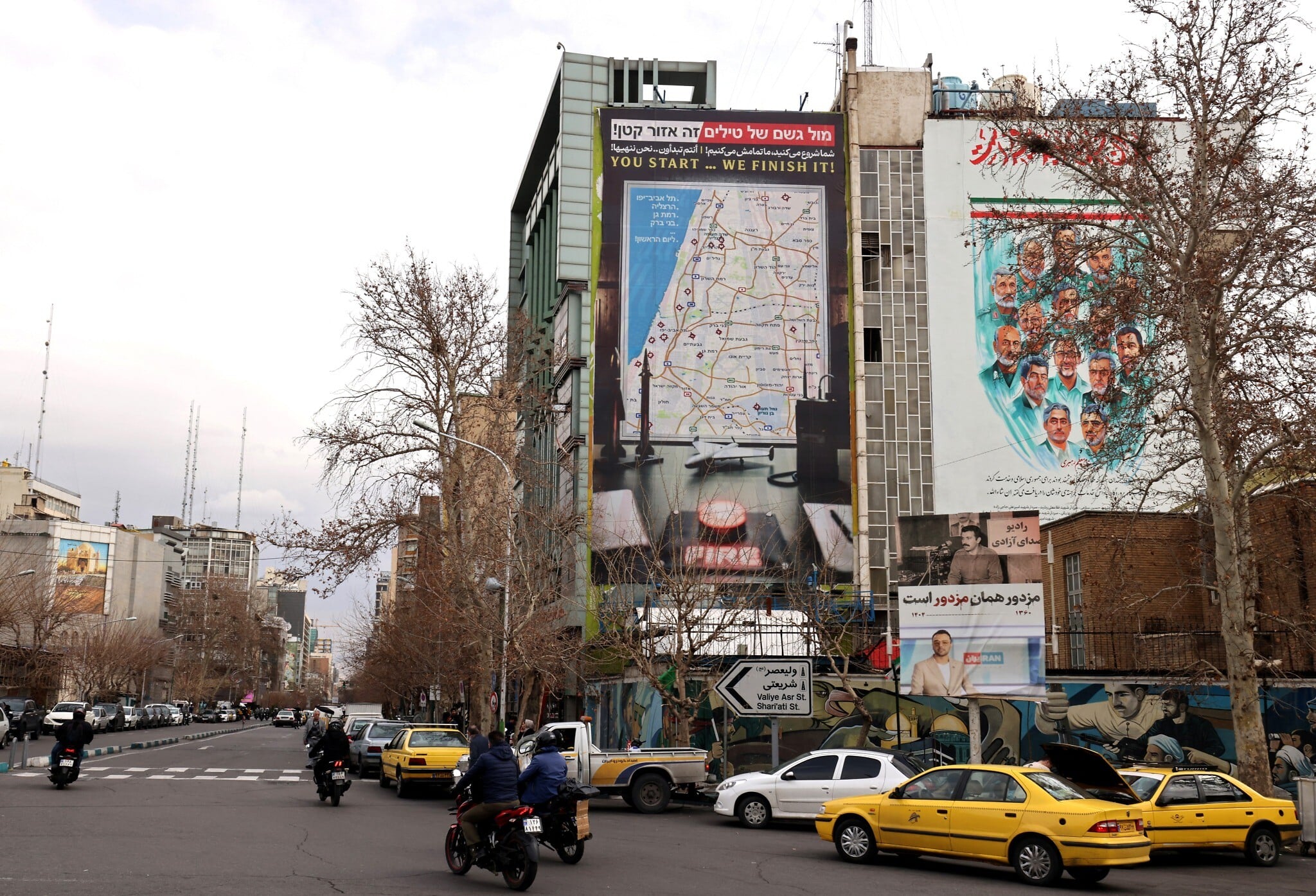
US President Donald Trump has repeatedly demanded that Iran negotiate a deal over its nuclear program to avert American military strikes, which he initially threatened over the country’s brutal crackdown on protesters, in which thousands of people were killed.
Washington has demanded Iran relinquish its stockpile — estimated last year by the UN nuclear agency at more than 440 kilograms (970 pounds) — of uranium enriched to up to 60 percent fissile purity, a small step away from the 90% that is considered weapons grade.
Iran has consistently denied seeking to acquire nuclear weapons. However, it enriched uranium to levels that have no peaceful application, obstructed international inspectors from checking its nuclear facilities, and expanded its ballistic missile capabilities. Before the 12-day war between the countries last June, Israel said Iran had recently taken steps toward weaponization.
At the talks in Oman last week, the US and Iran agreed to discuss Tehran’s nuclear program, though Washington and Israel also want to put Iran’s ballistic missiles and its support for proxy terror groups in the region on the agenda. Iran has rejected this.
The date and venue of the next round of talks have yet to be announced.
Agencies contributed to this report.






The Times of Israel Community.