

Seeking refuge from sirens and strikes, Israelis migrate south to quiet Mitzpe Ramon
Located in the middle of the vast Negev Desert, the isolated hamlet on the Ramon Crater has seen the arrival of thousands since the joint US-Israeli attack on Iran’s regime
 Add ToI as a Preferred Source on Google
Jessica Steinberg, The Times of Israel's culture and lifestyles editor, covers the Sabra scene from south to north and back to the center
It was Sunday afternoon, eight days into Israel’s war with Iran, and Ran Tsabari was working quietly in his Mitzpe Ramon hotel room, calm for the first time in days.
“After experiencing round after round of sirens, suddenly we’re not hearing anything,” said Tsabari, who left his home in Petah Tikva with his wife and two young daughters on Thursday to join friends staying in the desert town.
Since the US-Israel war with Iran began on February 28, there have been only two sirens sounded in Mitzpe Ramon, the Negev desert town situated on the northern ridge of the Ramon Crater.
Many of the sirens and rocket strikes have been in the country’s center and north, at times with concurrent fire toward Haifa and the northern border towns from both Hezbollah forces in Lebanon and from Iran.
The lack of sirens and rockets in this quiet, desert hamlet of 5,000 people, where ibex roam free, has turned Mitzpe Ramon into a magnet for Israelis fleeing the constant rocket fire.
“We had two on that first Saturday, the first alert and then one midday, and since then, that’s been it,” said Eliya Winter, who heads the local council. “We sheltered tourists after October 7 as well, so we’re used to this.”
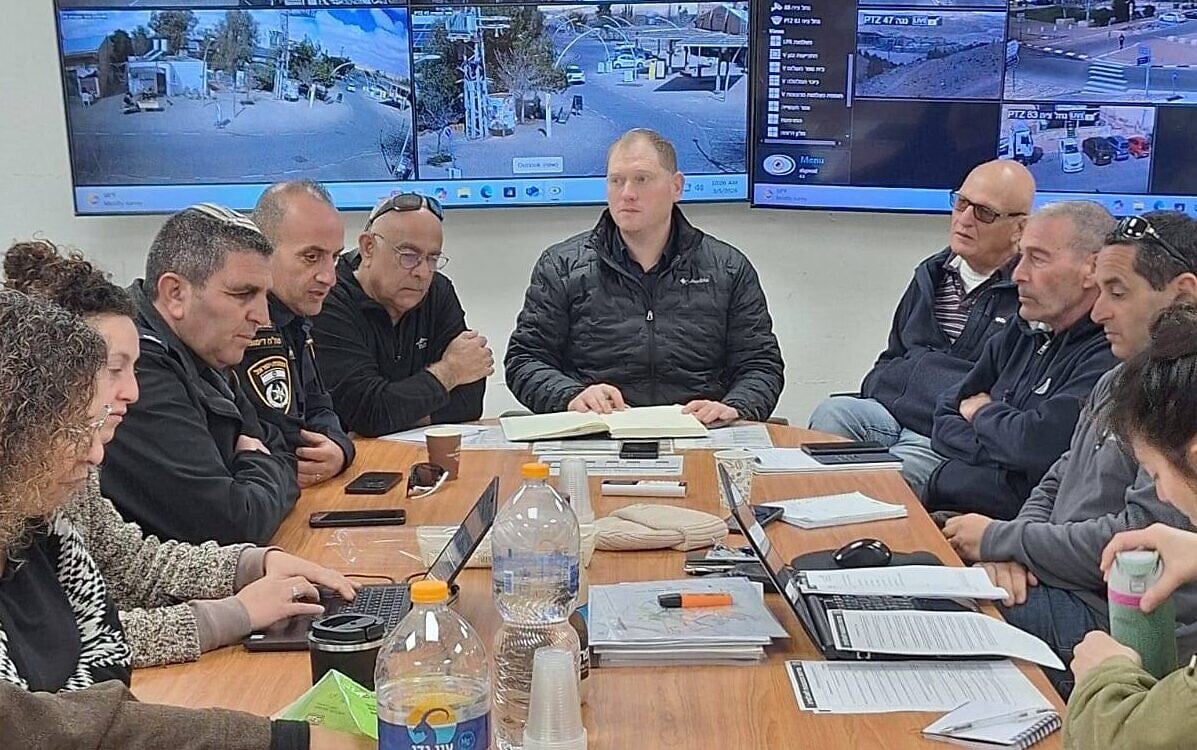
The town of 6,000 has hosted about 3,000 guests since the start of the conflict with Iran, said Winter.
“We have 800 beds and a range of options, from luxury at Beresheet to Airbnbs and desert huts,” said Winter. “When the war started, we started stocking up on groceries in the stores and making sure our businesses were prepared. There’s no lack of anything here.”
Tsabari, his family, and other family friends are staying at Dunia Suites, a new hotel in the Spice Quarter, the business center on the edge of the town that is home to the well-known Lasha Bakery, artists’ studios and workshops, several cafes, and a variety of accommodations.
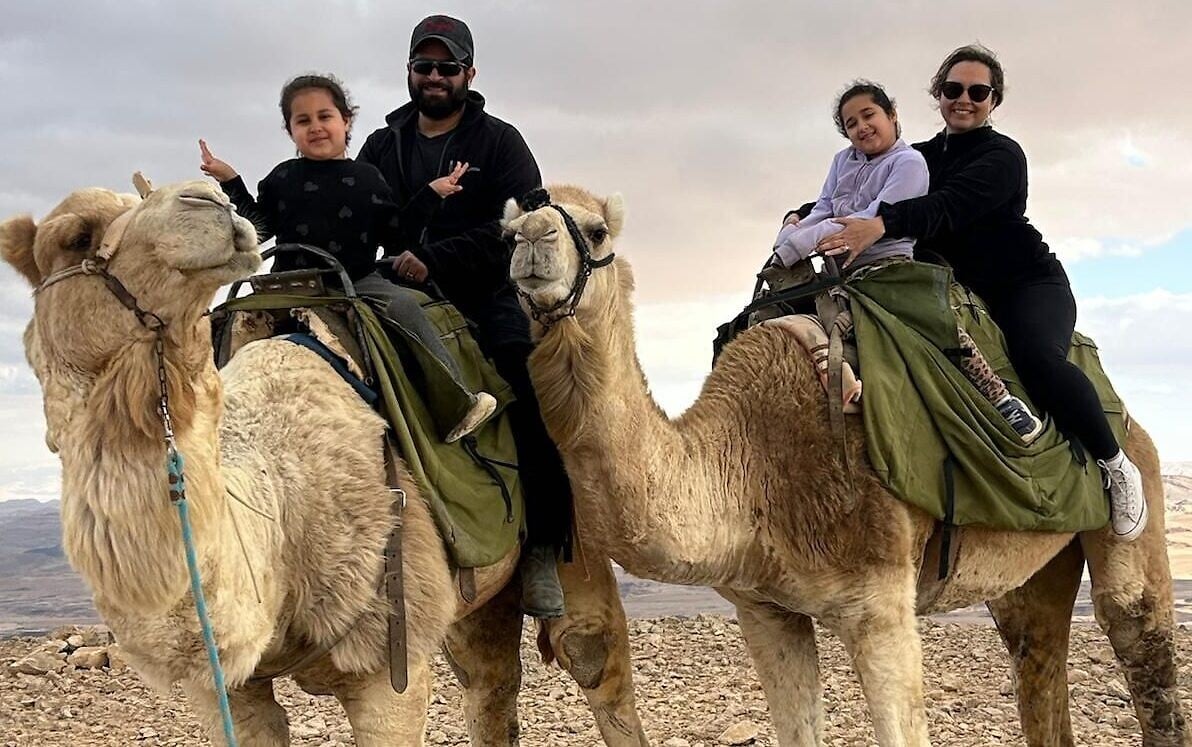
“The world looks a lot different from here,” said Tsabari on Monday, after arriving the previous Thursday. “We went on a camel ride, now I’m making some calls, tonight we’ll go stargazing.”
Tsabari and his family live in a Petah Tikva apartment tower two doors down from the high-rise building where two people were killed in June by a ballistic missile fired by Iran, which had a direct impact on the fourth-floor apartment safe room where they were sheltering.
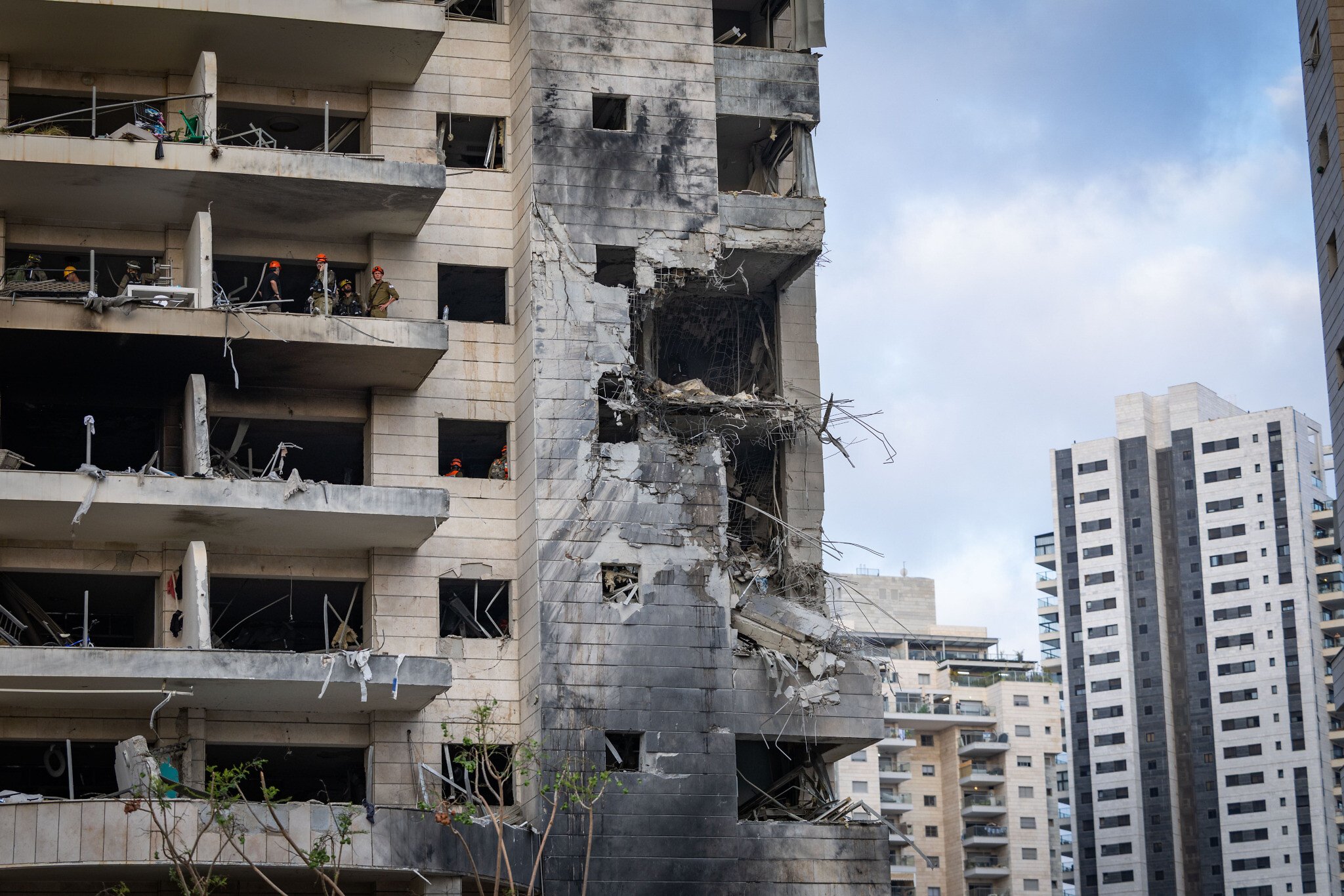
“Our safe room faces northeast,” said Tsabari. “Statistically, it’s one millionth of a percentage [to be hit by an Iranian missile], but you sit there and you don’t feel safe.”
After days of being holed up in their apartment, Tsabari and his family decided to join their friends in the desert haven.
They packed up the car and were about to head out when a siren sounded. After receiving the Homefront Command’s all-clear, the Tsabaris loaded their daughters and their dog into the car and drove two and a half hours to the desert, stopping once along the way for Tsabari to have a work meeting on Zoom.
Tsabari’s wife, Lena, was recently laid off from her job in tech during a significant round of downsizing, which has made it easier for her to care for their daughters, ages 5 and 8, given that schools, kindergartens, and daycare centers are closed for the time being.
They joined the Goldbergs, who had traveled down to the desert town with their two young sons, joining three other families for an annual weekend away.
When the start of the conflict with Iran brought the first alert early Saturday morning, February 28, the Goldbergs decided to stay in the desert village rather than head home to their apartment in Hod Hasharon, where they would have spent most days running in and out of their safe room.
“Our brother-in-law and sister-in-law spent one night in Rosh Haayin and were like, ‘Don’t come back here,'” said Ella Goldberg, referring to a town neighboring Petah Tikva.
In the meantime, the Goldbergs moved from the Airbnb they initially rented for the weekend to a small hotel and, hoping to save some money, moved again to Dunia Suites, a new boutique hotel run by two local Bedouins and their business partner from Lod.
“They rushed to open because so many people were coming down here,” said Goldberg.
Breakfast is served in a Bedouin tent, the pool isn’t complete yet, and every family brought their dog — yet it works for now, said Goldberg.
When another set of guests left for home, she called friends in Tel Aviv without a safe room or nearby shelter and invited them down.
“Our other friends who went back to Tel Aviv promptly began texting, ‘Why did we leave?'” said Goldberg.
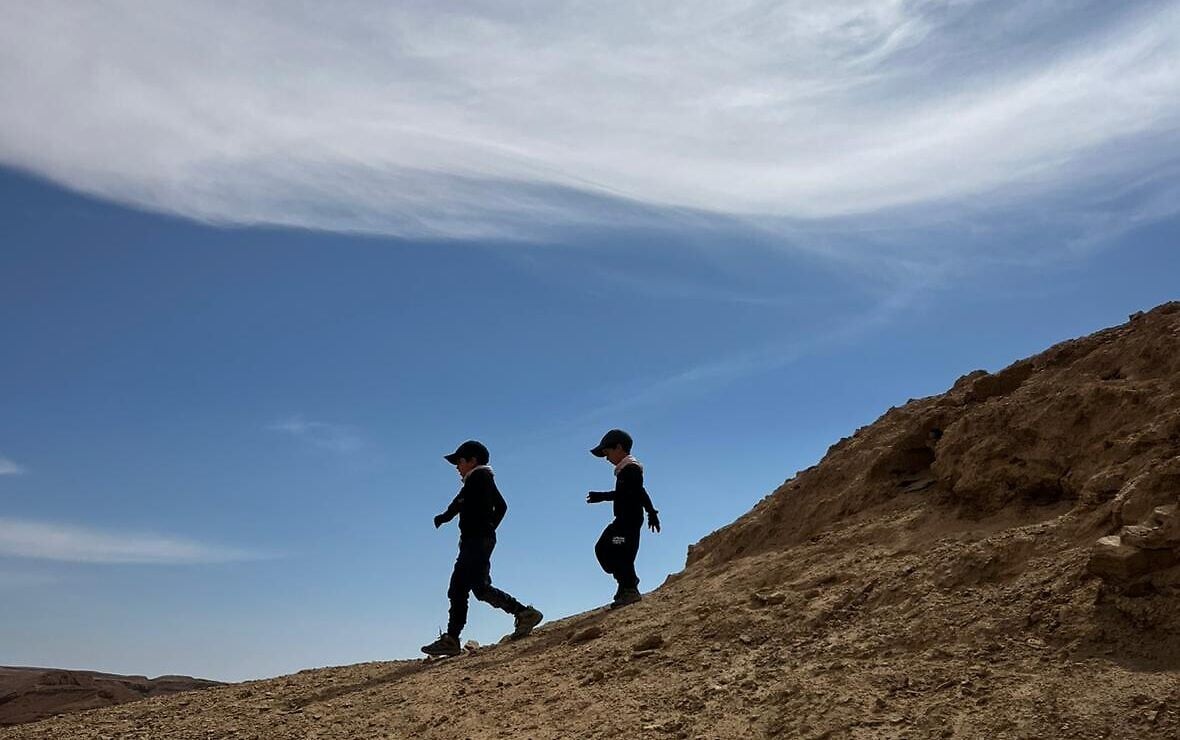
“I’ve been able to work all day, I have WiFi, and we’ve hiked so many parts of the crater, we’ve done every kind of workshop,” she said.
The family even reconnected with a childhood friend of Goldberg’s who lives in the area. They offered to help with laundry and brought Purim treats last week during the holiday.
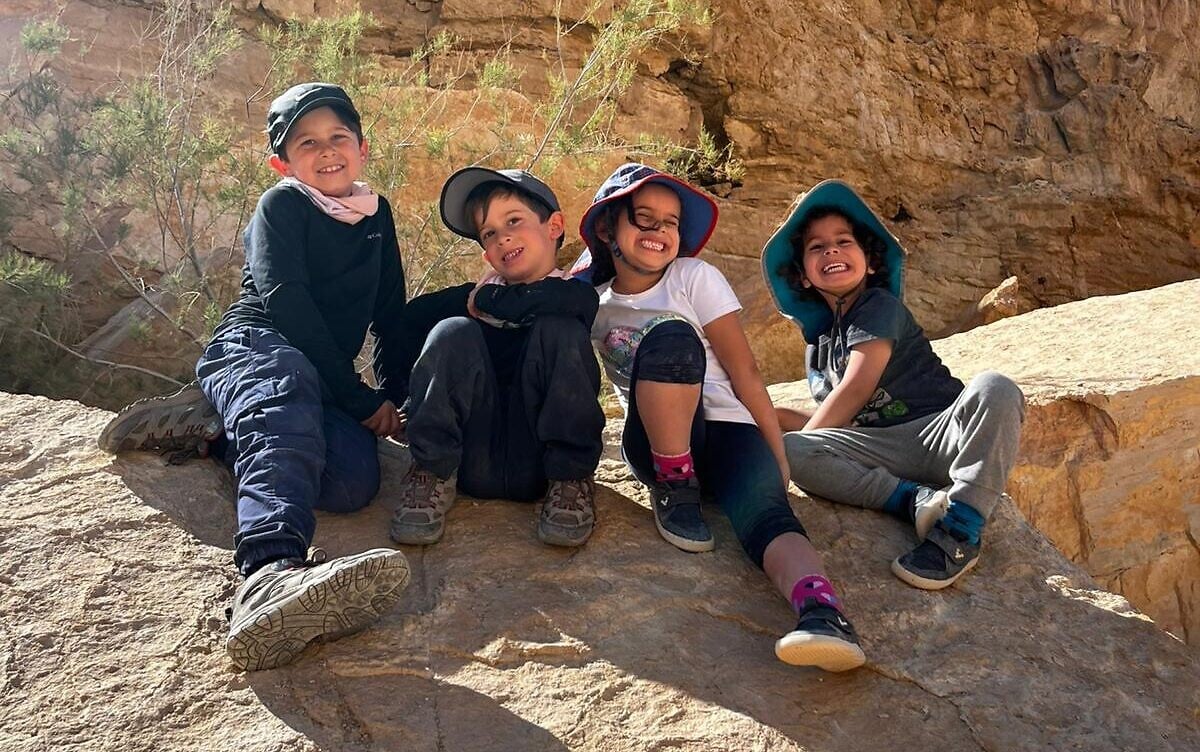
“You can see all the evacuees when you’re in the Spice Quarter,” said Michal Capuelluto, a master seamstress and costume maker who runs sewing workshops from the Desert Tailor studio there. Her husband, Yiftach Dvash, runs jeep trips for tourists and is currently on reserve duty.
“I’ve been meeting people from all over the country, and they know the scene from last time,” said Capuelluto. “They came here immediately and booked or sublet a place.”
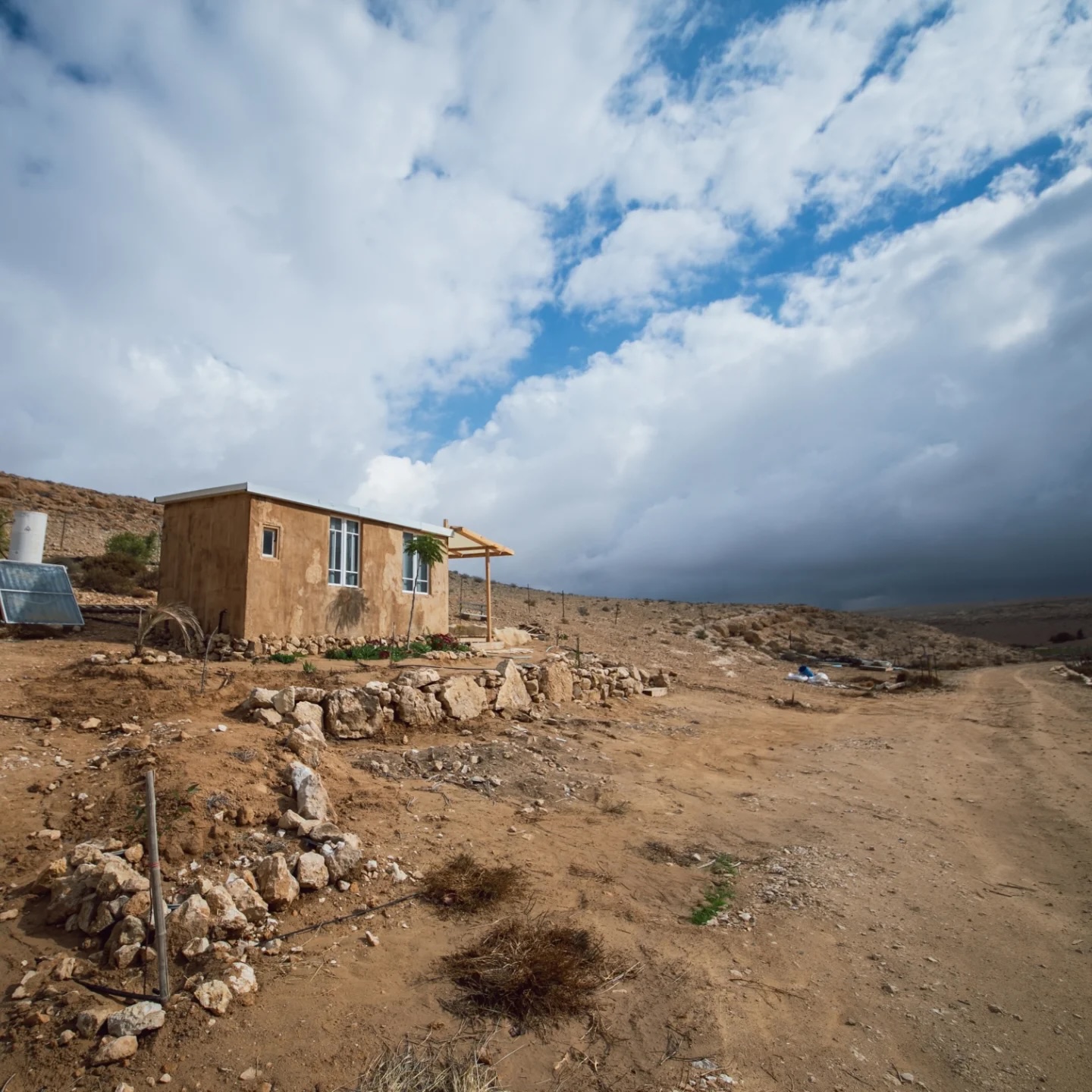
The local authority put together an information sheet for the newcomers, including a WhatsApp group for updates, phone numbers for medical help and psychological aid, a comprehensive list of places to stay, as well as public shelters and locations, things to do, and options for volunteering.
“I’m used to going around and recognizing everyone, and right now, I don’t,” said Winter, who came to the desert town when he was 18 and has lived there for the last 15 years, working in various roles in the local authority.
“It’s definitely more responsibility and a lot more garbage to handle, but we’re open and happy about it. Whoever comes here loves it, and that’s always an opportunity for us.”










The Times of Israel Community.