

Shin Bet chief will resign over Oct. 7 Hamas attack, predecessor predicts
Yaakov Peri says Ronen Bar has told agency staff he intends to ‘pay price’ for failures that enabled massacre, stresses political leadership must go before any defense officials
 Add ToI as a Preferred Source on Google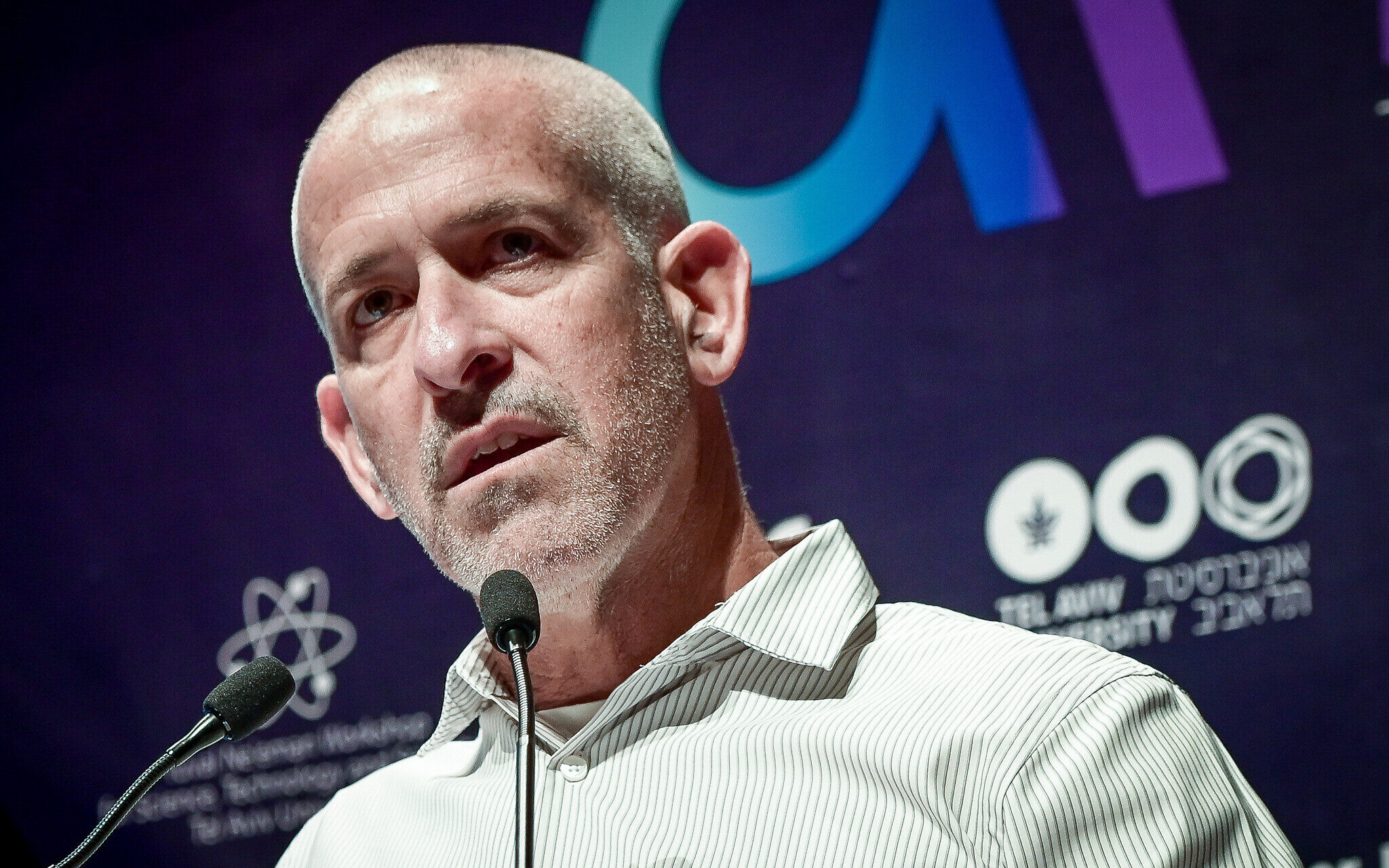
The head of the Shin Bet security agency reportedly intends to step down after the war against Hamas ends, in a show of responsibility for the failures that enabled the terror group to carry out its devastating October 7 massacres in Israel.
Yaakov Peri, who led the agency between 1988 and 1994, told Army Radio on Sunday that Ronen Bar has made it clear to staff that he will step down.
During the surprise attack, which bucked years of assessments by defense officials and political leaders, Hamas invaded southern Israel with some 3,000 terrorists from the Gaza Strip. The terrorists killed 1,200 people, mostly civilians, slaughtered amid brutal atrocities. It took the military several hours to mount an effective response, by which time at least 240 other people were abducted as hostages in Gaza, over half of whom are still being held.
Peri said he had spoken with Bar since the attack, though he admitted the latter did not say anything to him about his intentions.
But, said, Peri, he heard from those within the Shin Bet that Bar had declared the need to “pay” for failures, which he interpreted as meaning Bar intends to resign.
“I do not doubt that he will be the first one to hand in his keys,” Peri said. “His intention is to leave the role.”
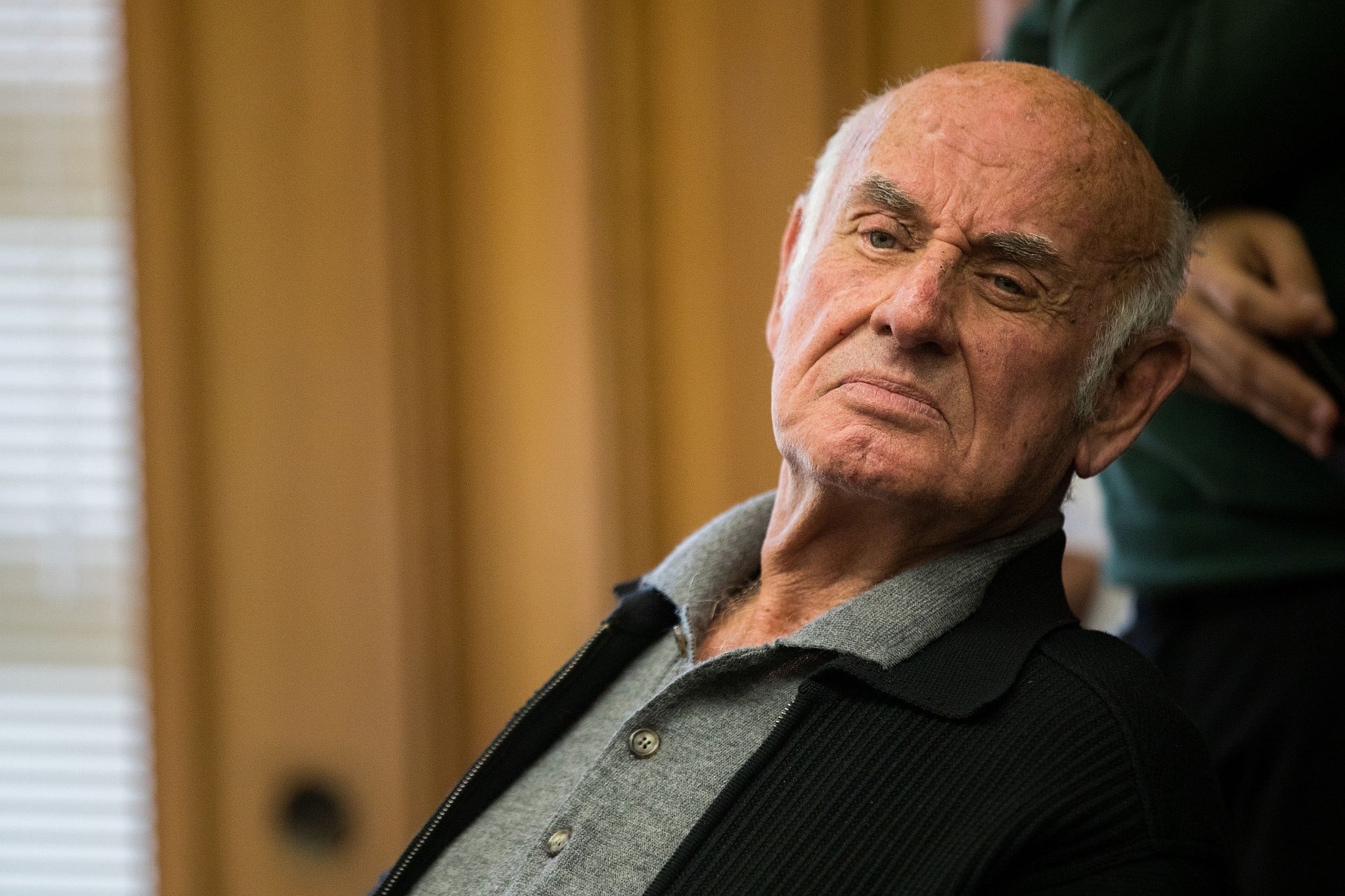
But Peri said he fully backs the calls for security chiefs to not resign until political leaders have taken the lead and stepped down.
“We must make sure there is a balance” in which both the political leadership and the defense establishment “pay the price,” he said. “Everyone must take responsibility for the failure.”
An unnamed source in the Shin Bet countered Peri’s claims on Army Radio, saying that the only thing Bar has said about the situation was during the first week of the war when he sent a missive to staff accepting overall responsibility for the situation.
On October 15, Bar acknowledged his responsibility for the lack of an early warning for the assault on southern Israel communities.
“Despite a series of actions we carried out, unfortunately on [October 7] we were unable to generate a sufficient warning that would allow the attack to be thwarted,” he wrote at the time to members of the agency.
“As the one who heads the organization, the responsibility for this is mine,” Bar said. “There will be time for investigations. Now we are fighting.”

Since the outbreak of the Israel-Hamas war, questions have swirled around governmental responsibility for the intelligence and operational failures that enabled the cross-border incursion to occur.
Aside from Bar, other top officials in charge of Israel’s security have admitted personal responsibility and failure, among them Defense Minister Yoav Gallant, IDF Chief of Staff Herzi Halevi, and the head of the IDF Military Intelligence Directorate, Maj. Gen Aharon Haliva.
Prime Minister Benjamin Netanyahu has not taken direct responsibility so far, to significant public consternation. He has been adamant that he had no prior knowledge of any security assessments predicting an attack. However, security chiefs had been warning for months that Israel’s enemies viewed the national turmoil over the coalition government’s judicial overhaul plan as leaving the country in a vulnerable position, and urged him to seek compromise. Netanyahu appeared to brush aside such concerns.
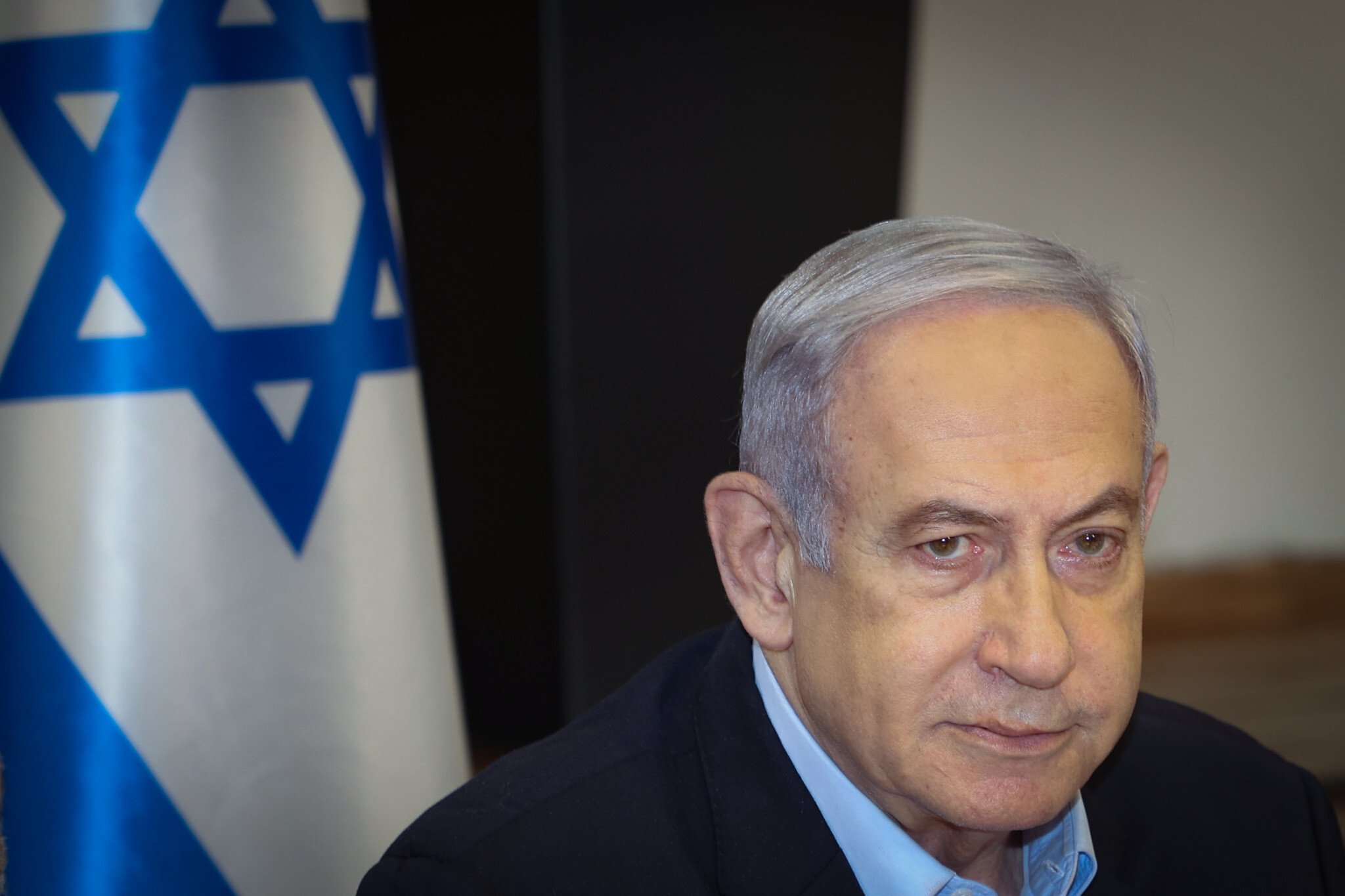
The prime minister has also faced criticism for remarks seemingly blaming the failures on the military.
The subject has become a source of tension within the cabinet. While the government has insisted it wants to wait until the end of the war before launching a probe into what went wrong, Halevi drew heavy fire at a recent security cabinet meeting when he announced the IDF will start its own investigation into operational failures. Right-wing ministers assailed the army chief in what was reportedly a dispute loud enough to be heard down the corridor from the closed-door meeting.
That led war cabinet Minister Benny Gantz to warn Netanyahu to choose between national unity and playing politics as he chastised the prime minister for not shutting down the attack on Halevi.





The Times of Israel Community.