

Sister of fallen soldier transforms IDF crates of his belongings into art installation
Noga Kamhaji took blue boxes filled with possessions of brother Dan, killed in Hezbollah drone attack, and returned by military after his death, and created a remembrance project
 Add ToI as a Preferred Source on Google
Jessica Steinberg, The Times of Israel's culture and lifestyles editor, covers the Sabra scene from south to north and back to the center
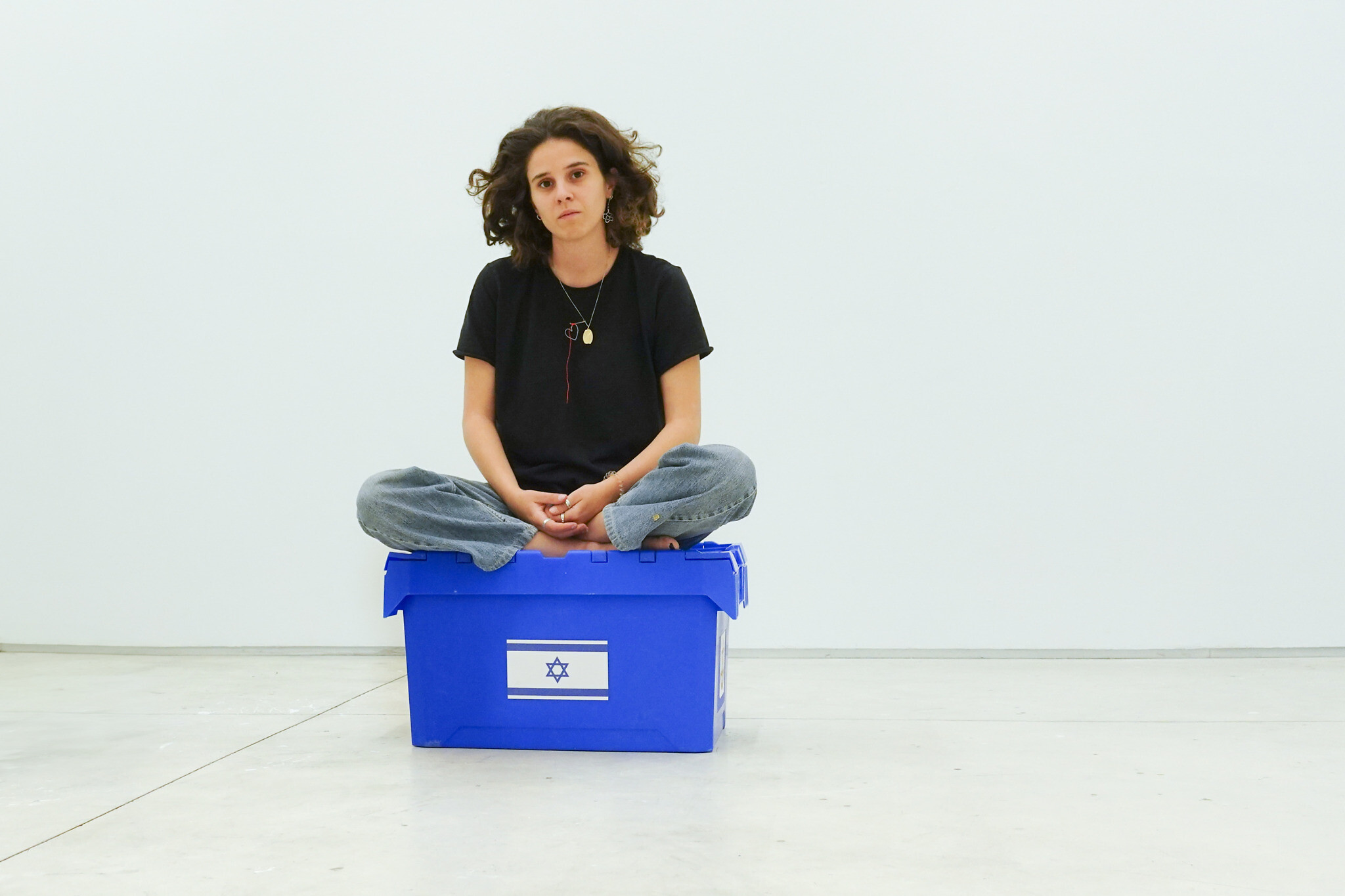
It was a few days after the shiva condolence period for Master Sgt. (res.) Dan Kamhaji in May 2024, when three blue plastic crates holding his belongings were delivered to his parents’ home.
It has been many decades since the IDF began returning soldiers’ effects in these storage and transport crates, made for the army in gray or blue plastic, usually delivered several days after the bereaved family has completed their formal condolence period.
Kamhaji, 31, was killed in a Hezbollah drone attack in northern Israel on May 6, as Israel traded blows with the Lebanese terror group, several months before Jerusalem launched an offensive that devastated the organization.
The crates were full of belongings that Kamhaji had brought along to reserve duty, including charging cords, screwdrivers, electrical tape, boots, and even acupuncture needles — as Kamhaji was studying Chinese medicine and brought them in case his fellow soldiers wanted treatment.
Dan was a collector, his younger sister Noga recalled, and always had the exact item needed to fix anything. Hence, the tools, tape and odd assortment of random objects found in the crates.
“My mother immediately wanted to empty them and put his things away,” Noga said of the plastic boxes, each emblazoned with stickers of the Israeli flag and the IDF emblem.

She convinced her to let them sit in his room, to allow each family member to react to them as needed.
Noga, then a third-year industrial design student at Bezalel Academy of Arts and Design, eventually found a way to mourn her brother through the blue crates — another method of processing his death and the family’s tremendous sense of loss.
More than a year later, “Blue Argaz,” the Hebrew term for crate, is the title of Kamhaji’s final Bezalel project and exhibition that includes an art book, a short film, an installation, and a website about her brother — and the process of mourning him.
Dan Kamhaji was a yoga teacher, a lively, loving man who schlepped his siblings and friends to music festivals and would often smother his parents with hugs. He was single and living at his parents’ home on October 7, 2023, when the Hamas terrorist attack unfolded, and some 300,000 reservists began being called up to fight.
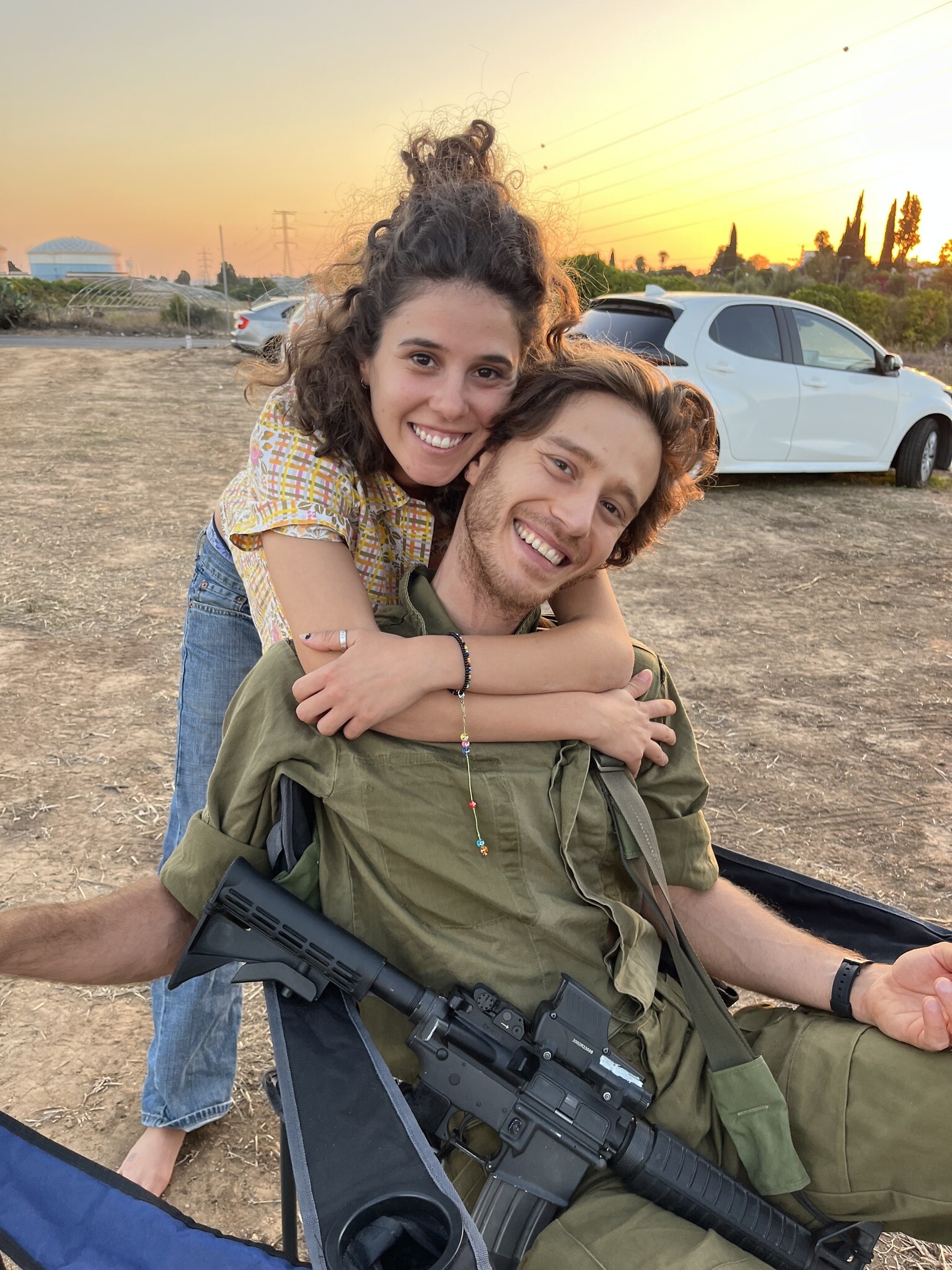
“He was gentle, a man of love and peace, and he was a combat soldier, even though he was skinny and narrow like I am,” said Kamhaji.
On that day, Kamhaji asked her brother why he needed to show up for reserve duty, but she said he was sure about his decision, ready to serve.
Dan Kamhaji ended up serving for months in Gaza and then in the north to face the Hezbollah threat from Lebanon. However, the family was less concerned when he was up north, assuming it was safer up there.
In May 2024, Kamhaji, who was on a student exchange in Poland, was traveling with her parents in Portugal.
On May 7, when Dan Kamhaji and another soldier, Master Sgt. (res) Nahman Natan Hertz, were killed by an unmanned aerial vehicle launched by Hezbollah, the Israeli embassy in Portugal located them to inform them of his death, as the other siblings were notified in Israel.
Kamhaji and her parents were immediately flown back home to Israel to bury their son and brother.
That is when Kamhaji had to begin trying to make sense of her brother’s death.
“I have to understand that he had made his journey — life isn’t the age you reach, it’s a journey, and he had his,” said Kamhaji. “It’s not natural to die like this, but it’s what happens. He got to do what he wanted. We’re trying to be happy about who he was and that we got to have him.”
Kamhaji has keenly felt that Israeli society does not know how to speak about death. She found that every time she brought up her brother and his death, it was too big a topic; she could t properly access it, or her feelings.
When Kamhaji returned to Bezalel for her fourth and final year, she knew she would be dealing with death and loss in her final project, but thought it would be more general, not about her brother.
The crates, however, tugged at her heart.
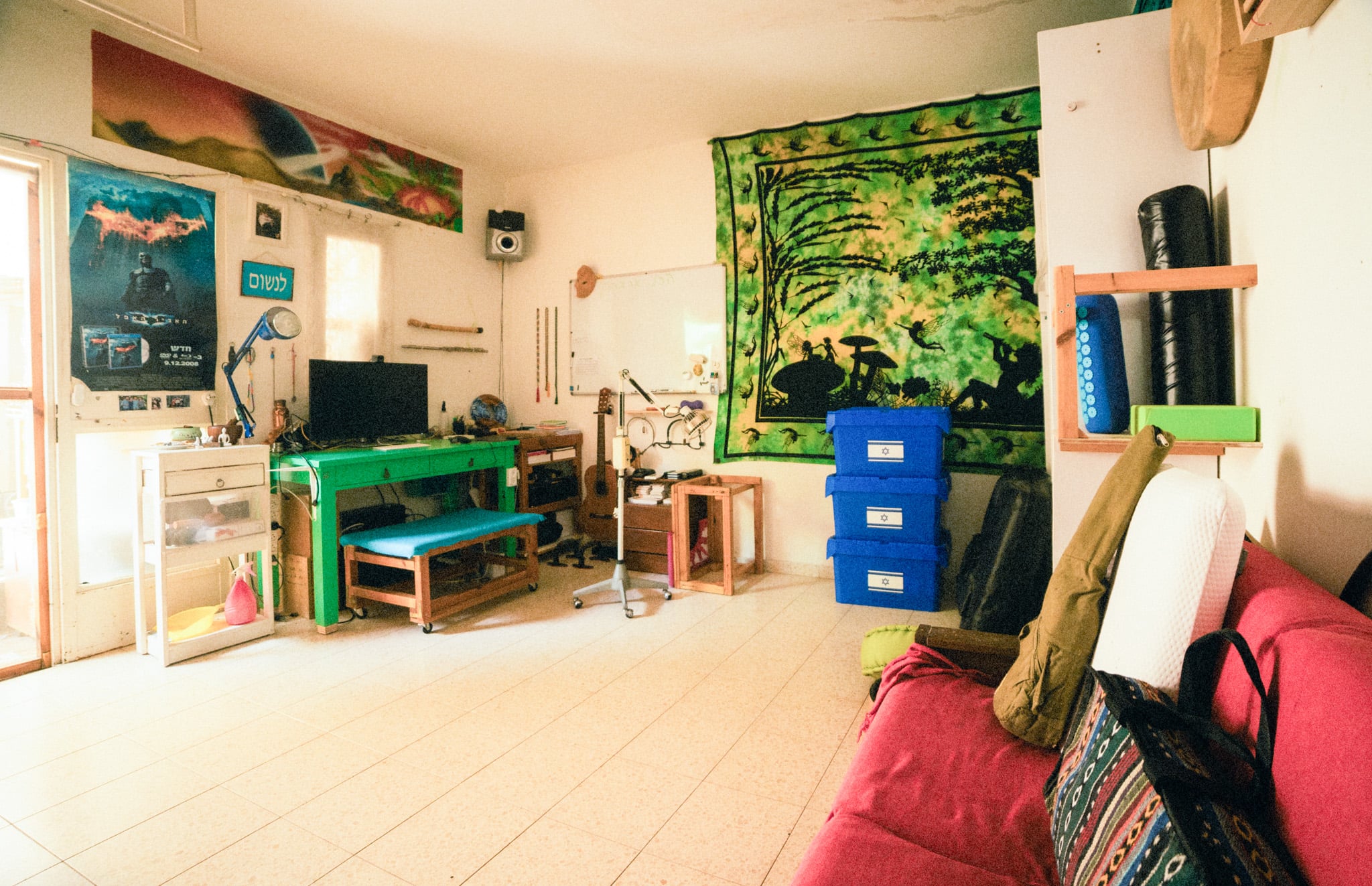
The stack of three plastic blue boxes was in his bedroom, and altered the space.
Without them, said Kamhaji, it felt like he had just walked out of the room.
But the crates’ presence constantly reminded her that he had been killed; the boxes filled with his things were proof that he was no longer living.
She went to the Plasgad factory in the north, which currently produces the plastic crates for the army.
She reached out to other bereaved families to see if they wanted to speak about their experiences of receiving and opening the crates, of looking at the long, carefully processed forms that listed every item held inside.
Everything that belonged to a soldier killed in combat is bagged into a resealable plastic bag before it is placed in the crate, even, in the case of her brother, an empty bag found among his belongings.
(The Kamhajis were able to watch part of the army’s official process of gathering and labeling Dan’s items, as a GoPro camera among his belongings was accidentally turned on, and recorded the soldier tasked with gathering and labeling the items that went into the crate. Noga Kamhaji included that sequence in her exhibit video.)
One mother that Kamjaji spoke to said she opened the crate and only found a pair of pants. Another had not yet opened the crates she had received, while another parent had emptied them and used them to hold a pair of rollerblades.
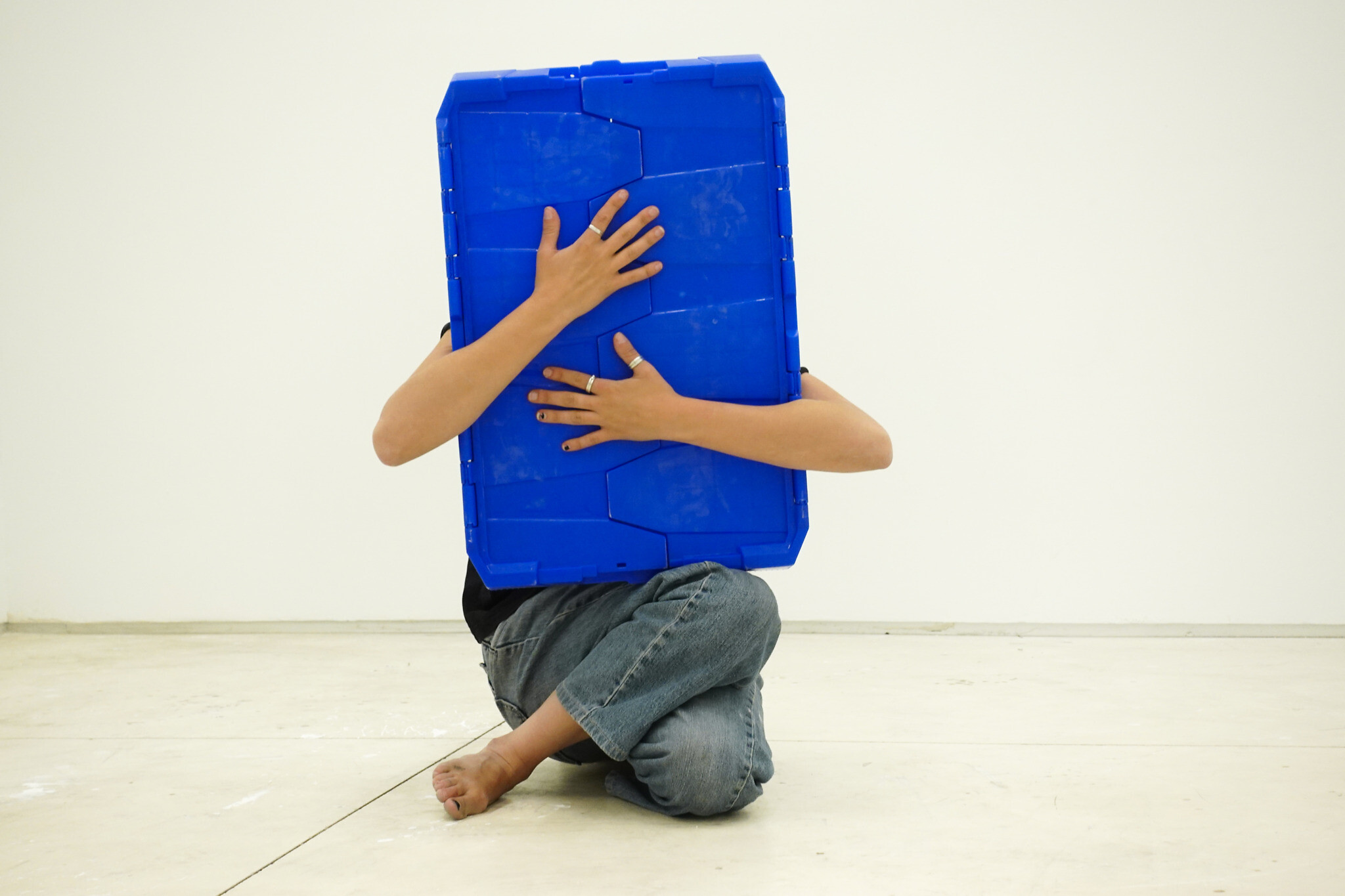
Kamhaji tried carrying one of the crates around, testing herself to see if she felt exposed, to see how people reacted.
“I felt naked carrying around this crate, exposed,” she said. “It was heavy, and it felt like everything, and it also felt like nothing at all.”
As a reaction to the crate’s emotional weight, Kamhaji cast a rectangular piece of cement in the size and shape of the crate’s interior space, signifying its weight and heft.
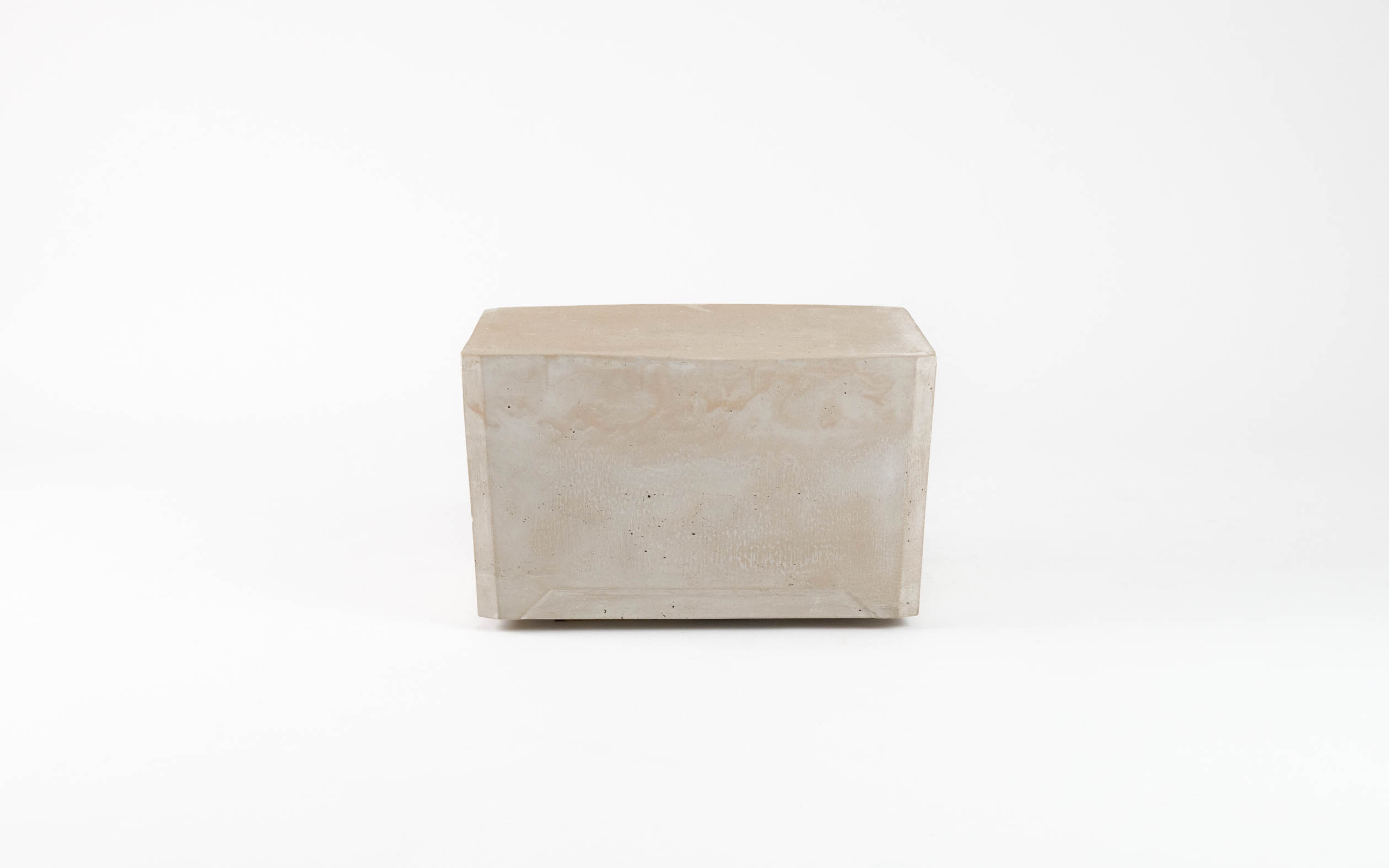
“It’s a monument, but again, it’s nothing,” she said.
She studied Pantone 2728 c, the particular royal blue color used by the factory currently manufacturing the crates for the IDF.
One page of the Blue Argaz website displays photos of random items also made in that exact Pantone shade of blue. There’s also a page showing Kamhaji carrying the blue crate around Israel.
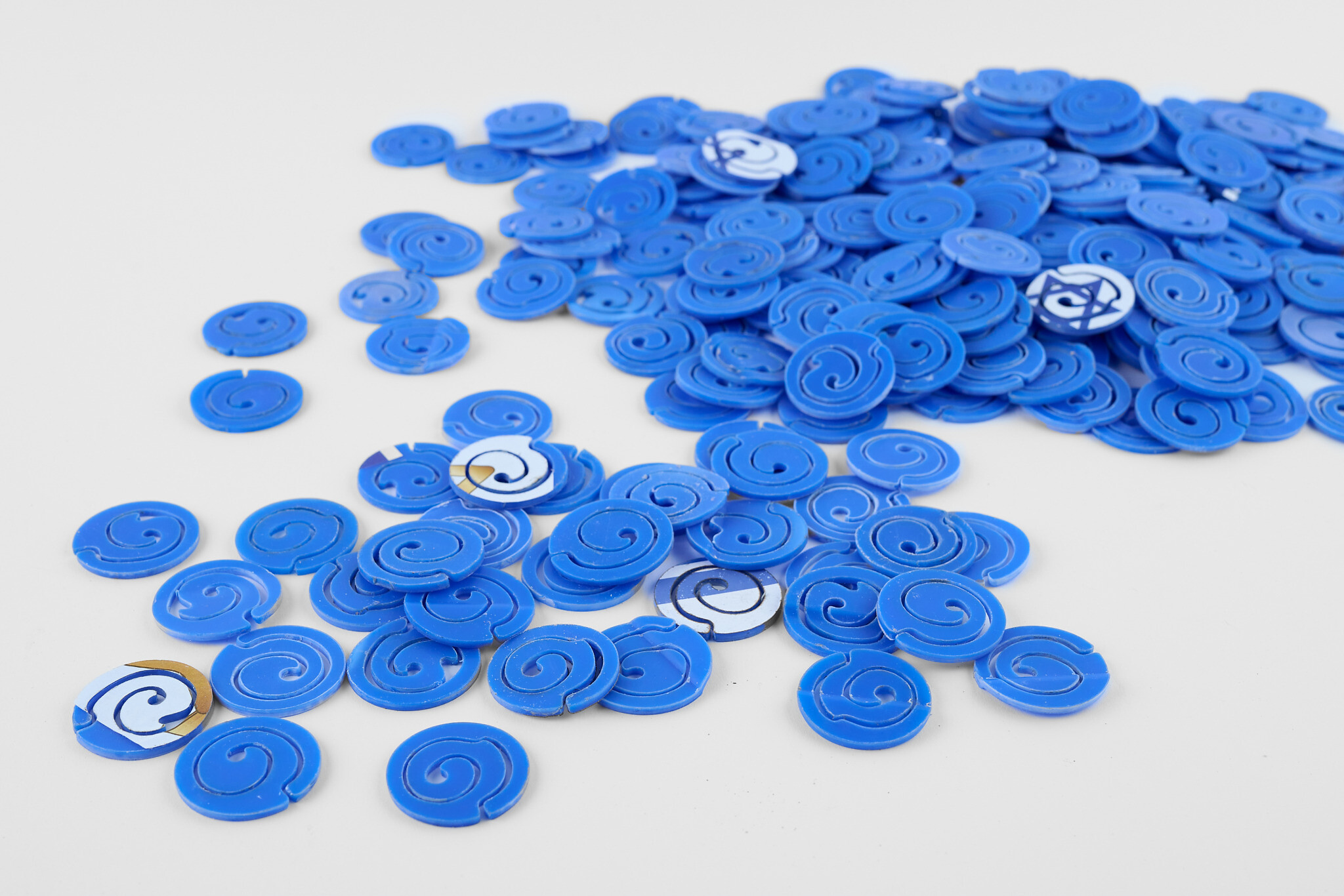
Kamhaji took it a step further and created a blue spiral clip for the exhibit, wanting to give people something and to show that while her brother’s life ended, his influence continues.
While the official Bezalel graduate exhibition has ended, several exhibits remain in the main gallery space of the art school, including Kamhaji’s blue crates and book, and will remain there through the end of September.
She is planning on making a longer version of the film she created for the Blue Argaz exhibit, and will be adding the stories of other soldiers to the Blue Argaz website. Kamhaji welcomes emails to theblueargaz@gmail.com, Instagram messages or messages on the website.






The Times of Israel Community.