

State report finds Israel unprepared to ensure gas keeps flowing during emergencies
State comptroller appears to urge government to rethink decision to close Haifa refinery, but office claims it is just seeking to guarantee energy supplies when missiles fly
 Add ToI as a Preferred Source on Google
Sue Surkes is The Times of Israel's environment reporter

Israel has no onshore storage reservoir for natural gas to ensure supply of the vital fossil fuel during emergencies, according to a state audit published Tuesday that revealed “critical vulnerabilities” in Israel’s primary energy source.
The state comptroller report on the energy sector’s readiness for emergencies also appeared to call for the government to rethink the closure of oil refineries set to be shuttered as part of a plan to redevelop Haifa’s bay, though the ombudsman attempted to back off the position ahead of the report’s publication.
Israel relies on offshore natural gas reserves for over 40 percent of its energy needs and 70% of its electricity requirements. But production and distribution were halted twice over the last two years during intense periods of conflict, raising questions about threats to supplies during emergencies.
“Unlike other industrialized nations examined, such as Germany, France, and Japan, Israel possesses no strategic natural gas storage reservoir,” the report said. “This is particularly concerning given that these countries rely on natural gas as a primary energy source to a lesser extent than Israel does.”
Israel’s Natural Gas Authority has yet to finalize detailed principles for formulating a policy on onshore natural gas storage, according to State Comptroller Matanyahu Englman.
In addition, there are no rules in place for how to prioritize the supply of natural gas to specific energy facilities during a shortage.
The report pointed out that the Energy Ministry lacked the legal authority to effectively supervise power plants or ensure that enough essential workers could be mobilized to operate them during a crisis.
Israel’s gas supplies are provided by three offshore gas fields — Tamar, Leviathan, and Karish — discovered over the past 20 years in the country’s economic waters off the Mediterranean coast.

The Tamar platform, located closest to the Gaza Strip, was shuttered for around five weeks at the beginning of the war that broke out there in October 2023, for fear of rocket and drone attacks.
Gas flow was also halted in June in anticipation of missile attacks during the 12-day war with Iran.
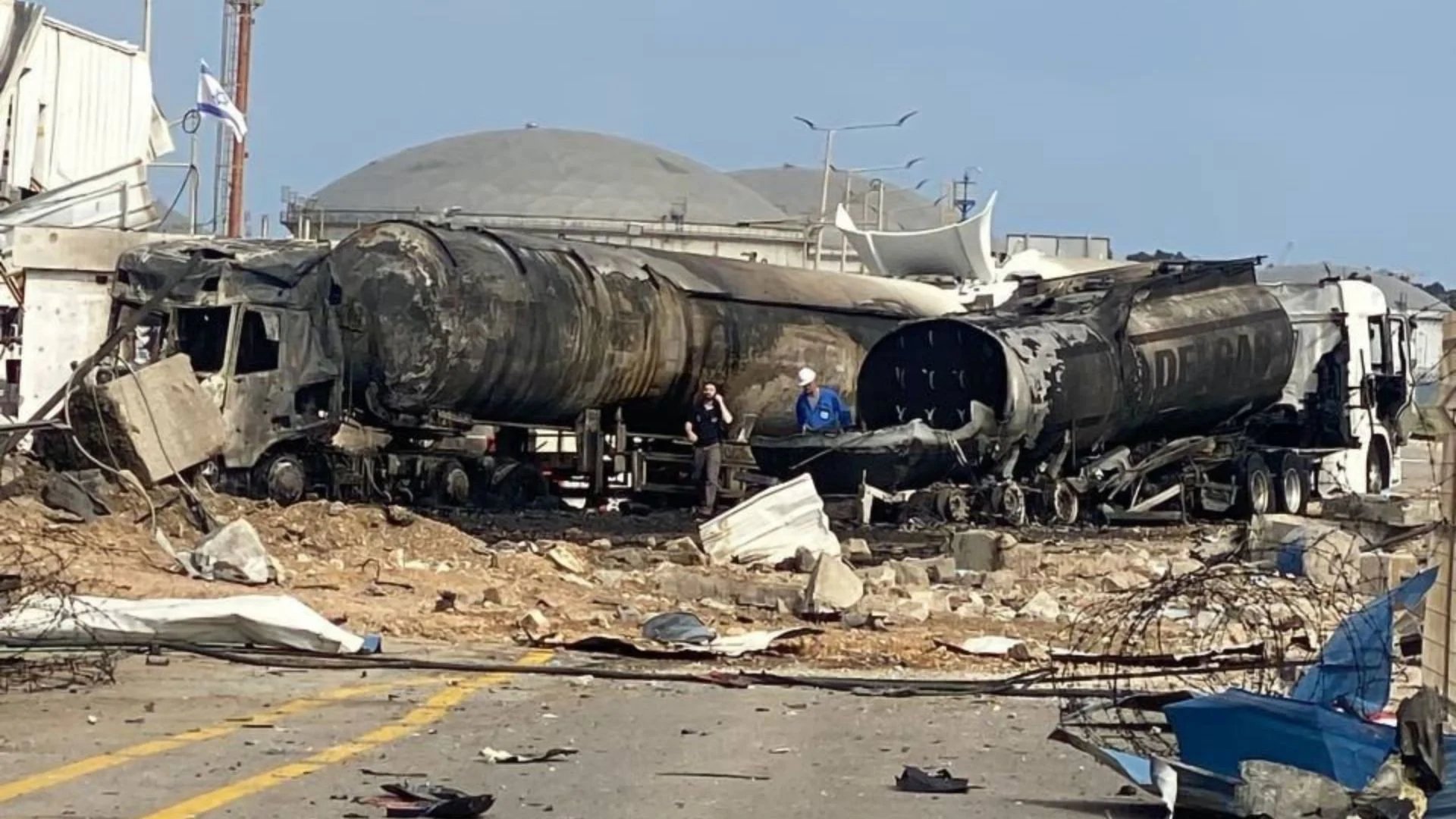
During one barrage, the Bazan oil refinery in the northern city of Haifa took a direct hit, killing three workers and shutting production.
When gas has run short, the country uses imported coal, or diesel, much of which is produced by Bazan.
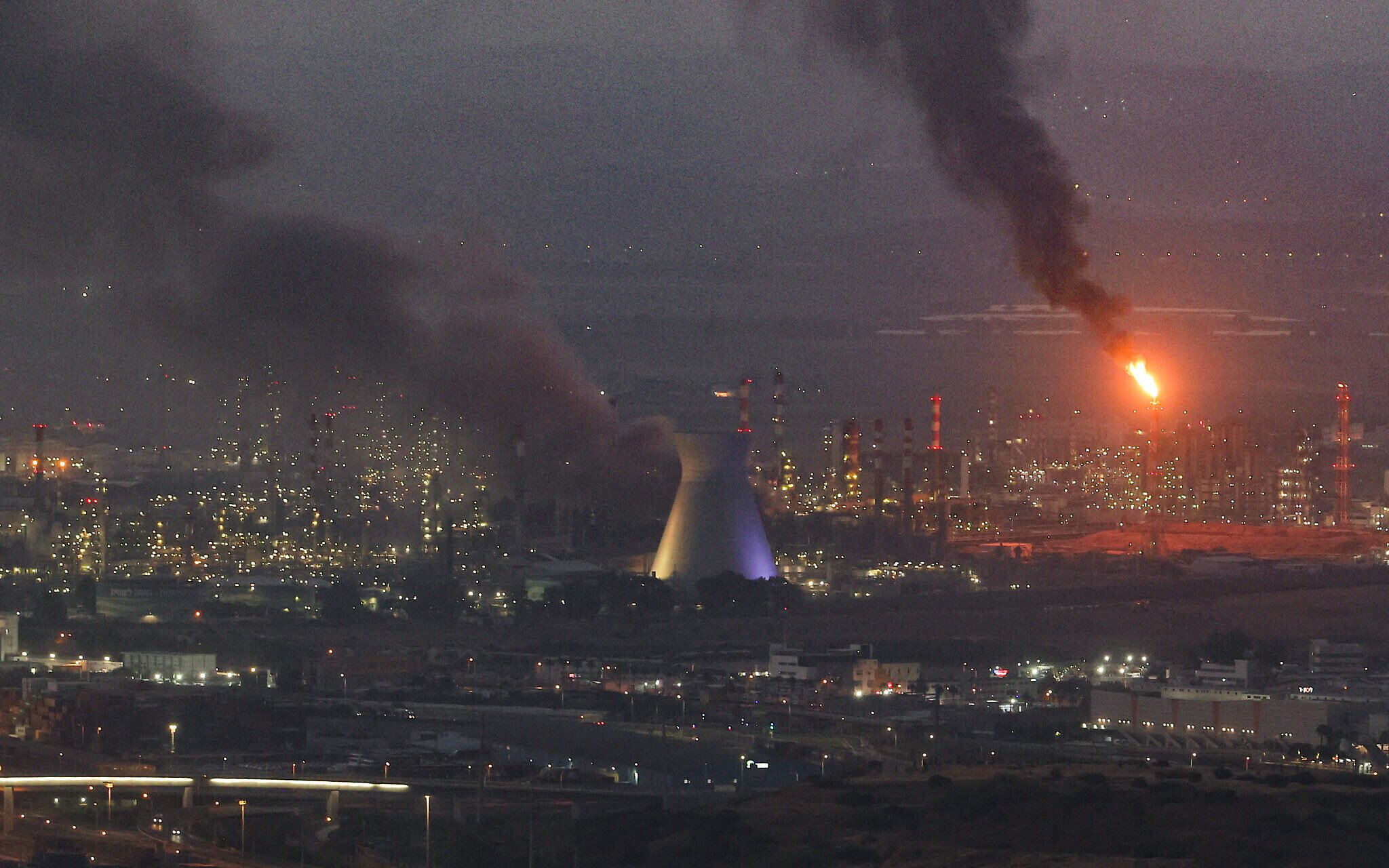
It also gets 44% of its liquefied petroleum gas, which is used for heating, hot water, and cooking, from Bazan.
According to the comptroller, the planned closure of Bazan, which follows a decades-long public campaign to shutter the polluting refineries, would force Israel to reply on a single importer for 80% of its LPG.
In the report, Englman concluded that the recent conflicts had “highlighted the critical importance of Bazan’s operations.”
He recommended that the National Economic Council, in collaboration with the Energy and Finance ministries and the National Security Council, “reexamine the fundamental assumptions underlying” the government decision of March 2022 to close the refineries by the end of this decade.
The closure of the plants is meant to pave the way for the transformation of Haifa and its industry-heavy bay into a metropolis rivaling the Tel Aviv area in employment opportunities and quality of life.
Plans for the city’s redevelopment are already underway under a Directorate for the Development of Haifa Bay operating under the Prime Minister’s Office, though the Bazan Group, owned by the publicly traded Petrochemical Enterprises, reportedly continues to attempt to resist its closure.

Just before the report was published Tuesday, the State Comptroller’s Office appeared to backpedal on its support for rethinking the closure in a statement to The Times of Israel and other media outlets.
It said the comptroller was not seeking Bazan’s continuation and had warned about the risks posed by the refineries’ location even before the war.
The statement said the comptroller was merely calling on the government to guarantee the energy sector’s functional continuity, “with a specific emphasis on emergencies and periods of war.”

Yuval Admon, who heads the Haifa Bay directorate, contested the state comptroller’s warnings about dependence on a single importer for LPG, noting that once Bazan closed, the larger import market would become more attractive to suppliers and additional companies would likely come forward.
One of the directorate’s key tasks is to create a new distillates port for imports in Haifa and to locate and select sites for the storage of those supplies.
The comptroller report criticized inter-ministerial wrangling for delaying the regulations needed for emergency fuel inventories and for complicating access to land for the construction and maintenance of underground fuel infrastructure.
Disagreements among the Defense, Energy, and Finance ministries also meant no decisions had been made on the recommendations of a committee that handled the stockpile of emergency fuel distillates.
Only parts of the report were published following a Knesset State Control Subcommittee decision that said making the entire audit public could compromise national security.








The Times of Israel Community.