

Thousands attend funeral of Arab Israeli man shot during riot
MK Ahmad Tibi says only Arabs risk being shot dead when they demonstrate; police believe guard who opened fire was facing life-threatening situation
 Add ToI as a Preferred Source on Google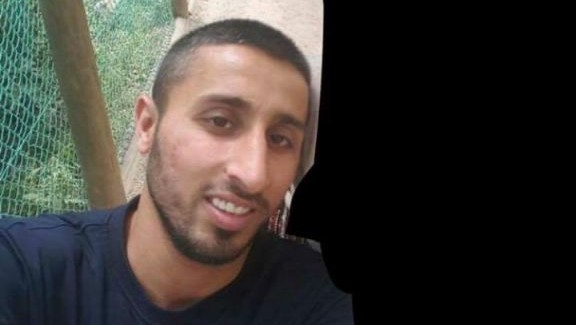
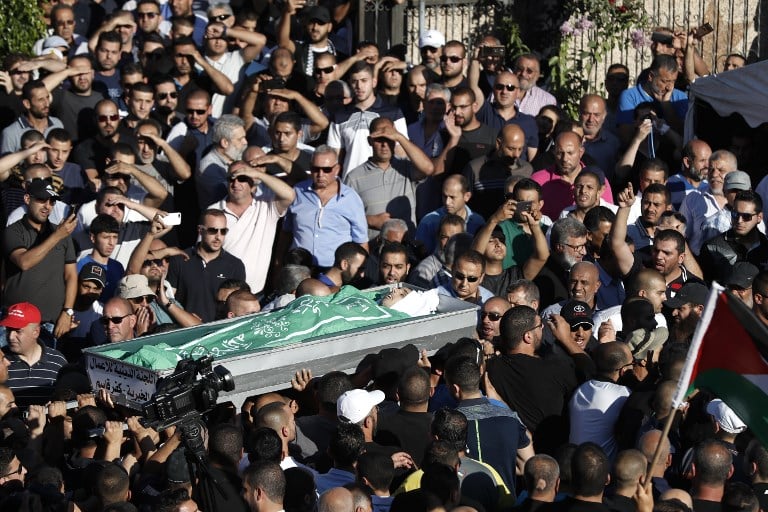
Thousands of people on Tuesday attended the funeral of Mohammed Taha, an Arab-Israeli protester who was shot dead by a private security guard during a riot in the city of Kafr Qassem in the early hours of the morning.
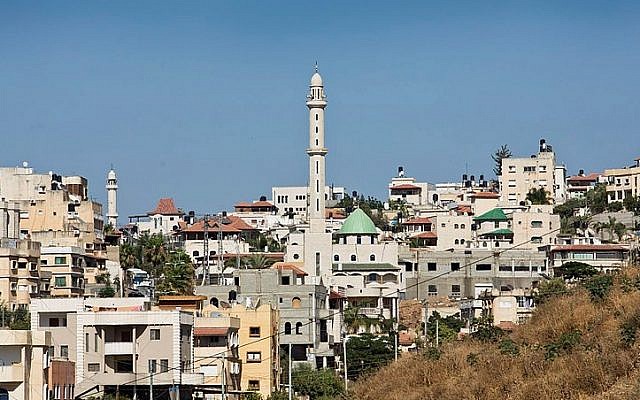
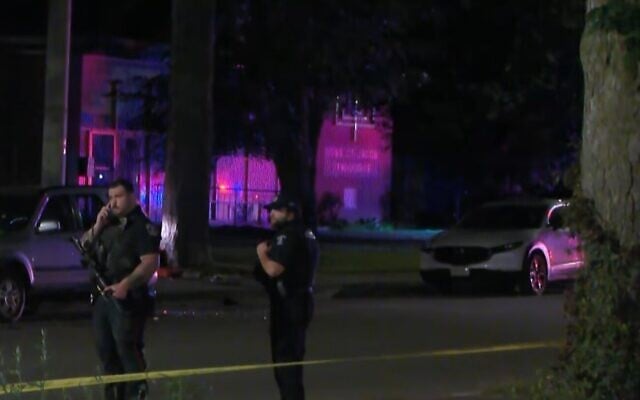
Taha, 27, was killed when the guard opened fire on rioters who were trying to storm a police station in the central Israeli Arab city. Police said the protest, sparked by the arrest of a local man, quickly turned violent, with police cars set on fire and officers pelted with stones.
Mourners, including several Arab Israeli politicians, decried what they called authorities’ reliance on deadly force when it comes to dealing with Arab protesters.
“There is only one collective in Israel that if it goes out to demonstrate is in danger of being shot and killed: Arab civilians. It doesn’t happen to the Ethiopians or the settlers for example, even though they harm police with metal bars and boiling oil,” said MK Ahmed Tibi of the Joint (Arab) List.
He was referring to Ethiopian riots last year over alleged discrimination by cops against members of the community, and violent resistance by extremist settler groups during the eviction of unauthorized outposts. Although police have been injured in both situations, live ammunition was not used at any point.
The guard, who has not been named in media, was questioned by police and then allowed to go home. Taha’s father, Mahmoud, accused the guard who killed his son of murder.
Tibi also criticized Public Security Minister Gilad Erdan for declaring the guard was in danger and therefore justified in opening fire, even though eye witnesses claim otherwise, and before an investigation has been completed.
“Has he not learned the lesson from Umm al-Hiran?” Tibi asked, referring to an incident earlier this year when a Bedouin man was shot dead by police during a protest against the demolition of illegal buildings in the unauthorized community of Um al-Hiran.
During a chaotic nighttime operation to demolish the buildings, police fired on a vehicle they said they believed was about to ram into them, killing the driver. Erdan initially declared the incident a jihadist-inspired car-ramming terror attack, but was later forced to backtrack and admit it was “possible” he was mistaken, after an investigation found the shooting may have been unjustified.
Tibi said that the anger in Kafr Qassem comes “against a backdrop of incompetence by police in dealing with rising crime in the community and in the Arab society in general.”
Kafr Qassem residents have criticized police’s inability to crack down on crime in the city, which lies east of Tel Aviv.
Another Joint List lawmaker, Jamal Zahalka, charged that Erdan and Israel Police Commissioner Roni Alsheich have failed to address the increasing crime rates in Arab communities.
“The police are abandoning Arab citizens to gangs of criminal organizations, and there is no rule of law,” Zahalka said in a statement.
He said Israel has successfully tackled organized crime in Jewish-majority cites, leaving Arab towns and cities more vulnerable to criminal activities.
“Arab cities suffer from severe discrimination, violent crime in Arab society is 50 percent, while police only allocate 5% of their overall budget to fight crime in Arab communities,” he said. No wonder the disparity is so stark, he added.
Police said that the guard acted according to regulations and that he, another guard, and a policeman were all in life-threatening danger, Channel 2 reported.
His attorney, Shahar Mandelbaum, told the Ynet news site that the rioters began burning police vehicles and throwing stones at the station. The guard, who was at a post outside the station, confronted the rioters, who then threw stones at him too. Some, who were masked, charged the station, at which point the guard fired a warning shot into the air, Mandelbaum said.
He then shot Taha, who was pronounced dead of a head wound after being rushed to Beilinson Hospital in nearby Petah Tikva.
The incident came amid spiraling tensions between police and locals, who have complained about shoddy law enforcement.
The protest began as residents of the city gathered outside the police station to protest the arrest of a local man.
Police said officers manning a checkpoint and checking licenses attempted to arrest the man at about 11:30 p.m. Monday, after they saw he was wanted in an investigation.
Locals said the man was a private security guard who had been hired by locals precisely because of the police’s apparent inability to protect the population from violent crime. Kafr Qassem Mayor Adel Badir accused police of brutality in making the arrest, saying they used a taser against regulations.
According to a police statement, the man resisted arrest and some 50 others also attacked officers, with the suspect managing to briefly escape. After the man and another protester were caught and taken away, “hundreds of protesters began to riot at a police station in the city hall, in which there was a single officer and several security guards,” police said.
The High Follow-Up Committee for Arab citizens of Israel announced a day of mourning and blamed the government for the events in Kafr Qassem overnight. The committee said a nationwide strike in the Arab sector was expected Wednesday, with protests throughout the country.
[mappress mapid=”6205″]






The Times of Israel Community.