

Trump friend pushed Saudi nuke deals while seeking Mideast envoy job — panel
Report by Democrat-led House Oversight committee finds donor Tom Barrack used White House access to lobby for corporations seeking to sell nuclear technology to Riyadh
 Add ToI as a Preferred Source on Google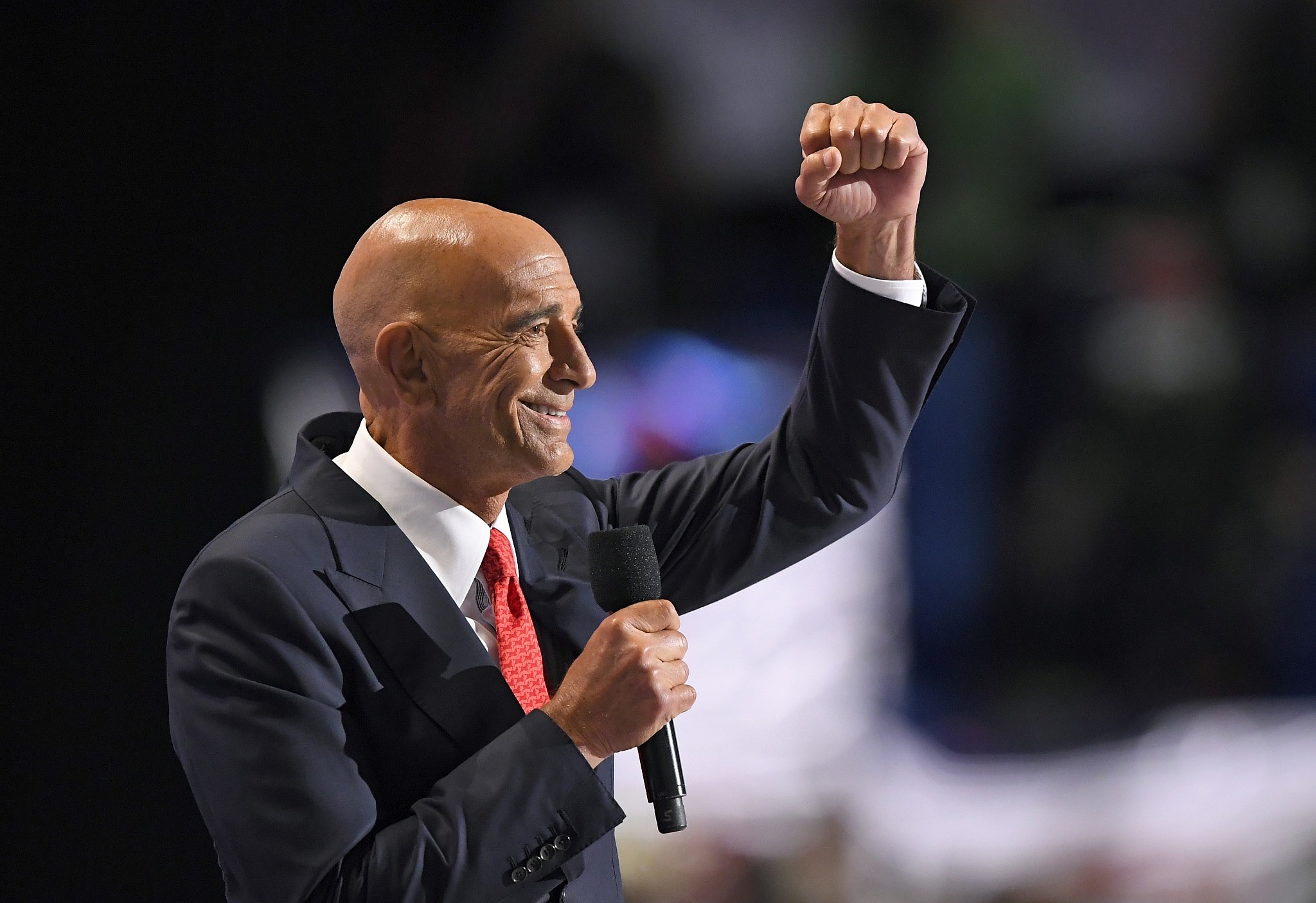
WASHINGTON — The US Congress’s House Oversight Committee released a report Monday criticizing the Trump administration over its apparent willingness to allow the president’s friends and allies undue influence over US policy toward Saudi Arabia.
New documents obtained by the committee “raise serious questions about whether the White House is willing to place the potential profits of the president’s friends above the national security of the American people and the universal objective of preventing the spread of nuclear weapons,” the report said.
The report “exposes how corporate and foreign interests are using their unique access to advocate for the transfer of US nuclear technology to Saudi Arabia,” said Rep. Elijah Cummings of Maryland, the panel’s Democratic chairman.
Cummings, who has repeatedly targeted the Trump administration in a series of investigations, came under sharp attack from US President Trump this weekend, when the president called the congressman’s district a “disgusting, rat and rodent infested mess” where “no human being would want to live.”
The 50-page Oversight report detailed how Trump’s longtime personal friend, campaign donor and inaugural chairman, Tom Barrack, negotiated directly with Trump and other White House officials to seek positions within the administration, including special envoy to the Middle East and ambassador to the United Arab Emirates.
At the same time, Barrack was promoting the interests of US corporations seeking to profit from the transfer of nuclear technology to Saudi Arabia; advocating on behalf of foreign interests seeking to obtain US nuclear technology; and taking steps for his own company, Colony NorthStar, to profit from the proposals, the report said.
One of the companies leading an effort to build nuclear plants in Saudi Arabia, IP3 International, repeatedly pressed the Trump administration not to require Saudi Arabia to commit to a rigorous “gold standard” in any agreement with the US, complaining it would lock them out of lucrative nuclear contracts, the report said.
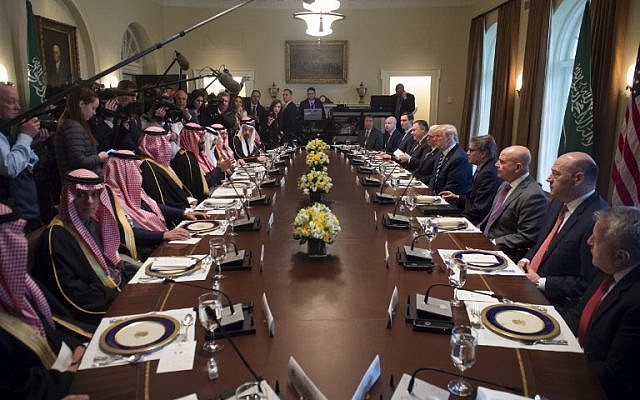
IP3 officials had “unprecedented access” to the highest levels of the Trump administration, including meetings with Trump, his son-in-law Jared Kushner and Cabinet Secretaries Rick Perry, Steven Mnuchin, Mike Pompeo, Rex Tillerson, James Mattis and Wilbur Ross, the report said.
According to the report, in June 2015 Michael Flynn, who was then an adviser to IP3 and would later serve briefly as Trump’s National Security Adviser, flew to the Middle East with IP3 co-founder Adm. Michael Hewitt to brief Israeli, Jordanian and Egyptian officials on a plan to build 40 nuclear reactors in the region. The meeting was not reported on his security clearance application.
Federal prosecutors are looking at some of Barrack’s emails with an Emirati businessman as part of an investigation into foreign influence peddling in the administration, The New York Times reported Sunday.
The report also criticized the White House for refusing to produce any documents in the investigation and said communications obtained from outside sources indicate that Kushner and other officials used personal email or text accounts to communicate about Saudi-related deals.
The private communications appear to violate White House policy and the Presidential Records Act, the report said.
The White House did not respond to requests for comment Monday.
A spokesman for Barrack said he has been cooperating with the Oversight panel and provided documents the committee requested.
The spokesman, Owen Blicksilver, said Barrack’s investments and business activities are well known and are intended to “better align” Middle East and US objectives. Barrack has never served in the Trump administration.
The Trump administration has approved seven applications for US companies to sell nuclear power technology and assistance to Saudi Arabia. Lawmakers from both parties have expressed concerns that Saudi Arabia could develop nuclear weapons if the US technology is transferred without proper safeguards.
In March, US Energy Secretary Rick Perry said the government has given the green light to American companies to work on nuclear projects in Saudi Arabia, despite lawmakers’ worries that the kingdom could seek weapons.
Perry, who said the Energy Department approved 37 of the 65 applications it received globally since 2017, promised the United States was committed to ensuring the Saudis do not reprocess spent fuel to make nuclear weapons.
“What I’m really concerned about, senator, is that if the United States is not the partner with Saudi Arabia, (or) for that matter Jordan,” Perry said, “they will go to Russia and China for their civil nuclear technology.”
The report was released hours before the Senate failed to override Trump vetoes on bills that had sought to derail billions in arms sales to Saudi Arabia without congressional oversight.
Congress is increasingly uneasy with the close relationship between the Trump administration and Saudi Arabia. Trump has made the kingdom a centerpiece of his foreign policy in the Middle East as he tries to further isolate Iran. In the process, Trump has brushed off criticism over the killing of journalist Jamal Khashoggi and the Saudis’ role in the war in Yemen.
“From the start, this administration has failed to demonstrate what kind of national security threat or quote-unquote ’emergency’ from Iran warranted fast-tracking the sale of these weapons to Saudi Arabia and the UAE,” said Sen. Bob Menendez of New Jersey, the top Democrat on the Senate Foreign Relations Committee.
The pending sale “not only is a Saudi jobs program, it is also a give-away of sensitive US military technology,” Menendez said.
Times of Israel staff contributed to this report.





The Times of Israel Community.