

UN human rights agency says it’s in ‘survival mode’ due to funding shortfalls
Chief Volker Turk appeals for $400 million, warns budget cuts ‘untie perpetrators’ hands everywhere; his office last month accused Israel of apartheid in the West Bank; Jerusalem says it has a ‘fixation on vilifying Israel’
 Add ToI as a Preferred Source on Google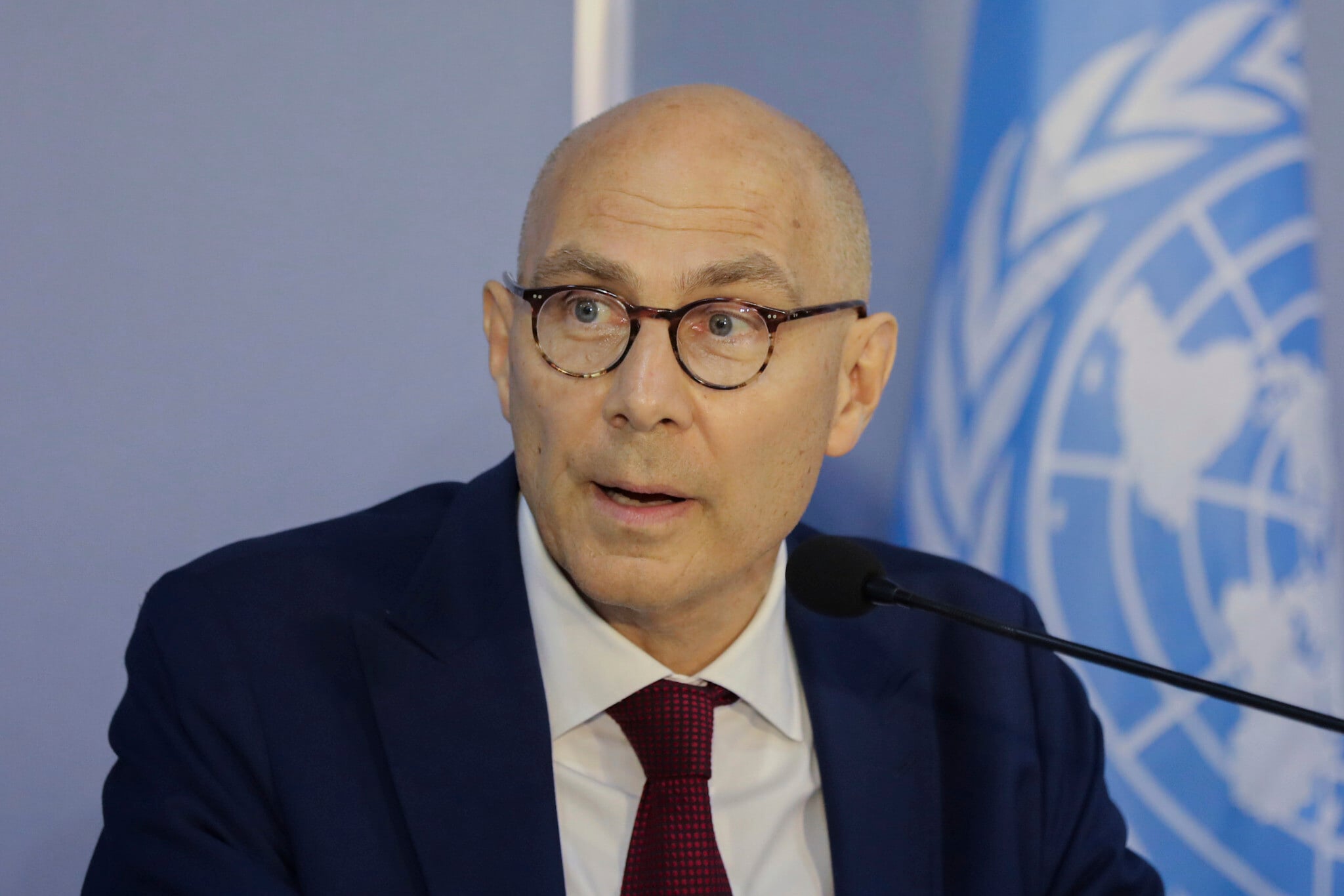
GENEVA, Switzerland — UN human rights chief Volker Turk said Thursday his agency was “in survival mode” due to funding shortfalls, as he launched a $400 million appeal to tackle global rights crises in 2026.
“Our reporting provides credible information on atrocities and human rights trends at a time when truth is being eroded by disinformation and censorship,” Turk said.
“We are a lifeline for the abused, a megaphone for the silenced, and a steadfast ally to those who risk everything to defend the rights of others.”
Turk’s office has been bitterly critical of Israel, and last month accused it of apartheid in the West Bank, an allegation Israel denies. Israel charged that the UN Human Rights Office has an “inherently politically driven fixation… on vilifying Israel.”
In 2025, the UN Human Rights Office’s approved regular budget — set by the UN General Assembly — was $246 million, but it received only $191.5 million.
It also requested $500 million in voluntary contributions, of which it received around $260 million.
“We are currently in survival mode, delivering under strain,” said Turk.
“These cuts and reductions untie perpetrators’ hands everywhere, leaving them to do whatever they please. With crises mounting, we cannot afford a human rights system in crisis.”
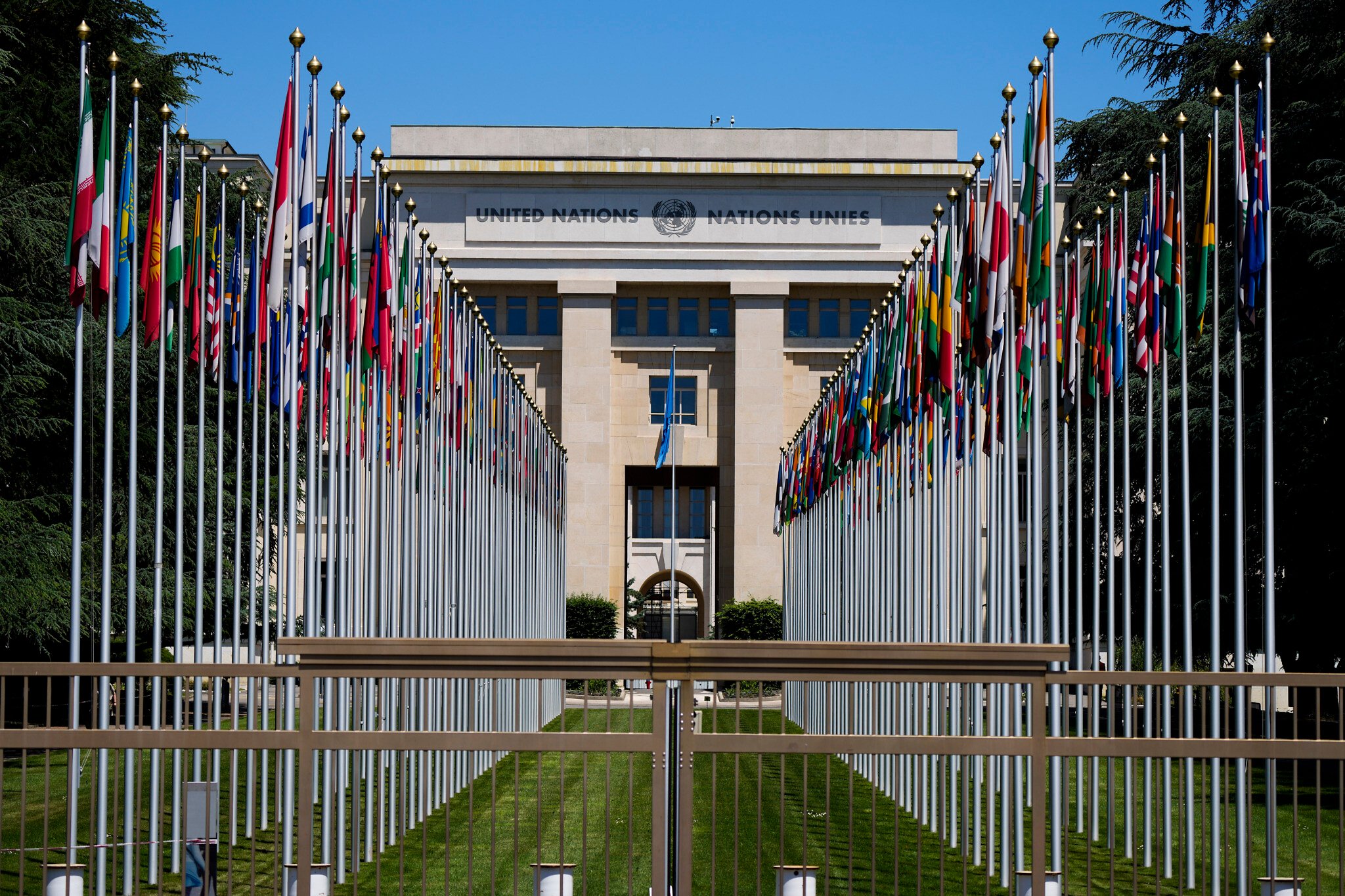
This year, the General Assembly approved a regular budget of $224.3 million, though with the United Nations facing a liquidity crisis, uncertainty remains over how much Turk’s office will receive.
Turk is seeking $400 million from countries in voluntary funding.
He said human rights accounted for a very small slice of all UN spending but produced “high-impact” results that help to stabilize communities, build trust in institutions and underpin lasting peace.
“The cost of our work is low; the human cost of underinvestment is immeasurable,” he said.
The UN human rights office lost around 300 out of 2,000 staff last year and had to end or scale back its work in 17 countries, cutting programs critical for endangered, threatened, or marginalized communities in countries like Colombia, Guinea-Bissau and Tajikistan.
Its program in Myanmar was cut by 60 percent.
In 2025, UN human rights staff working in 87 countries undertook more than 5,000 human rights monitoring missions — down from 11,000 in 2024.
“That means less evidence for both protection and prevention,” said Turk.
Anti-Israel ‘fixation’
Last month Turk’s office charged in a report that discrimination and segregation of Palestinians by Israel in the West Bank was intensifying, and called on Israel to end its “apartheid system.”
“There is a systematic asphyxiation of the rights of Palestinians in the West Bank,” Turk said in an accompanying statement.
Israel’s mission to the United Nations dismissed the report as “absurd and distorted accusations of racial discrimination.”
It said the report “completely ignores fundamental facts that lie at the basis of the conflict, and that inform the actions and policies of the State of Israel, mainly the grave security threats that Israel faces” and well as that the PA continues “to encourage violence” by paying stipends to terrorist who attack Israelis or their families.
It said the UN human rights office has an “inherently politically driven fixation… on vilifying Israel” and questioned if the office had “demonstrated comparable attention through unmandated thematic reporting on situations such as Iran, Syria, Yemen or Sudan.”
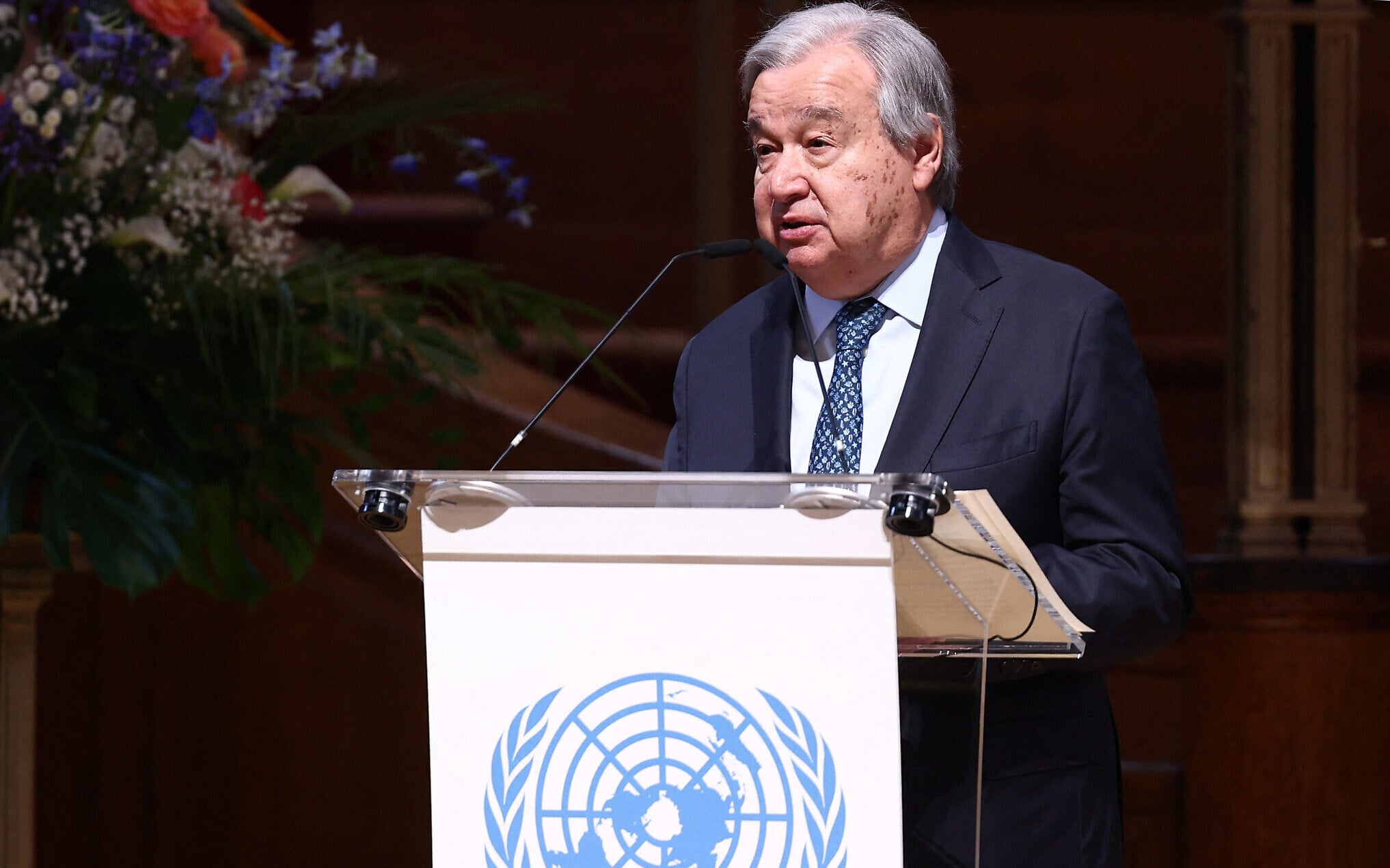
Last week, UN Secretary-General Antonio Guterres told member states that the organization is at risk of “imminent financial collapse” unless its financial rules are overhauled or all 193 member nations pay their dues.
Guterres has repeatedly spoken about the organization’s worsening liquidity crisis, but this was his starkest warning yet, and it came as its main contributor, the United States, is retreating from multilateralism on numerous fronts.
“The crisis is deepening, threatening program delivery and risking financial collapse,” Guterres wrote in a letter to ambassadors dated January 28.
The UN funding crisis comes as US President Donald Trump has championed his new Board of Peace as a platform for for managing international disputes, sparking international concerns he means to supplant and undermine the UN as the premier institution for global conflict resolution.
The US has slashed voluntary funding to UN agencies and refused to make mandatory payments to its regular and peacekeeping budgets.
Founded in 1945, the UN has 193 member states and works to maintain international peace and security, promote human rights, foster social and economic development, and coordinate humanitarian aid.
Times of Israel staff contributed to this report









The Times of Israel Community.