

What the fighting in Iran says about the future of the US-Israel relationship
The US-Israel alliance, often termed a ‘special relationship,’ has always operated on two planes: values and interests. One is going very badly, the other is closer than ever

 Add ToI as a Preferred Source on Google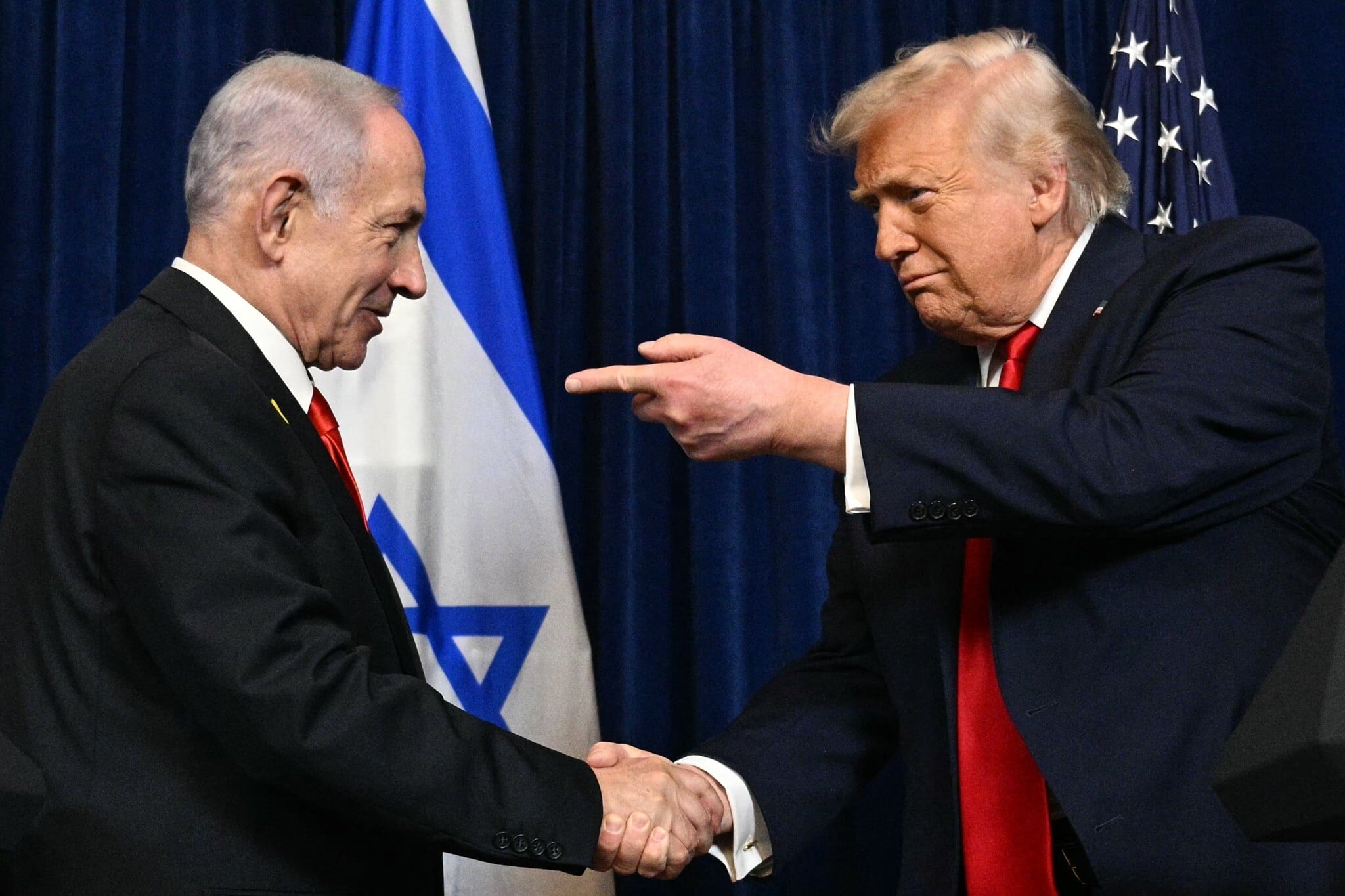
Judging by a poll released on Friday, hours before explosions began to ring out in Tehran, the future of the US-Israel relationship looked pretty dim.
For decades, vastly more Americans sympathized with Israel than with the Palestinians. Just eight years ago — with Israel led by Prime Minister Benjamin Netanyahu and US President Donald Trump in the White House — 64 percent of Americans said their sympathies lay more with the Israelis, versus just 19% with the Palestinians. Israelis commanded the sympathies of most Republicans and independents, and nearly half of Democrats.
How times have changed.
The graph of sympathy for Israelis now looks like an Olympic ski slope. The latest figures represent the first time in at least a quarter century that more Americans sided with the Palestinians (41%) than the Israelis (36%). Among Democrats, Palestinians command a huge majority: 65% to 17%. Even among Republicans, where sympathy for Israelis remains high, the gap has narrowed somewhat.
Then, shortly after the poll went online, came a sign that, in fact, the US-Israel relationship is stronger than ever: US and Israeli planes embarked on an unprecedented joint mission to topple, or at least expedite the demise of, the Iranian regime from the air.
The US has long backed Israel’s fights against its enemies, but this is different: fighting, together, at a scale that appears unmatched in the history of the alliance, to cut down the chief Middle Eastern adversary of both countries. No daylight. Total lockstep. And now Iran’s supreme leader, and much of the Islamic Republic’s top brass, is dead.
So which is it? Is the US-Israel relationship going terribly, or is it going great? The answer is both.

Two planes
The US-Israel alliance, often termed a “special relationship,” has always operated on two planes: values and interests.
Pro-Israel advocates in the US often touted the “shared values” between the two countries: democracy, religious pluralism, equality under the law, diversity. Israel was portrayed as an outpost of Western values in an otherwise hostile region.
And for decades, per the Gallup poll and others, most Americans had a positive image of Israel, expressing support and sympathy for it.
Then there were interests. Namely, the two allies shared the same enemies: first the Soviet Union and its sphere of influence, later the pro-Iranian axis and the terror groups, such as al-Qaeda and ISIS, that menaced the US, its troops and its citizens in the region.
The countries shared intelligence, their militaries drilled together and they traded with each other. Most American military aid to Israel is spent in American defense plants.
Often these two planes worked hand in hand. Countries that stand for the same things tend to make the same enemies, which leads to the ability to share intelligence or train together. And it’s easier to justify sending billions to a country if most Americans feel that country reflects their values.
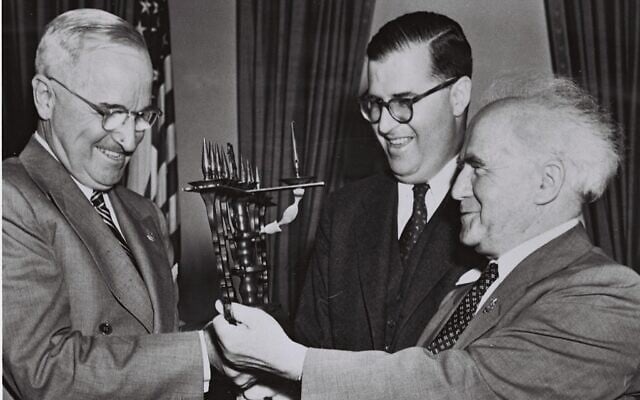
But there have also been times the two planes have been in conflict. In Israel’s early decades, amid the global ideological battle of the Cold War, so-called “Arabists” in the US State Department urged their country to gravitate toward the Arab world, with its vast oil reserves and large population, and away from tiny, nascent Israel. But the US recognized Israel in 1948, and gradually became an ever-larger supplier of its weapons in later years.
Winning back American sympathies
Now we may be entering such a period. It’s pretty clear that at least for the near future, a lot of Americans will feel Israel does not share their values. The fact that criticism of Israel tends to rise as respondents get younger is chilling for supporters of the alliance. Robust support from one American political party, and one party only, is no recipe for a close relationship.
On the other hand, it’s hard to imagine a scenario where the alliance ends. Would a Democratic president, be they Gavin Newsom or AOC, launch a joint strike on Iran? Almost certainly not. But would such a president end intelligence sharing and joint military drills? Would cooperation on weapons development come to a halt?
For clues, we can look to other American allies in the region, authoritarian states that share many fewer values with the US. In 2022, under Democratic president Joe Biden, who pledged to isolate Saudi Arabia, the White House notified Congress of billions of dollars’ worth of potential weapons sales to Riyadh, according to a database. The US has a military base in Qatar.

And we can also look to Europe, where many governments are already rhetorically hostile to Israel. But that war of words has come alongside a rise in Israeli weapons sales to the continent. Israel had a record $14.7 billion of defense exports in 2024, the Defense Ministry said, most of them to Europe.
For Israel, winning back the average American’s sympathies won’t be easy. It will likely necessitate new leadership and, at a minimum, some softening of policy toward the Palestinians. It could take a generation.
But while that ideological battle unfolds, even under a president who’s no fan of Israel, the US-Israel relationship will likely continue, in some form, on the actual field of battle.








The Times of Israel Community.