

Zimbabwe’s Mugabe reportedly signs uranium deal with Iran
Memorandum of understanding between two countries affirmed despite international sanctions on both Tehran and Harare
 Add ToI as a Preferred Source on Google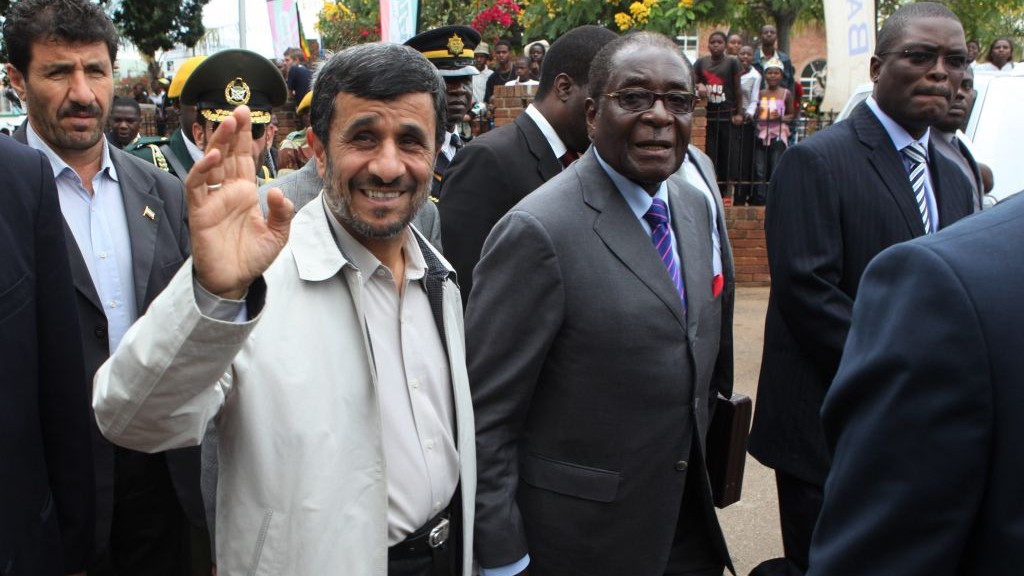
The government of Zimbabwe signed an agreement with Iran to sell materials for its nuclear weapons program, according to a report in the British newspaper The Times published Saturday.
The deal for the sale on uranium deposits was reportedly signed last year and is in direct contravention of international sanctions imposed on both Tehran — for its nuclear ambitions — and the Mugabe government — for its human rights abuses. Secret negotiations between the two countries have been ongoing for more than two years, according to the report.
Robert Mugabe — Zimbabwe’s long-time president, who recently won a seventh term in office, albeit contested — has described Tehran’s quest for nuclear power as a “just cause.” The international community suspects that Iran is building a nuclear bomb, despite the Islamic Republic’s claims that its program is for domestic purposes only.
In 2010, Mugabe prompted speculation of the deal when he welcomed then Iranian president Mahmoud Ahmadinejad to Zimbabwe.
Zimbabwean Deputy Mining Minister Gift Chimanikire is quoted by the newspaper as saying that a memorandum of understanding was signed, despite warnings in 2011 by the United States of “ramifications for countries that decline to observe their international obligations.” Chimanikire added that only a handful of people at the top of the African country’s government knew about the deal.
Chimanikire also explained that because of the sanctions, which included the ban of international trade with Zimbabwe’s state-owned mining companies, Zimbabwe had to look elsewhere for financial reasons. “Mining is Zimbabwe’s ticket,” he said.
The country’s uranium reserves, estimated at 45,000 tons, are said to be mixed with other minerals and groundwater, making extraction costly; an assessment that has led analysts mentioned in the report to claim that it could take a long time before the minerals are ready for export and that Zimbabwe was simply trying to keep its options open in the meantime.









The Times of Israel Community.