

Venice police shut down mosque-inside-church exhibit
Swiss-Icelandic artist’s piece uses floor of derelict church to ‘transform’ space into historic city center’s first Muslim house of worship
 Add ToI as a Preferred Source on Google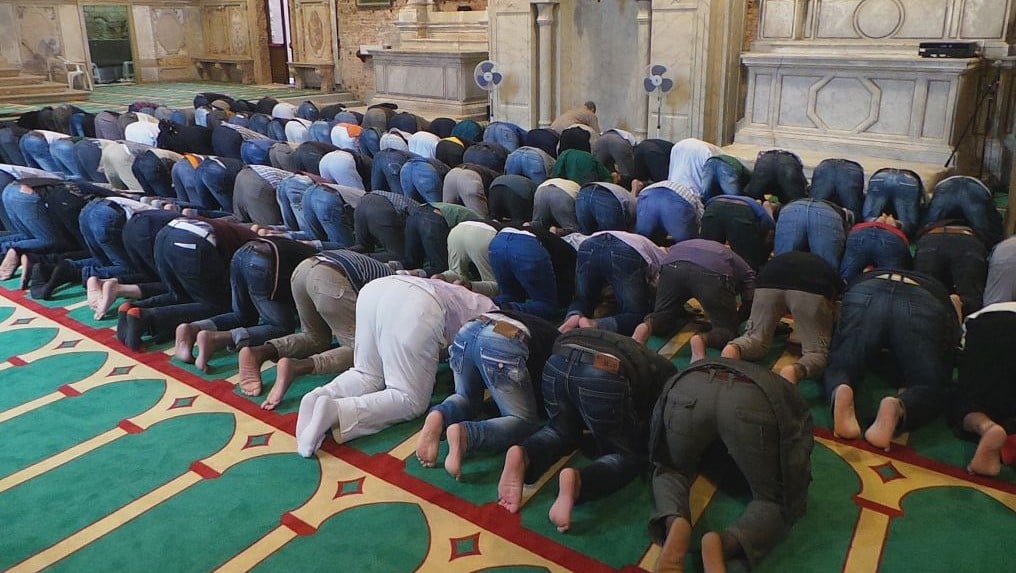
MILAN (AP) — Authorities in Venice on Friday closed a working mosque in an ex-church that was Iceland’s contribution to the 56th Venice Biennale contemporary art fair on the grounds that it was being improperly used as a place of worship.
Swiss-Icelandic artist Christoph Buechel’s exhibit inside a former Roman Catholic Church creating the first mosque ever in the historic center of Venice sparked controversy from the outset. The chairman of the Icelandic Art Center, which commissioned the project, complained that Venetian authorities “have tried to prevent its realization rather than assist in making it possible,” under the claim “that the Icelandic Pavilion is not art.”
“Perhaps most disappointingly, the administration of La Biennale di Venezia … has not supported this artistic endeavor in the way that would have been expected for an organization of its stature and proclaimed advocacy of contemporary art,” Icelandic art center Eirikur Thorlaksson said in a statement.
He said the closure indicated that the Biennale, one of the visual art world’s premier events, “is not a venue for truly free artistic expression.”
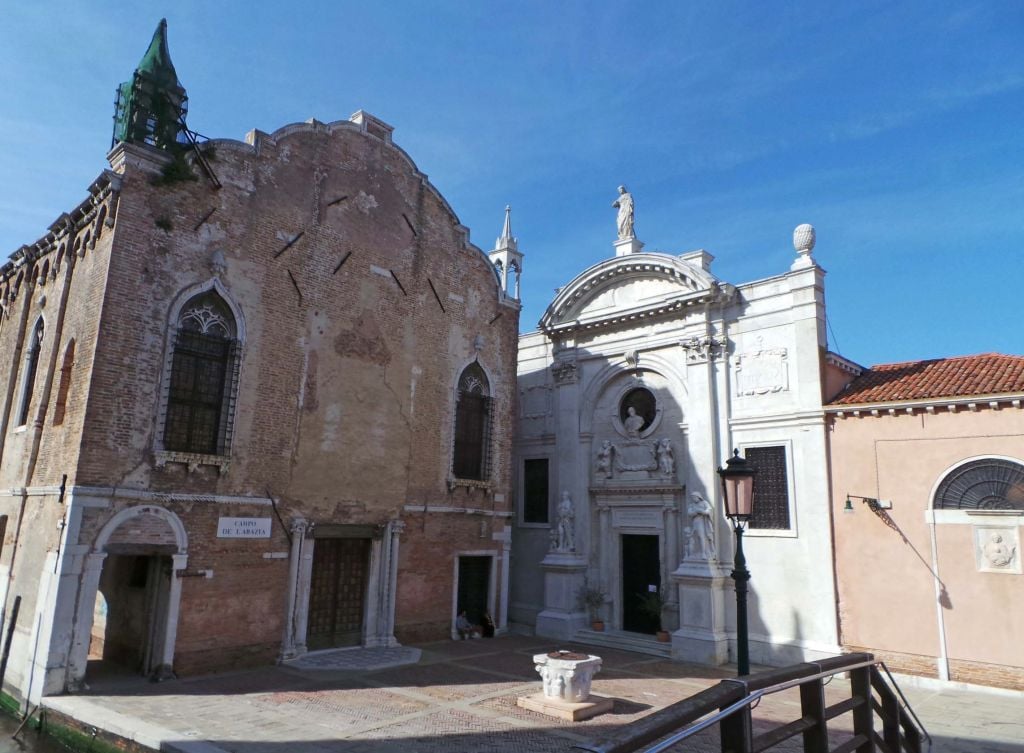
Iceland chose the de-consecrated Church of Santa Maria della Misericordia for the exhibit titled “The Mosque” in Venice, which for centuries served as a crossroads between East and West and is infused with Middle Eastern architectural influences. The project envisioned a working mosque for the seven months of the Biennale, which opened May 8 and comprises national pavilions as well as a curated main exhibit.
After weeks of tensions, Venice city officials withdrew authorization for the installation citing violation of the terms, including a ban on using the pavilion as a place of worship as well as security concerns.
The Venice Biennale emphasized in a statement Friday that national pavilions are managed “in a completely autonomous capacity” by the participating countries. It said earlier that it hoped a solution could be worked out.





The Times of Israel Community.