

After a decade of work, government publishes bill delineating future use of ailing Dead Sea
Environmental groups say Finance Ministry bill to regulate lake’s industrial use from 2030 is geared to profits, misses rare opportunity to restore ever-shrinking natural resource
 Add ToI as a Preferred Source on Google
Sue Surkes is The Times of Israel's environment reporter
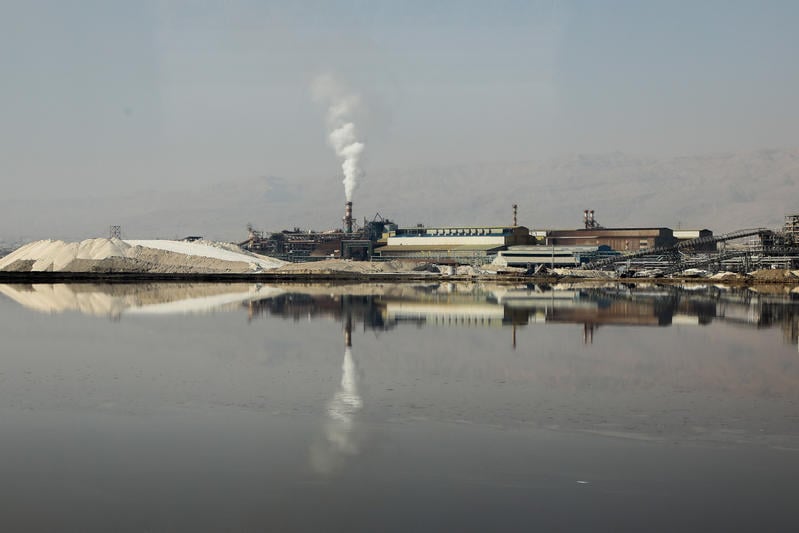
The Finance Ministry’s Accountant General published a long-awaited draft bill for public comment on Wednesday on the terms for extracting minerals from the Dead Sea that will come into force on April 1, 2030, though environmental groups charged that it didn’t sufficiently address the steady decline in its water levels.
Officials told a press conference that the proposed document aimed to balance economic and environmental needs.
As expected, the draft law — a decade in the works — will increase the government’s take from 35 percent of the operating profits (equivalent to around $1.5 billion between 2017 and 2023, according to the Finance Ministry) to 50% on a multi-year average.
It will halve the area within which the new franchisee will operate, from 3% of Israel’s land surface to 1.5%, and will allow as much public access as possible.
The bill, the media was told, will seek to incentivize the next franchise holder to use water more efficiently by charging for the use of water drawn from wells and from what remains of the Dead Sea.
The terminal lake is receding by more than a meter each year due to industrial pumping by Israel and Jordan, and the diversion for human needs of river water that historically flowed into the Dead Sea, compensating for evaporation.
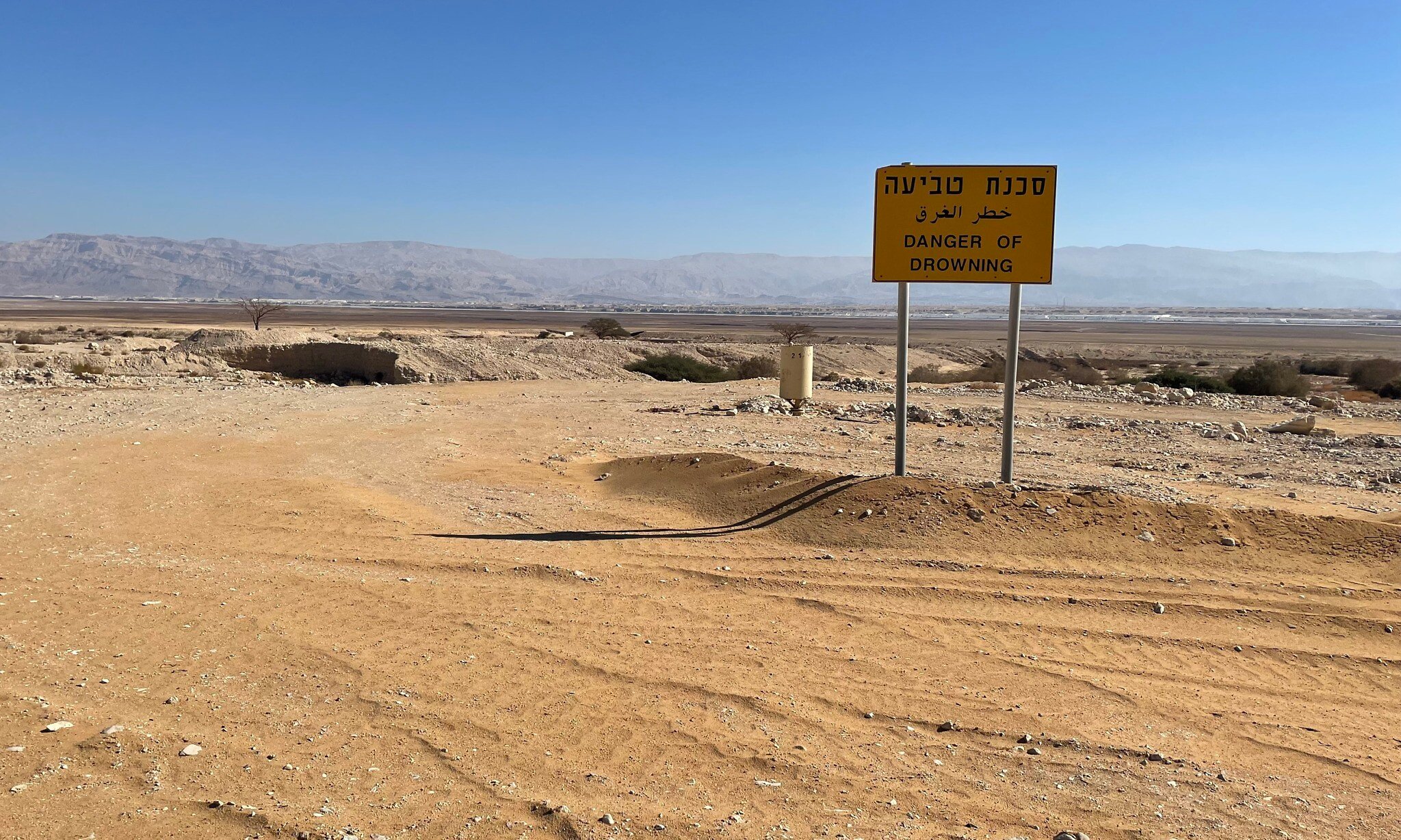
The lake’s recession has hit tourism hard, rendering beaches unusable and leading to the opening of thousands of sinkholes.
A new Dead Sea Affairs Directorate will ensure, among other things, that the next franchisee regularly reports to the Knesset on its activities and that data is publicly available.
Alongside the legislative process in the Knesset, details on taxes and employees are yet to be published, as well as the tender itself.
Accountant General Yali Rothenberg said the Dead Sea Concession Law Memorandum emphasized the “fair, efficient and responsible use of one of Israel’s most important natural resources.”
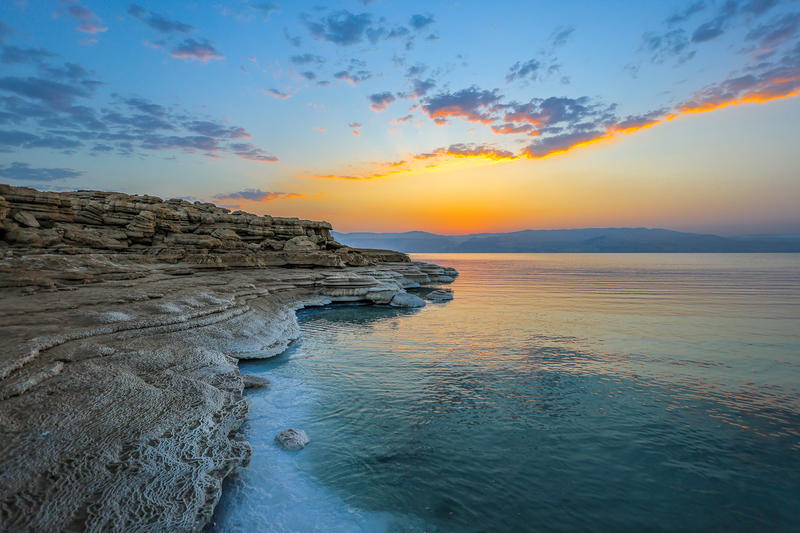
The franchise, which dates back to 1961 and expires in 2030, is currently held by ICL Group, formerly Israel Chemicals Ltd., a subsidiary of the Ofer family’s Israel Corporation, the country’s largest holding company.
According to a media briefing last year, 53% to 64% of ICL’s total operating profitability comes from the Dead Sea Works, which extracts potassium-rich potash, a key ingredient in fertilizers. On Wednesday, officials said they expected the potash market to grow and Dead Sea extraction to remain profitable, despite the planned increase in state taxation.
ICL’s contract grants it the right to automatically win the new concession provided it matches any competing bid.
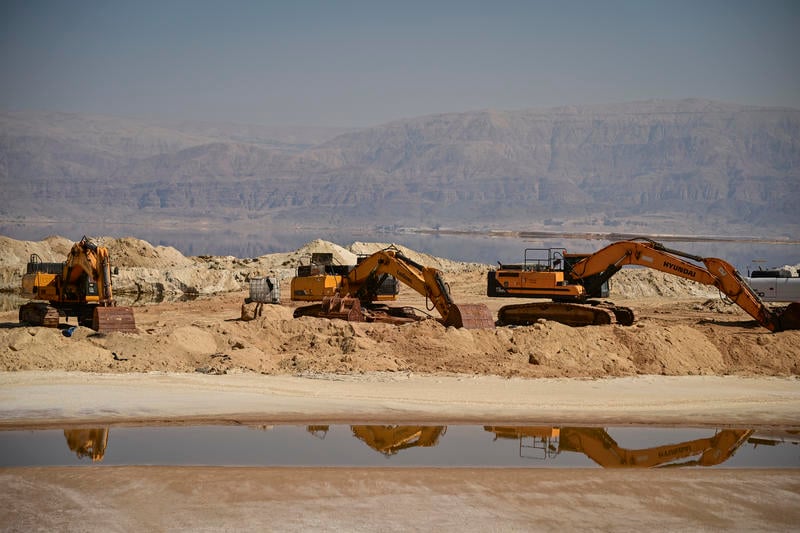
Last month, it surrendered this right in return for a $2.54 billion payment from the state, in a move expected to ensure a more competitive bidding process.
Over the years, the company has repeatedly locked horns with state authorities over demands for payment across a range of issues. These have included paying for the water it draws from wells and scraping salt off the bottom of its biggest evaporation pool to prevent the hotels in the Ein Bokek from flooding. There was a drawn-out spat over how to assess the value of the company’s assets before the end of the concession.
Finance Ministry officials told the Wednesday press briefing that a new mechanism in the bill and the franchise would ensure an end to creative accounting and disagreements over who pays what.
They said the plan was to start the tender process next year.
On Wednesday, the High Court responded to a petition submitted by the nonprofits Adam Teva V’Din and Lobby99 against a 2017 Justice Ministry decision to exempt Dead Sea Works from paying for the brackish water it pumps from wells. It ruled that Dead Sea Works will have to pay an estimated NIS 500 million ($154 million) for this water covering the period 2017 to 2030.
ICL’s shares on the Tel Aviv Stock Exchange had dropped by nearly 9% by 5 p.m. on Wednesday, Israel time.

The Society for the Protection of Nature in Israel said the state was missing a rare opportunity to get water flowing back into the Dead Sea, and to establish “a thriving economy, alongside a restored environment.” The Finance Ministry, it went on, “chooses to focus on increasing revenues, streamlining the tender process, and collecting taxes – all worthy in their own right. But without addressing the damage caused by industry, it is condemning the Dead Sea to liquidation.”
Adam Teva V’Din bemoaned the rejection of its idea for a designated fund to which part of the royalties would be transferred so that there would be cash when the time was ripe to restore the Dead Sea’s levels. It also charged that too many issues had been left for the franchise document, which would not be subject to Knesset oversight.










The Times of Israel Community.