

After slew of cyber-strikes, BDS movement points finger at Israel
Report says attacks had ‘sophistication and commitment,’ notes that unidentified Israeli rights group was also hit
 Add ToI as a Preferred Source on Google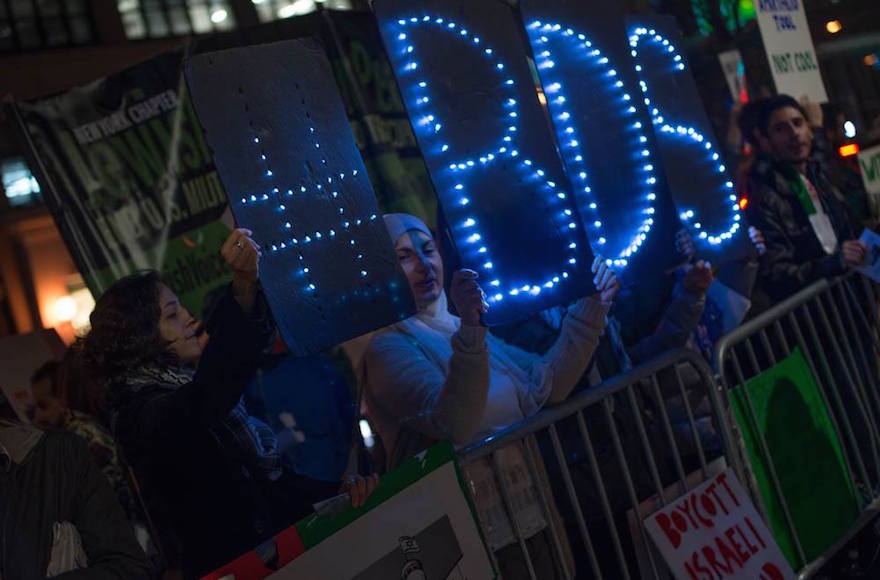
JERUSALEM (AP) — The international movement calling for a boycott against Israel said Thursday its website was repeatedly attacked earlier this year, and raised suspicions that Israel was behind the attacks.
The BDS (boycott, divestment and sanctions) movement released a report Thursday showing that its main website suffered six attacks in February and March. The denial of service attacks, which work by flooding a target website with bogus traffic, knocked out the BDS website for several hours at a time.
The report, compiled by nonprofit online security service eQualit.ie, said the attacks had a level of “sophistication and commitment” it normally does not see. It also noted that an unidentified Israeli human rights group had been attacked at the same time, indicating there was a “common adversary.”
Assigning responsibility for cyber-attacks is notoriously difficult and the report didn’t speculate on who might be behind the rogue traffic.

In a statement, the BDS movement said the “advanced technology used in the attacks and the size of the botnets involved may show that Israel was directly involved” but it offered no hard evidence.
Israeli cyber-security expert Gilad Yoshi said such attacks do not cause serious damage, adding it was unlikely a government was behind them.
“These are not high-level attacks,” said Yoshi, an expert at the electronic defense training company CyberGym.
BDS calls for boycotts, sanctions and divestment from Israel in what it calls a nonviolent struggle against occupation. Israel says BDS’s goal is to destroy the country, and it has identified the movement as a serious threat.
Jerusalem has earmarked funds for Israeli tech companies for digital initiatives aimed at gathering intelligence on activist groups and countering their efforts.
Initiatives are largely being kept covert. Participants at one recent invite-only forum, held on the sidelines of a cyber technology conference, repeatedly stood up to remind people that journalists were in the room.
Israel’s Ministry of Strategic Affairs, which is spearheading the government’s battle against BDS, was reviewing Thursday’s report and had no immediate comment.










The Times of Israel Community.