

Amnesty calls for halt to Western arms sales to Saudi-led coalition
Rights group says weapons supplied by US and Britain to ‘unaccountable’ allied militias have ended up in the hands of al-Qaeda members
 Add ToI as a Preferred Source on Google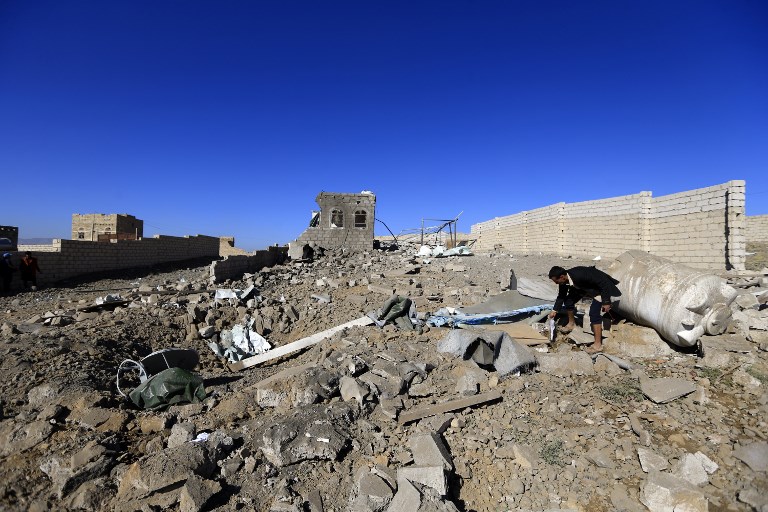
CAIRO — An international rights group urged the West on Wednesday to stop supplying weapons to parties to the conflict in Yemen after reports that the arms were ending up in the hands of extremists.
Amnesty International researcher Patrick Wilcken said “the proliferation of unaccountable” militias in Yemen, which he said were backed by the United Arab Emirates, is “worsening the humanitarian crisis and posing a growing threat to the civilian population.”
American and British weapons have ended up in the hands of al-Qaeda and Islamic State militants, Wilcken also said, in reference to recent reports by the Amman-based Arab Reporters for Investigative Journalism. The UAE has not commented on the allegations.
The Saudi-led coalition, which includes the UAE, has been at war in Yemen with Iran-aligned Houthi rebels since 2015.
An Associated Press report last August uncovered deals struck between the coalition and al-Qaeda, during which weapons and cash passed from Gulf commanders and their allies to al-Qaeda-linked militants fighting alongside them against the rebels.
Germany, the Netherlands and Norway have restricted arms deals to coalition members, while several other Western countries, including the US and Britain, have continued supplying weapons.
The war in Yemen has killed thousands and displaced over 3 million people. Peace talks, restarted in Sweden last year, have yet to achieve a major breakthrough.
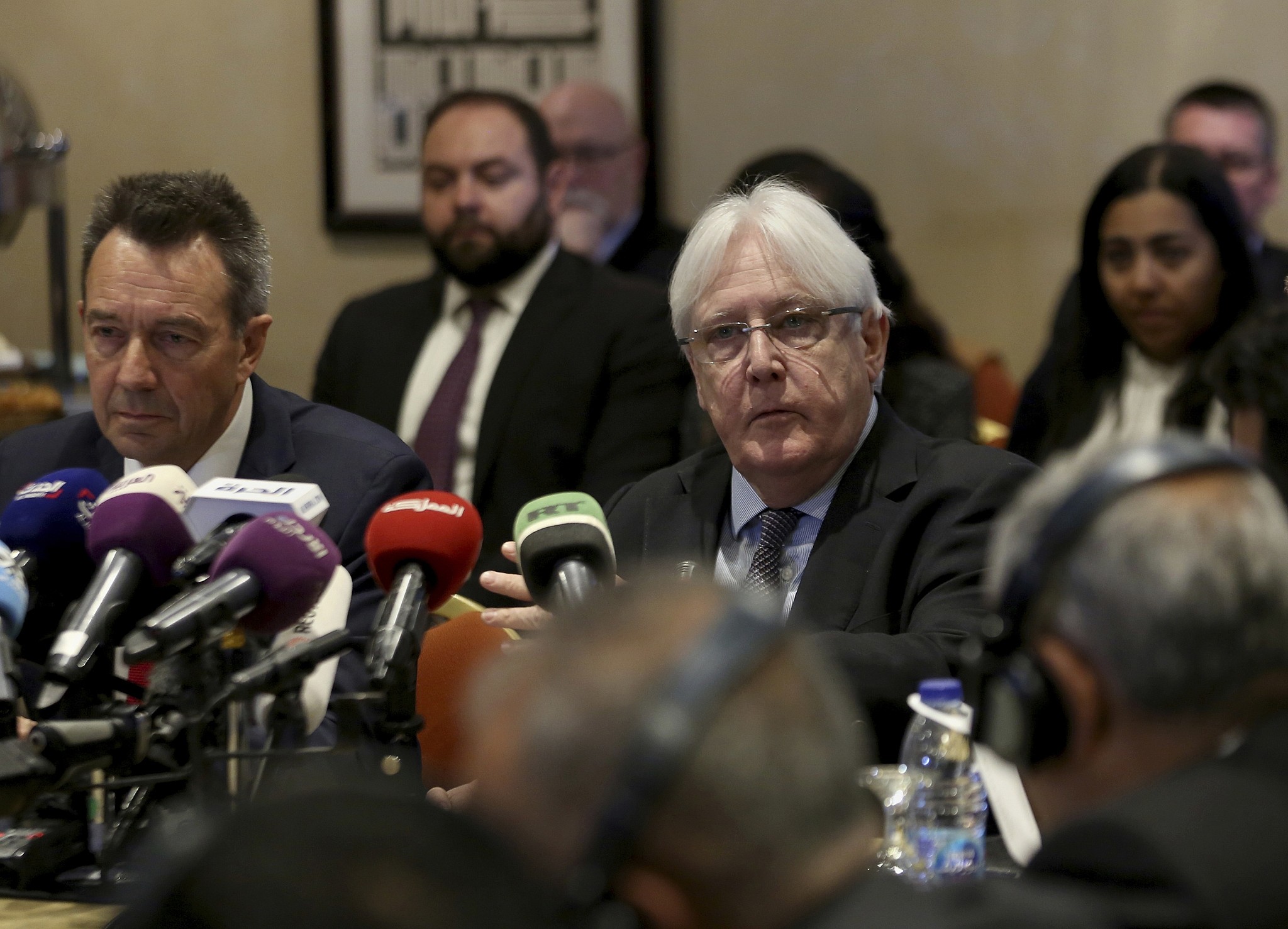
The Houthi rebels and Yemeni government representatives are holding meetings in Jordan on a prisoner exchange, which was agreed on in Sweden. The exchange still hasn’t been carried out as each side is requesting more prisoners than the other claims to be holding.
Abdel-Qader al-Murtada, a member of the Houthi delegation, told reporters that releasing all the detainees will not be possible and the two delegations are discussing the possibility of exchanging half of the prisoners on the lists.
He said the Houthis are holding Emirati and Saudi war captives and that they demand the release of 7,500 Houthis in exchange. He said that the two sides are not meeting face to face in Jordan but are talking through UN mediators.
A UN monitor is also meeting with the warring parties, in a ship moored off Yemen’s Red Sea coast, to agree on a plan for a Houthi withdrawal from Hodeida, a strategic port city controlling access to the country’s north.




The Times of Israel Community.