

As Security Council meets, Spain blames Israel for peacekeeper’s death
Nations seek ways to ease tensions on Israeli-Lebanese border; Israel’s deputy FM promises to probe death of Spanish UNIFIL member
 Add ToI as a Preferred Source on Google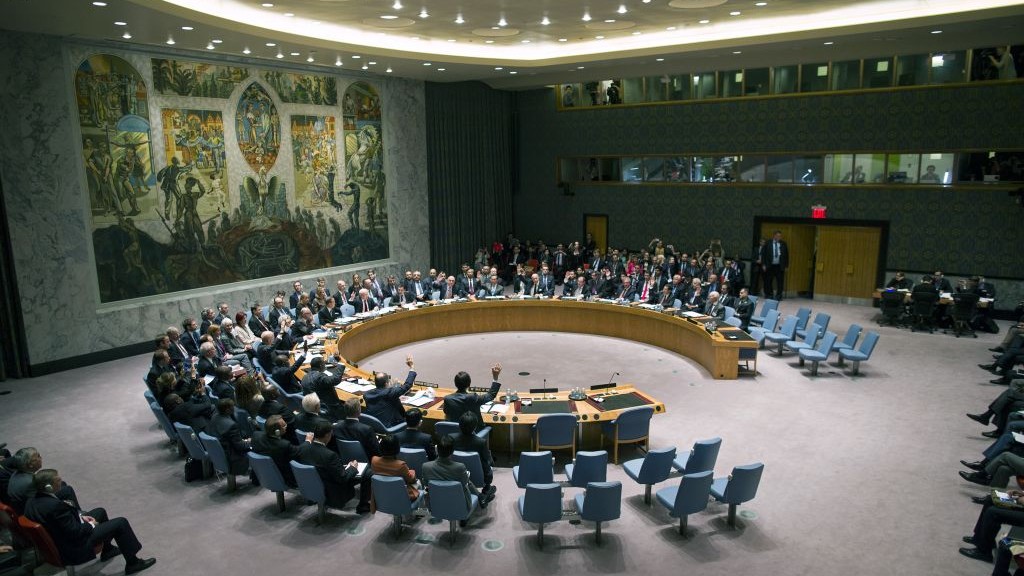
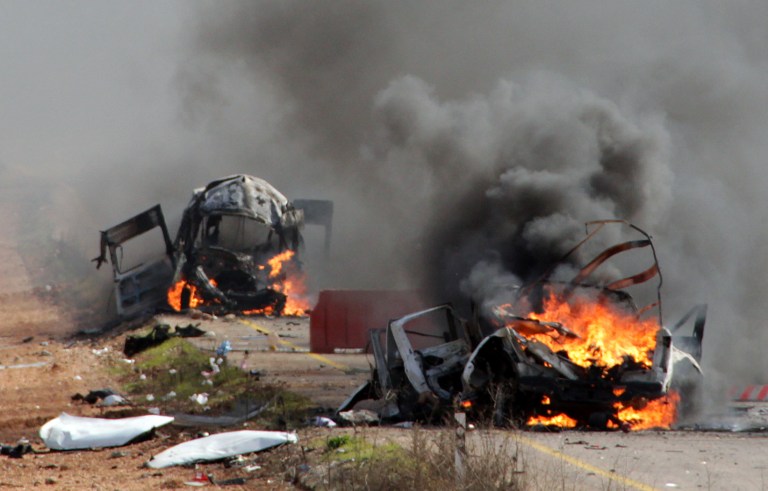
UNITED NATIONS — Spain’s ambassador to the United Nations blamed Israel on Wednesday night for the death of a Spanish UN peacekeeper during the Israeli military’s exchange of fire with Hezbollah after the terror group attack an army convoy, killing two IDF soldiers and wounding seven.
“It was because of this escalation of violence, and it came from the Israeli side,” Spanish Ambassador Roman Oyarzun Marchesi told reporters.
The UN peacekeeper has been identified as Cpl. Francisco Javier Soria Toledo, 36, and UN officials have said only that the cause of his death is under investigation.
The Security Council condemned the peacekeeper’s death in the strongest terms and offered its deepest sympathies.
Israel’s Deputy Foreign Minister Tzachi Hanegbi expressed condolences over the death and promised a full investigation, in a meeting Thursday morning with the Spanish ambassador to Israel.
Meanwhile the council was continuing its emergency deliberation called by France to discuss ways to defuse tensions between Israel and Lebanon..
France presented a draft statement to council members but after meeting for over an hour, the council issued a terse condemnation of the peacekeeper’s death and made no mention of de-escalation efforts.
Discussions on the council statement were continuing.
The violence raised fears of another all-out conflict between the two countries, who fought a month-long war in 2006, in a region already wracked by fighting in Syria and Iraq.
Secretary General Ban Ki-moon called for “maximum calm and restraint,” urging all sides to “act responsibly to prevent any escalation in an already tense regional environment,” a UN statement said.
Tension in the area has been building, especially after an air strike attributed to Israel on the Syrian sector of the Golan Heights killed six Hezbollah fighters and an Iranian general on January 18.
“Our objective is to engage toward de-escalation and to prevent further escalation of the situation,” French Ambassador Francois Delattre told reporters.
The clashes began when Hezbollah fired an anti-tank missile at a military convoy in the border area, prompting Israel to respond with air and ground strikes.
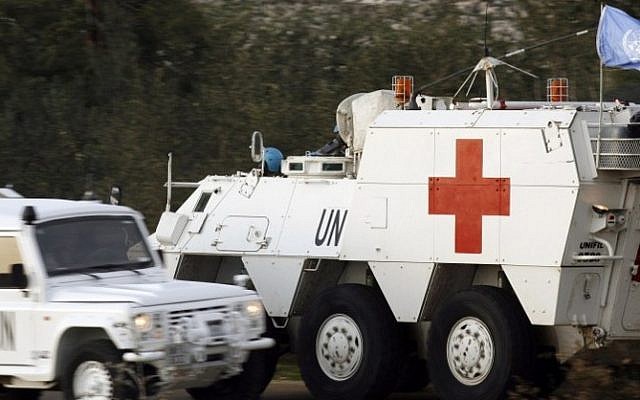
The 36-year-old Spanish corporal serving in the UN interim force UNIFIL in southern Lebanon was killed in the exchange of fire.
The 10,000-strong UNIFIL mission said it had observed six rockets fired towards Israel from southern Lebanon and that Israeli forces “returned artillery fire in the same general area.”
Senior peacekeeping official Edmond Mulet told council members that the attacks were a “serious violation” of ceasefire agreements and that UNIFIL had launched an investigation, according to a diplomat present at the council meeting.
Israel’s ambassador to the United Nations warned in a letter that Israel was ready to take all necessary measures to defend itself and demanded that the council condemn Hezbollah.
“Israel will not stand by as Hezbollah targets Israelis,” wrote Ron Prosor in a letter to the council also sent to Secretary General Ban Ki-moon.





The Times of Israel Community.