

Attorney general warns Knesset committees abusing power, threatening civil servants
Gali Baharav-Miara urges Knesset legal advisor to address issues, after incidents of committees being misused to discuss active legal cases, amid escalating rhetoric to judicial reps
 Add ToI as a Preferred Source on Google
Ariela Karmel is a political correspondent at The Times of Israel. She previously reported for Calcalist and Haaretz. She holds an MA in Middle Eastern and African History from Tel Aviv University and a BA in Political Science from the University of British Columbia.
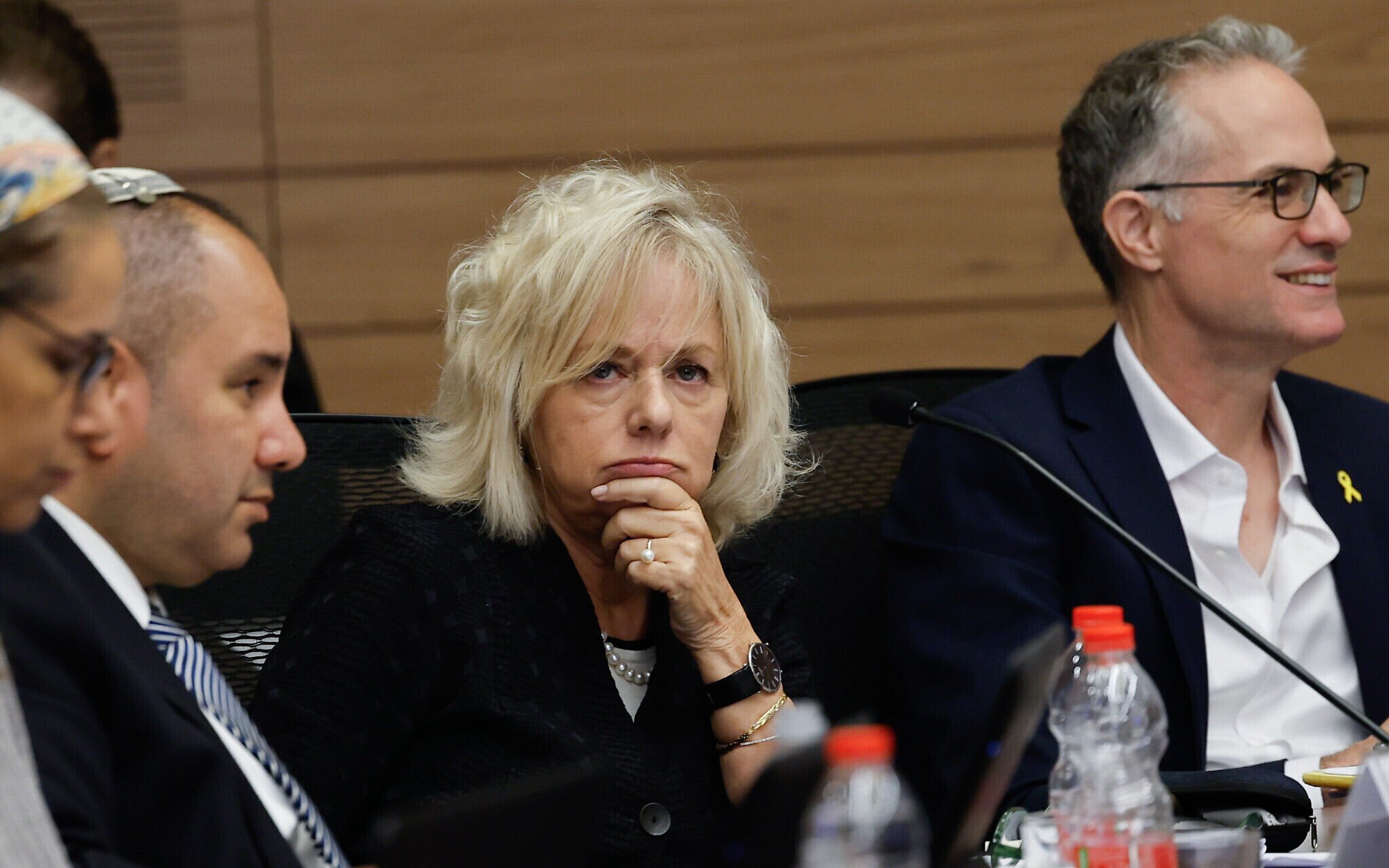
Attorney General Gali Baharav-Miara on Thursday warned that Knesset parliamentary committees are being misused to interfere with ongoing criminal investigations and that committee members regularly direct threatening and degrading rhetoric at public servants appearing before the committees.
In a series of letters sent to the Knesset legal advisor, state prosecutor, and the government’s legal advisors, Baharav-Miara said that representatives of the judicial system were particularly being singled out.
The attorney general warned that both such behavior creates a “chilling effect on civil servants, deterring them from expressing their professional opinions and leading to substantial flaws in Knesset discussions and legislative processes.”
In the letter, Baharav-Miara called on legal advisors to act “without delay” to address these issues, adding that she and her office staff are available to the Knesset “for any discussion you deem appropriate to conduct on the matter.”
“We will not accept this reality,” she stressed.
This letter follows an earlier letter sent by Baharav-Miara to Knesset Legal Advisor Sagit Afik on Wednesday about concerns regarding the conduct of Knesset parliamentary committees.
“Under the guise of exercising the Knesset’s oversight powers,” she wrote, “law enforcement agencies are invited to discussions concerning specific investigations and are even required to provide information and documents relating to ongoing criminal proceedings.”
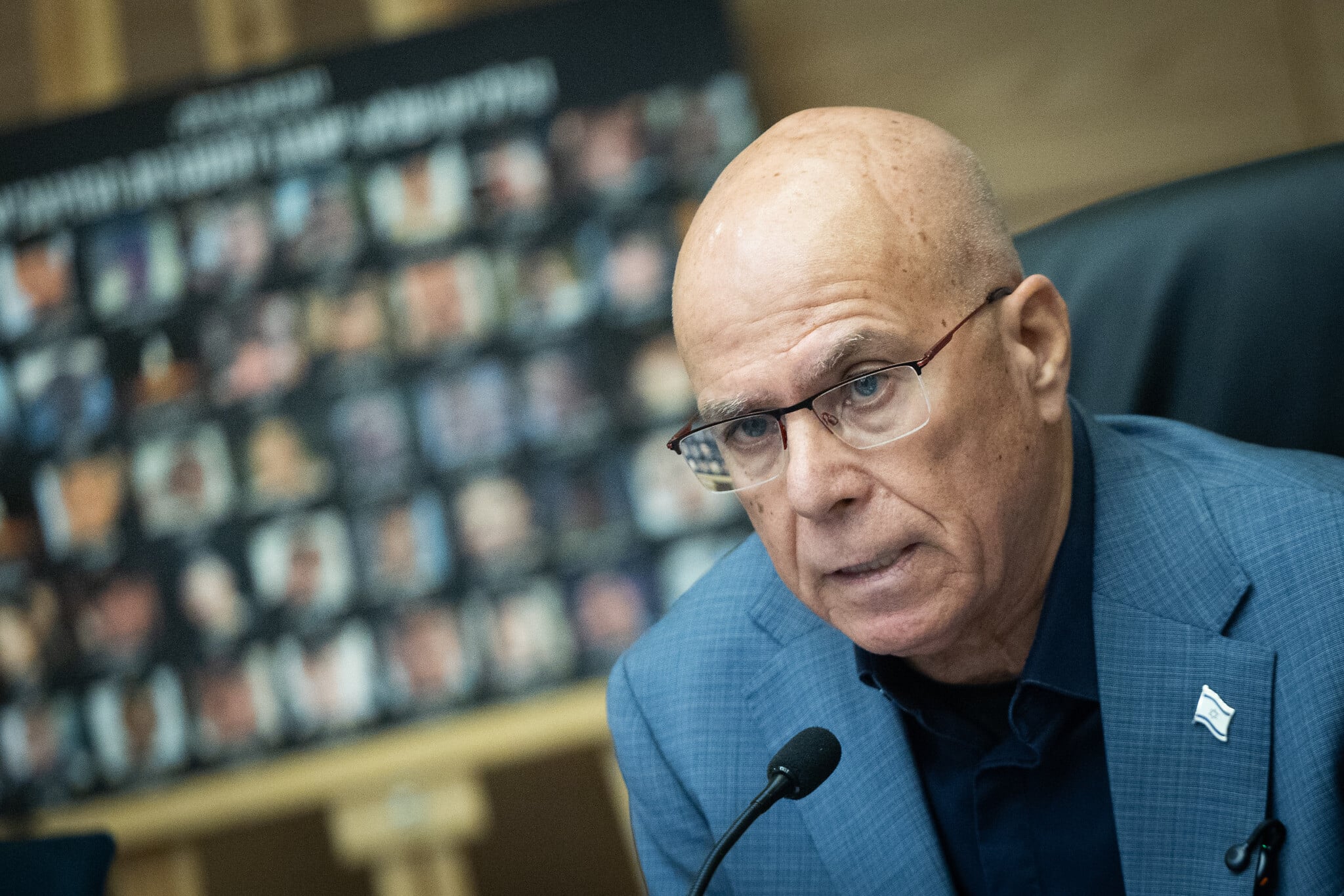
Baharav-Miara reiterated that such conduct is “an abuse of the Knesset’s oversight power, and does not align with the principle of separation of powers.”
She argued that these practices are deeply harmful and are being used to influence pending criminal proceedings, obstruct investigations, and deter public servants from fulfilling their roles.
Such behavior harms “the independence of law enforcement agencies and the entire public service – a cornerstone of a functioning democracy,” according to Baharav-Miara.
At least one of the impetuses for the attorney general’s letters appears to be a Knesset National Security Committee discussion held last month by chair MK Zvika Fogel (Otzma Yehudit), concerning Supt. Rinat Saban, a high-ranking officer in the Police Investigations and Intelligence Division, over her obtaining legal representation from the good-governance organization Movement for Quality Government.
Fogel held the committee discussion despite Afik’s strong opposition. In a November letter addressed to him, the Knesset legal advisor said that her office has long advised Knesset bodies to refrain from holding discussions on ongoing legal proceedings, to avoid undue influence.
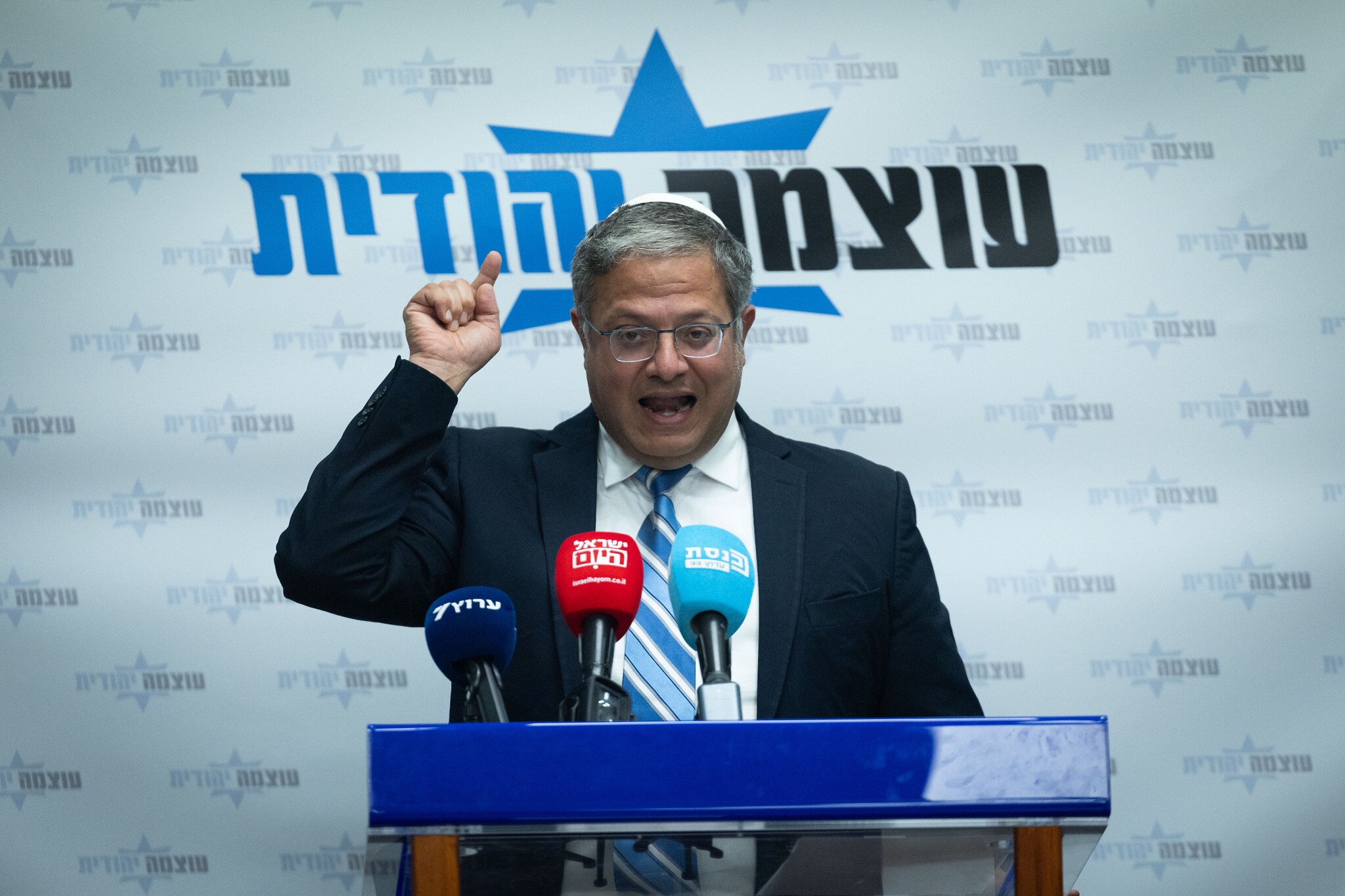
She further noted that Fogel’s inherent conflict of interest in holding a discussion “regarding legal representation received by a certain officer against the Chairman of your faction in a case that is still pending raises concerns that the committee will be perceived as a tool for political attacks.”
National Security Minister Itamar Ben Gvir, and head of Otzma Yehudit party, has for months been blocking Saban’s promotion to the rank of chief superintendent, despite having signed off on it in December 2024, due to her testifying against Prime Minister Benjamin Netanyahu in court in his corruption trial last year.
Saban has petitioned the High Court over the matter, and Ben Gvir’s actions have earned sharp criticism from Baharav-Miara and Israel Police Commissioner Daniel Levy, who has requested that the court grant him permission to go over the minister’s head and promote Saban.
The second issue that the attorney general addressed in her letters is the increasingly abusive and threatening rhetoric directed towards representatives of legal institutions in Knesset committee discussions.
“It is not uncommon for inappropriate and utterly unacceptable remarks to be leveled by Knesset members against [public servants] during discussions, and especially against the Prosecutor’s Office,” Baharav-Miara wrote.
This includes “humiliating and degrading statements, violent and threatening language,” which she said is no longer exceptional but “routine.” In many cases, she added, the committee chairs either fail to intervene or even lead such behavior themselves.
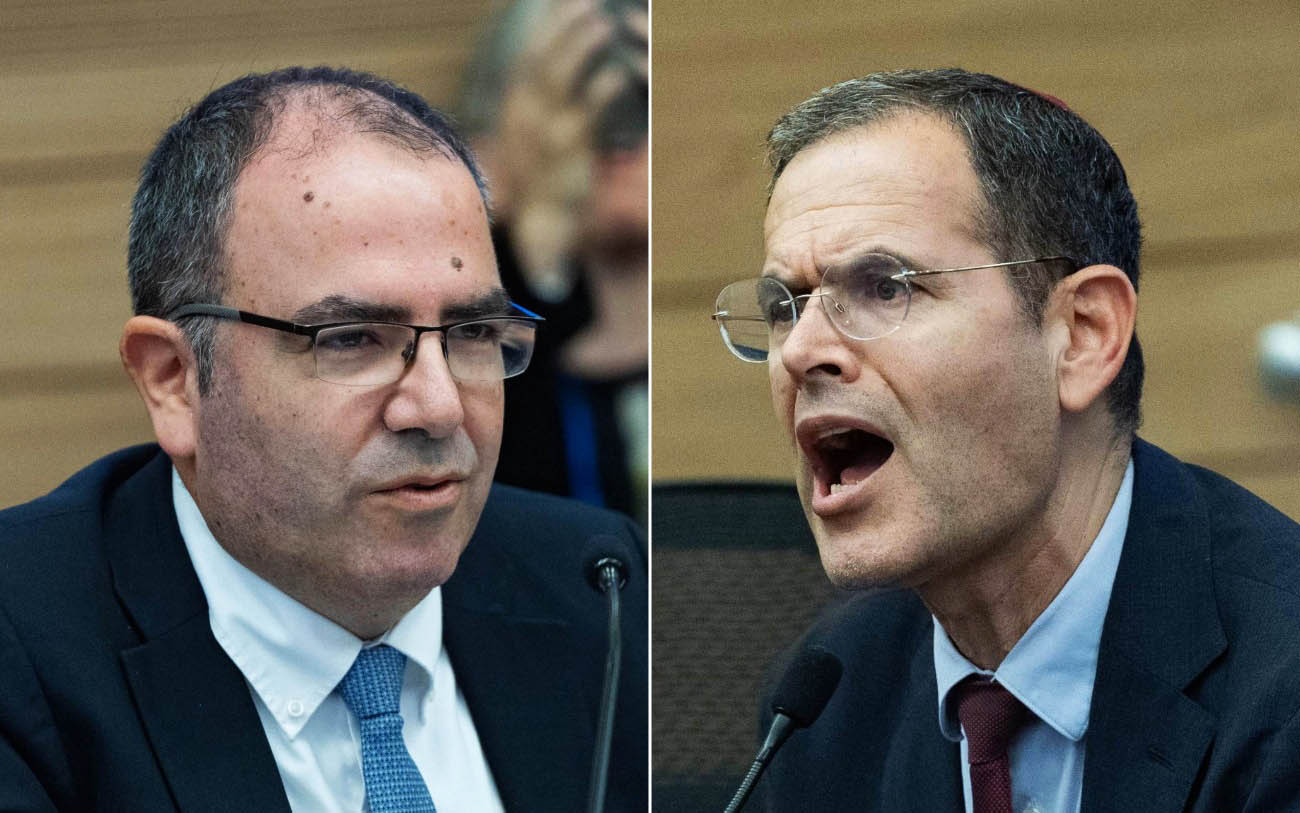
Threatening rhetoric toward public servants by parliamentary committee members has surged over the past year. Most notably, earlier this month, Likud MK Moshe Saada threatened Baharav-Miara’s deputy, Gil Limon, during a heated Knesset Constitution, Law and Justice Committee discussion over a coalition bill to divide the attorney general’s role, amid ongoing attempts to remove Baharav-Miara and limit her authority.
Saada, addressing Deputy Attorney General Gil Limon directly, said, “You sit in front of me with a smile, and in your place once sat the deputy military advocate general and the military advocate general — also with a smile — and you know where they are today. You know exactly where they are today, and you, Gil, will end up in the same place.”
Former military advocate general Maj. Gen. Yifat Tomer-Yerushalmi resigned in October after admitting that she had authorized the leak of a surveillance video showing alleged abuse of a Palestinian detainee at the Sde Teiman detention facility.
Tomer-Yerushalmi was released this week from the hospital, where she spent more than a month after an apparent suicide attempt via overdose.









The Times of Israel Community.