

Cabinet said set to convene Thursday to discuss plans to ease virus rules
Reports of upcoming meeting follow suggestions by Netanyahu that Israel could begin gradually rolling back some restrictions after Passover, Mimouna
 Add ToI as a Preferred Source on Google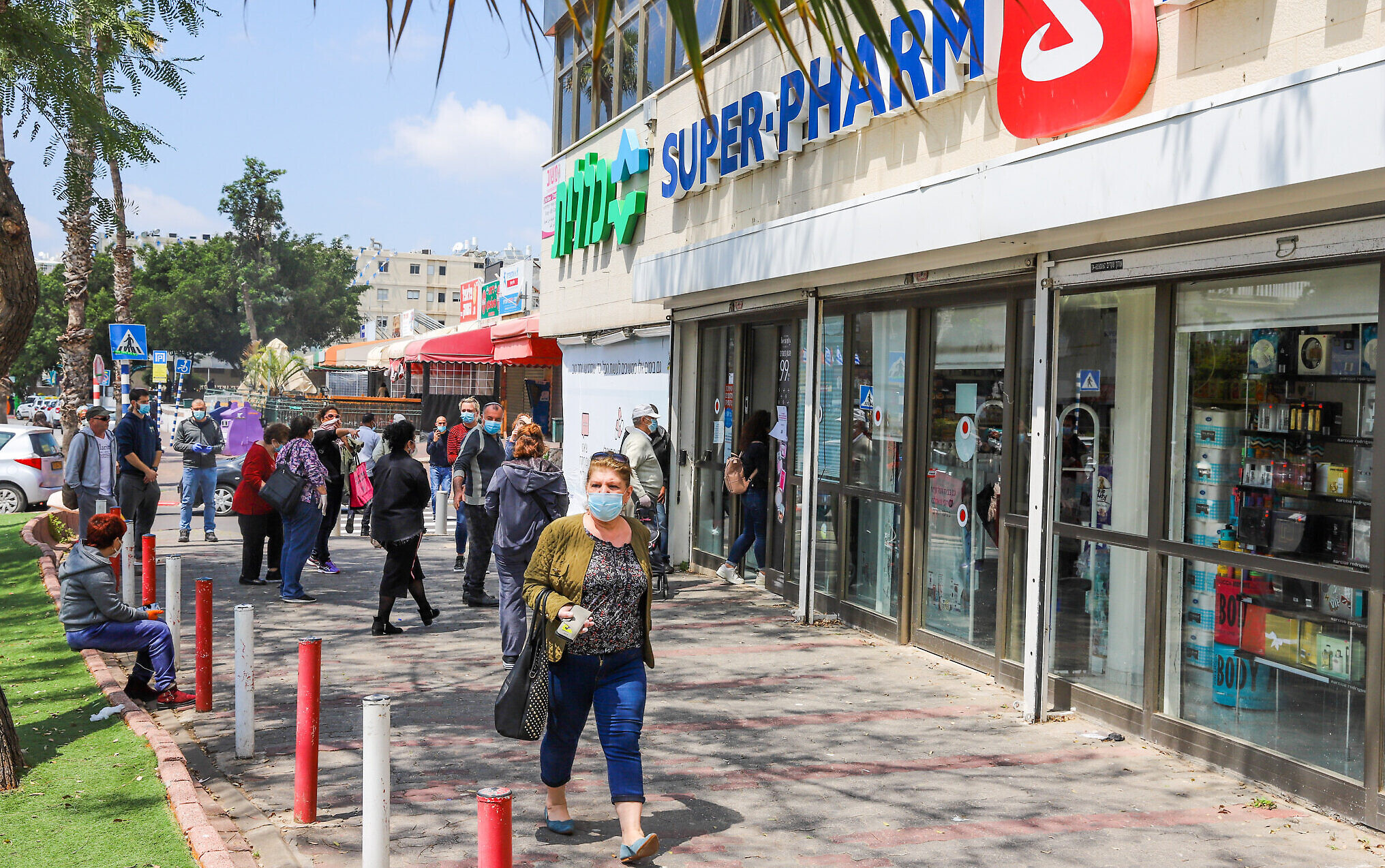
Government ministers will hold a videoconference Thursday to discuss plans to ease the far-reaching curbs on economic activity and movement meant to contain the coronavirus, Hebrew media reports said Monday.
Prime Minister Benjamin Netanyahu has suggested that Israel could begin gradually easing restrictions after the Passover holiday, which ends Wednesday evening, and Mimouna, which ends Thursday evening, but has not specified what measures would be loosened.
However, the cabinet was also to reportedly to convene later Monday to approve a nationwide lockdown that would run through the end of holidays until Sunday morning, making it unclear when the restrictions currently in place will begin to be rolled back.
Under the current rules, Israelis are barred from going more than 100 meters from their homes unless for an essential activity, and workplaces continuing to operate must adhere to strict Health Ministry directives.
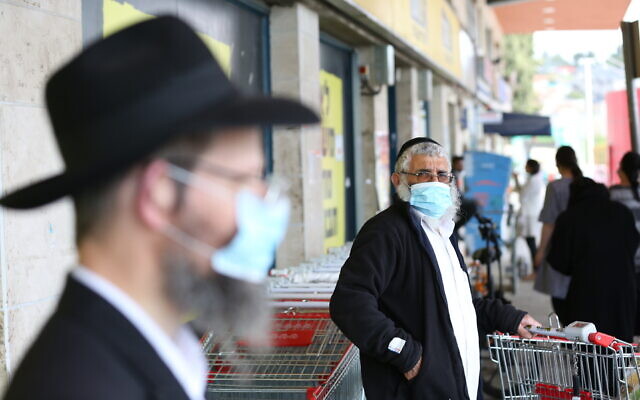
According to a report Monday in the Haaretz daily, the National Security Council — the government body tasked with coordinating the response to the virus crisis — has completed its recommendations for how to return Israel to a form of normalcy, and will present them to the government for authorization this week.
The NSC will reportedly recommend easing lockdown measures in four stages over two months, allowing for two weeks between each stage to assess whether the virus is seeing a resurgence or not.
Reports last week also indicated some restrictions could remain in place for months, with gatherings and international flights continuing to be limited until September.
To prevent the virus spreading, Israelis have been ordered to stay at home, only venturing out for basic needs or to attend work that is considered essential. The past week saw a nearly four-day lockdown on all Israeli communities due to Passover, in which the populace was confined to their hometowns between Tuesday evening and Friday morning.

As a result of the limitations, the national unemployment rate has soared to 25.8 percent, amounting to 1,075,271 people, according to the Israel National Employment Service. At the beginning of March, when social distancing orders impacting places of work were first issued, the rate was under 4%.
As of Monday morning, there were 11,235 confirmed coronavirus cases in Israel, including 181 in serious condition and 133 people on ventilators.
Another 168 people were in moderate condition, the Health Ministry said, adding that the rest were displaying mild symptoms and 1,689 had recovered.
The death toll stood at 113.







The Times of Israel Community.