

Christians are more sacred than Jews and Muslims, US poll finds
Survey shows Americans rate liberty differently for country’s religious groups, think government is doing ‘good job’ of protecting rights
 Add ToI as a Preferred Source on Google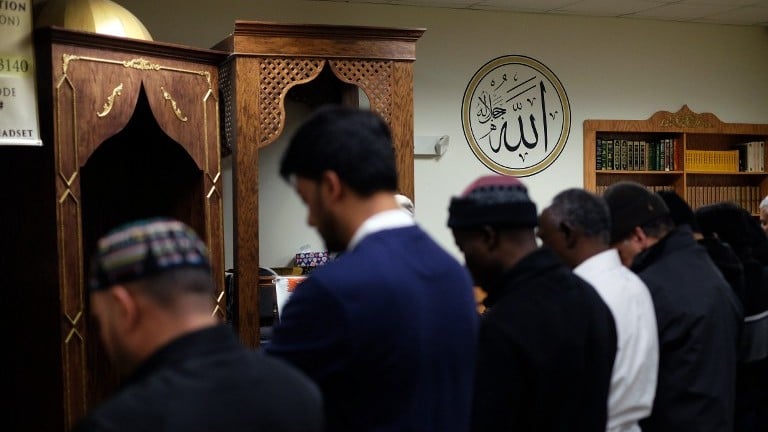
WASHINGTON (AP) — More Americans believe in the protection of Christian religious liberties than those who think the same freedoms should apply to Jews or Muslims, according to a new poll released Tuesday.
The poll, conducted by the NORC Center for Public Affairs Research for the Associated Press, also found that most Americans think the government is doing a generally good job of protecting religious liberties.
While 82 percent of Americans say it’s extremely or very important that Christians be allowed to freely practice their religion in the United States, just 72% say the same is true for Jews and 61% believe it should apply to Muslims.
According to the poll, 63% say it’s important to protect the freedoms of people with no religion.
The poll also surveyed respondents based on political affiliation.
Among Republicans, 88% said it was important that Christians be able to worship freely and 60% said so of Muslims. Democrats showed similar disparity with 83% and 67%, respectively.
Eight in 10 of all respondents said it was very or extremely important for people like themselves to be allowed to practice their religion freely.
Mixed views on protecting rights
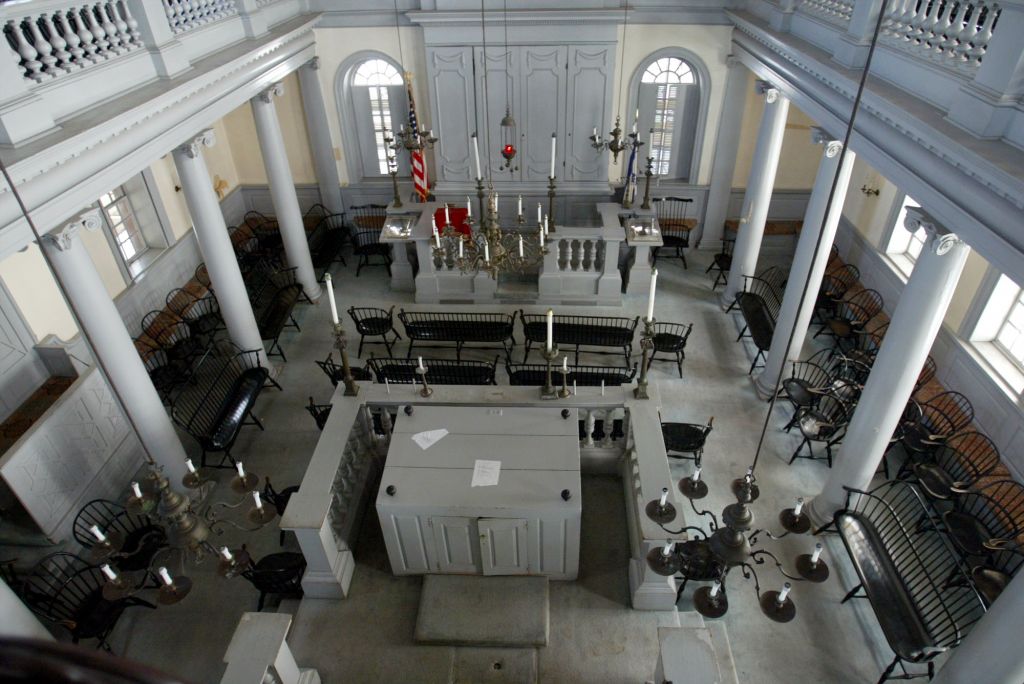
Americans give the government decent marks on protecting religious liberties, with 55% saying it does a very or somewhat good job of that, while just 27% say it’s doing a poor job.
On protecting several other rights, too, the government generally finds approval. Seven in 10 say it does at least a somewhat good job protecting the right to vote, and nearly 6 in 10 say it is doing a good job of protecting freedom of speech and press.
But just four in 10 rate the government’s performance as good on protecting the right to equal protection under the law, freedom from unreasonable search and seizure, or the right to bear arms.
The findings show Democrats are significantly more likely than Republicans to say the government is doing a good job of protecting the right to freedom of religion, with a difference of 64% to 49%.
On protecting the right to bear arms, 46% of Democrats and just 33% of Republicans approved of the government’s performance.
Safety vs. civil liberties
The poll found that for most Americans, security concerns beat civil liberties — at least some of the time.
Just over half — 54% — say it is sometimes necessary for the government to sacrifice freedoms to fight terrorism, while 45% say it is not necessary. On a more general level, 42% in the poll said it was more important for the government to ensure Americans’ safety than to protect their rights, while 27% said rights are more important. Thirty-one percent rated both equally.
Additionally, a majority of the respondents — 56% — favor warrantless government surveillance of Internet communications, including for US citizens, to watch for suspicious activity that might be connected to terrorism.
Terrorism fears on the rise
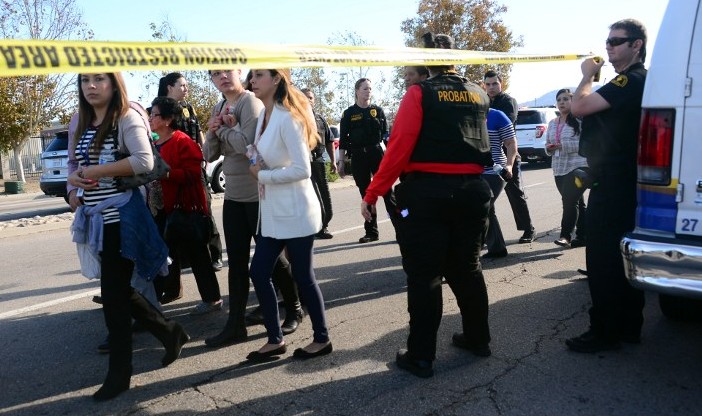
The poll found that concerns about terrorism have risen since 2013. According to the new findings, nearly six in 10 Americans say they are at least somewhat concerned that they or their family might be victims of a terrorist attack, after just three in 10 gave the same answer two years ago.
Six in 10 respondents in the new survey said that the recent attacks in Paris and San Bernardino indicated an increased risk of attacks against Western countries, while 37% think the risk is about the same as it was before. Three-quarters of Republicans and majorities of both Democrats and independents think the attacks are an indication of increased risk.
Americans are similarly concerned about both domestic terrorism and possible attacks by Islamic extremist groups, with some 6 in 10 saying they’re at least somewhat concerned about each.
The AP-NORC Poll of 1,042 adults was conducted online and by phone Dec. 10-13 using a sample drawn from NORC’s probability-based AmeriSpeak panel, which is designed to be representative of the US population. The margin of sampling error for all respondents is plus or minus 3.9 percentage points.
Respondents were first selected randomly using address-based sampling methods, and later interviewed online. People selected for AmeriSpeak who didn’t otherwise have access to the Internet were interviewed over the phone.








The Times of Israel Community.