

Court hears Hebron shooter’s last-ditch request to defer sentence
Set to start 18-month prison term Wednesday, Elor Azaria asks for delay until army chief decides on clemency
 Add ToI as a Preferred Source on Google
Raoul Wootliff is a former Times of Israel political correspondent and Daily Briefing podcast producer.
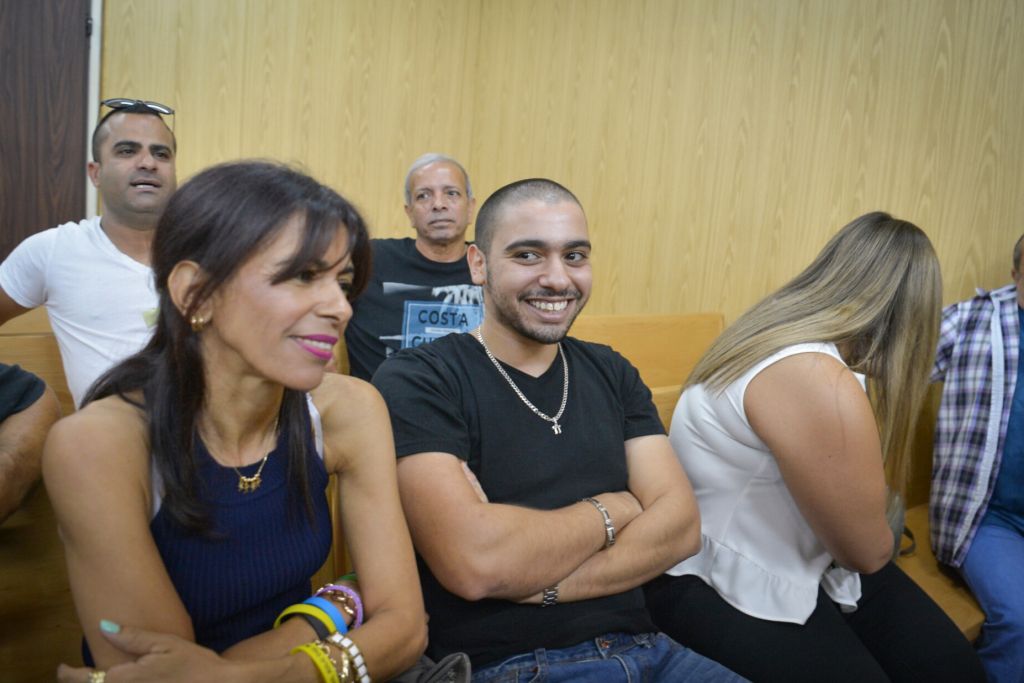
A military appeals court on Tuesday heard a last-ditch request by a former IDF soldier convicted of shooting dead a wounded Palestinian stabber to defer his prison sentence set to begin Wednesday.
The court will announce its ruling later Tuesday.
Elor Azaria asked for the 18-month sentence to be delayed until the IDF chief of staff responded to a request for leniency that he made last week.
Azaria’s attorney Yoram Sheftel told the court Tuesday that the case’s “uniqueness” justified a “unique” delay.
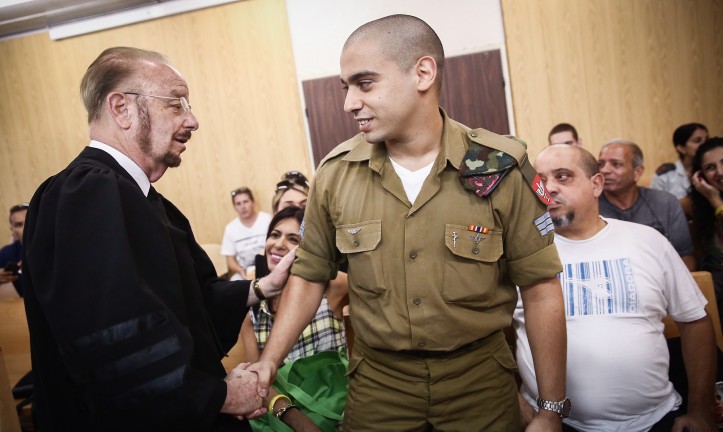
“There has never before been a case in which during the proceedings, the chief of staff made a public statement saying he would consider clemency if requested by the defendant,” Sheftel said. “If our request is accepted, he may not need to serve the sentence at all.”
The military prosecution fired back, saying that “deferring a punishment is the exception to the rule.”
“A soldier who has committed an offense, and certainly one who has committed such a serious offense as the one the defendant has been found guilty of, should serve their sentence immediately,” the prosecutors argued in a pre-prepared written statement.
Azaria is currently due to enter Prison Four in Tzrifin base in central Israel on Wednesday at 10 a.m., as per his original sentencing.
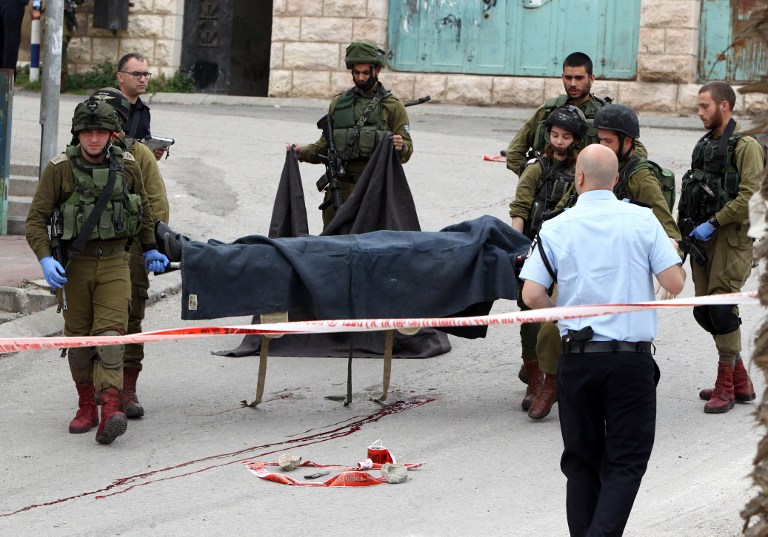
Azaria was tried for shooting dead Abdel Fattah al-Sharif, approximately 11 minutes after the Palestinian assailant had been shot, injured and disarmed while trying to stab two soldiers in the West Bank city of Hebron on March 2016.
The divisive case revealed deep rifts in Israeli society with some seeing Azaria as a hero, while others consider him a villain.
He was convicted by a district-level military court in January. Two months later, Azaria’s attorneys appealed the verdict.
On July 30, Azaria’s conviction and sentence were upheld by a military court, which dismissed his testimony that he’d feared for his life, citing his nonchalance in the moments before he opened fire and killed al-Sharif.
Shortly after the appeals court’s verdict, IDF Chief of Staff Gadi Eisenkot said in a statement that he would seriously consider a request for leniency from Azaria. However, a senior military source later clarified that would only be an option if Azaria expressed “real” remorse for his actions, something Azaria had not done up until that point.
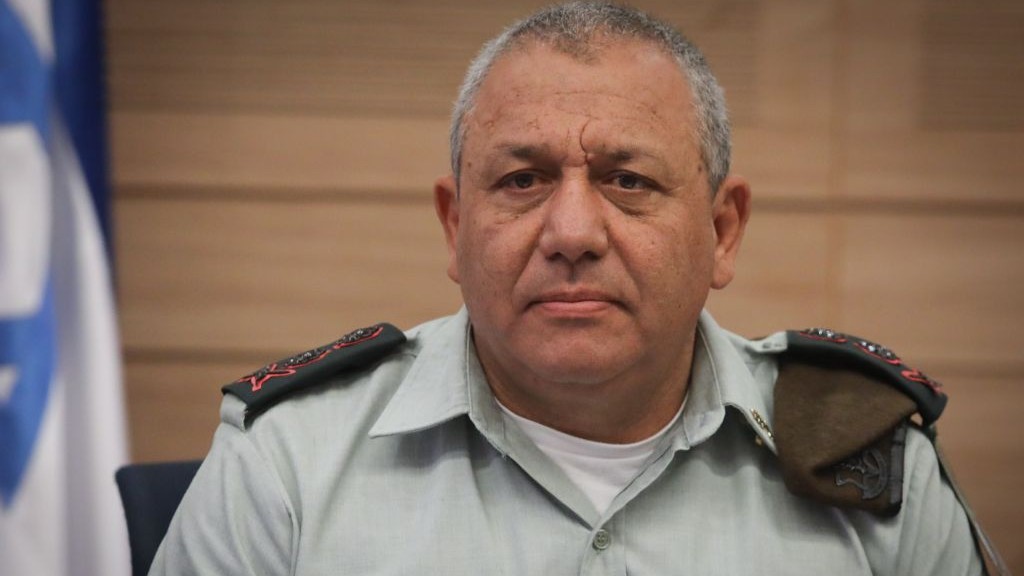
In a personal letter, Azaria asked Eisenkot to commute his 18-month sentence to a punishment of community service. However, he did not express regret for his actions.
Such contrition was also absent from his first-ever public statement, which he posted as a video to Facebook last Thursday. “I promise you that I acted out of a sense of immediate danger at the scene of the attack. But the court gave its ruling, and we live in a nation of laws. So I’m going to serve the prison sentence handed down, in the hope that it will be reduced,” he said.
Eisenkot has in the past expressed criticism of a public perception of Azaria as “everybody’s child.” He also said the case was rife with “manipulations and lies.”
Times of Israel staff contributed to this report.







The Times of Israel Community.