

Debt-ridden Iraq mulls sale of Saddam’s properties
Critics fear influential figures will gain possession of huge swathes of former state land at discount prices
 Add ToI as a Preferred Source on Google
Lee Gancman is a breaking news editor at The Times of Israel.
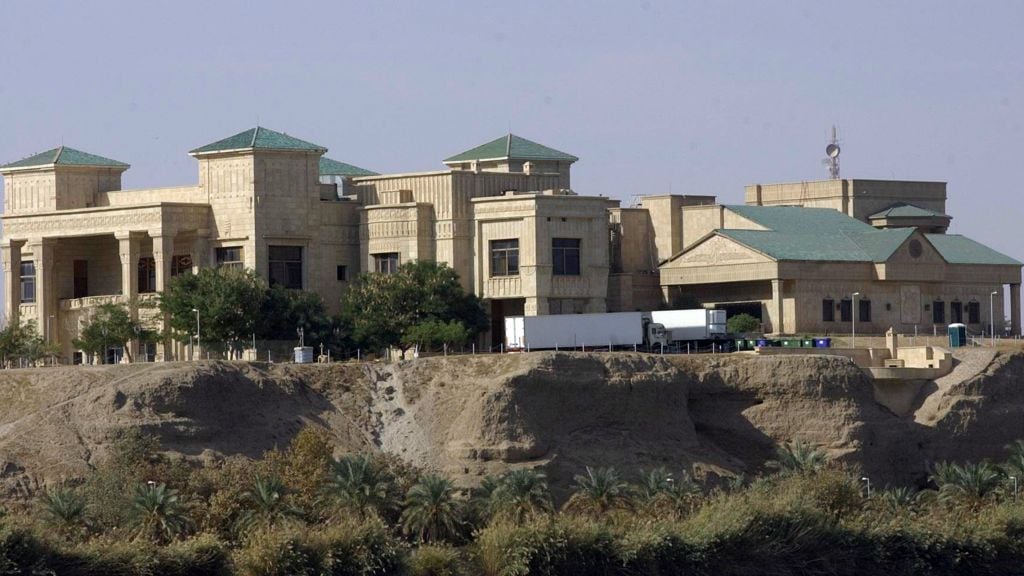
Facing a budgetary crisis stemming from low oil prices, the Iraqi government is reportedly mulling the sale of more than 600,000 state-owned properties, including around 1,000 once belonging to deposed dictator Saddam Hussein.
According to the reports in Iraqi daily Al-Mada on Thursday, the country’s parliamentary financial committee recently determined that the crisis could possibly be staved off by a sale of state properties that could bring in up to $150 billion.
Despite the prospect of massive revenues for the treasury’s coffers, however, the committee is still weighing the plan amid fears that it would allow influential figures to gain possession of huge swathes of former state property at discount prices.
The plan also faces opposition from the country’s Sadrist movement of Shiite cleric Muqtada al-Sadr, which has warned against selling Saddam’s palaces on the grounds that “they belong to the people, and should be turned into museums instead of being sold.”
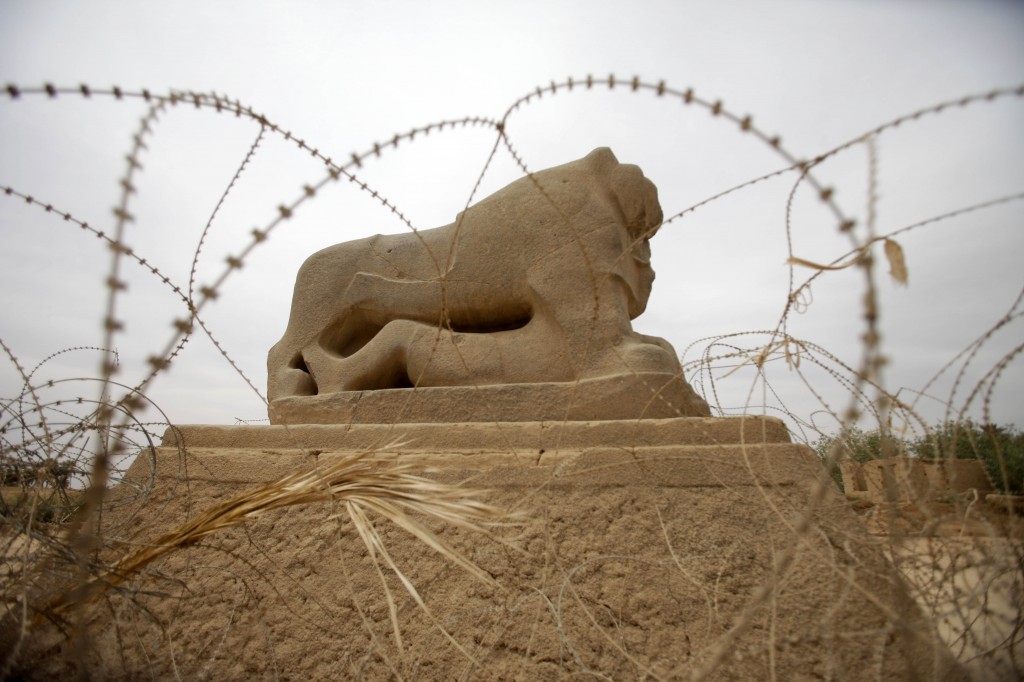
Iraq, like other countries relying on petrodollars to finance their state budgets, has fallen on hard times lately as oil prices drop from last year’s high of almost $60 per barrel to its current rate of around $33 per barrel.
The final formulation of Iraq’s budget, which was approved in December, was counting on an oil price of at least $45 per barrel. With the current price lower than projected, the government is running at a significant deficit.
During Saddam Hussein’s 24-year rule, the totalitarian leader built over 70 ornate palaces, many which he visited only rarely. His two sons Uday and Qusay Hussein also had multiple palaces of their own.
Following the US invasion of Iraq in 2003, several of these massive palaces were used as operational centers by coalition forces but were later handed back to the Baghdad government when they withdrew in 2011.








The Times of Israel Community.