

Decisive hours: Progress on a new nuclear deal, or countdown to a US strike?
As a condition for continuing talks, the US has demanded that Tehran set out the concessions it is willing to offer, but it’s unlikely that the emerging Iranian proposal will meet Trump’s threshold requirements. Will he then order a strike, and of what intensity?

 Add ToI as a Preferred Source on Google
Ahead of Thursday’s planned round of talks between the United States and Iran in Geneva, and despite the close coordination between the Netanyahu government and the Trump administration, Israel lacks a clear, definitive answer as to where the United States is headed.
The assessment in Israel, from the start of the US-Iran negotiations in early February, was that the talks would not bear fruit. Indeed, the announcement this week of an additional round of negotiations was received in Israel with some surprise.
However, this time the US was more assertive, presenting the Iranians with a pre-talks ultimatum: It required Tehran to deliver a detailed response by Tuesday regarding the concessions it is prepared to offer. The final decision on whether to go ahead with Thursday’s talks, it indicated, would depend on the nature of the Iranian response.
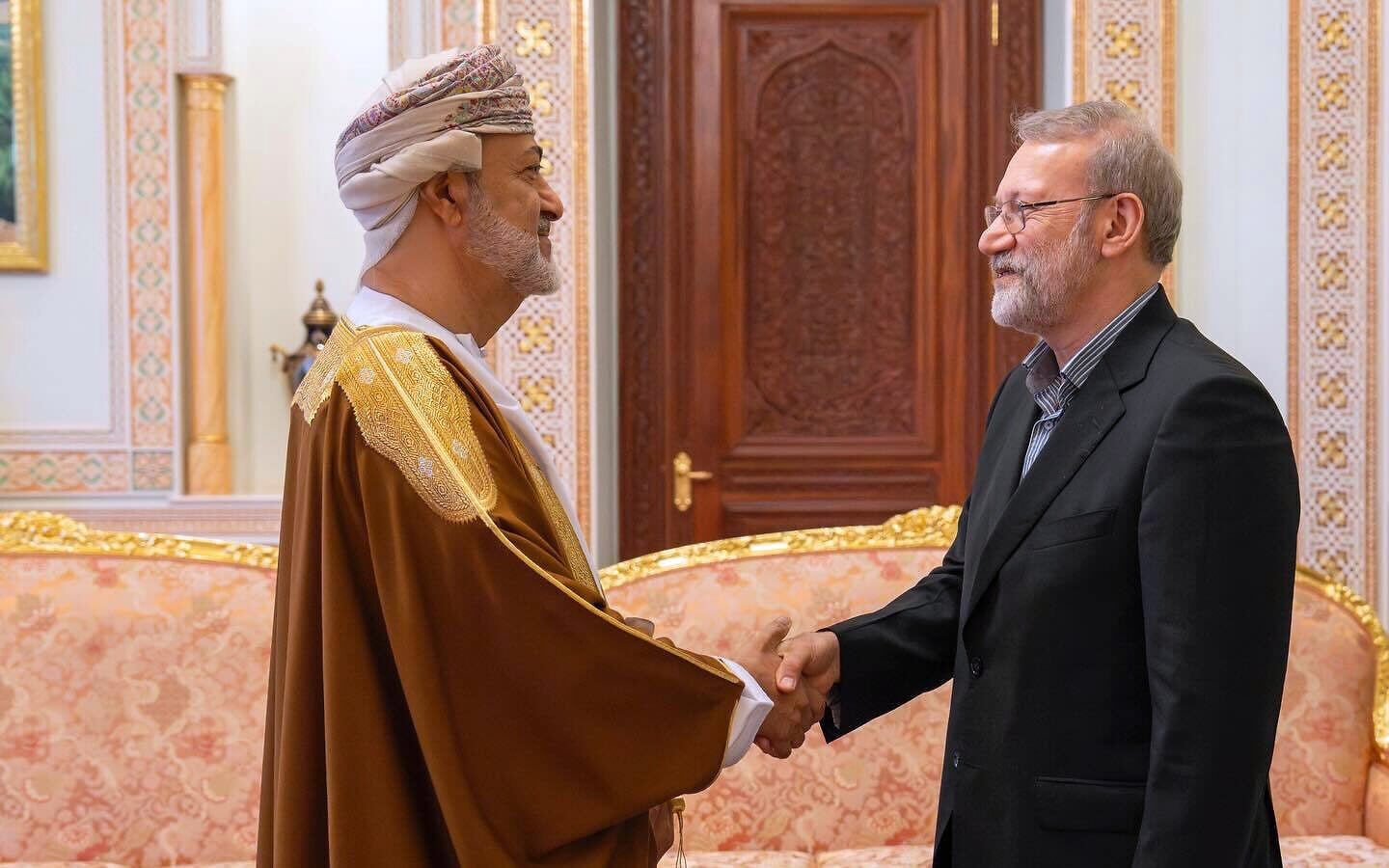
The Iranians ostensibly took this threat seriously. Realizing, perhaps, that they were backed into a corner, they were set to deliver their response to Muscat via Ali Larijani — the individual closest to the supreme leader, which apparently signifies a serious proposal delivered with the personal consent of Ali Khamenei.
According to several reports, the Iranian offer is expected to include the transfer of half of its 60% enriched uranium to a third country, while the remaining half would be diluted on Iranian soil, in exchange for the removal of a significant portion of economic sanctions.
It is doubtful, though, that such a proposal would meet the American threshold.
It would leave Iran with enough high-level enriched material to proceed toward a bomb if they chose, and to serve as a future bargaining chip.
The Iranians understand this well, which is why they are requesting that Rafael Grossi, head of the International Atomic Energy Agency (IAEA), join the potential meeting in Geneva on Thursday. Grossi — who until recently was persona non grata in Iran, and required protection by Austrian security services — is being transformed by the Iranians from a liability into an asset.
For the IAEA, removing a substantial proportion of the 60% enriched uranium would be a significant achievement. Grossi has been traveling the world for months warning that, in terms of oversight, post-“12 Day War” Iran has become an even greater black hole than it was before the conflict.
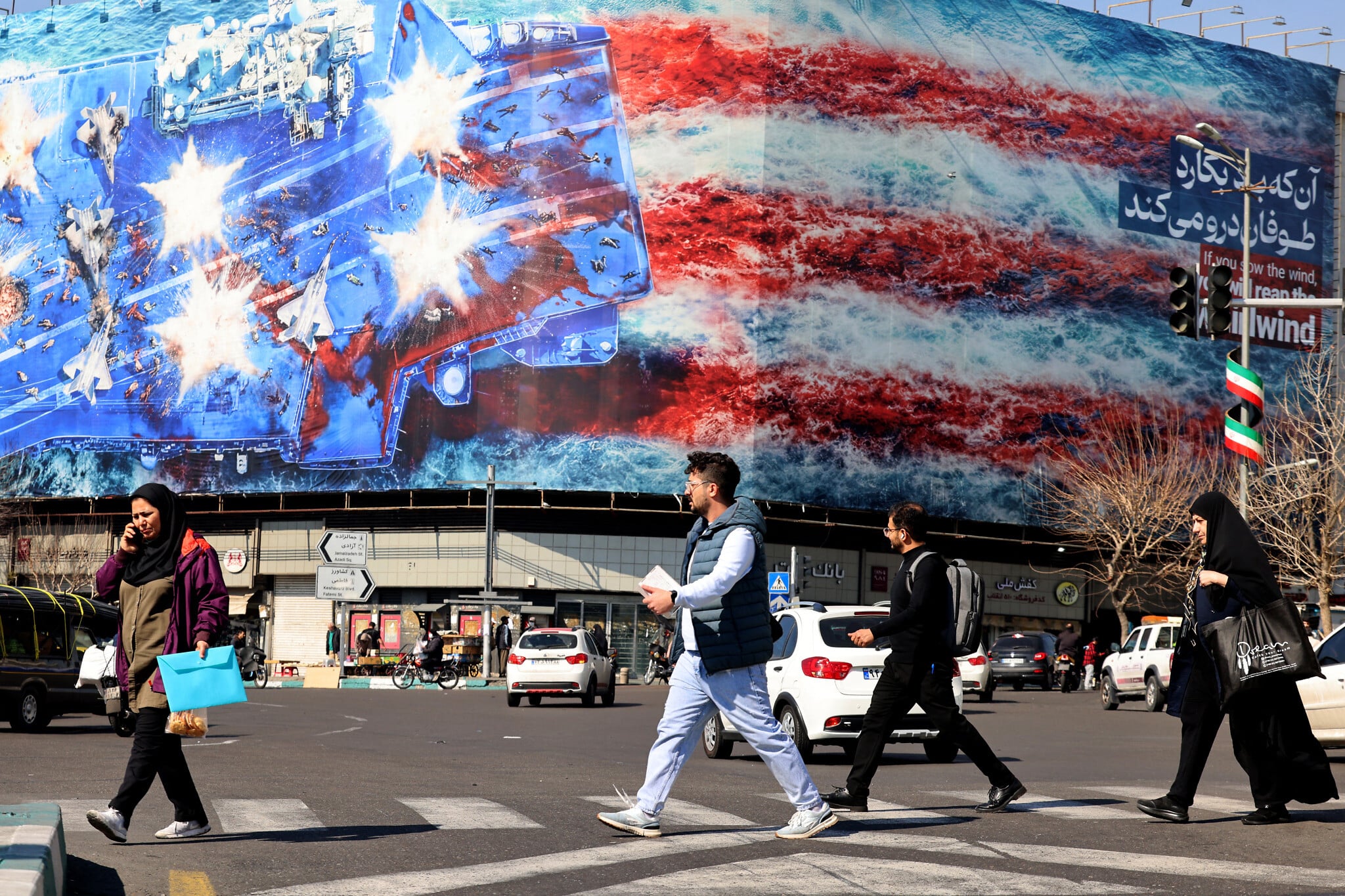
Will the potential Iranian enriched uranium “concession” tip the scales from a US strike toward a deal? This is highly unlikely, though the possibility cannot be entirely ruled out.
It depends primarily on what else Tehran offers, and whether US President Donald Trump can frame it as an Iranian capitulation — especially as it coincides with his State of the Union address on Tuesday night.
Danny Citrinowicz, former head of the Iran branch in IDF Military Intelligence Research and currently a senior fellow at the Institute for National Security Studies (INSS), argued on Monday that the American administration “suffers from a deep conceptual gap in how its personnel understand the Iranian regime.”
“Tehran operates according to well-defined red lines — especially regarding regime survival, deterrence capabilities, and regional influence,” Citrinowicz noted. “It will not concede these core interests even at the cost of a military confrontation.”
In other words, the Iranian regime is prepared for a military clash, provided it survives. Senior officials close to the US president, led by Secretary of State Marco Rubio, argue that only “reshuffling the deck” — meaning a strike — might make the current Iranian leadership more flexible, by triggering internal shifts, or alternatively, could bring about a change in leadership.
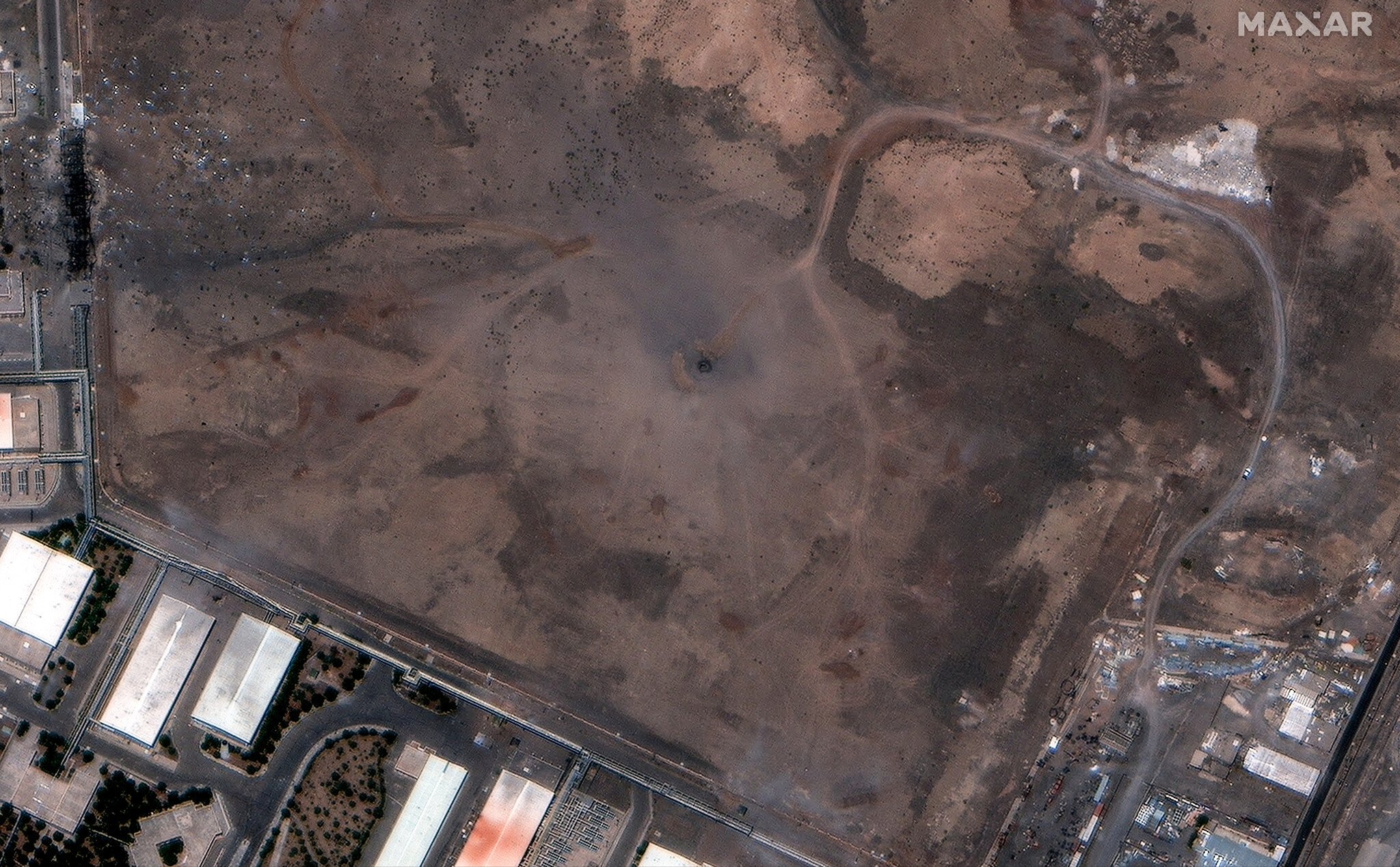
If a US-led strike does go ahead, its intensity will indicate its intended objective: the collapse of the regime or a bid to merely force its hand.
Israel remains deeply troubled by the prospect of a limited strike, seeing no guarantee that it would lead to a softening of Iranian positions or a conceptual shift. Indeed, the concern in Israel is that the result may even be the opposite of the intended goal, and that if the regime survives, it could emerge stronger than before.






The Times of Israel Community.