

Former Shin Bet chief Yoram Cohen joins Eisenkot’s Yashar party
Cohen, who served as head of the Shin Bet from 2011 to 2016 under Netanyahu, is a fierce critic of the prime minister; Eisenkot praises him as a ‘statesmanlike and ethical voice’
 Add ToI as a Preferred Source on Google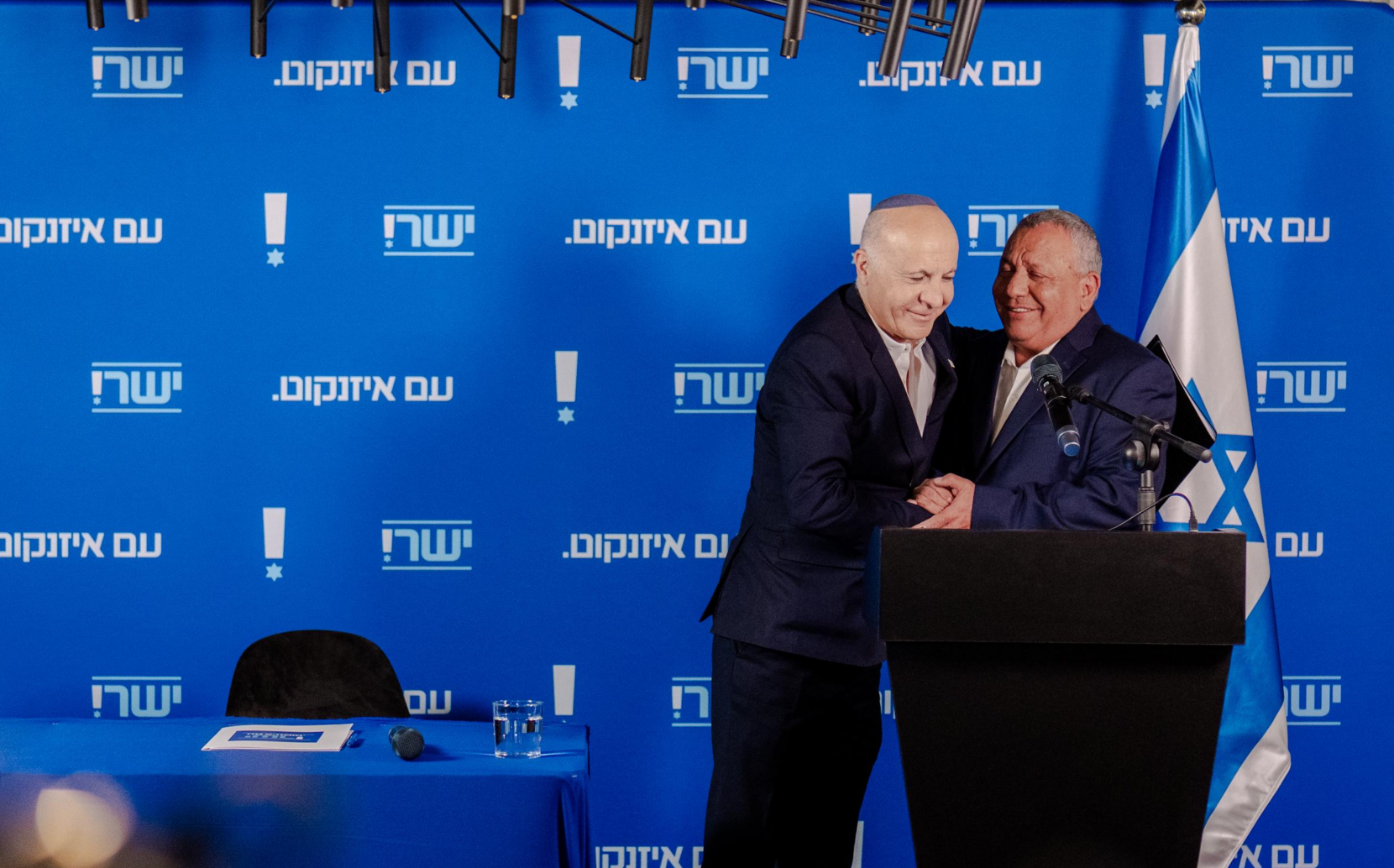
Gadi Eisenkot on Tuesday announced that former Shin Bet chief Yoram Cohen will join his centrist Yashar party, praising Cohen’s extensive security experience and sense of morality.
“Yoram, my friend, brings with him more than 35 years of rich security experience and expertise in all matters related to national security. He is a professional, statesmanlike and ethical voice who represents the type of leadership that Yashar offers to the people of Israel. Leadership of responsibility and integrity; of results, not of slogans,” Eisenkot, a former IDF chief of staff, said in a statement.
Soon afterward, Avigdor Liberman’s hawkish opposition party Yisrael Beytenu announced a new addition of its own: IDF Capt. Israel Ben-Shitrit, an IDF reservist who served as a deputy company commander in the Alexandroni Brigade and was seriously wounded in battle in Gaza in early 2024.
The new candidates are being rolled out as Hebrew media has reported that the two parties are currently in talks about a possible merger.
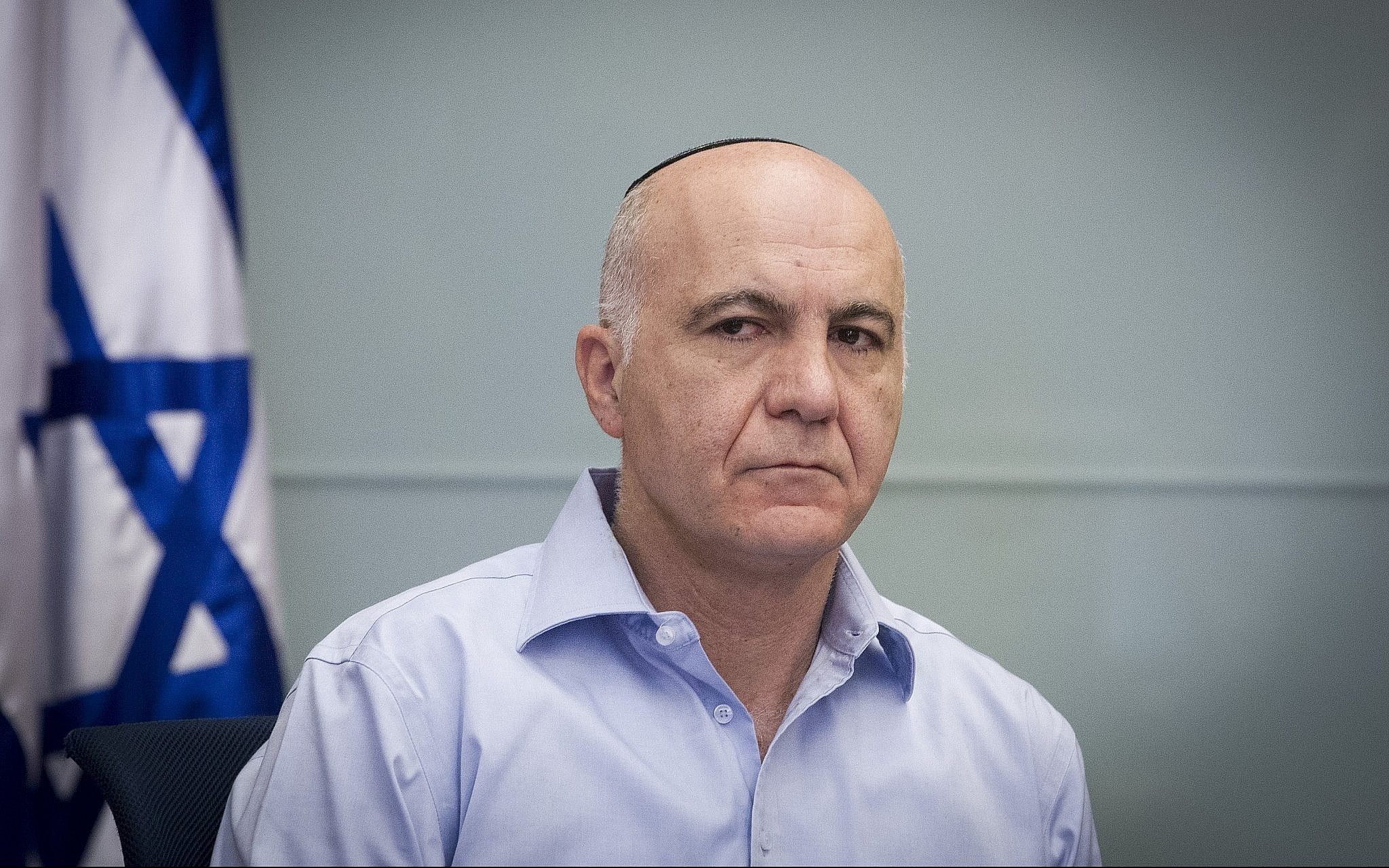
Cohen, Yashar’s latest big-name addition, served as head of the Shin Bet from 2011 to 2016 under Prime Minister Benjamin Netanyahu, and has since become a fierce critic of the sitting premier. He was one of several former top security officials to decry verbal attacks on the Shin Bet by Netanyahu’s associates and has accused the prime minister of misusing the security agency for political purposes.
“Israel is facing major security and social challenges, which if navigated and handled incorrectly by leadership, as it is today, could bring us to the brink of collapse. In the face of the magnitude of the hour, I decided to respond to the emergency call-up order issued by my friend Gadi,” said Cohen.
“I am joining the Yashar party today because I see my friend, Gadi, as the right man at the right time and in the right place to lead the State of Israel,” he added.
Addressing a joint press conference with Eisenkot in Tel Aviv on Tuesday evening, Cohen argued that allowing Prime Minister Benjamin Netanyahu’s “failed” ruling coalition “to continue managing the State of Israel is, in my opinion, an irresponsible and even dangerous act for the country.”
Last year, Cohen said Netanyahu once asked him to “disqualify” his political rival Naftali Bennett from his security cabinet by revoking his security clearance, citing a case of an unspecified “loyalty problem.” Netanyahu’s office denied the story and accused Cohen of making it up.
Cohen has also claimed that during his tenure, Netanyahu asked him more than once to carry out “illegitimate acts,” such as requesting that he wiretap the government’s top defense officials to ensure that they were not leaking information from a particularly sensitive security meeting.
“The choice to enter politics is not natural for me. I spent most of my life behind the scenes, and I prefer field operations over speeches,” Cohen told reporters, adding that he believes that, together with Eisenkot, “we have the personal, organizational, and managerial ability to deal with current challenges, make decisions even if they are complex, bring change, and give hope to the people.”
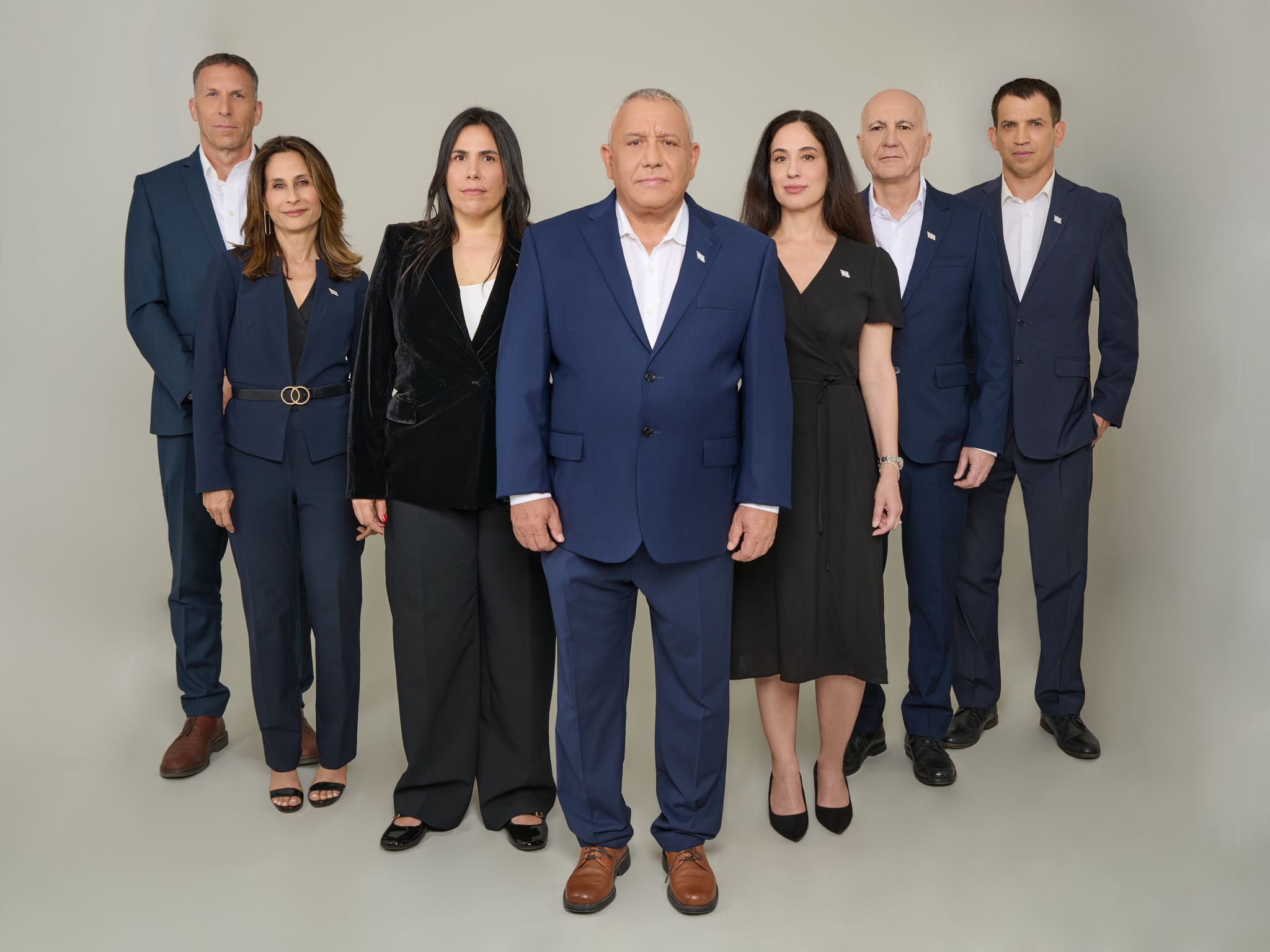
Cohen is one of several former senior officials — including ex-religious services minister Matan Kahana, ex-Blue and White MK Orit Farkash-Hacohen, ex-Finance Ministry budget chief Shaul Meridor, and former chief of staff to three welfare ministers Inbar Yehezkeli — to join Yashar.
Both Eisenkot and Kahana quit Benny Gantz’s Blue and White party last year.
On Sunday, MK Chili Tropper, another Blue and White lawmaker, announced his resignation from the party as well, sparking speculation that he would join Yashar.
He was followed on Tuesday by Blue and White MK Eitan Ginzburg, marking the second defection from the party in three days and the fifth in the past year, as the once-pivotal faction appears to be steadily hemorrhaging lawmakers as it has collapsed in opinion polls.
Hebrew media reports said Ginzburg is expected to join Naftali Bennett’s and Yair Lapid’s joint Together slate, though neither Ginzburg nor Together has commented on that report.
Meanwhile, the Arutz Sheva news site recently reported that Ram Ben Barak, a former deputy Mossad director and current Yesh Atid MK, is also expected to join Eisenkot’s slate.
A Channel 12 poll released last week found that if elections were held, Bennett and Lapid’s Together list would win a total of 26 out of 120 Knesset seats, placing them ahead of Netanyahu’s ruling Likud as the Knesset’s largest party. Eisenkot’s Yashar would come in third with 15 mandates.
According to the poll, in the event that Eisenkot would join Bennett and Lapid in a single list, their united party would garner 41 seats, but the overall balance of the blocs would remain unaffected.
Last week, Lapid told Bennett that he was willing to take third place, rather than second, on their joint electoral slate if it would help secure a broader merger with Eisenkot, a source close to Lapid said.
A source close to Eisenkot dismissed Lapid’s offer to join the new union despite the fact that Eisenkot was first reported to have proposed a merger in January.
Eisenkot welcomed Bennett and Lapid’s new union, calling them “allies,” but suggested the union might find it hard to draw votes away from the pro-Netanyahu right.
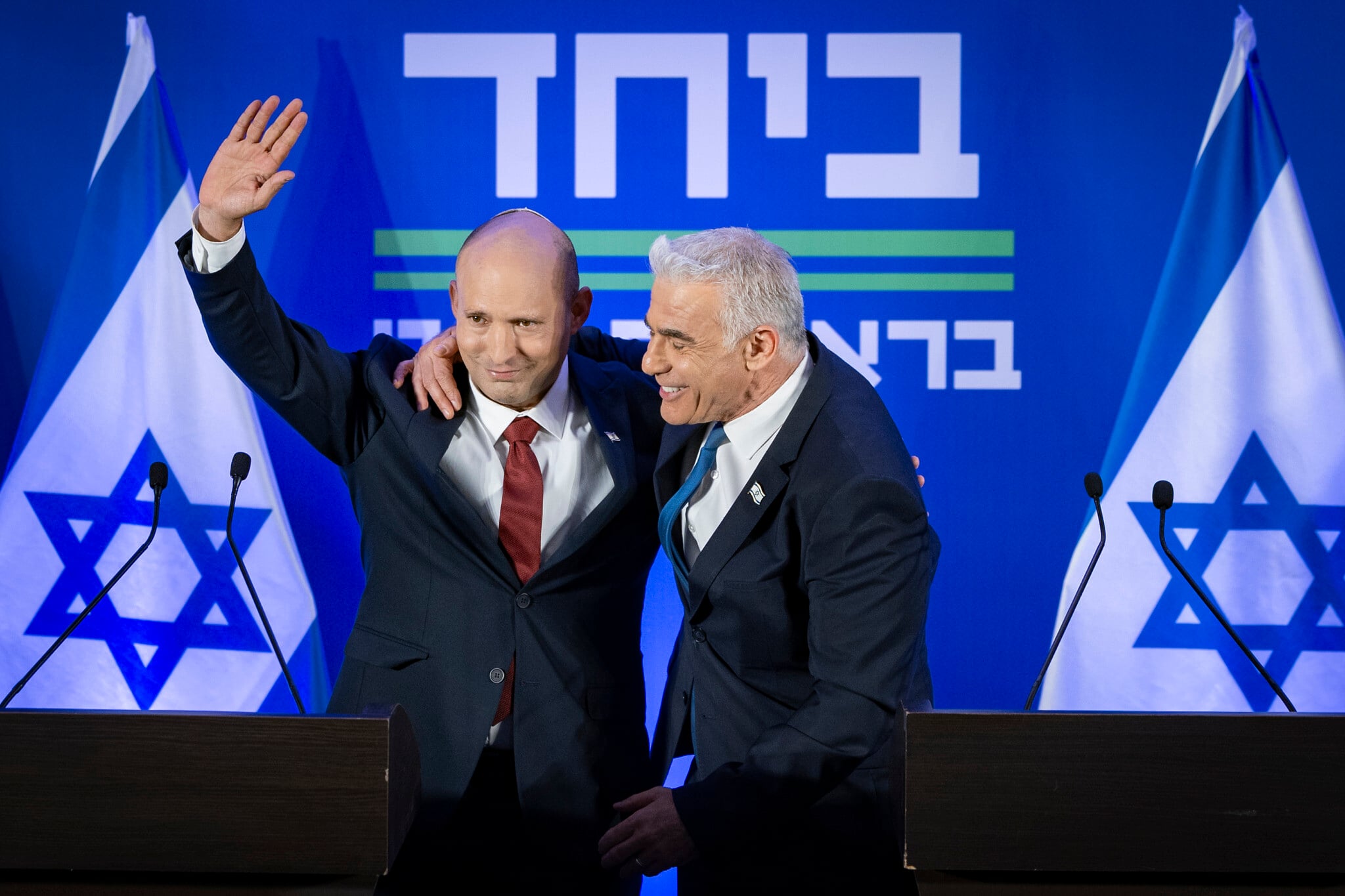
Eisenkot subsequently invited most of the opposition leaders to convene to coordinate a path to a victory by a “Zionist majority” over Netanyahu in October’s election.
While Eisenkot has rebuffed calls to join Together, discussions with Liberman are reportedly in their early stages, with no details yet on who would lead a joint slate or how seats would be allocated. Eisenkot and Liberman are expected to meet later this week.
A union between Yashar and Yisrael Beytenu — which currently holds six seats in the Knesset but has been consistently polling at about 10 seats — could yield a combined 25 seats, bringing it neck-and-neck with the Together slate and potentially drawing away votes from the coalition.
Asked on Tuesday why he had not united with Bennett and Lapid, Eisenkot replied that he had “worked for many months to create an infrastructure for victory in the elections” and, in pursuit of this goal, had “met with all the candidates and tried to reach a three-way structure because I thought that was the right solution, and it did not work out.”
As such, “I continued to strengthen Yashar to be as large as possible,” he continued, noting that Bennett and Lapid had only informed him of their plans “five minutes before the press release.”
Replying to a reporter’s question regarding reports that he is in talks with Yisrael Beytenu chairman Avigdor Liberman to unite their two parties, Eisenkot stated that the two have “maintained a long relationship” and have met and spoken in recent months, but that he did not want to get into specifics regarding the issue.
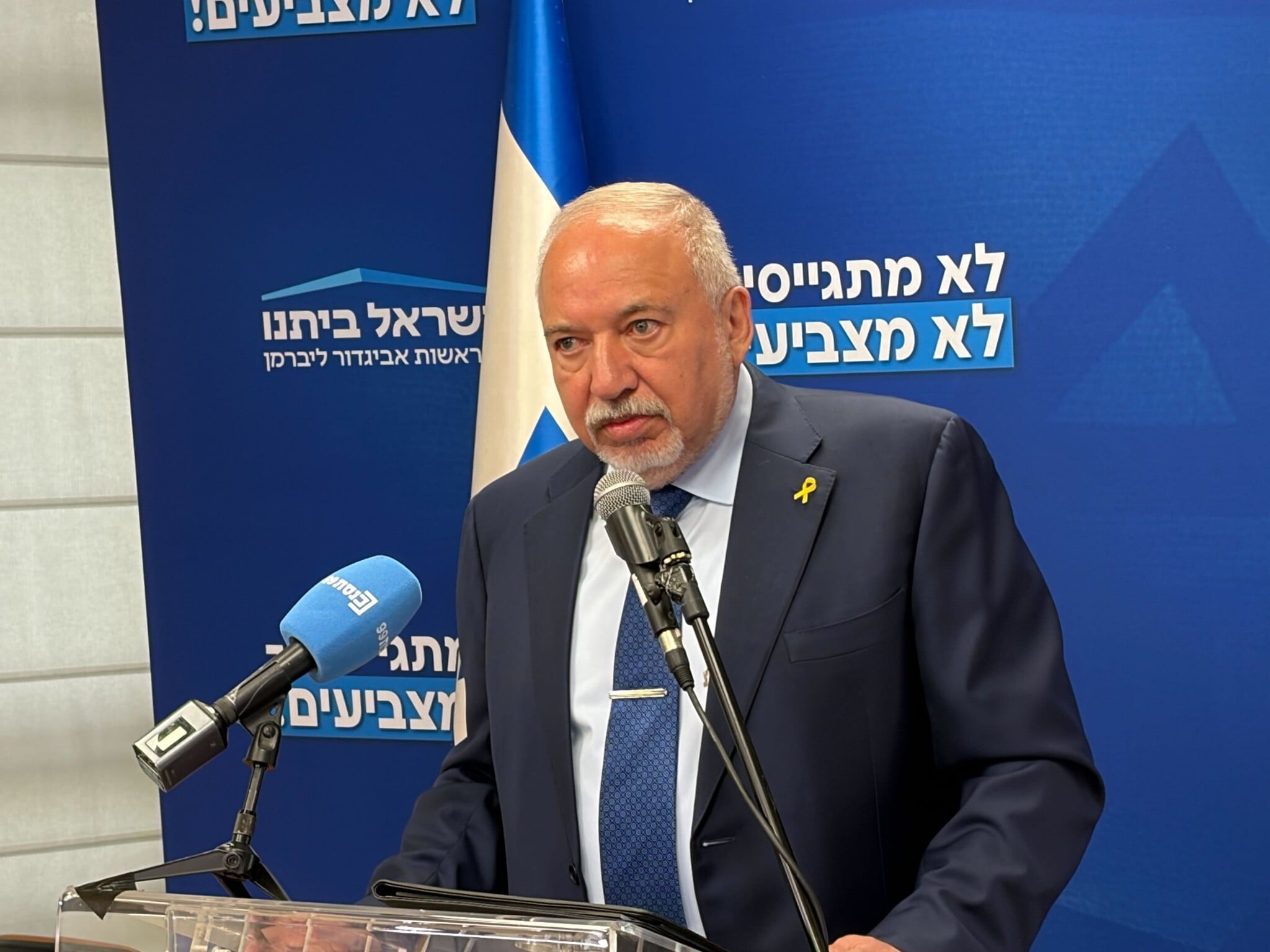
Eisenkot added that his party will be split 50/50 between men and women and that a third of its candidates will be young people. He also called on all parties currently polling under the electoral threshold, including Blue and White, to either drop out of the race or join with other factions.
Wounded IDF reservist joins Yisrael Beytenu
On Tuesday, Yisrael Beytenu announced the addition of Ben-Shitrit, describing the 40-year old father of five from the southern city of Yeruham as “an entrepreneur and a man of action” who has worked “to strengthen shared responsibility in Israeli society, to promote the rehabilitation of IDF wounded soldiers, and to deepen the connection between the State of Israel and Diaspora Jewry.”

As part of Yisrael Beytenu, he will “promote true equality” in conscription, “improve the rehabilitation system for IDF wounded, expand the response to post-trauma victims, and connect with Diaspora Jewry,” the party added.
In his own statement, Ben-Shitrit said he was joining the party “to fight for true equality in the burden, to strengthen the warriors and the wounded in body and mind, the reservists, to strengthen Israeli society and to ensure that no one is left behind.”
Welcoming Ben-Shitrit, Liberman said that he “represents a generation of warriors who demand justice and equality of the burden,” a reference to the contentious blanket IDF conscription exemptions for ultra-Orthodox Israelis.
Speaking with AFP last year, Ben-Shitrit said he was still haunted by the ghosts of the war he left behind.
“The scream of the soldier asking for rescue… no matter where I am, I will always hear that scream,” he told AFP, speaking of a comrade he had been unable to save.
AFP contributed to this report.







The Times of Israel Community.