

Germans urge citizens to stockpile food and water
‘Prepare for terrorist or cyberattacks,’ says government as critics slam ‘scaremongering’ ahead of September state elections
 Add ToI as a Preferred Source on Google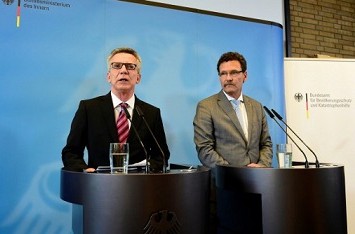
Germany on Wednesday urged its population to stockpile food and water to prepare for possible terrorist or cyber-attacks, as it adopted its first civil defense strategy since the end of the Cold War.
The plan marks the first broad update since 1995, when a dismantling of federal civil defense structures was advocated as security policies were eased in the wake of German reunification.
But the 69-page document warned that “the security policy environment has changed again” — and said Germany should be ready in case of an “existence-threatening development.”
Critics however accused Chancellor Angela Merkel’s “grand” right-left coalition of scaremongering ahead of key state elections in September.
And the population took to social media to mock the strategy, with the hashtag #hamsterkaeufe (which has the dual meaning squirelling away and also panic buying) and photos of the furry rodent widely circulating on Twitter.
Love this! #Hamsterkaeufe pic.twitter.com/gJBGq8zzZc
— jenny hill (@jennyhillBBC) August 23, 2016
Interior Minister Thomas de Maiziere rejected the criticism, saying that “while we all hope that we will be spared from major crisis, we must be prepared” should disaster strike.
“It’s only responsible, sensible and appropriate to make cool-headed preparations for a catastrophe scenario,” he said, stressing that “every country in the world does that.”
He also challenged charges of electioneering, arguing that the strategy is the result of a long reflection process that had been in 2012.
While acknowledging that “an attack on German territory requiring conventional defense is unlikely,” Europe’s biggest economy should be “sufficiently prepared in case of an existence-threatening development in the future that cannot be ruled out,” the strategy document said.
“The proliferation of weapons of mass destruction and their delivery systems, conflict driven by terrorist means and cyberspace attacks can be a direct threat to Germany and its allies,” it said.
Pointing to the people and government’s dependence on both the power and IT networks, de Maiziere said the strategy advocates emergency plans for any breakdown in key energy and water infrastructures.
They encourage people to stockpile sufficient food for 10 days, and water to last five.
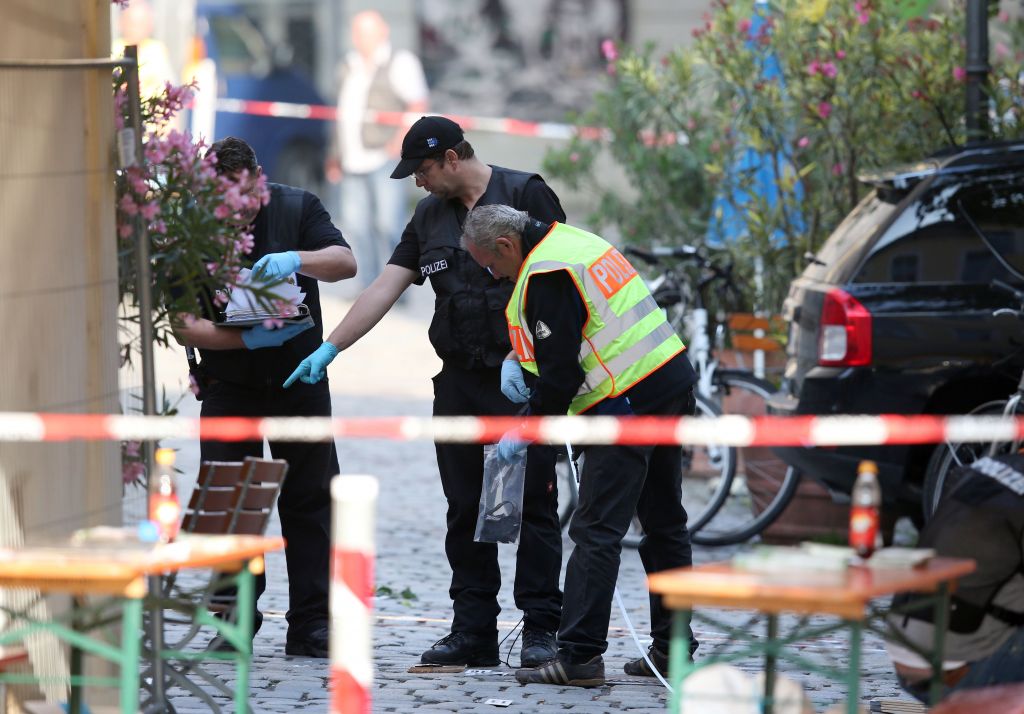
A string of attacks at home in July — including two claimed by the Islamic State group — has sparked a fierce debate about internal security.
The defense ministry is looking at training the military to respond to major terror assaults, while de Maiziere announced tough new anti-terror measures including a controversial proposal to strip jihadist fighters of their German nationality.
Haunted by its Nazi past, Europe’s most populous country has for decades been particularly cautious about military and defense issues.
But this year it set out a new roadmap outlining Germany’s ambition to assume a bigger security role abroad, within the frameworks of NATO and the European Union.









The Times of Israel Community.