

Hamas funded killing of 3 teens, says ringleader
Suspected head of the terror cell that killed Israelis tells interrogators that money for attack came from Gaza

 Add ToI as a Preferred Source on Google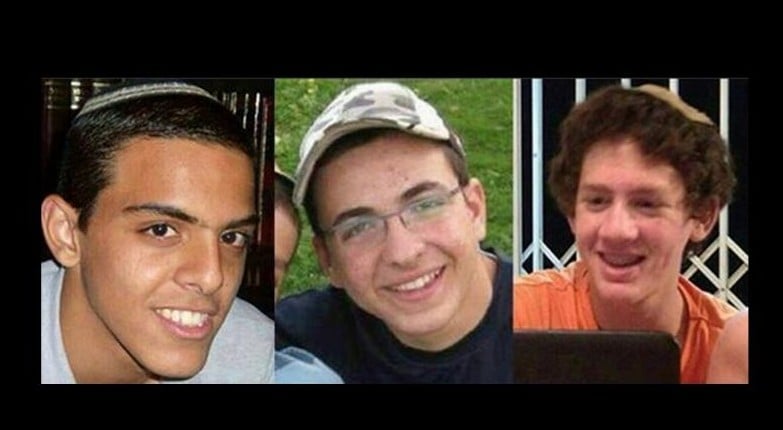
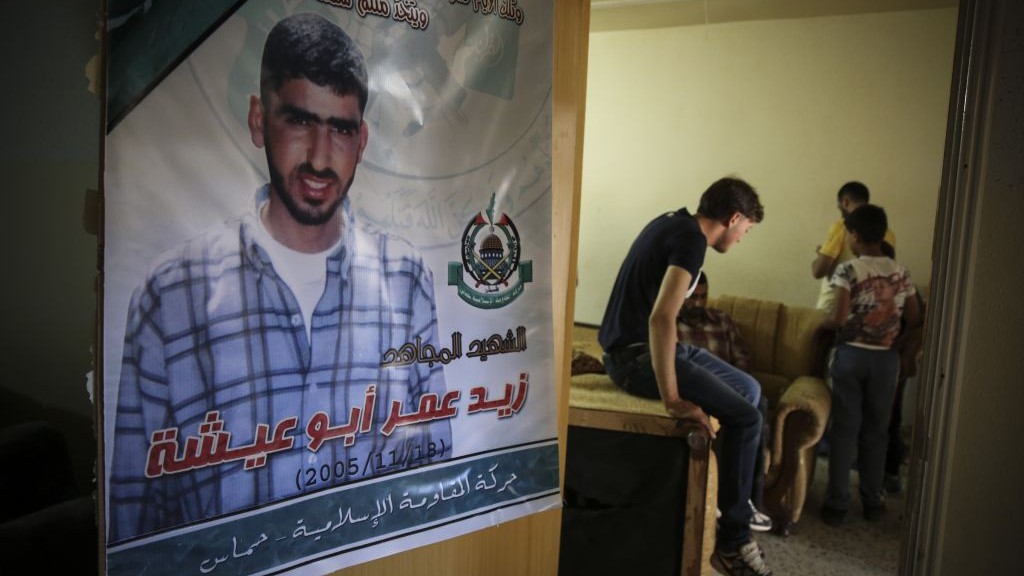
The funding for the West Bank attack in which Israeli students Gil-ad Shaar, Eyal Yifrach and Naftali Fraenkel were abducted and killed in June came from Gaza, the suspected ringleader of the cell that orchestrated the attack reportedly told police after his arrest.
Hebron native Hussam Kawasme, thought to be the head of the terror cell group responsible for the killing of the Israeli teens in mid-June, was arrested on July 11 in the East Jerusalem neighborhood of Shuafat, near a village where he was hiding and plotting his escape to Jordan.
A gag order on his arrest and investigation was lifted Tuesday, revealing that Kawasme had admitted to receiving money for the attack from Hamas operatives in the Gaza Strip — possibly with the mediation of a terrorist released in the prisoner exchange to free captured Israeli soldier Gilad Shalit in 2011.
Kawasme revealed that the alleged killers, Marwan Kawasme and Amer Abu Aysha, drove to his house after killing the three youths. Together, they drove to the plot of land in Halhol which was bought by Kawasme ahead of time. There, they buried the three.
Kawasme also helped the two killers hide from the Israeli security forces who were scouring the West Bank for them, the Haaretz daily reported, citing the Shin Bet security service.
The news of the arrest came as nearly two months of tensions and conflict between Israel and the Palestinians gave way to a shaky calm for the first time since the three teenagers — Naftali Fraenkel,16; Gil-ad Shaar; 16, and Eyal Yifrach, 19 — were abducted from a West Bank hitchhiking post on June 12 and killed shortly thereafter.
Kawasme, a native of Hebron, was arrested in the East Jerusalem neighborhood of Shuafat. Officials did not say when he was caught.
Kawasme is thought to be the man telephoned by the two alleged killers after the killing; part of the call was captured on a recording of an emergency call placed by one of the teens just before they were killed.
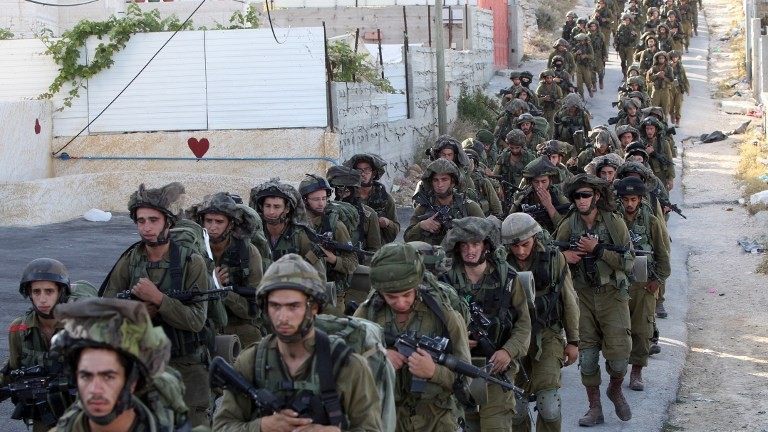
The teens’ abduction sparked a massive search operation and crackdown on Hamas in the West Bank, with hundreds of members arrested. Tensions further ratcheted up after the teens’ bodies were found outside Hebron at the end of June, and an East Jerusalem teen was killed by a Jewish Israeli in an apparent revenge attack, sparking days of unrest throughout the country and in the West Bank and heavy rocket fire on Israel.
On July 8, Israel launched Operation Protective Edge to stymie the rocket fire with airstrikes and later carried out a limited ground incursion into Gaza to destroy a network of cross-border attack tunnels.
On Monday, the sides agreed to a 72-hour truce to work out a long-term ceasefire, as Israel pulled out troops and rocket fire into Israel trailed off.





The Times of Israel Community.