

Hamas reappears on Gaza’s streets, and two of three militias that fought it go quiet
For now, the terror group’s reappearance is relatively limited, but reports are mounting of it pursuing those who have resisted it. And many Gazans fear a return of terror rule

 Add ToI as a Preferred Source on Google
Nurit Yohanan is The Times of Israel's Palestinian and Arab world correspondent
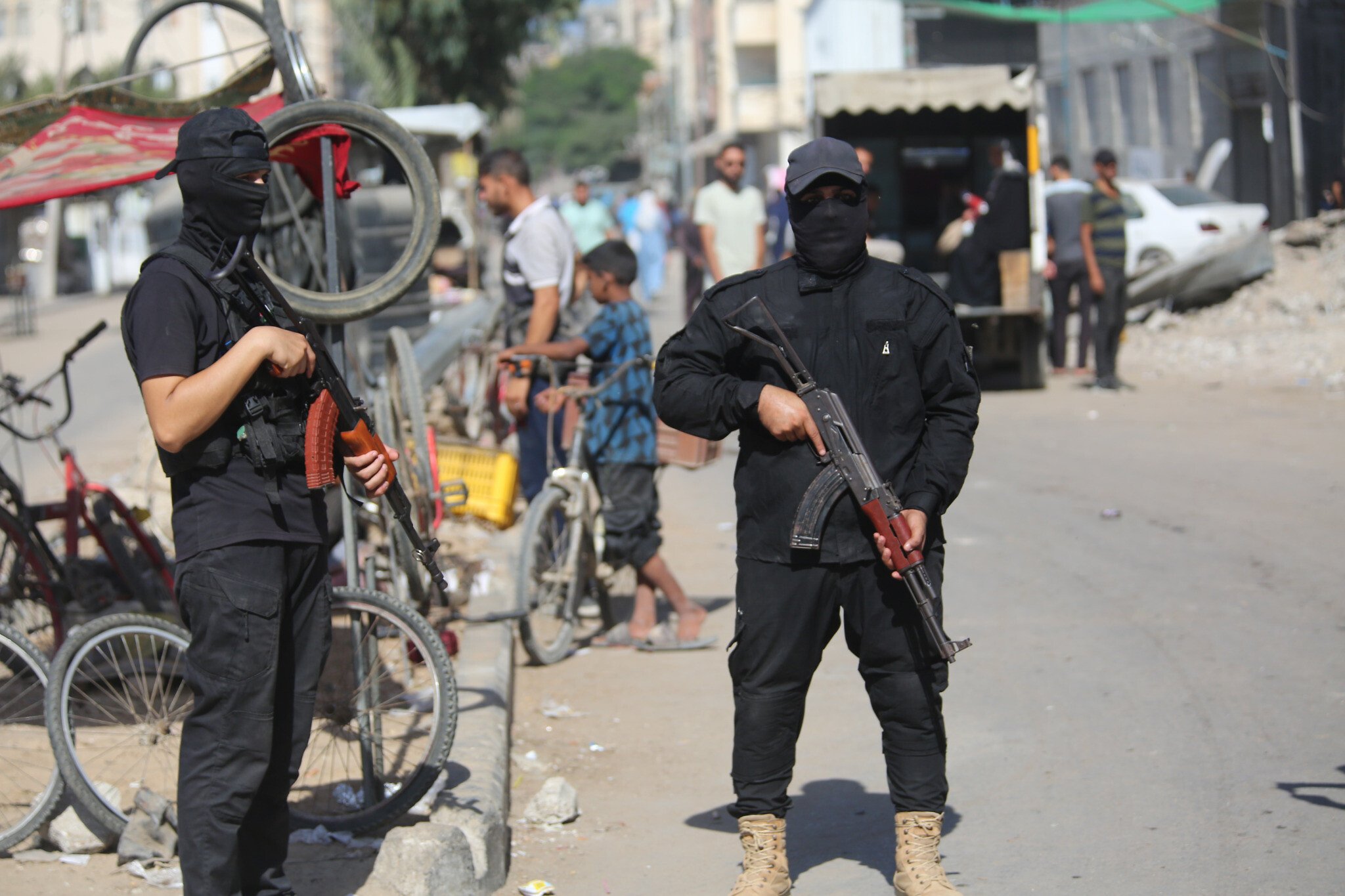
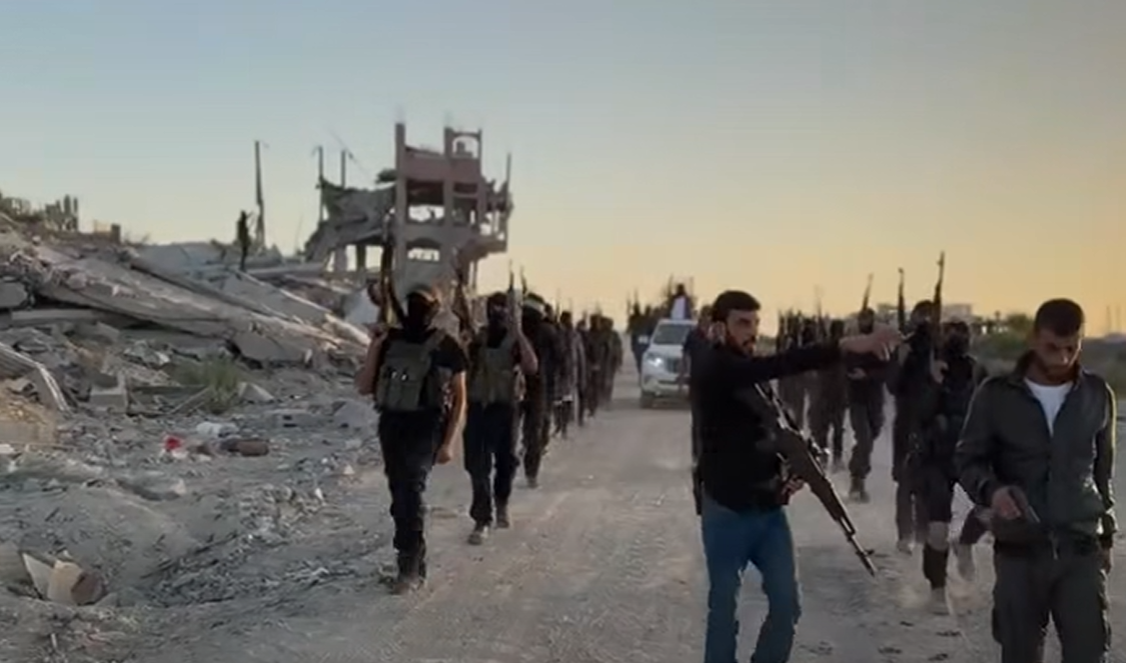
Masked men — some in uniform but most in civilian clothes — have been seen out and about on Gaza’s streets in recent days, some handing out sweets, others simply standing guard.
Footage to this effect, published by Hamas-linked media less than 24 hours after the ceasefire took effect on Friday, has been accompanied by announcements from Hamas’s police and interior ministry claiming that security forces had redeployed across the Strip.
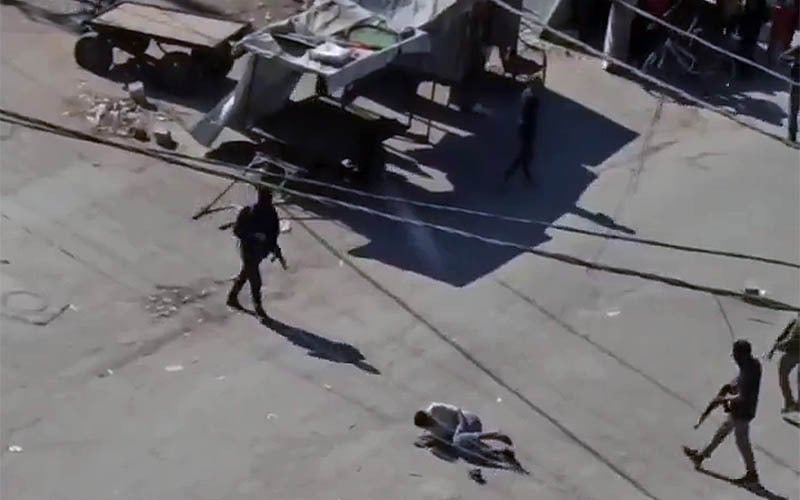
Over the weekend, Gaza networks also circulated footage of an armed, masked man shooting a resident in the leg — a practice Hamas employed throughout the war against suspected collaborators with Israel or those accused of stealing humanitarian aid.
Not everyone is convinced. Hussam al-Astal, who leads a militia that fought Hamas in Khan Younis in recent months and receives support from Israel under the wider framework of Yasser Abu Shabab’s organization, told The Times of Israel: “If Hamas were truly present, if they had real power, they wouldn’t be out in civilian clothes and masks.
“They’re afraid. Five or ten people show up in one spot, film it, and pretend they’re there. Why? Because they’re finished, and they know it,” he claimed.
But others who spoke to The Times of Israel confirmed that Hamas is returning to the streets of Gaza, albeit in a limited capacity, and expressed fears of a return to the rule of terror.
The first stage of the ceasefire deal makes no mention of who will govern Gaza once the war is over. Prime Minister Benjamin Netanyahu has declared he will not allow either Hamas or the Palestinian Authority to play a role on “the day after.” Hamas, for its part, has said it would accept a Palestinian technocratic body emerging from internal dialogue with the PA. Several Hamas spokespeople, however, have declared that the terror group will not lay down its arms.
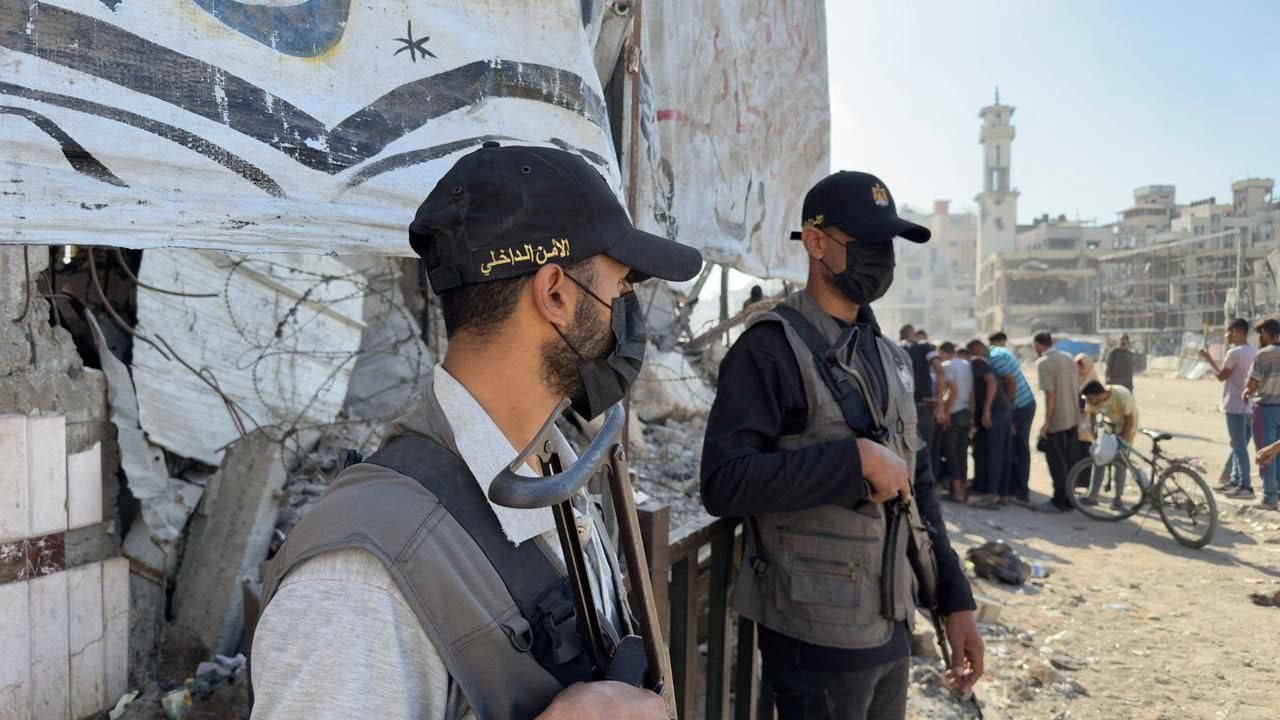
The fact is that Hamas police have been seen on patrol in recent days, while Gaza municipalities — still formally under Hamas’s control — have begun clearing rubble and reopening roads for civilian movement.
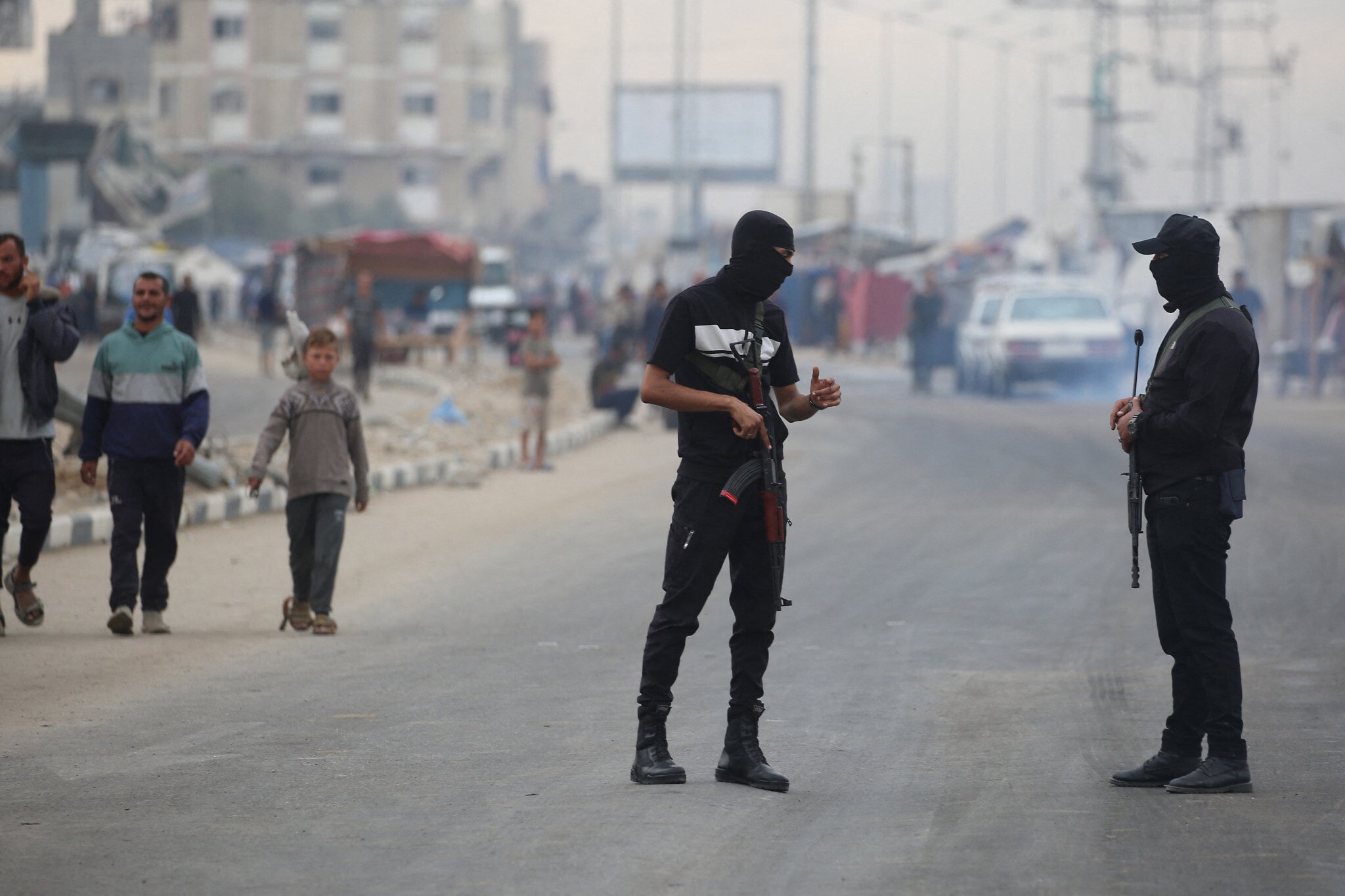
One Hamas officer, who spoke anonymously to Qatar’s Al-Araby TV while patrolling the streets of Gaza City on Saturday, said: “The basic mission is to restore control until the Gaza resident feels protected — protected from hardship, from blocked roads, from anyone who seeks to harm him.”
He added that Hamas’s tasks now include confiscating weapons from “fugitives” –apparently referring to militia members who have fought against it — delivering messages to families of the dead and mediating disputes.
The officer claimed that Hamas’s redeployment extends through much of the Strip, in all areas vacated by Israeli forces, “even in places close to the soldiers themselves.” The Israeli pullback leaves the IDF in control of some 53% of the Strip.
Clashes between Hamas and militias
On the eve of the Thursday ceasefire agreement, several militias were battling Hamas inside Gaza. Two of them operated with Israeli assistance in the south — one in eastern Rafah led by Yasser Abu Shabab, and another in Khan Younis under Hussam al-Astal.
In recent weeks, footage circulating online suggested a third militia was active in Jabaliya and Beit Lahiya, in northern Gaza, reportedly led by Ashraf al-Mansi, a Gaza City resident.
While its ties to Israel remain unclear, a senior figure in Abu Shabab’s group confirmed to The Times of Israel last week that al-Mansi’s faction is indeed operating in northern Gaza as part of the “Popular Forces,” modeled along similar lines to al-Astal’s group in Khan Younis.
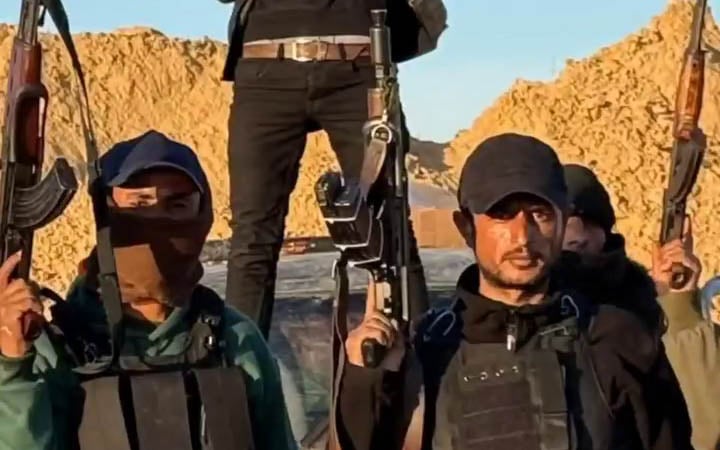
Just days before the ceasefire, al-Astal’s fighters openly clashed with Hamas in the al-Mawasi area of western Khan Younis, with the help of the IDF. It was their first such confrontation in public.
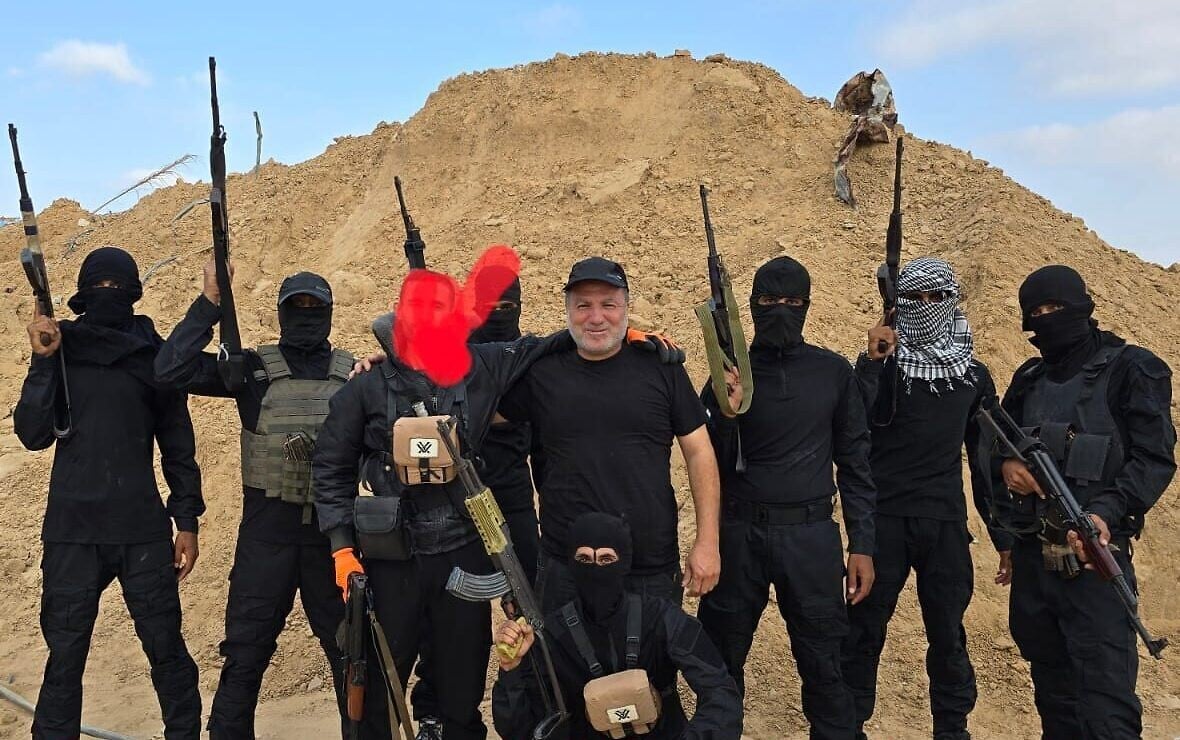
The return of Hamas operatives to Gaza’s streets now threatens these militias.
Even before the truce, Hamas was hunting them down. With the IDF withdrawing from some areas, Hamas has greater freedom to operate openly.
The Saudi daily Asharq Al-Awsat reported on Saturday that Hamas security forces — including its internal security and the intelligence wing of its military arm — have redeployed in Jabaliya and the Jabaliya refugee camp, areas from which Israel withdrew under the ceasefire.
According to the report, Hamas fighters have pursued, arrested and even killed militia members there, apparently targeting al-Mansi’s group.
A Hamas-affiliated Telegram channel, Imsak Aamil (“Catch a Collaborator”), also claimed on Saturday that Hamas clashed with militias in Jabaliya.
However, al-Astal denied in a video sent to The Times of Israel that Hamas had recently detained or killed leaders of anti-Hamas militias.
Fate unknown after further IDF Withdrawal
Al-Astal insisted that his battle continues: ‘We will fight Hamas until Hamas is finished, not us,” he told The Times of Israel, calling on Gazans not to fear Hamas: “There will not be a Hamas 2.0.” He also claimed that Hamas fighters visible in the streets today are merely the “remnants” of the movement.
Al-Astal is currently operating from the abandoned village of Kizan an-Najjar, south of Khan Younis. He said the IDF remains nearby, as the area lies along the new frontline set by the ceasefire’s first stage.
However, discrepancies exist between the official IDF withdrawal maps and actual troop positions, raising the possibility that soldiers are withdrawn closer to the border publicly indicated.
Meanwhile, Abu Shabab’s militia in eastern Rafah continues to operate in territory still fully under IDF control.
The fate of both militias — if the army withdraws further and Hamas advances into their areas — remains uncertain. Renewed clashes seem likely, and the outcome is impossible to predict.
For now, al-Astal is the only militia leader speaking out.
Abu Shabab’s faction has gone silent, declining to respond to The Times of Israel in recent days. Its Facebook page — active for months — has made no mention of the ceasefire, only posting a tribute to a local schoolteacher in the first hours after news of the truce broke. Likewise, al-Mansi has not updated his Facebook page since the agreement.
“There is no one else to rule”
Gazans who openly opposed Hamas during the war told The Times of Israel in recent days that they feared the group’s swift reappearance in the streets following the ceasefire.
Izz al-Din Shihab, a resident of Jabaliya who left the city three months ago and is now in southern Gaza, said: “People are afraid. They don’t know if Hamas will give up power or not. Hamas is an ideological and very extreme organization, and everyone is scared.”
“Yes, people are somewhat happy about the ceasefire,” he added. “But after that? What comes next?”
Referring to the reemergence of Hamas police, he added: “It’s a problem. They will hold on to power at any cost. Me, what do I have to do with it? More than once we protested against them, but no one listened. They imprisoned us and shot at us.”
Muein Hilu, a Gaza City resident now in central Gaza after leaving a month ago, told The Times of Israel on Sunday: “They (Hamas) are here, you can’t deny it. Who will organize the city? There’s no one else. There’s no one else to arrange things, to regulate movement.”
Hilu, who speaks Hebrew, noted he was not surprised to see Hamas back in force, saying he read in Israeli media that the ceasefire agreement does not require Hamas to disarm. (That requirement applies to the next phase of the Trump plan.)
“There is no other authority, no one else on the ground. But their numbers are small, not large,” he said, adding that he saw Hamas operatives on Sunday morning in central Gaza directing traffic and organizing markets.
Hilu said the future is simply uncertain: “Today or tomorrow they will release some of the hostages. Let’s see what happens after that, what the next stage will be. I don’t think the war will return, but exactly what they’ll agree on, I don’t know.”








The Times of Israel Community.