

‘Hamas rejects Iran offer of funding in return for backing in Saudi row’
Proposal splits leadership of Palestinian terror group, but political chief turns it down for fear of offending Sunni states

 Add ToI as a Preferred Source on Google
Avi Issacharoff, The Times of Israel's Middle East analyst, fills the same role for Walla, the leading portal in Israel. He is also a guest commentator on many different radio shows and current affairs programs on television. Until 2012, he was a reporter and commentator on Arab affairs for the Haaretz newspaper. He also lectures on modern Palestinian history at Tel Aviv University, and is currently writing a script for an action-drama series for the Israeli satellite Television "YES." Born in Jerusalem, he graduated cum laude from Ben Gurion University with a B.A. in Middle Eastern studies and then earned his M.A. from Tel Aviv University on the same subject, also cum laude. A fluent Arabic speaker, Avi was the Middle East Affairs correspondent for Israeli Public Radio covering the Israeli-Palestinian conflict, the war in Iraq and the Arab countries between the years 2003-2006. Avi directed and edited short documentary films on Israeli television programs dealing with the Middle East. In 2002 he won the "best reporter" award for the "Israel Radio” for his coverage of the second intifada. In 2004, together with Amos Harel, he wrote "The Seventh War - How we won and why we lost the war with the Palestinians." A year later the book won an award from the Institute for Strategic Studies for containing the best research on security affairs in Israel. In 2008, Issacharoff and Harel published their second book, entitled "34 Days - The Story of the Second Lebanon War," which won the same prize.
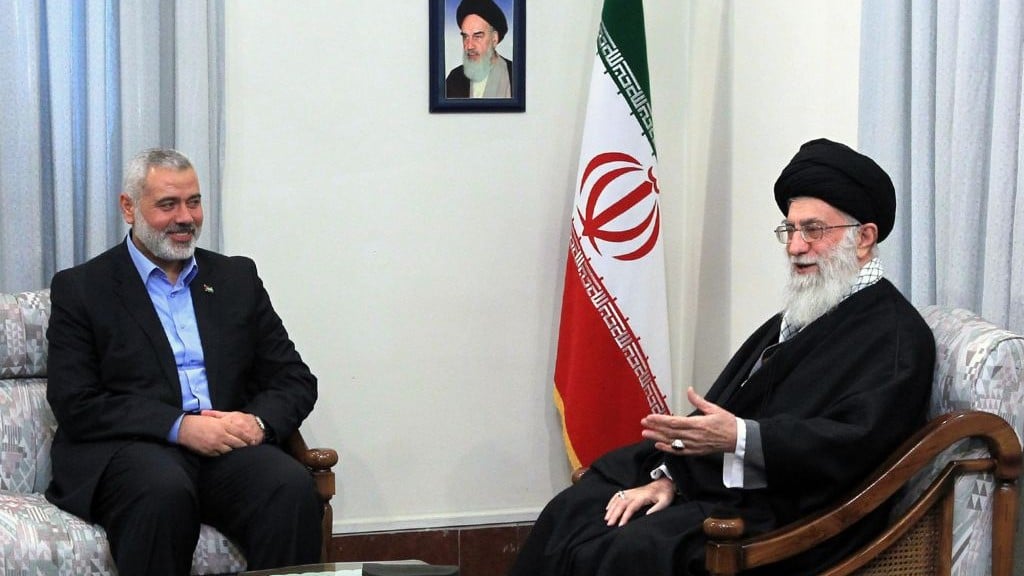
Hamas has rejected a proposal by Tehran to restore ties in return for its support in Iran’s current battle with Saudi Arabia, a source in the Palestinian terror group told pan-Arab paper Asharq al-Awsat on Friday.
According to the report, Khaled Qaddumi, Hamas’ representative in Tehran, met two weeks ago with Iranian Foreign Minister Mohammed Javed Zarif, who offered to renew Iranian financial support for the group on a regular basis and according to its needs, if Hamas were to officially declare its allegiance to Iran in the wake of Saudi Arabia’s execution of Shiite cleric Nimr al-Nimr earlier this month.
According to the sources, the proposal triggered a dispute within Hamas. The heads of the organization in the Gaza Strip supported normalization of ties with Tehran, while Qatar-based politburo chief Khaled Mashaal was reluctant to commit, fearing that Hamas would lose its support among Sunni Arab states. Ultimately, the report said, Mashaal officially rejected the offer from Iran.
“The equation is clear: as a liberation movement, we need the support of everyone,” a Hamas official in the West Bank told the newspaper. He stressed the group “will never join an alliance against the Sunni world.”
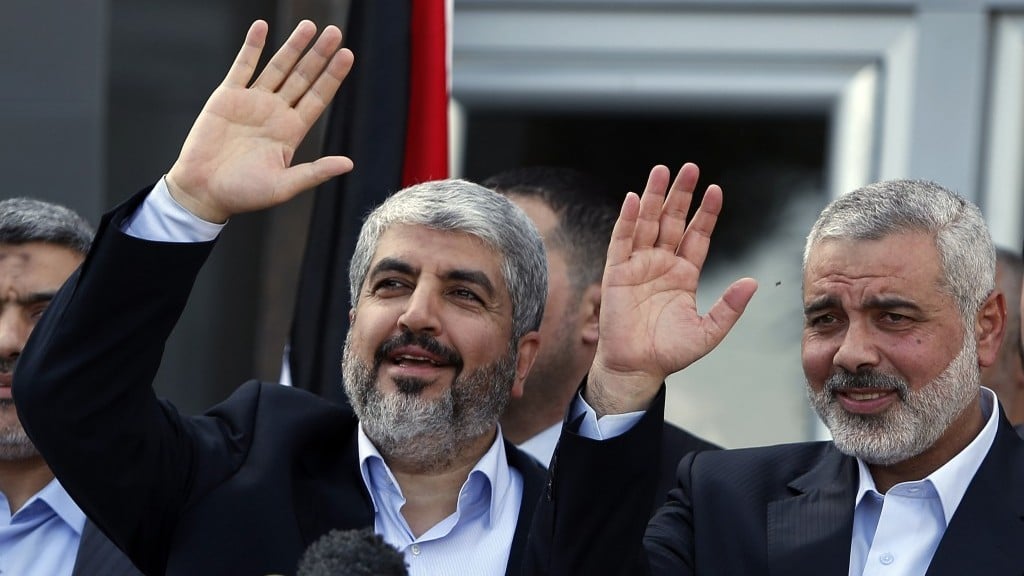
Relations between Iran and Hamas have been shaky since the Palestinian organization came out against Syrian President Bashar Assad, a key Iranian ally, and left its headquarters in Damascus with the outbreak of the country’s civil war in 2011.
Tehran gradually halted its support for the Palestinian organization; it was also recently reported that Iran has ended its financial backing for the Palestinian Islamic Jihad, probably due to its position on the civil war in Yemen.
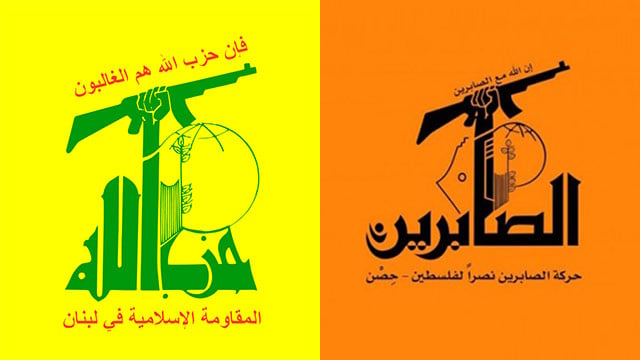
Hamas could well still be receiving getting money from Iran, albeit on an ad hoc basis. The organization did attempt recently to draw closer to the Islamic Republic, even claiming sponsorship of the activities of Shiite group Harakat al-Sabireen, which does enjoy Iranian support.
Harakat al-Sabireen, which translates to “movement of the patient ones,” broke away from Islamic Jihad in May 2014, and has symbols almost identical to those of Lebanon-based Hezbollah and the Iranian Revolutionary Guard Corps.
Founder Hisham Salim this week told the Palestinian news agency Ma’an that the group, like Hezbollah, is directly funded by the Iranian government, but stressed that his group was non-sectarian, non-religious and certainly not a “Shiite movement.”
Lee Gancman contributed to this report









The Times of Israel Community.